
Film
Little Children
Todd Field's aching suburban drama follows two neglected spouses drifting into an affair while a paroled sex offender's return unsettles their cul-de-sac. Deadpan narration undercuts the melodrama, turning gossip and desire into wry social comedy without losing the ache underneath. It's slow, literary, and unsparing about the loneliness inside 'good' marriages — for people who like their romance shadowed by moral discomfort and quiet dread.
If you liked this
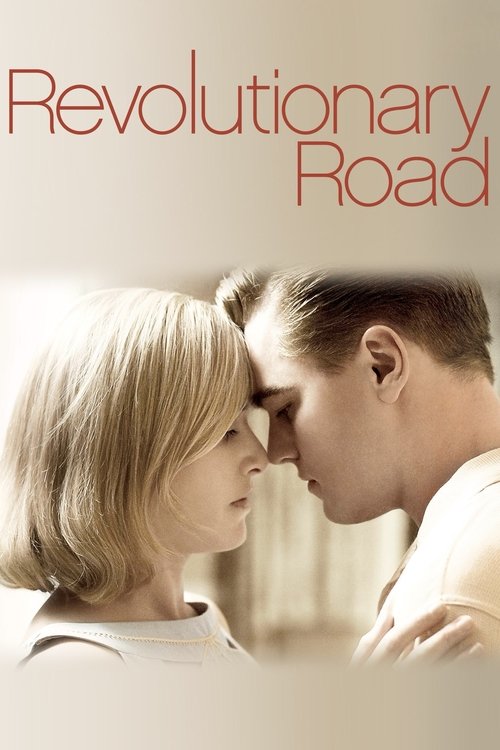
Revolutionary Road2008
Winslet again drowning in a marriage that promised more than a split-level house and a commute — Mendes's adaptation of Yates's novel is just as clinical about suburban rot, but angrier and colder.
But Unrelentingly bleak, with none of the wry narration that softens Little Children's moral judgment of its characters.
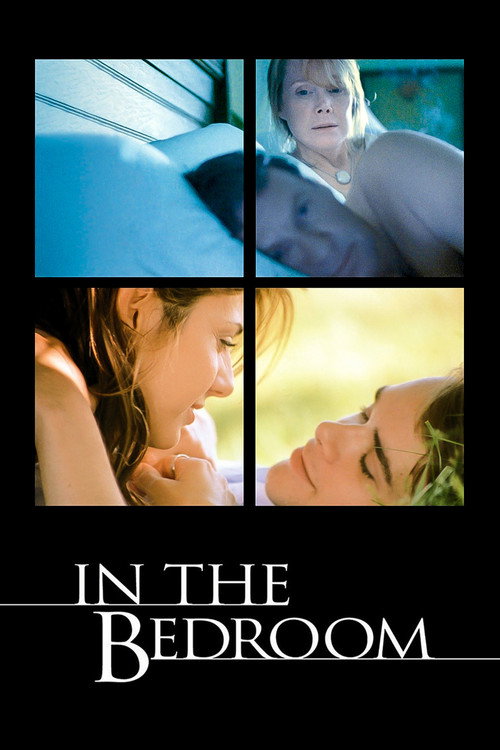
In the Bedroom2001
Todd Field's first film, and the one that got him this one — a quieter, grief-soaked study of a marriage bending under an unbearable weight, told with the same patient, unhurried eye.
But Glacially paced and almost entirely joyless; it earns its devastation slowly, without much relief along the way.
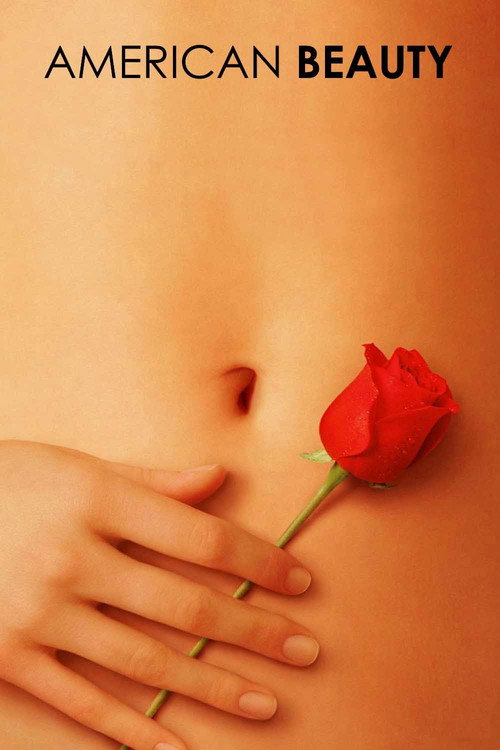
American Beauty1999
The suburban-adultery-and-teenage-longing template done with more voiceover irony and a rose-petal fantasy or two — funnier, glossier, but poking at the same bruise of respectable unhappiness.
But Its satire has aged oddly, and some of its once-daring choices now read as a little smug and dated.
The wildcard
Something you would not have found on your own.
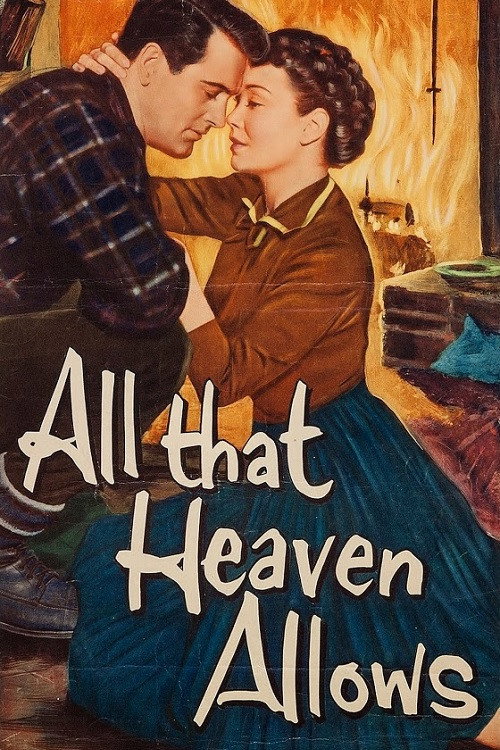
All That Heaven Allows1955
Little Children's whole architecture — a community policing a woman's desire, a happy ending that costs something — is a direct descendant of Sirk's suburban melodramas; this is the blueprint, played completely straight where Field plays it half-ironic.
Jane Wyman's widow falls for her younger gardener and her country-club friends turn vicious — Douglas Sirk invented the genre of suburbia punishing desire, in saturated color and with total sincerity.
But The style is pure 1950s melodrama — swelling strings, on-the-nose symbolism — and some will find it corny rather than moving.
More like this (8)
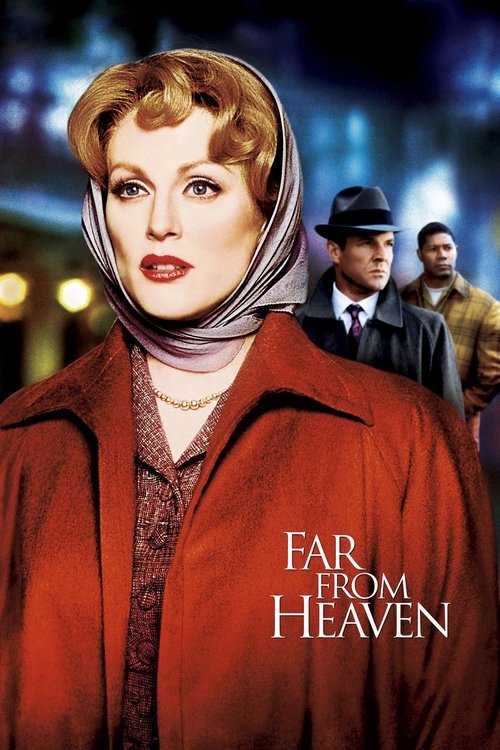
Far from Heaven2002
Todd Haynes's Sirk-soaked melodrama about a housewife whose perfect life cracks along race and sexuality lines — same interest in suburbia as a stage set for shame, filmed in gorgeous, ironic Technicolor.
But The heightened, deliberately artificial style is the opposite of Little Children's naturalism — you either love it or find it airless and cold.
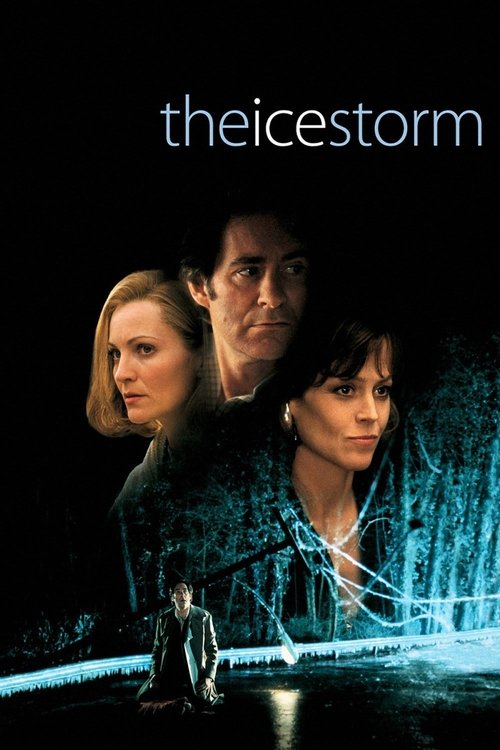
The Ice Storm1997
Wife-swapping and teenage fumbling in 1970s Connecticut, Ang Lee's chilliest film and maybe his best — the same sense of adults behaving like children while actual children watch and learn.
But Detached almost to the point of numbness; you admire it more than you feel it, and that's by design.
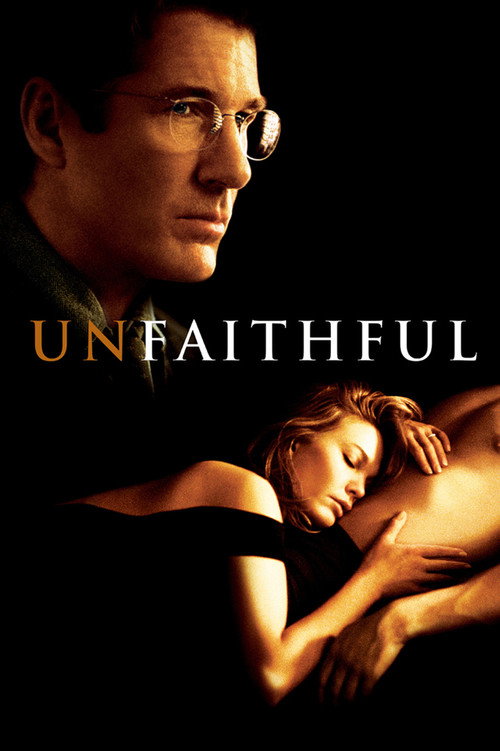
Unfaithful2002
Diane Lane's Oscar-nominated slide into an affair that spirals somewhere much darker — less literary, more visceral, but built on the same slow-burn guilt and self-destruction.
But Trades ambiguity for melodrama in its back half; the moralising gets loud and the ending tips into thriller territory.
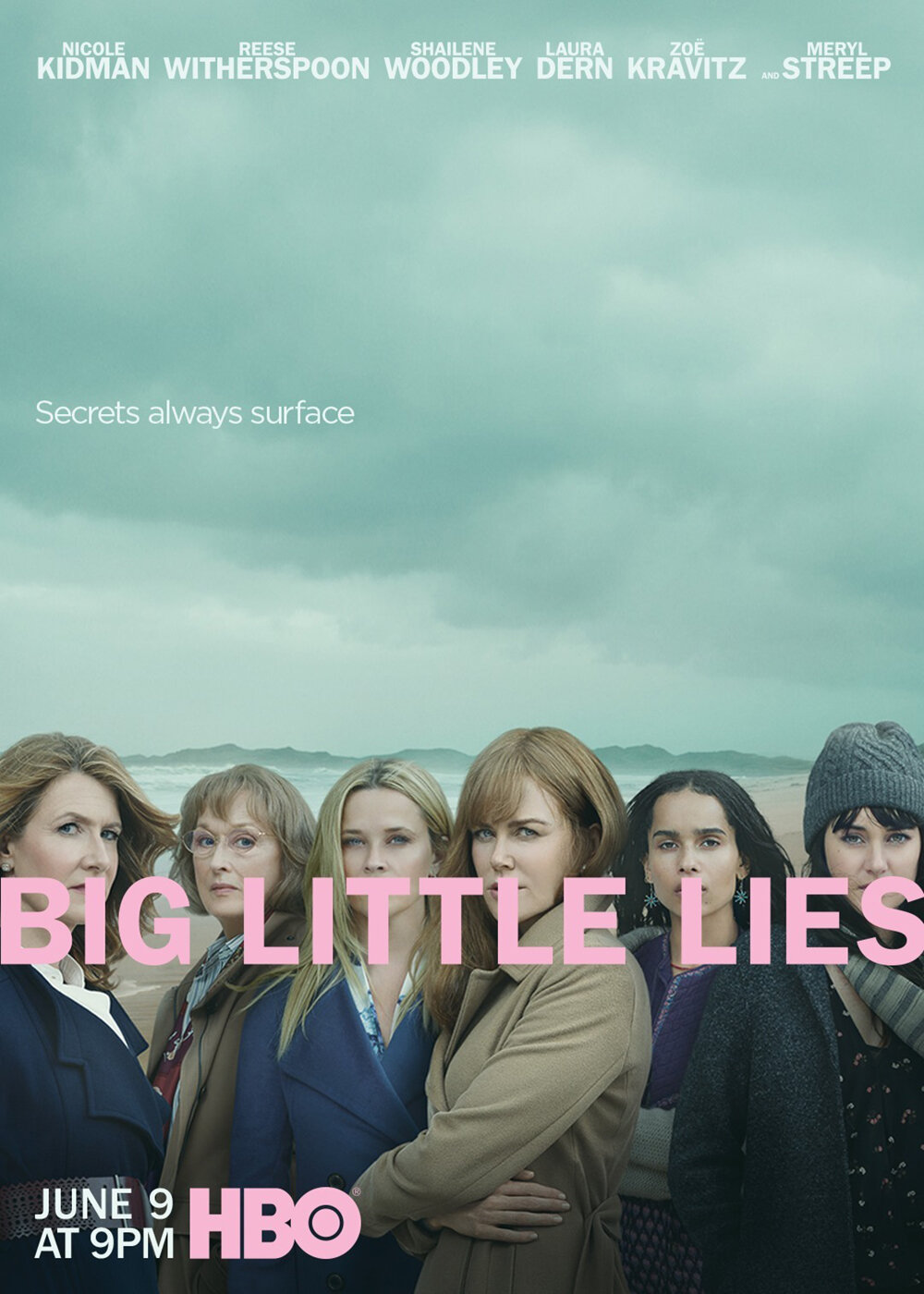
Big Little Lies2017
Suburban mothers, secret damage, and a community that gossips its way toward a reckoning — same DNA, dialed up into glossy prestige soap with an incredible cast.
But Slicker and pulpier than Little Children — this is suburbia rendered as glossy thriller, not quiet tragedy, and it knows it.
The Kids Are All Right2010no page yet
A warmer, funnier look at a marriage tested by an outside temptation, with Julianne Moore doing her own version of restless-parent longing — proof the genre doesn't have to end in despair.
But Much gentler and more forgiving than Little Children; if you want the knife twisted all the way in, this pulls it out early.
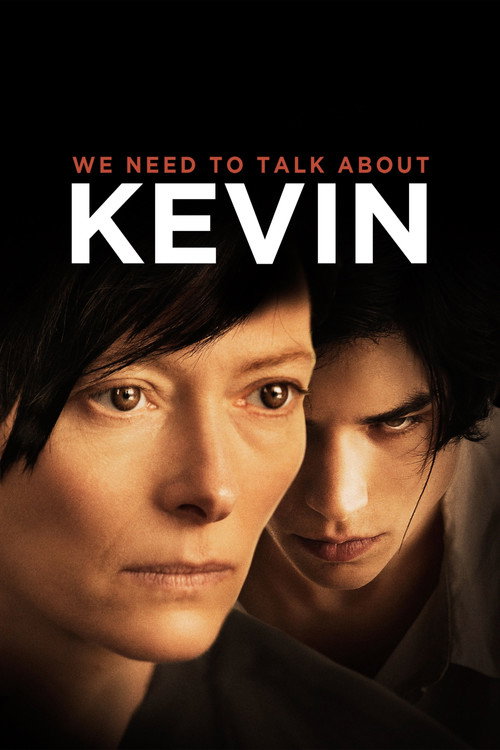
We Need to Talk About Kevin2011
Not about affairs but about the other terror lurking under Little Children's surface — a mother's guilt and a community's judgment, filmed like a fever dream.
But Far more horror-adjacent and upsetting than anything here; it's about dread and blame more than romance or longing.
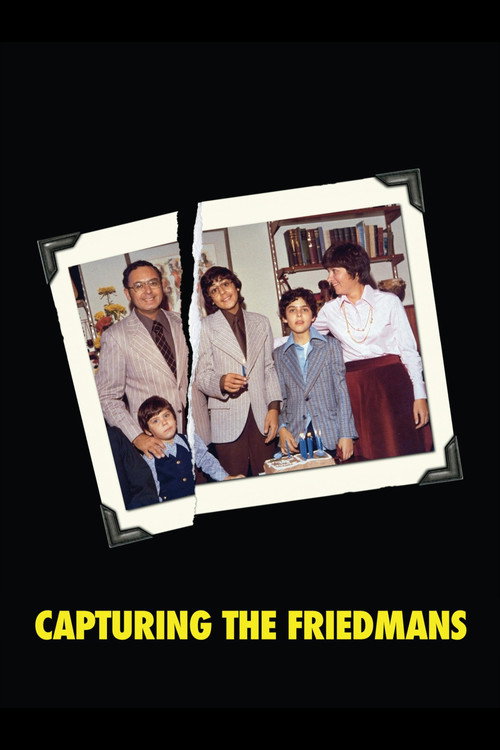
Capturing the Friedmans2003
Little Children asks you to feel something complicated for Ronnie, its paroled sex offender, without excusing him. This documentary does the same thing with real people and no fictional distance to hide behind — it's the unbearable, nonfiction version of that same discomfort.
A real family implodes after the father and son are accused of child abuse, and the documentary refuses to tell you what to believe — home movies, denial, and doubt, all at once.
But This is a true story about real accused abusers and real trauma; it's far heavier and more ethically vertiginous than anything in Little Children.
Happiness1998no page yet
Both films put a sympathetically-drawn figure convicted of sexual offenses against children right at the center of ordinary suburban life and dare you to keep watching. Happiness turns that dare up to eleven, trading Field's melancholy for outright transgression — the same ethical provocation in a much rawer register.
Several suburban lives interlock — a lonely woman, a marriage, a father with a horrifying secret — in a pitch-black comedy that refuses to look away from anything, including a pedophile the film asks you to understand.
But This is much, much more transgressive and upsetting than Little Children — deliberately shocking, and not for anyone wanting restraint or grace notes.
People
Cast
 Kate WinsletSarah Pierce
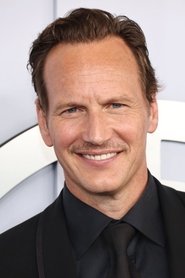 Patrick WilsonBrad Adamson
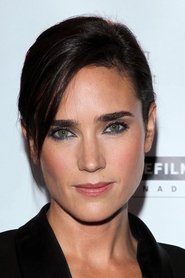 Jennifer ConnellyKathy Adamson
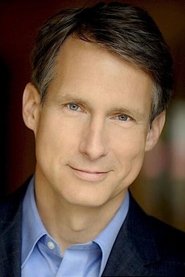 Gregg EdelmanRichard Pierce
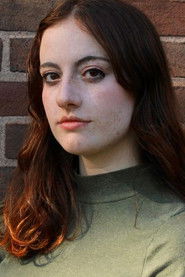 Sadie GoldsteinLucy Pierce
 Ty SimpkinsAaron Adamson
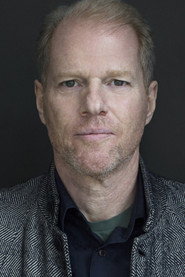 Noah EmmerichLarry Hedges
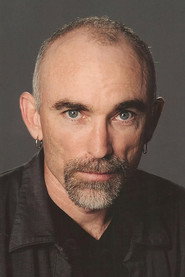 Jackie Earle HaleyRonnie J. McGorvey
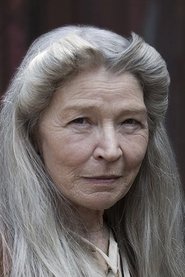 Phyllis SomervilleMay McGorvey
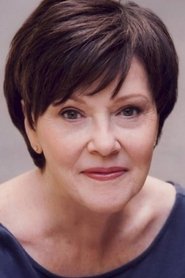 Helen CareyJean
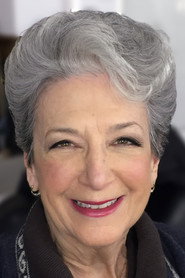 Catherine WolfMarjorie
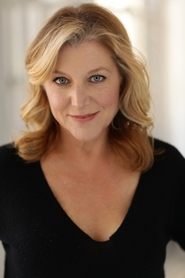 Mary B. McCannMary Ann
Directing
- Todd FieldDirector
- Virginia Saenz McCarthyScript Supervisor
Writing
- Tom PerrottaNovel
- Todd FieldScreenplay
- Tom PerrottaScreenplay
Production
- Belinda MonteCasting
- Todd M. ThalerCasting
- Dana BelcastroExecutive Producer
- Toby EmmerichExecutive Producer
- Leon VitaliLocation Manager
- Albert BergerProducer
- Ron YerxaProducer
- Todd FieldProducer
- Patrick J. PalmerUnit Production Manager
- Ray QuinlanUnit Production Manager
Recommended by
Short Cuts, Revolutionary Road, The Ice Storm, American Beauty, Far from Heaven, We Need to Talk About Kevin, Unfaithful, The Lost Daughter