
Film
Far from Heaven
Todd Haynes rebuilds a 1950s Hollywood melodrama—the saturated colour, swelling strings, stiff dialogue—then uses that beautiful cage to say what the genre never could, following a husband's secret and a forbidden interracial romance inside a manicured suburb. Gorgeous, mannered, devastating: a film trusting artifice to carry real heartbreak. For lovers of classic melodrama, and anyone who wants tears deliberately engineered.
If you liked this
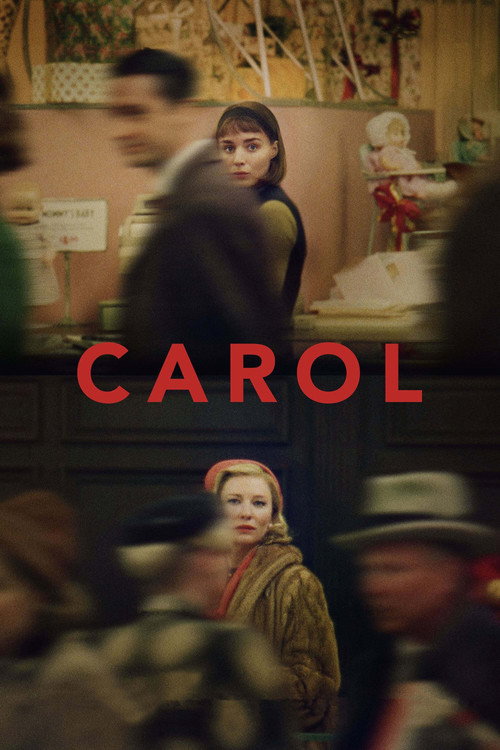
Carol2015
Todd Haynes returns to the same terrain—forbidden love, a hostile decade, exquisite restraint—but swaps 1950s suburbia for 1950s New York and swaps race for sexuality. Same director, same aching control.
But Even slower and quieter than Far from Heaven; if you wanted more plot and less lingering gaze, this will test your patience.
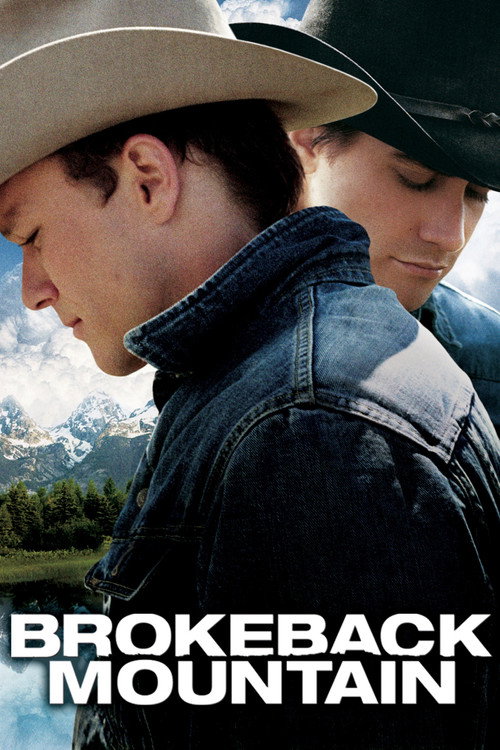
Brokeback Mountain2005
Another love story strangled by the era's expectations, played out against gorgeous landscape instead of gorgeous wallpaper. Devastating for exactly the same reason—everyone involved is trying so hard to be good.
But It earns its heartbreak slowly and bleakly, with none of Haynes's stylised comfort to soften the blow.
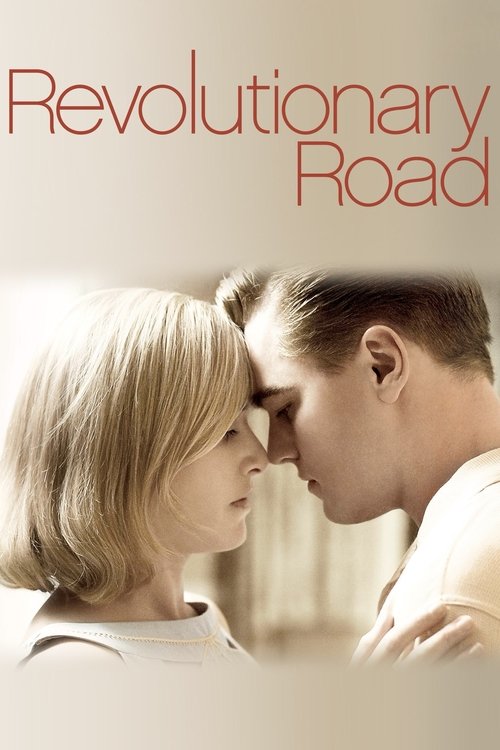
Revolutionary Road2008
Suburban marriage, mid-century conformity, a couple realizing the life they built is a trap—DiCaprio and Winslet detonate it beautifully. Less melodrama, more slow-motion implosion.
But Unrelentingly bleak, with none of Sirk's visual sweetness to cushion the misery—bring something lighter to watch afterward.
The wildcard
Something you would not have found on your own.
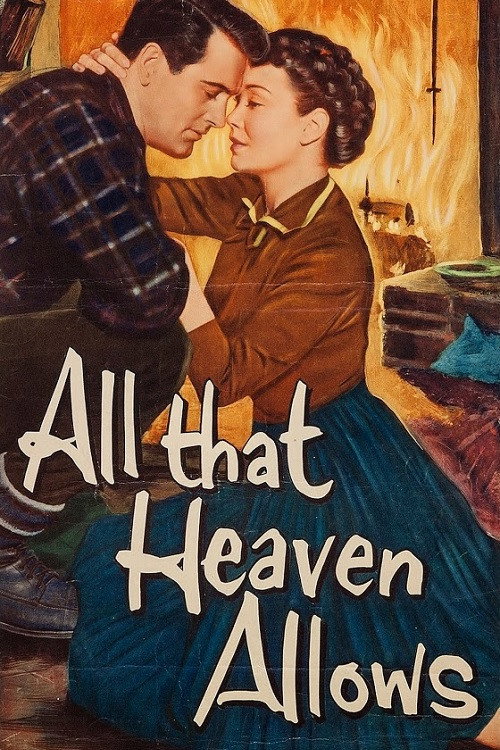
All That Heaven Allows1955
This is the actual film Haynes is rebuilding almost shot for shot—a widow falls for her gardener and her country-club friends turn vicious. Far from Heaven follows its plot beats and its Technicolor palette; the difference is everything the Production Code wouldn't let Sirk say.
See where all that gorgeous artifice came from: the original 1950s weepie, sincere rather than knowing, that Haynes loves enough to remake almost frame for frame.
But Played completely straight, its melodrama can feel corny to modern eyes without Haynes's layer of irony underneath.
More like this (8)
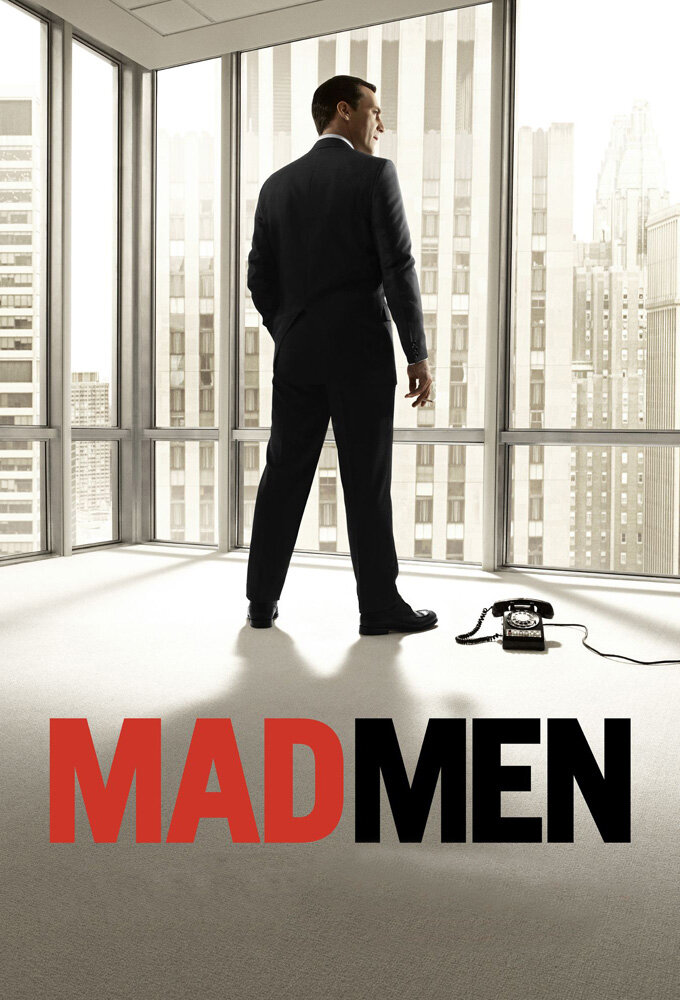
Mad Men2007
The same decade, the same secrets behind manicured lawns, stretched into a series that lets every repression simmer for years instead of ninety minutes. Endlessly rewatchable.
But Seven seasons is a serious commitment, and its cool irony sits at a different temperature than Haynes's aching sincerity.
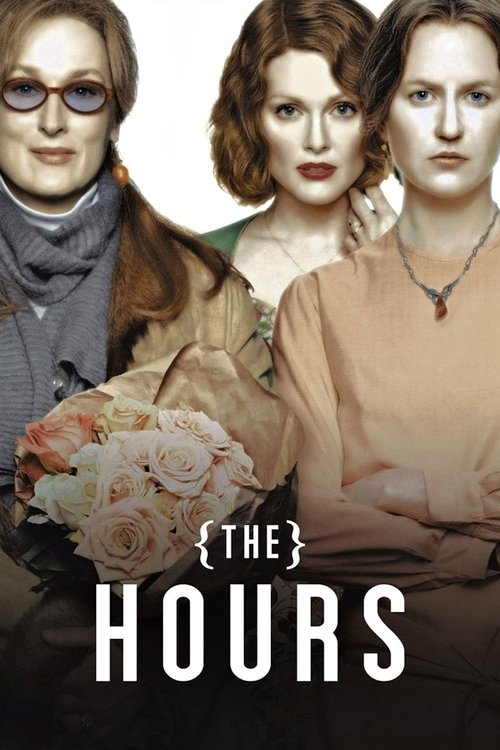
The Hours2002
Julianne Moore again, again playing a woman suffocating inside a life she didn't choose, this time braided with two other women across decades. Same actress, same ache, different century.
But Three interwoven timelines and a heavy literary pedigree; it demands patience and a taste for Virginia Woolf.
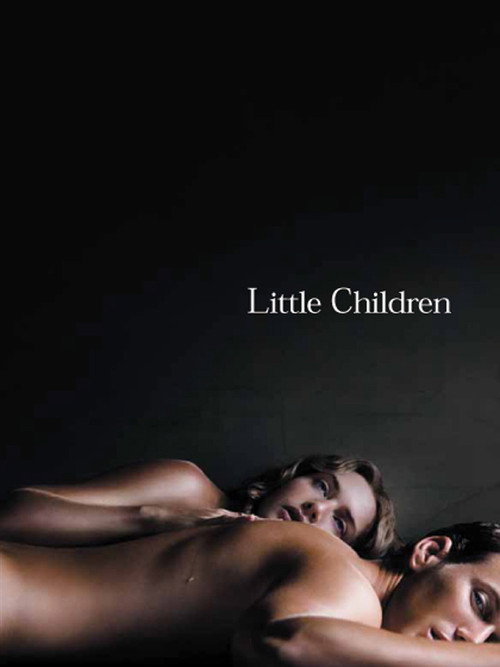
Little Children2006
Suburban desire, secrets, and a slow-burn affair that upends a quiet town—this one trades melodrama for dry, uncomfortable irony. Kate Winslet is extraordinary.
But Its tone is colder and more satirical than Haynes's warmth; some of it will make you squirm rather than weep.
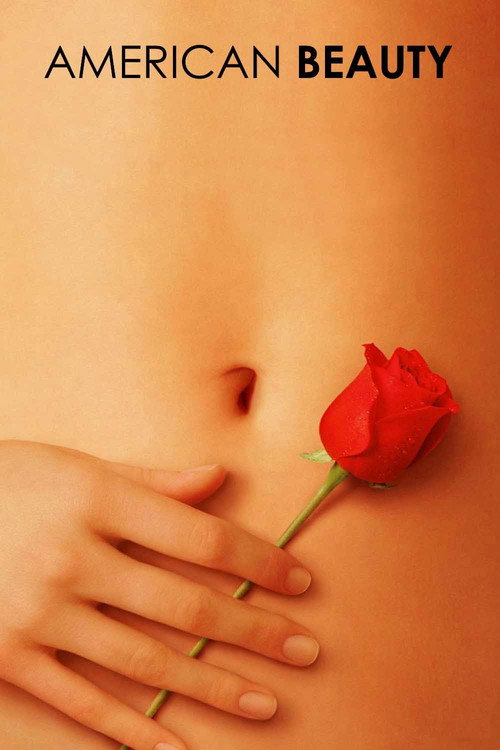
American Beauty1999
The manicured lawn as prison, again—this time narrated by the corpse of the man buried under it. Funnier and nastier, but built from the same suburban rot.
But Its cynicism and voiceover swagger feel dated now, and it lacks Far from Heaven's tenderness toward its characters.
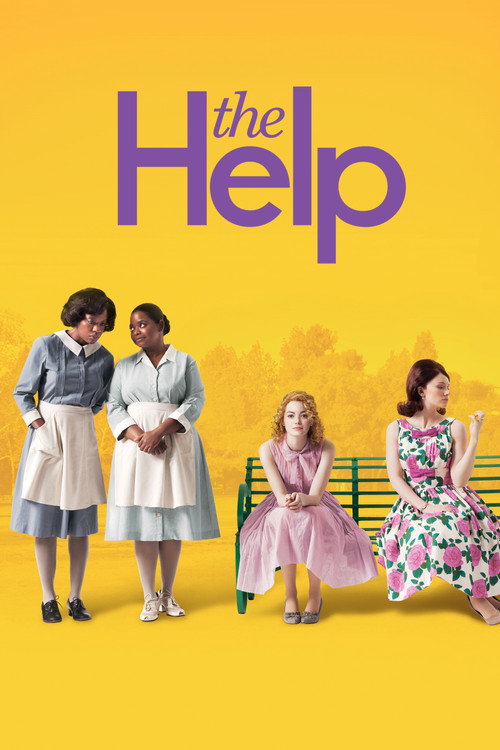
The Help2011
Viola Davis again in the segregated South, this time front and center, in a warmer, more crowd-pleasing story about the women who ran the houses everyone else took credit for.
But Its comfort-food approach to a painful history has drawn real criticism; it's gentler and less morally complicated than Haynes's film.
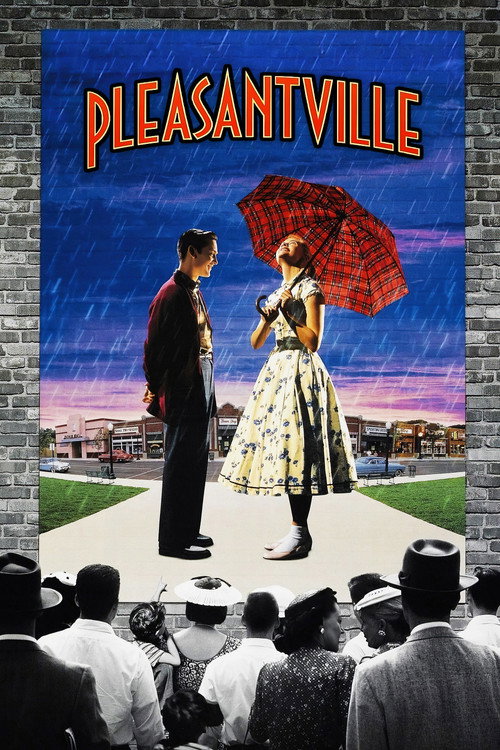
Pleasantville1998
A stranger, sillier cousin: two teenagers get zapped into a black-and-white 1950s sitcom and start bleeding colour into it as desire and difference creep in. Same critique, played as fantasy.
But It's broader and more literal-minded than Haynes's film, with a high-concept gimmick where Far from Heaven has restraint.
Get Out2017
Same engine, different costume: polite, well-appointed white society hiding real menace toward Black people just beneath a smiling surface. Far from Heaven plays it as tragedy; this plays it as horror-comedy, and the dread is just as real.
Jordan Peele takes the same buried racial dread and detonates it as horror-satire—funny, terrifying, and precisely engineered in its own right.
But It's a genuinely scary film with jump-out-of-your-seat moments; if you came for aching restraint, this will jolt you instead.

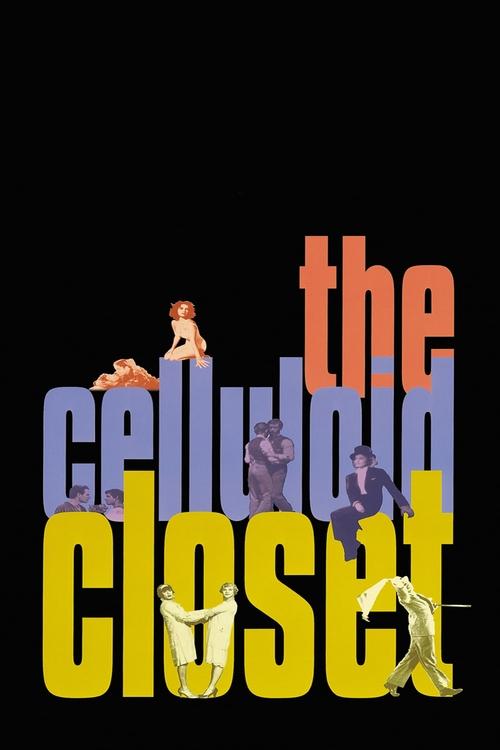
The Celluloid Closet1996
A documentary about exactly the trick Far from Heaven is playing: how classic Hollywood, under the Production Code, learned to smuggle forbidden desire—especially queer desire—into respectable-looking films. Frank's secret in Haynes's film is the ghost this documentary makes explicit.
Interviews and clips trace decades of coded gay characters hidden in plain sight in old Hollywood films—essential context for understanding what Far from Heaven is really doing.
But It's a talking-heads documentary, not a drama; if you want another story rather than film history, this won't scratch that itch.
People
Cast
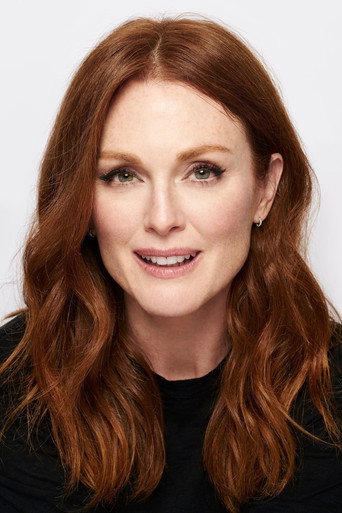 Julianne MooreCathy Whitaker
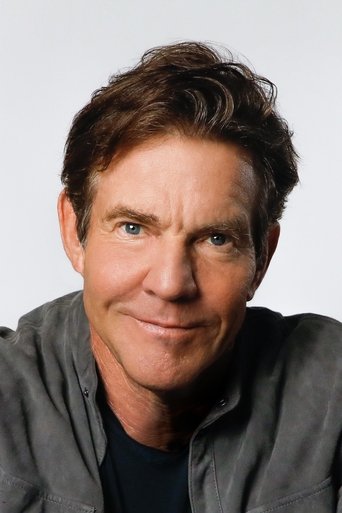 Dennis QuaidFrank Whitaker
 Dennis HaysbertRaymond Deagan
 Patricia ClarksonEleanor Fine
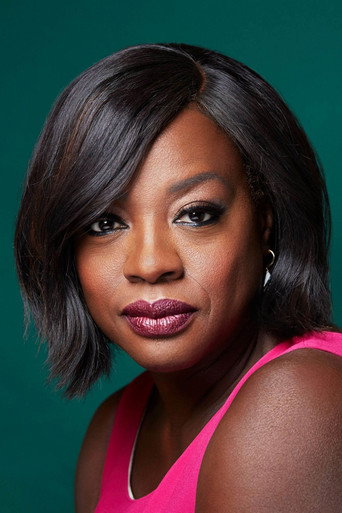 Viola DavisSybil
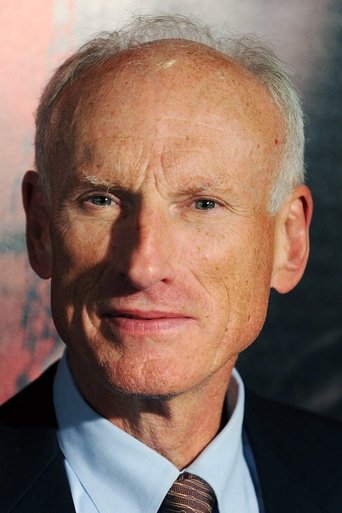 James RebhornDr. Bowman
 Bette HenritzeMrs. Leacock
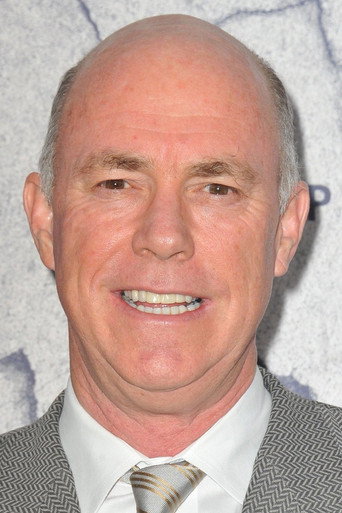 Michael GastonStan Fine
 Ryan WardDavid Whitaker
 Lindsay AndrettaJanice Whitaker
 Jordan Nia ElizabethSarah Deagan
- Kyle Timothy SmithBilly Hutchinson
Directing
- Todd HaynesDirector
- Timothy BirdFirst Assistant Director
- Peter ThorellSecond Assistant Director
- Kristal D. MoseleySecond Second Assistant Director
Writing
- Todd HaynesWriter
Production
- Brad SimpsonCo-Producer
- Eric RobisonExecutive Producer
- George ClooneyExecutive Producer
- John SlossExecutive Producer
- John WellsExecutive Producer
- Steven SoderberghExecutive Producer
- Tracy BrimmExecutive Producer
- Christine VachonProducer
- Jody PattonProducer
- Deb DyerProduction Accountant
Recommended by
Imitation of Life, Brooklyn, The Hours, All That Heaven Allows, Carol, Brokeback Mountain, Pleasantville, The Age of Innocence, Revolutionary Road, A Single Man, Little Children, The House of Mirth, I'm Not There