
Film
Memoirs of a Geisha
A sweeping visual epic about a girl sold into servitude who becomes a celebrated geisha in pre-war Kyoto. Sumptuous costumes, intricate choreography, and lush cinematography create an immersive, operatic experience. It's a story about survival, agency, and beauty extracted from pain—gorgeous and melancholic in equal measure.
If you liked this
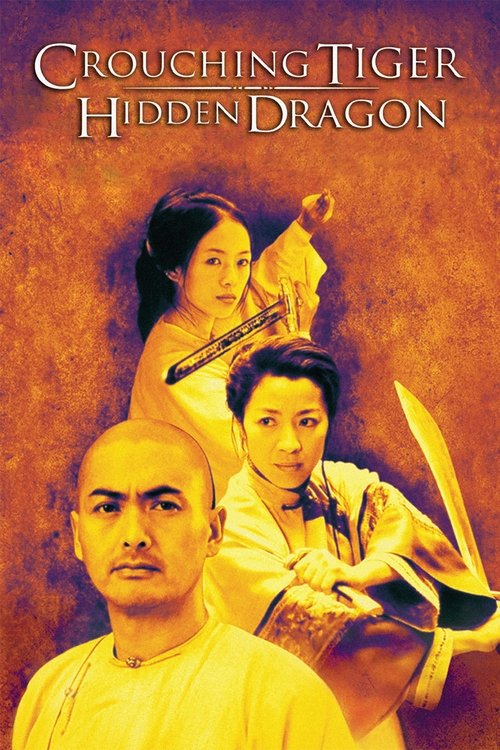
Crouching Tiger, Hidden Dragon2000
Like Geisha, it's a lavishly mounted historical drama with fluid martial grace, stunning costume design, and a female protagonist navigating between duty and desire. Both films are visual poems about honor and sacrifice.
But The martial arts sequences demand more suspension of disbelief than some viewers bring. The pacing is deliberately measured, not action-forward.
In the Mood for Love2000
Wong Kar-wai's exquisite meditation on longing, memory, and romantic possibility unfolds through color and geometry. Like Geisha, it privileges visual storytelling and emotional restraint over exposition, creating mood through composition.
But Plot is minimal and oblique. If you need clarity and forward momentum, you'll find this frustrating rather than hypnotic.

The Last Temptation of Christ1988
Both films center on a solitary figure caught between competing demands—faith and desire, duty and selfhood. Scorsese creates a similarly intimate emotional landscape despite the epic scale and period setting.
But The three-hour runtime is uncompromising. The film is deliberately provocative about matters of faith that some find objectionable.
Not sure tonight? Get a pick in a minute, starting from Memoirs of a Geisha
The wildcard
Something you would not have found on your own.
In the Realm of the Senses1976
Both examine how Japanese society in the early 20th century instrumentalized women's bodies, but Oshima refuses the visual romance Geisha offers. Together they form a conversation about whose story gets to be beautiful.
Nagisa Oshima's transgressive masterpiece also centers on a woman in service (a maid) and explores how desire and performance become indistinguishable under constraint. It's the unsparing counterpoint to Geisha's elegance—raw where Geisha is refined.
But It contains explicit sexual content and depicts real historical violence. The nihilism is total; there is no transcendence or beauty extracted from suffering, only suffering.
More like this (8)
A Passage to India1984
David Lean's sprawling colonial drama shares Geisha's concern with cultural collision, beauty amid constraint, and the psychological cost of serving others' expectations. The production design is equally meticulous.
But It's slow-moving and the central mystery doesn't resolve the way viewers expect. Some find the pacing of 1980s Lean exhausting.
Dangerous Liaisons1988
Both explore sophisticated power games and sexual performance within rigid social hierarchies. The elaborate costume design and moral ambiguity about complicity create a similar sense of beautiful entrapment.
But The tone is arch and intellectual rather than emotionally warm. The period setting is familiar if you've seen many costume dramas.

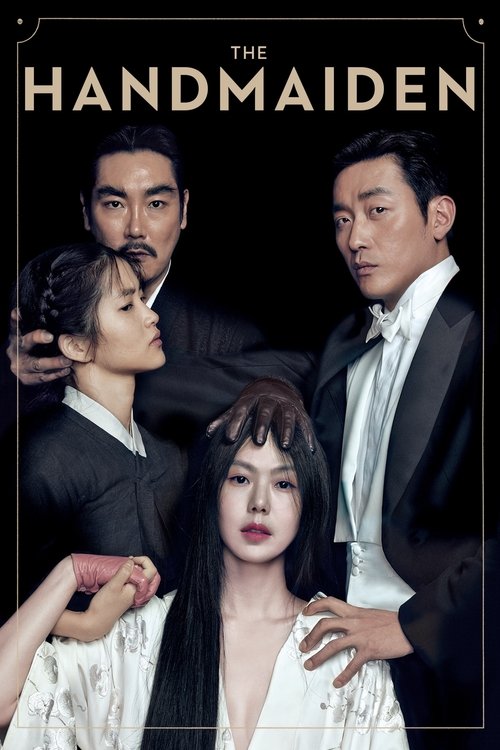
The Handmaiden2016
Park Chan-wook's audacious con film echoes Geisha's concerns with performance, hidden identity, and women using strategy to survive patriarchal systems. The craft is meticulous and the twists genuinely earned.
But The sexual content is explicit and central. If you prefer restraint over directness, this will feel different in register from Geisha.
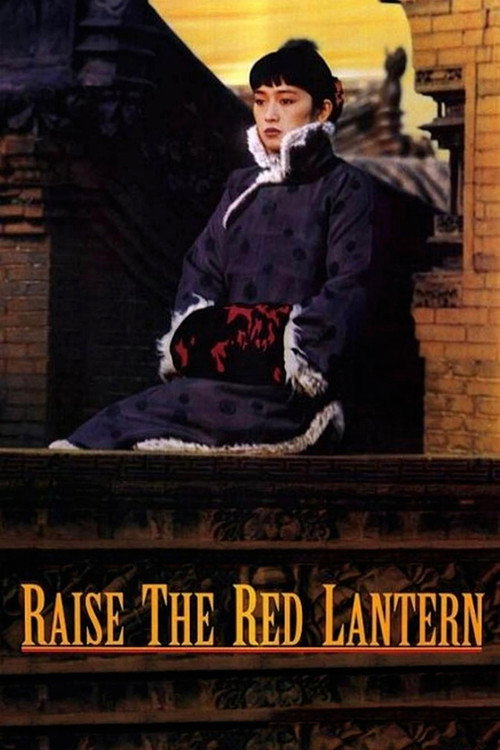
Raise the Red Lantern1991
Zhang Yimou's study of courtesans in a wealthy household mirrors Geisha's visual richness and exploration of women's circumscribed power within domestic hierarchies. Both are studies in complicity and small rebellions.
But The atmosphere is deliberately claustrophobic and the ending is bleak. It offers no redemptive arc.
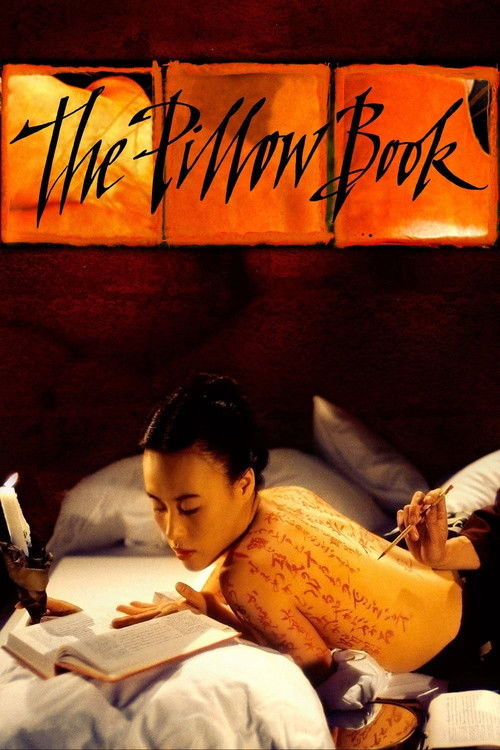
The Pillow Book1995
Peter Greenaway's avant-garde meditation on surfaces, bodies, text, and beauty uses Japanese aesthetics and literal visual layering to explore similar themes of bodies as texts to be read and written upon.
But It's deliberately experimental and fractured. The narrative is symbolic rather than linear, and the explicit sexual content is used provocatively.
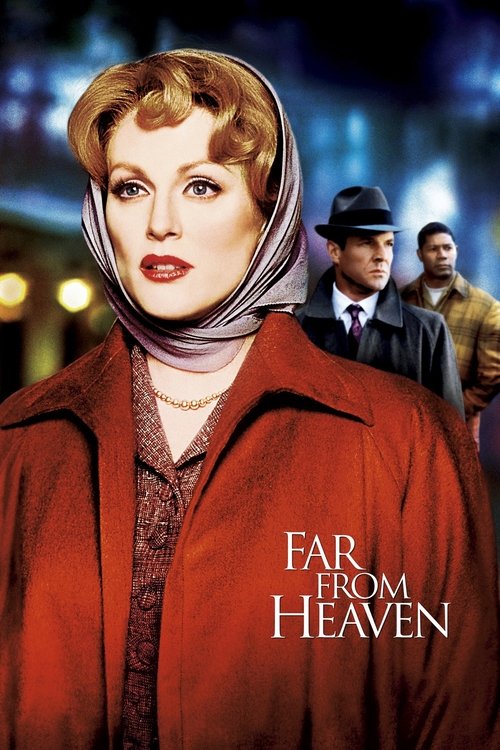
Far from Heaven2002
Todd Haynes crafts a Sirk-inspired 1950s melodrama about longing and performance within social constraint. Like Geisha, it's visually composed rather than naturalistic, and deeply interested in what people cannot say.
But The emotional distance Haynes maintains can read as cold. Some find the homage to Douglas Sirk more intellectually interesting than moving.
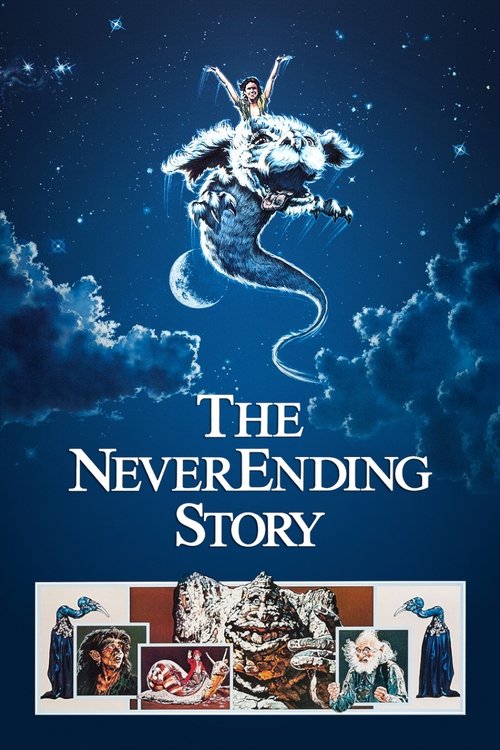
The NeverEnding Story1984
Both are immersive period works structured as escapist fantasies, where visual opulence and romantic longing are the real plot. Both ask: what do we owe to the stories that saved us?
This fantasy about imagination, books, and the power of stories to save us operates on the same emotional frequency as Memoirs: both are about escaping into a parallel world, about narrative as survival, about beauty as resistance to a grimdark reality.
But It's a children's film from the 1980s, visually dated with dated practical effects. The seriousness with which it treats fantasy sincerity reads as campy to many adults.
Stalker1979
Where Memoirs uses lush color and detail to evoke inner life, Stalker uses emptiness and silence for the same purpose. Both trust the viewer's emotional intelligence enough to leave the deepest things unnarrated.
Andrei Tarkovsky's science-fiction meditation on desire, pilgrimage, and the things we cannot speak of directly shares Memoirs' profound visual patience. Both films insist we sit with longing rather than resolve it, finding beauty in restraint and the unsaid.
But It's a slow, philosophical film with minimal plot. The three-hour runtime will test your tolerance for spiritual inquiry over narrative momentum.

People
Cast
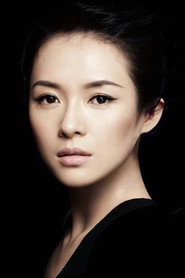 Zhang ZiyiSayuri
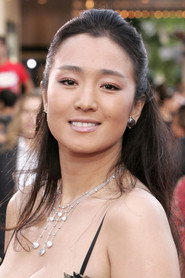 Gong LiHatsumomo
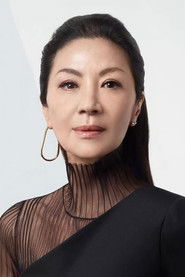 Michelle YeohMameha
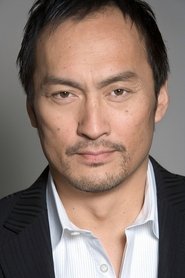 Ken WatanabeChairman
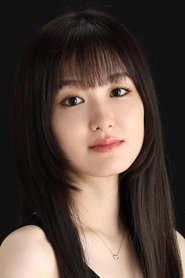 Suzuka OhgoChiyo
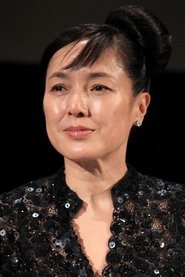 Kaori MomoiMother
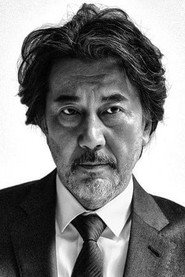 Koji YakushoNobu
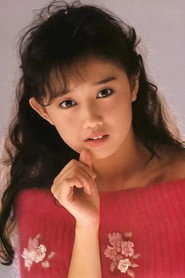 Youki KudohPumpkin
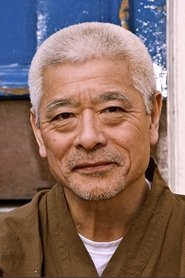 Togo IgawaTanaka
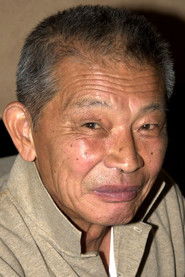 MakoSakamoto
 Samantha FutermanSatsu
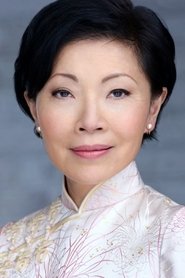 Elizabeth SungSakamoto's Wife
Directing
- Rob MarshallDirector
- Eric HeffronFirst Assistant Director
- Emi FukudaSecond Assistant Director
- Michael J. MooreSecond Assistant Director
- John DeLucaSecond Unit Director
Writing
- Arthur GoldenNovel
- Robin SwicordScreenplay
Production
- Francine MaislerCasting
- Nina HenningerCasting
- John DeLucaCo-Producer
- Bobby CohenExecutive Producer
- Gary BarberExecutive Producer
- Patricia WhitcherExecutive Producer
- Roger BirnbaumExecutive Producer
- Douglas WickProducer
- Lucy FisherProducer
- Steven SpielbergProducer
- Patricia WhitcherUnit Production Manager
Recommended by
Farewell My Concubine, Silk, Fashion, Music by John Williams, Madame Butterfly