
Film
Music by John Williams
- Musical
- Light-hearted
A documentary love letter to John Williams, the composer whose themes have scored a generation of childhoods and shaped modern cinema itself. It's a masterclass in musical craft, featuring Williams himself alongside Spielberg, Abrams, and others discussing his genius with genuine reverence. For anyone who's ever felt a film's emotion arrive through its score rather than its dialogue.
Should you watch it?
Watch it if you love knowing how a film's music gets made, and enjoy hearing a composer explain the choices behind scenes you already carry around in your head.
Skip it if you want a critical or probing account of Williams's life; this is warm, admiring and mostly takes his side, with famous collaborators offering praise more than pressure.
What it asks of you: Settle in for a little over ninety minutes of talk, piano and archive clips, with no real urgency, so it rewards patience more than close plot-following.
Not sure? Find tonight's pick in a minute.
If you liked this
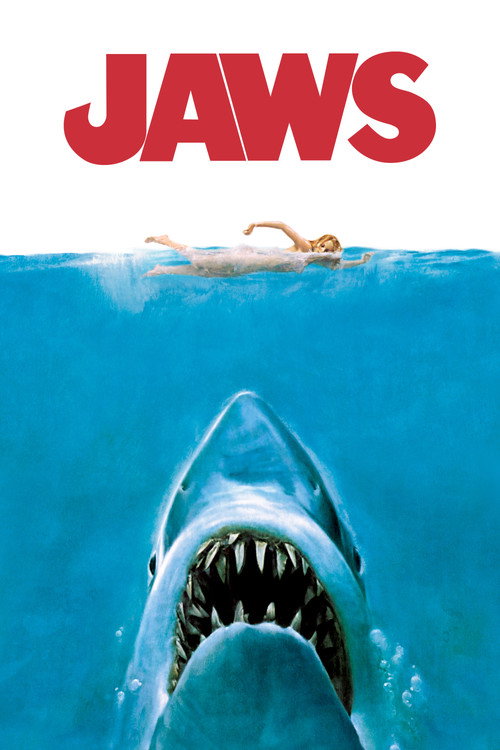
Jaws1975
The template for the modern thriller score—Williams' two-note theme became synonymous with terror itself. Watching it again after the documentary reveals how much of Spielberg's visual language is built on what the music is doing.
But It's fifty years old and the mechanical shark doesn't move like a shark. Neither problem matters once that theme kicks in, but if you need state-of-the-art effects, you'll be distracted.
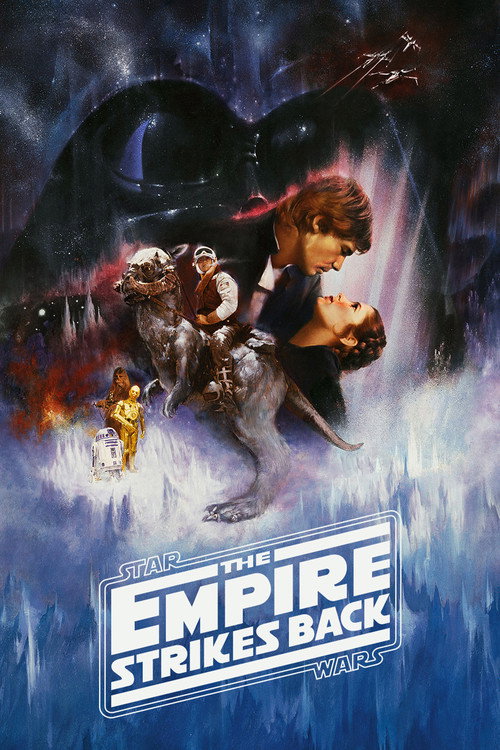
The Empire Strikes Back1980
Williams at his most inventive, with motifs for every character and faction. The score doesn't accompany the film—it IS the film. A perfect argument for why composers deserve the reverence actors get.
But If you're coming cold to the original trilogy expecting modern pacing or visuals, the '80s creep will catch you. The film is deliberate in a way contemporary blockbusters aren't.
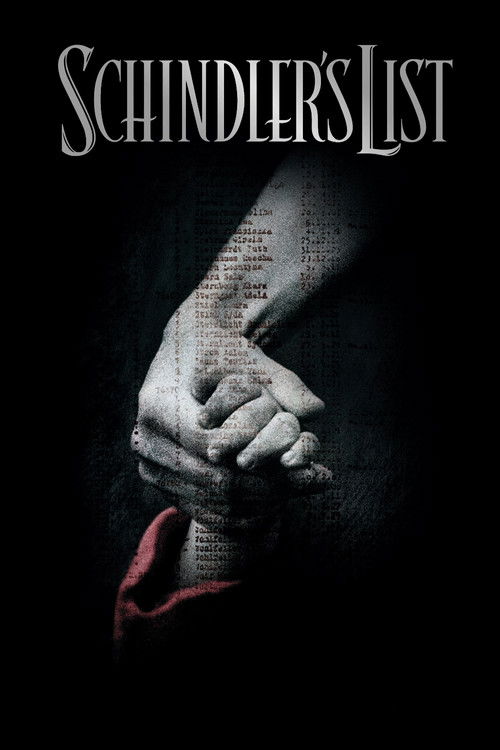
Schindler's List1993
Williams' most haunting and intimate work, a violin theme that breaks your heart because it's played with such naked restraint. The documentary shows Spielberg and Williams discussing how the music had to carry what images couldn't.
But It's a Holocaust film, and that subject matter demands emotional and mental readiness. There are no easy moments in this film, and the score intensifies rather than softens that.
Not sure tonight? Get a pick in a minute, starting from Music by John Williams
The wildcard
Something you would not have found on your own.
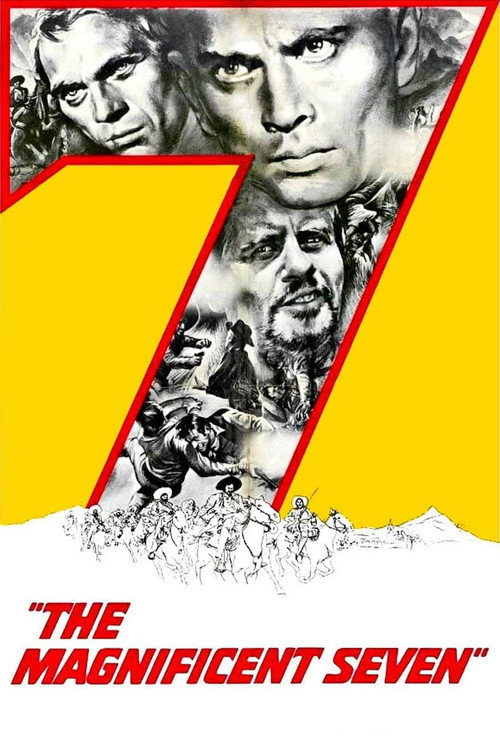
The Magnificent Seven1960
Where 'Music by John Williams' celebrates Williams' dominance of modern cinema, this shows the composer generation he learned from. Understanding Bernstein contextualizes Williams' entire achievement.
Elmer Bernstein's iconic Western score and the film around it—a structural ancestor to everything Williams learned about building a narrative through music. Watching it after the documentary, you'll see the lineage and understand where the DNA comes from.
But It's a '60s Western with gender politics that feel stuck in time, and the plot is pretty straightforward. The craft of the score is the point; if you need social commentary or psychological complexity, the film will bore you.
More like this (6)
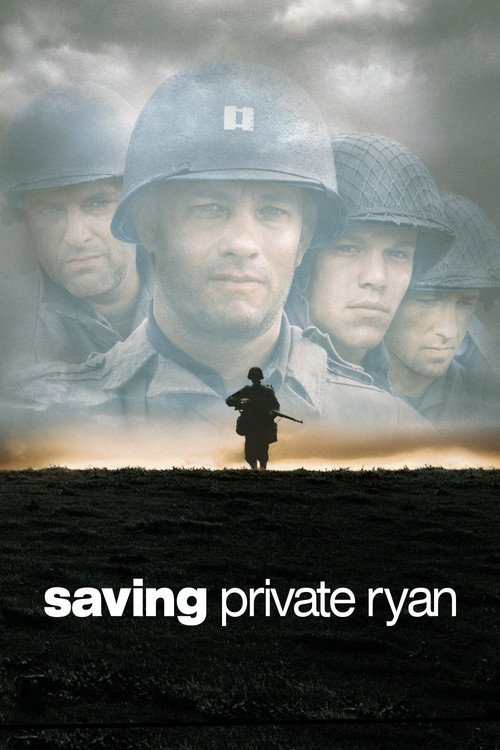
Saving Private Ryan1998
A demonstration of how Williams adapts his language for realism. The score is less grand and more human than his usual work, which makes it somehow more devastating. The documentary will have primed you to hear every choice.
But The opening thirty minutes of combat are violently realistic and sustained. If war violence triggers you, this won't ease up just because the score is beautiful.
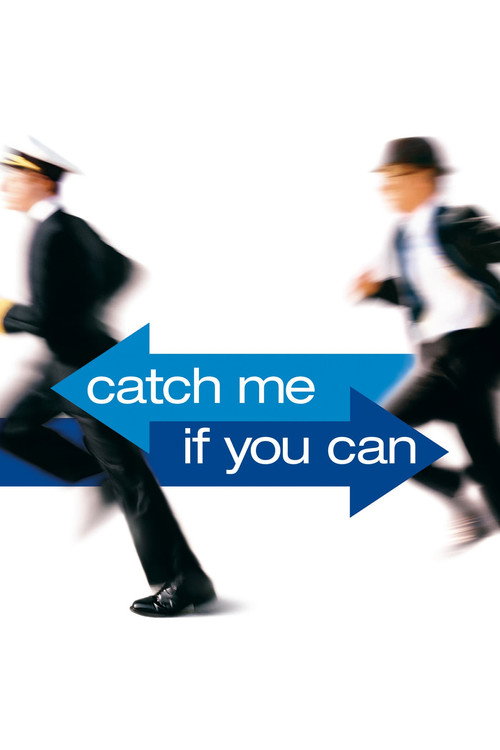
Catch Me If You Can2002
A lighter, jazzier Williams—playful and sophisticated in equal measure. It's the score that makes this Spielberg-DeCaprio film sing, and a perfect palate cleanser if you need to remind yourself Williams does elegance as well as he does wonder.
But The film itself is a bit surface-level, more charming than profound. If you want narrative depth alongside compositional brilliance, other recommendations serve you better.
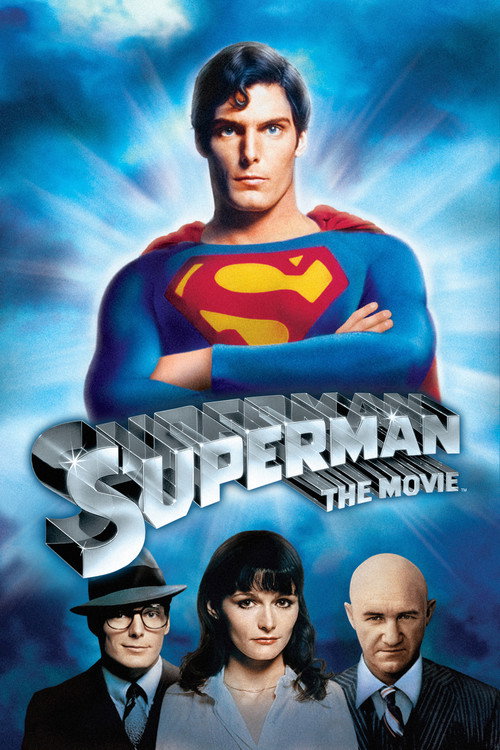
Superman1978
The Ur-superhero score, still unmatched in its grandeur and sincerity. Williams believed in Superman the way a seven-year-old does, and the music reflects that. It's pure cinema magic in orchestral form.
But The film is campy, and Reeve's performance requires you to meet it in a particular register. If you can't embrace earnest Superman, you'll fight the score instead of surrendering to it.
Memoirs of a Geisha2005
Williams writing about a culture not his own with total humility and respect, channeling Japanese aesthetics without appropriating them. The cinematography and score together create an atmosphere that feels transported rather than filmed.
But It's visually sumptuous but narratively thin, and some critics find it orientalist. The score is so ravishing you might miss that the film doesn't have much to say about its characters' interior lives.

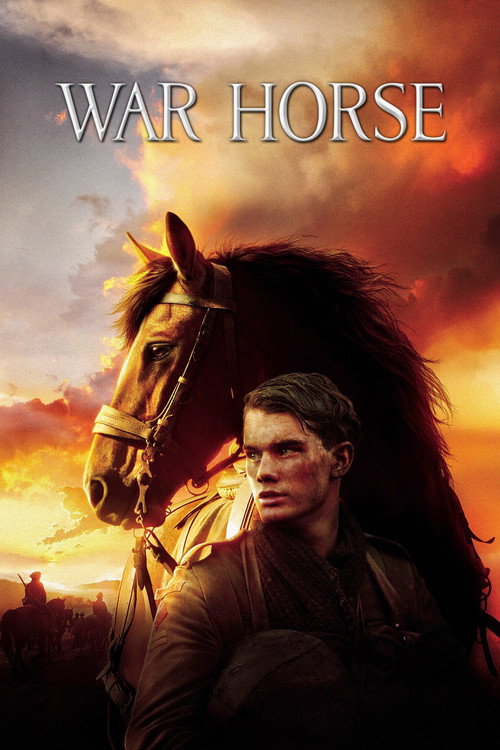
War Horse2011
Williams and Spielberg at their most unironically sentimental, about a boy and his horse in World War One. It shouldn't work this well, but the score makes you believe in both the loyalty and the tragedy.
But It's a film that wears its heart entirely on its sleeve. If sentiment feels manipulative rather than earned to you, this will feel like emotional blackmail set to strings.
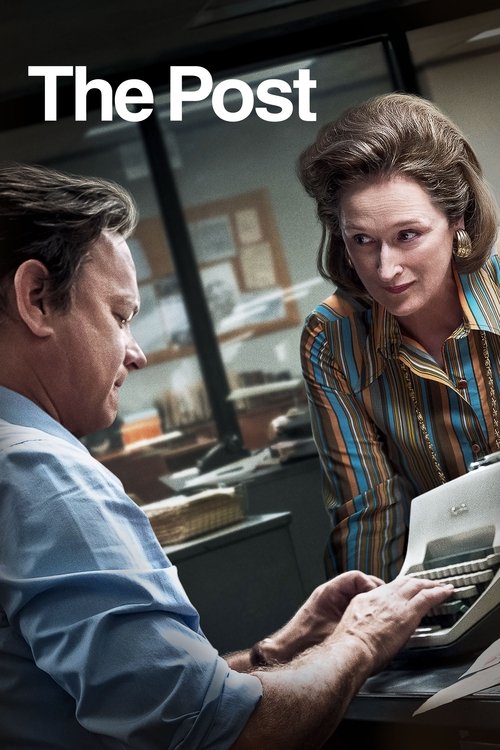
The Post2017
Williams' take on Watergate-era urgency: propulsive but thoughtful, the music keeping pace with Streep and Hanks without overshadowing them. A reminder that his gift is knowing when *not* to swell.
But It's a procedural about government, which is to say it's a talking film. The score is excellent but the dialogue has to carry weight too, and that's less universally engaging than a space opera.
People
Cast
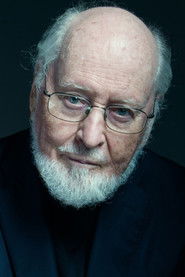 John WilliamsSelf - Composer
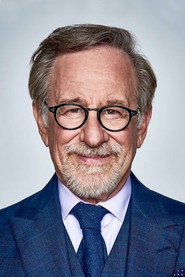 Steven SpielbergSelf - Filmmaker
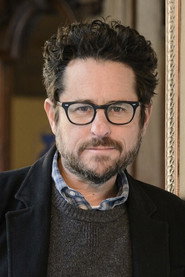 J.J. AbramsSelf - Filmmaker
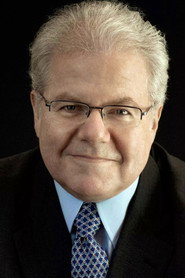 Emanuel AxSelf - Pianist
 Kate CapshawSelf - Actor / Wife of Steven Spielberg
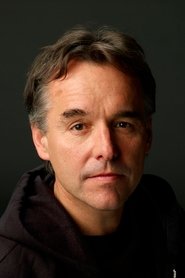 Chris ColumbusSelf - Filmmaker
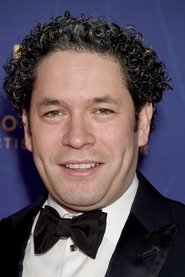 Gustavo DudamelSelf - Composer / Conductor, LA Phil
- Ethan GruskaSelf - Record Producer / Grandson of John Williams
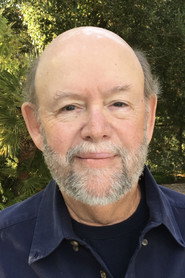 Paul HirschSelf - Editor
- Javier C. HernándezSelf - Culture Reporter, The New York Times
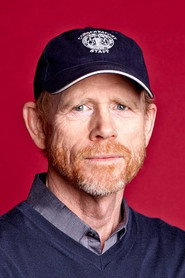 Ron HowardSelf - Filmmaker
- Thomas HootenSelf - Principal Trumpet, LA Phil
Directing
- Laurent BouzereauDirector
Production
- Eric M. KleinAdditional Post-Production Supervisor
- Anna YeagerCo-Producer
- Jacqui LopezCo-Producer
- Markus KeithExecutive Producer
- Michael RosenbergExecutive Producer
- Ryan CarliLine Producer
- Ben HaslerOther
- Nicole PalermoPost Coordinator
- Brian GrazerProducer
- Darryl FrankProducer
- Frank MarshallProducer
- Justin FalveyProducer
- Justin WilkesProducer
- Kathleen KennedyProducer
- Laurent BouzereauProducer
- Meredith KaulfersProducer
- Ron HowardProducer
- Sara BernsteinProducer
- Steven SpielbergProducer
- Ashley DeckerProduction Accountant
- Brandon VictorianoProduction Assistant
- Dave LysonskiProduction Assistant
- Eliot KerstenProduction Assistant
- Sierra 'Scotty' ScottProduction Assistant
- Zak ArctanderProduction Assistant
- Beau GainesProduction Coordinator
- Daniel LindeenProduction Coordinator