
Film
The Pillow Book
- Drama
- Very dark
- Strange
Peter Greenaway's densely layered erotic drama uses the human body as a canvas for text, desire, and vengeance. Gorgeously composed and deliberately artificial, it's a film about obsession and control that rewards patient viewers willing to swim in its visual and philosophical depths. For those who find meaning in form itself.
Should you watch it?
Watch it if you love films that treat the page, the body and a lover's handwriting as one sensual object, and you don't mind a story that drifts in dreamlike, ornamental images.
Skip it if you want a romance that stays grounded and restrained, since its erotic imagery is frank, often explicit, and sits at the centre of nearly every scene.
What it asks of you: It runs just over two hours at a patient, lingering pace, with jumps between past and present, so settle into its rhythm rather than chase a tidy plot.
Not sure? Find tonight's pick in a minute.
If you liked this
In the Mood for Love2000
Wong Kar-wai's meditation on desire and missed connection through impossibly beautiful framing and colour. Like Greenaway, every shot is composed as painting; like Pillow Book, repressed passion becomes the entire world.
But Deliberately slow and melancholic, with a plot you could describe in a sentence. Patience is not optional.

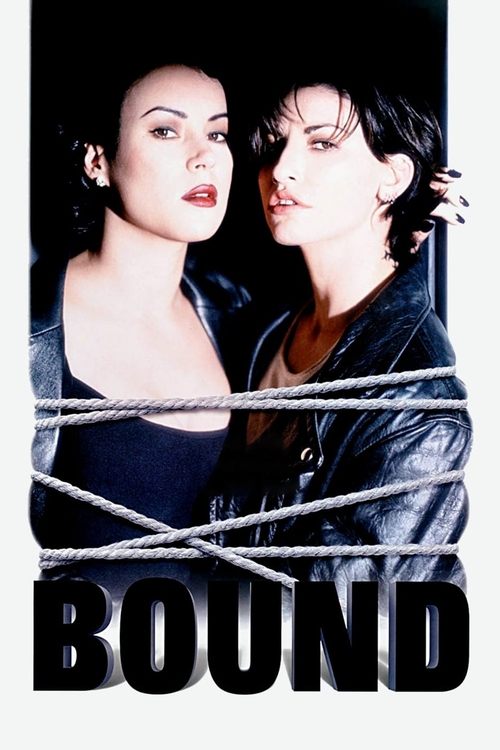
Bound1996
The Wachowskis' stylish noir about desire, manipulation, and bodies in confined spaces. Erotic without being exploitative, visually inventive, and genuinely tense. A film that trusts its audience's intelligence.
But The sapphic content may have dated some of its cultural moment, and the plot turns on mechanics rather than feeling.
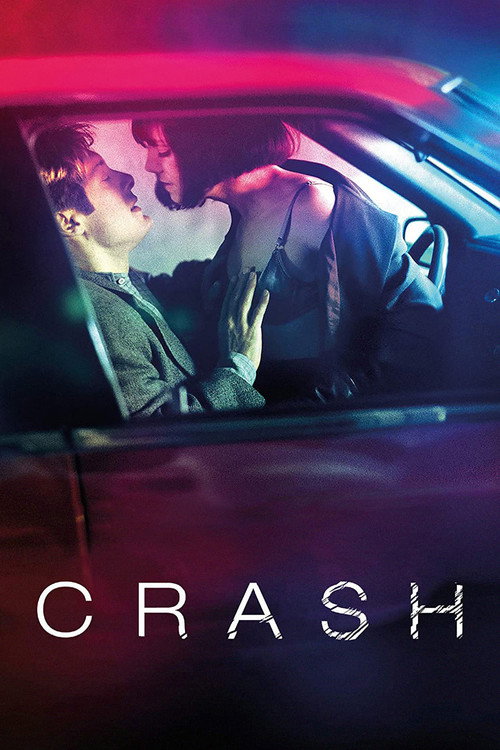
Crash1996
Cronenberg's adaptation of Ballard finds extreme eroticism in the collision of bodies and machinery. Provocative, formally daring, and unapologetic about its transgressive subject. Cinema as provocation taken seriously.
But The sexual content is explicit and genuinely disturbing. Many will find it repellent rather than fascinating, and that's a legitimate response.
Not sure tonight? Get a pick in a minute, starting from The Pillow Book
The wildcard
Something you would not have found on your own.
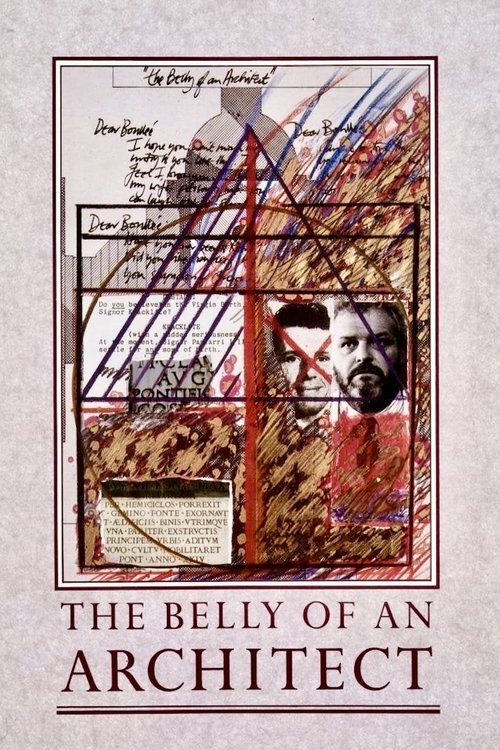
The Belly of an Architect1987
Both use the body as text and surface; both treat desire as an act of reading and writing. But this one lets you see how Greenaway thinks without the erotic charge obscuring the machinery.
Greenaway's earlier film shares the obsession with surface and text, but channels it through architecture and the male body under surveillance. Same DNA, different face: seeing Greenaway's method clarified elsewhere.
But More male-centred and colder than Pillow Book. Some find it more conceptual and less emotionally accessible, even by Greenaway standards.
More like this (7)
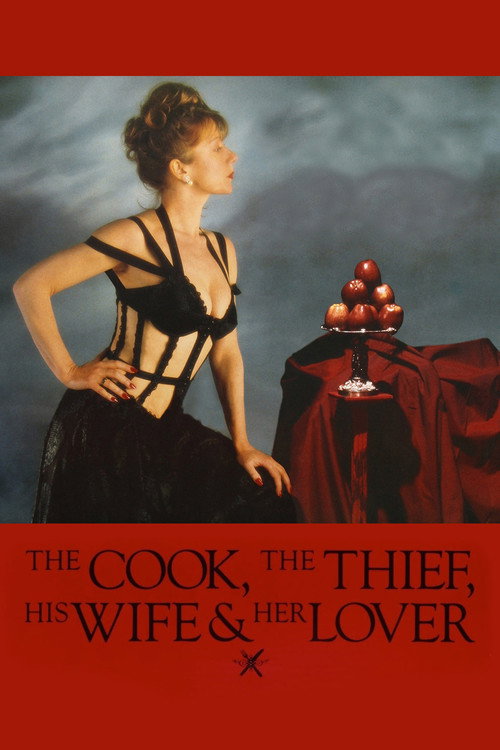
The Cook, the Thief, His Wife & Her Lover1989
Greenaway's earlier masterpiece: baroque excess, sumptuous colour, violence and eroticism braided together. If Pillow Book intrigues you, this brutal fairy tale will confirm whether Greenaway's vision speaks to you.
But It's nastier and more unpleasant than Pillow Book. The sexual violence is real, not metaphorical, and some find that self-indulgent.
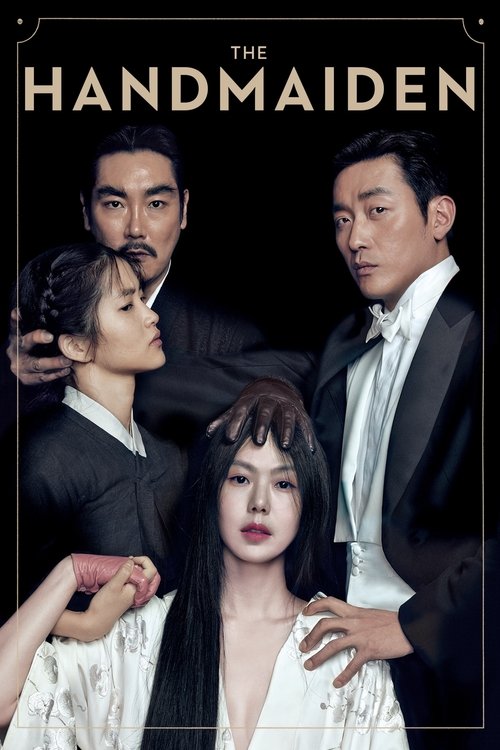
The Handmaiden2016
Park Chan-wook's intricate game of desire, deception, and female agency set in colonial Korea. Sumptuous, clever, and genuinely erotic in ways that serve the characters rather than the camera's gaze.
But The middle section shifts tone abruptly and some find the nested narratives overly mechanical. The final act divides viewers sharply.
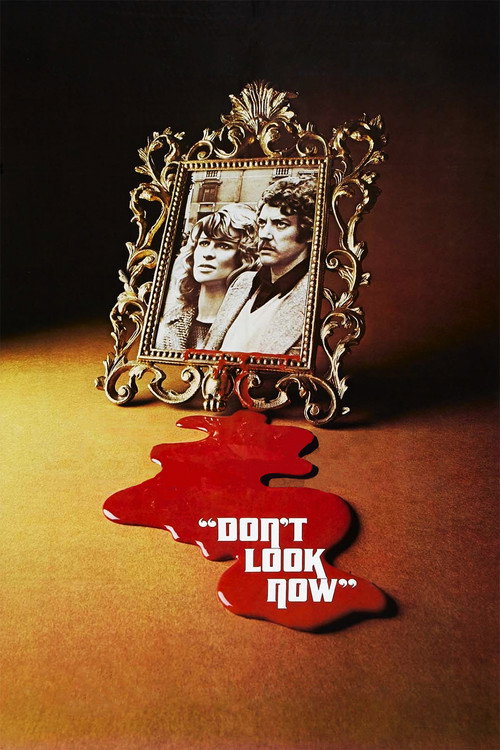
Don't Look Now1973
Roeg's masterpiece about grief masquerading as mystery, Venice as character, and desire as a force that distorts perception. Formally inventive and deeply unsettling in ways that linger.
But The pacing is deliberately frustrating and the ending has become famous enough that surprise is impossible. Some find the ambiguity maddening rather than profound.
Mulholland Drive2001
Lynch's Los Angeles fever dream about desire, identity, and the machinery of cinema. Constructed like a puzzle box; rewarding obsessive viewers while remaining genuinely moving beneath the formal games.
But Three hours of deliberate confusion. If you need clarity before feeling, this will exhaust rather than enchant you.

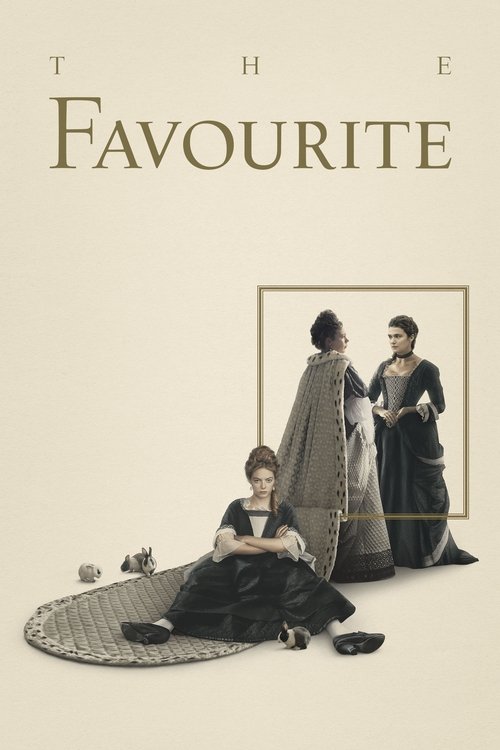
The Favourite2018
Yorgos Lanthimos brings the same formal control and queasy eroticism to 18th-century court politics. Power, desire, and loyalty weaponized through bodies and proximity. Funny and genuinely strange.
But The tonal whiplash between comedy and cruelty bothers some. The anarchic energy may feel scattered rather than purposeful.
A Ghost Story2017
Lowery's haunting meditation on time, love, and loss uses radical formal simplicity to achieve profound strangeness. A film about presence and absence that respects both equally.
But Deliberately slow, melancholic, and conceptual. The central conceit will alienate those seeking conventional emotional connection.

The Turin Horse2011
Pillow Book is about desire burning brightly through surfaces; Turin Horse is about those same surfaces calcifying into dust. Both filmmakers believe form is everything and content flows from form. Both respect the viewer enough to refuse easy answers.
Béla Tarr's final film: colour, decay, repetition, and the collapse of everything. Bleak and hypnotic, it shares Pillow Book's obsession with surfaces and degradation, but strips away eros entirely. The inverse move.
But Genuinely bleak, repetitive, and offer no comfort. It's a film about endings with no redemption. Not remotely fun or beautiful in any comforting way.

People
Cast
 Vivian WuNagiko
 Yoshi OidaThe Publisher
 Ken OgataThe Father
 Hideko YoshidaThe Aunt / The Maid
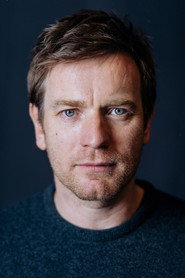 Ewan McGregorJerome
- Yutaka HondaHoki
 Judy OnggThe Mother
 Ken MitsuishiThe Husband
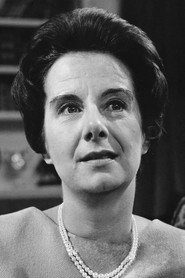 Barbara LottJerome's Mother
 Lynne LangdonJerome's sister
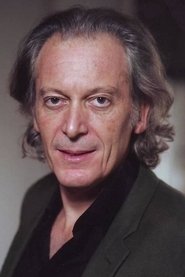 Ronald GuttmanCalligrapher
Directing
- Peter GreenawayDirector
Writing
- Peter GreenawayWriter
- Sei ShonagonWriter
Production
- Abi CohenCasting
- Aimi OCasting
- Carrie O'BrienCasting
- Hitomi IshiharaCasting
- Liora ReichCasting
- Denis WigmanExecutive Producer
- Jean-Louis PielExecutive Producer
- Terry GlinwoodExecutive Producer
- Tom ReeveExecutive Producer
- Kees KasanderProducer
Recommended by
The Assassin, In the Realm of the Senses, Memoirs of a Geisha, M. Butterfly, Keats and His Nightingale: A Blind Date, The Empress of China, A Snake of June, O Dreamland, A Zed & Two Noughts, Bandhan