
Film
A Snake of June
- Drama
- Very dark
A claustrophobic Japanese thriller about desire and control. Rinko, trapped in a passionless marriage, is blackmailed into increasingly transgressive acts by an unseen stalker. Shinya Tsukamoto's film is visually audacious and deeply uncomfortable—eroticism twisted into something predatory and strange. For viewers ready to sit with real unease.
Should you watch it?
Watch it if you are drawn to films that treat desire as a sickness of the senses, where rain-drenched, bluish images and a tight focus on one woman's unraveling matter more than plot logic.
Skip it if you want your erotic thrillers to move briskly, since this one is hushed, slow and deliberately repetitive, with long stretches of stillness that can feel like waiting.
What it asks of you: Under eighty minutes, but unhurried: it lingers on rain, skin and silence, and wants you to sit with discomfort rather than be entertained by it.
Not sure? Find tonight's pick in a minute.
If you liked this
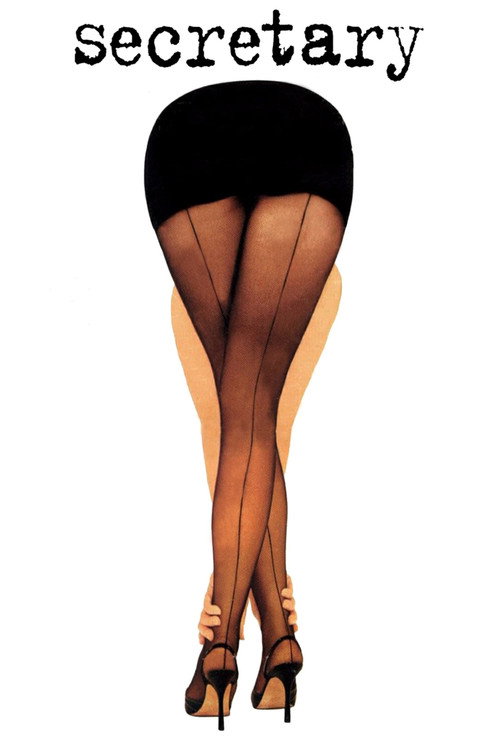
Secretary2002
A similarly transgressive romance where power dynamics and desire complicate everything. Lee Holloway and her boss navigate consent and control with dark humour and genuine tenderness beneath the kink.
But The erotic content is explicit and the power imbalance may feel exploitative even as the film interrogates it. Not for viewers uncomfortable with BDSM themes.
In the Mood for Love2000
Wong Kar-wai's masterpiece about repressed desire and the sensuality of restraint. Two neighbours discover their spouses are having an affair, and their tentative connection unfolds across sumptuous frames and longing glances.
But Glacially paced and more interested in mood than plot. If you want narrative momentum or dialogue-heavy storytelling, this will feel like watching paint dry in a silk dress.

Mulholland Drive2001
David Lynch's Hollywood nightmare is equally obsessed with surface and corruption beneath. A woman loses her memory after a car crash; the film fragments into dream logic and fractured identity, desire and betrayal woven throughout.
But Deliberately confusing and long. It rewards repeat viewings but punishes passive watching, and the ending may feel deliberately withholding rather than satisfying.

Not sure tonight? Get a pick in a minute, starting from A Snake of June
The wildcard
Something you would not have found on your own.
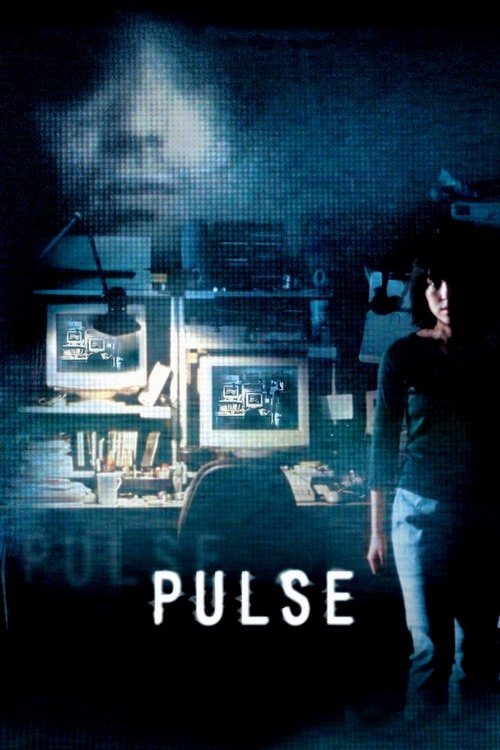
Pulse2001
Both films use voyeurism and digital intrusion as metaphors for the erosion of privacy and self. Both are formally cold and precise about intimacy as violation.
Kiyoshi Kurosawa's horror masterpiece about people connecting to something inhuman via the internet. Like A Snake of June, it uses technology to collapse the distance between desire and violation, private and exposed. Ghosts reach through screens; loneliness becomes contagion.
But Japanese horror syntax—long static shots, muted colour, minimal score—requires patience. And it's ultimately hopeless in ways that offer no catharsis, only dread.
More like this (8)
Bitter Lake2015
Nagisa Oshima's final film, also Japanese, grapples with desire, illness, and the body's betrayals. A love story that refuses sentiment, shot with stark intimacy and refracted through delirium and fever.
But Oshima made this while dying, and the suffering is visible and raw. It's more essay than narrative, and the sexual content is frank in ways that may feel gratuitous.
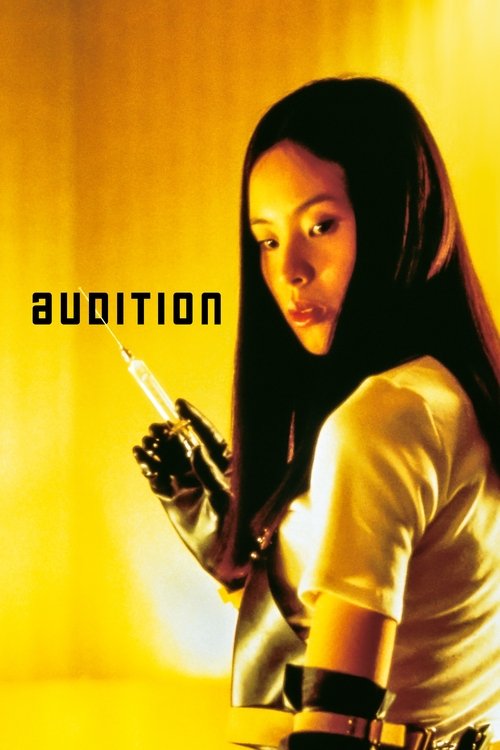
Audition2000
Takashi Miike's masterwork of male fantasy colliding with female agency. A widower holds auditions to find a new wife; the film shifts from romantic comedy to torture nightmare with chilling precision.
But Extremely graphic violence, particularly against women. The tonal whiplash is intentional but brutal, and some viewers will feel the film exploits rather than critiques its subject.
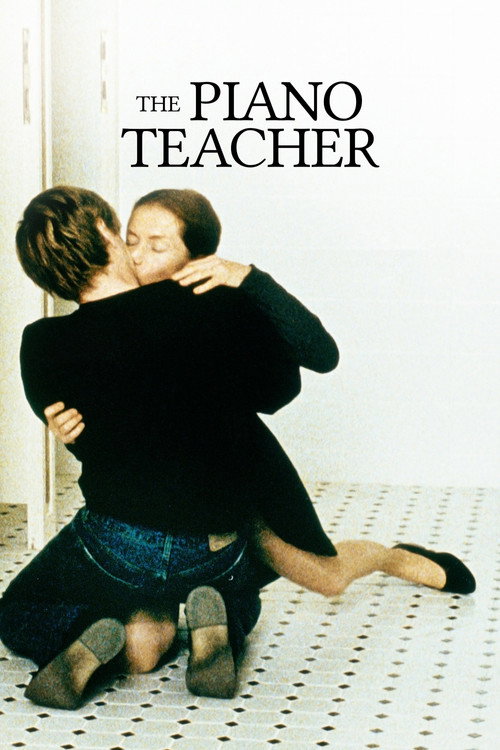
The Piano Teacher2001
Michael Haneke's portrait of a repressed piano teacher whose desire explodes when she meets a younger student. Erica's need for control and humiliation becomes visible, flinching and unflinching at once.
But Depicts self-harm, sexual coercion, and humiliation without softening any of it. Haneke's clinical distance can feel cold rather than revelatory, and the finale offers no redemption.
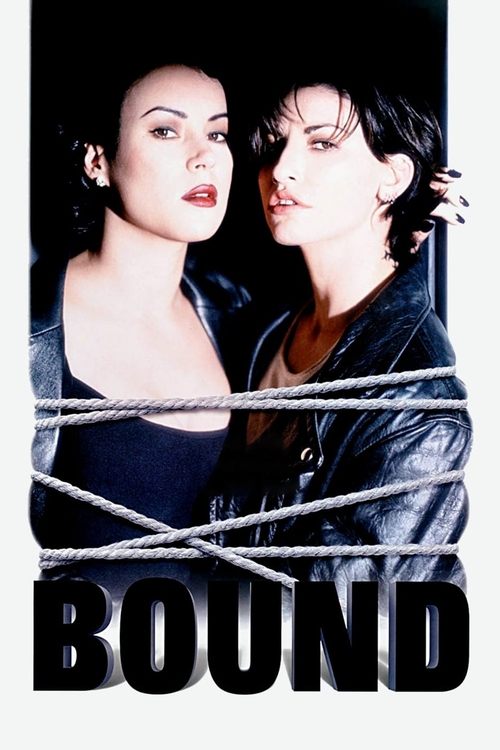
Bound1996
The Wachowskis' lesbian neo-noir is sleek and erotic, about a woman and a mobster's wife plotting heist and escape. Visually inventive, genuinely sexy, and far smarter than its plot suggests.
But The 90s visual style has dated somewhat, and if you're looking for depth over style and thrills, the script won't hold up your weight.
Come and See1985
Elem Klimov's apocalyptic war film uses sound and image to assault the viewer into understanding atrocity. A boy witnesses the total annihilation of his village; the film is an endurance test that justifies itself.
But One of the most traumatic films ever made. Not for sensitive viewers, not for casual viewing, and not something you'll enjoy—something you'll survive and be changed by.

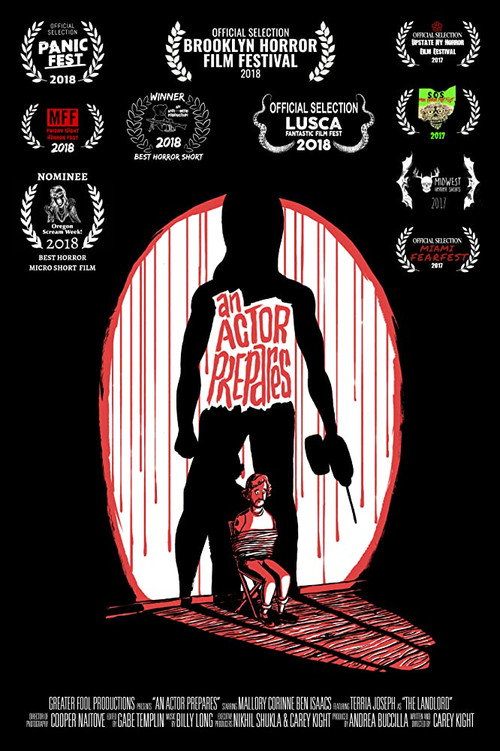
An Actor Prepares2017
A methodical psychological thriller about an ageing actor obsessed with his much younger co-star. Slowly the camera reveals his delusions; reality and fantasy unspool in ways that echo A Snake of June's stalker paranoia.
But Slow-burn and deliberately flat. The acting is intentionally stilted, and if you're looking for naturalism or warmth, this offers none.
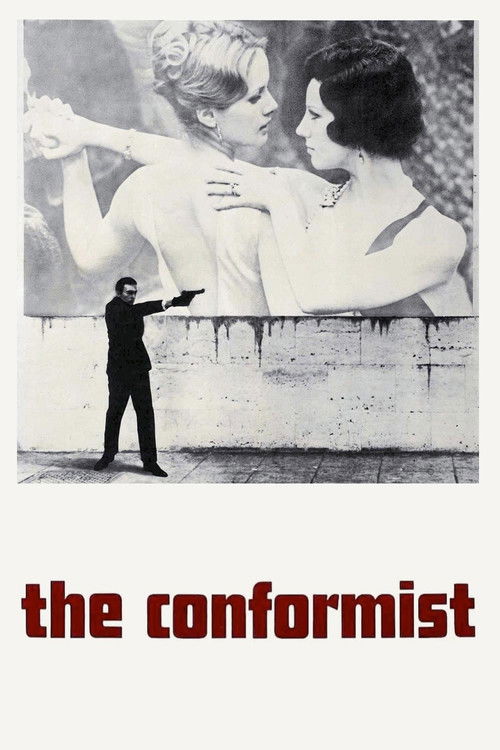
The Conformist1971
Both centre on a protagonist unable to resist psychological manipulation. Both explore how desire becomes weaponized and how the self fractures under pressure. Both suggest that capitulation—to desire, to power—can feel like freedom.
Bernardo Bertolucci's Fascist thriller follows a man attempting to erase his desire and individuality to fit the state. Visually sumptuous, architecturally obsessed, it captures the erotics of control and submission with baroque precision. Politics become personal; ideology becomes flesh.
But Made in 1970 and steeped in mid-century Continental cinema. Long, formally demanding, with an analytical rather than emotional register. And it ends ambiguously without resolution.
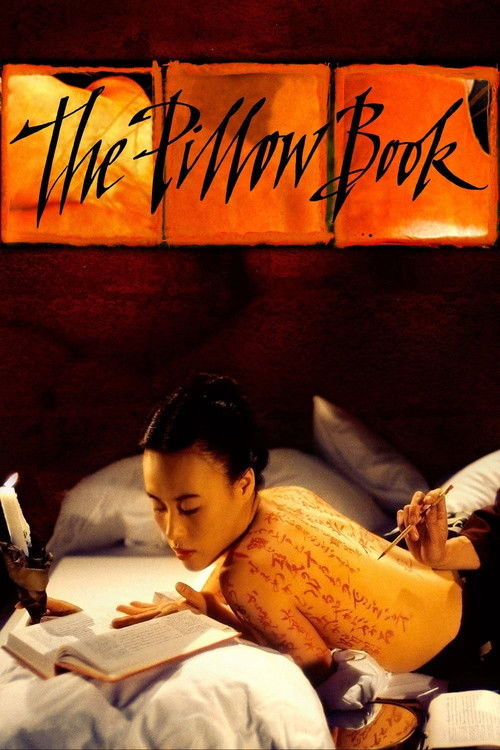
The Pillow Book1995
Both use non-linear structure and visual excess to render erotic compulsion. Both resist conventional storytelling in favour of sensation and idea. Both treat the body as text, to be read and rewritten by forces beyond the self.
Peter Greenaway's avant-garde experiment in eros and text. A woman's lover uses her body as a canvas for calligraphy; desire, language, and the body become inseparable. Dazzling, perverse, unapologetically artificial, and structured like a book rather than a film.
But Greenaway's aestheticism overwhelms narrative. The images are deliberately fetishistic and the approach is cool rather than passionate. Some will find it pretentious; others will find it magnificent.
People
Cast
 Asuka KurosawaRinko Tatsumi
 Shinya TsukamotoMichiro Iguchi
 Susumu TerajimaPoliceman
 Takuji SuzukiRinko's Colleague
 Mansaku FuwaHouse Owner
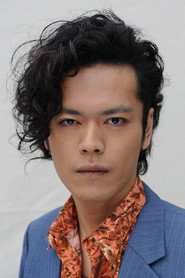 Masato TsujiokaStalker
 Tomorowo TaguchiEditor-in-Chief
- Yûji KôtariShigehiko Tatsumi
 Ikko SuzukiSex Toy Store Clerk
 Hiromi KanayaHostess
- Teruko HanaharaShigehiko's Mother
- Shûji ÔtsukiAdult Magazine Photographer