
Film
Keats and His Nightingale: A Blind Date
A 1985 Academy Award-nominated short that uses animation, archival material, and wit to explore John Keats' obsession with a nightingale—and what that obsession reveals about poetry, mortality, and our hunger for transcendence. Playful but serious, erudite without pretension. For anyone who's ever felt utterly moved by a poem and wondered why.
Should you watch it?
Watch it if you love literary curiosity about how a poem lives in an ordinary person's head, and you're happy with a small, talky film that works in plain, patient strokes.
Skip it if you want a documentary with momentum, since this is a slow half-hour built around reading and reflection rather than a clear story arc.
What it asks of you: Half an hour long, and it moves at a reflective pace, so you'll need to sit still and let the verse and the questions settle.
Not sure? Find tonight's pick in a minute.
If you liked this
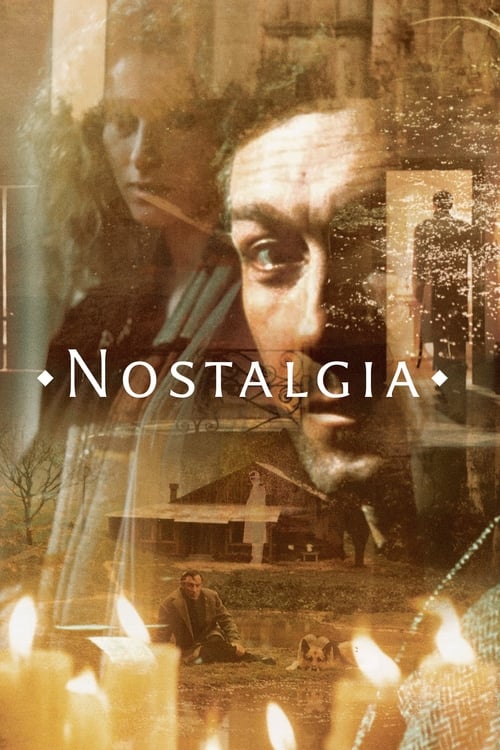
Nostalgia1983
Tarkovsky's meditative masterpiece about memory, loss, and the struggle to hold onto meaning. Moves with glacial patience toward moments of crushing emotional clarity—the kind Keats understood deeply.
But Three hours of very slow cinema in muted colours. There are no conventional story beats, and silence can feel like waiting.
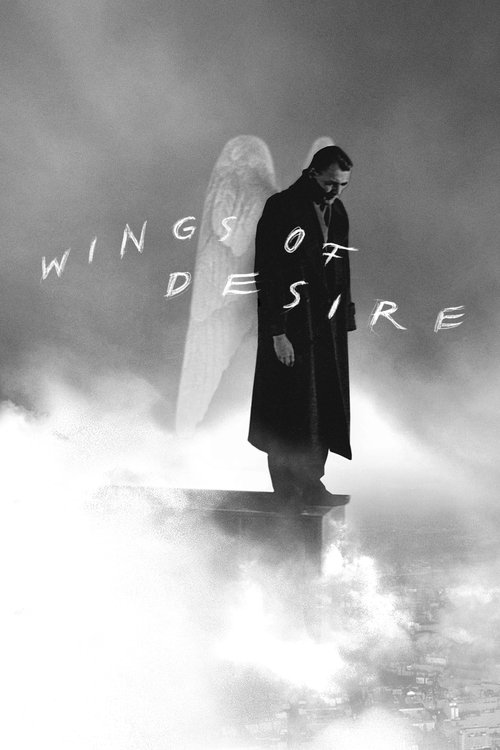
Wings of Desire1987
Wim Wenders' Berlin elegy about angels watching humanity from above. Saturated with the longing for connection, the ache of witness, the beauty hiding in ordinary moments. Pure Keatsian melancholy.
But Deliberately dreamlike and fractured. It's not interested in plot momentum or clear answers.
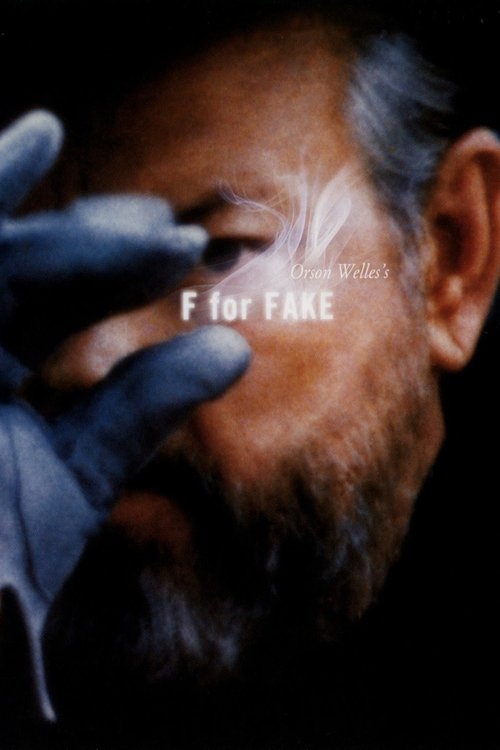
F for Fake1973
Orson Welles essays on art, forgery, and truth in a dazzling 86 minutes. Witty, digressive, deeply felt—proof that documentary can be as formally inventive and playful as poetry.
But Structurally chaotic and sometimes hard to follow. Welles assumes you're keeping up with every thread.
Not sure tonight? Get a pick in a minute, starting from Keats and His Nightingale: A Blind Date
The wildcard
Something you would not have found on your own.
Synecdoche, New York2008
Both use art—poetry, theatre—as a lens to examine mortality and the impossible desire to freeze or perfect life before it slips away.
Charlie Kaufman's labyrinthine film about a theatre director building a life-sized replica of New York inside a warehouse. Like Keats, it's about art becoming a substitute for living, obsession metastasizing into madness. Formally daring, achingly human.
But Confusing, digressive, and emotionally demanding. The logic is dream-logic, and the ending offers no comfort.

More like this (7)
Night and Fog1956
Alain Resnais' 32-minute masterwork on the Holocaust, made with devastating precision and restraint. Confronts what it means to bear witness to unbearable things.
But Extraordinarily difficult. It moves past shock into something colder and more final.

Sans Soleil1983
Chris Marker's essay-documentary about memory, time, and distance. Digressive, associative, sometimes funny—it moves like thought itself, skipping between Tokyo, Iceland, Africa.
But Abstract and non-linear. If you need a clear thesis delivered front-and-centre, this won't give it to you.

Meshes of the Afternoon1943
Maya Deren's 14-minute avant-garde film poem about obsession and repetition. Hypnotic and strange, it shows how cinema can capture states of mind rather than plot.
But Very experimental, very short, and deliberately cryptic. It's more like experiencing a fever dream than watching a story.

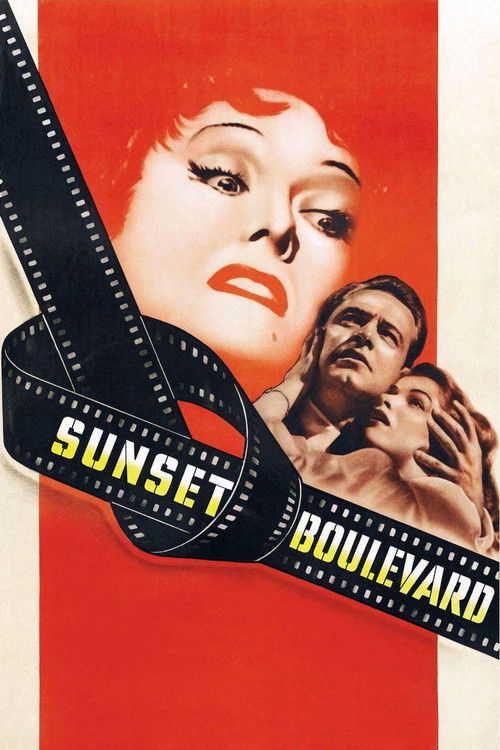
Sunset Boulevard1950
Billy Wilder's pitch-black Hollywood tragedy about a fading silent-film star. That hunger for transcendence and relevance, turning poisonous—it's what happens when beauty obsesses alone.
But Cynical and dark in a way that can feel suffocating. There's almost no one to root for.
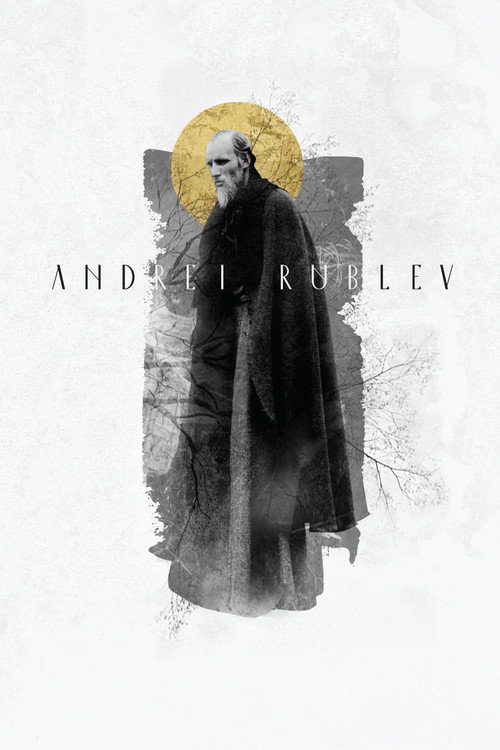
Andrei Rublev1966
Tarkovsky's three-hour epic about a Russian icon painter wrestling with faith, creation, and silence. Monumental meditation on what it costs to make beauty in a brutal world.
But Extremely long, austere, and repetitive. Dialogue is sparse and the pacing will feel glacial to modern eyes.
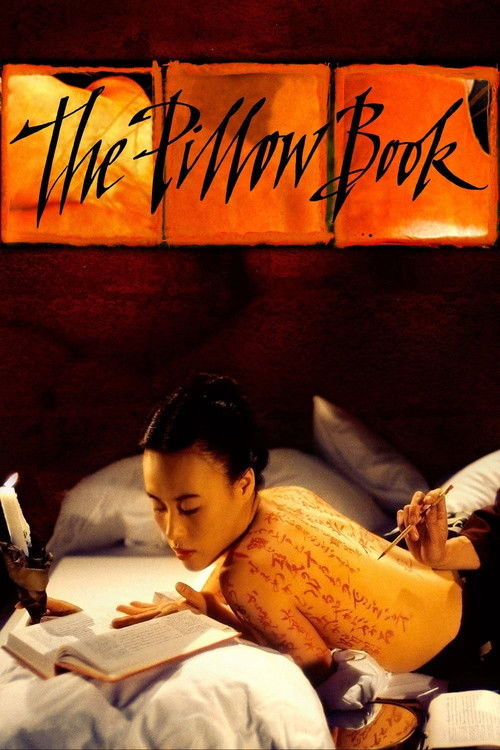
The Pillow Book1995
Like Keats' nightingale, it asks what we're really longing for when we long for art—and how eros and literature are the same hunger under different names.
Peter Greenaway's visually baroque essay-film about a 10th-century Japanese noblewoman's writings, intercut with a contemporary love story filmed on and across human bodies. Extravagantly playful about how text, image, and desire entangle. A documentary that is also art installation.
But Aggressively stylized and sexually explicit. The narrative is deliberately fragmented, and the density of visual information can be overwhelming.
Bicycle Thieves1948
Both suggest that the deepest truths come not from grand gestures but from patient attention to small, ordinary things that hurt.
Vittorio De Sica's neorealist masterpiece about a father and son searching Rome for a stolen bicycle. No plot twists, no drama—just two people moving through a city, and the slow recognition that meaning isn't found, it's made. Devastatingly simple.
But Relentlessly bleak and undramatic. Nothing is resolved, nothing is transcendent, and the ending offers only deeper sadness.
