
Film
Bandhan
Other titles called Bandhan: the 1940 film, the 1998 film.
Bandhan is a 1991 Marathi drama that interrogates marriage through Pramila's fierce skepticism. She enters matrimony not from love but as ideological proof—that women need not become subservient to their husbands. What emerges is a portrait of two people negotiating partnership, dignity, and what it means to choose each other daily. Intelligent and emotionally serious.
If you liked this
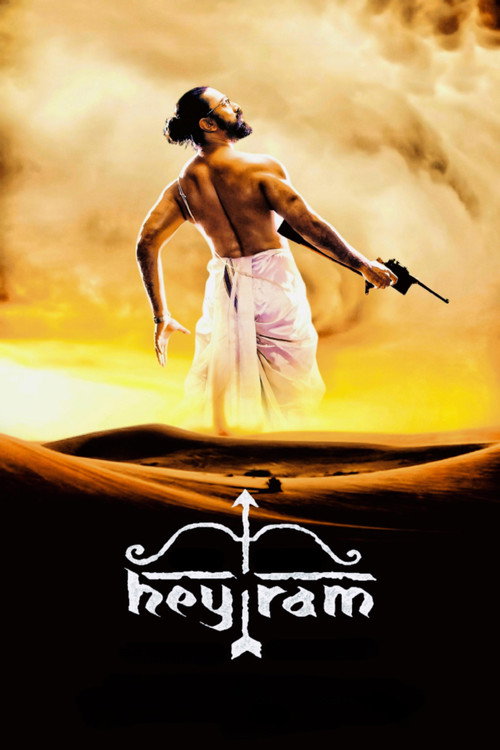
Hey Ram2000
Kamal Haasan's ambitious attempt to unpack prejudice, marriage and identity against the backdrop of Partition. Like Bandhan, it trusts audiences to sit with moral complexity and refuses easy answers about human connection.
But Three-and-a-half hours, structurally bold in ways that can feel frustrating, and Haasan's performance is deliberately cold rather than warm.
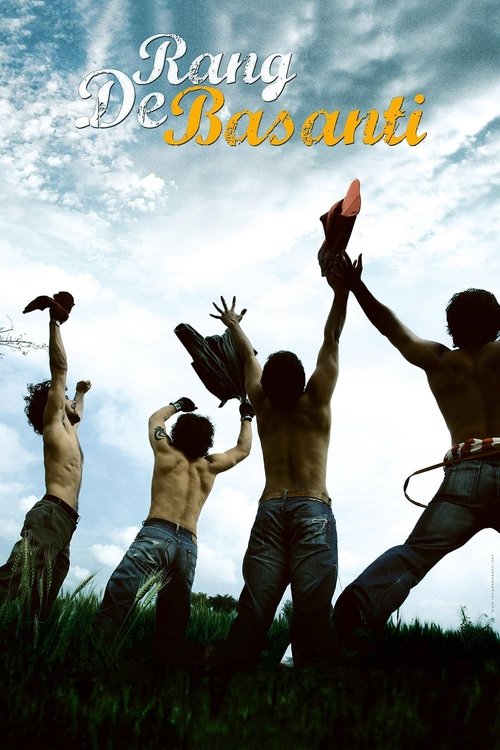
Rang De Basanti2006
Young people grappling with idealism, duty, and what they owe each other and their country. The friendship at its centre has the same weight as marriage in Bandhan—a bond that demands constant renegotiation.
But The tonal shift in the second half alienates some viewers, and its patriotism can feel didactic if you're not aligned with its worldview.
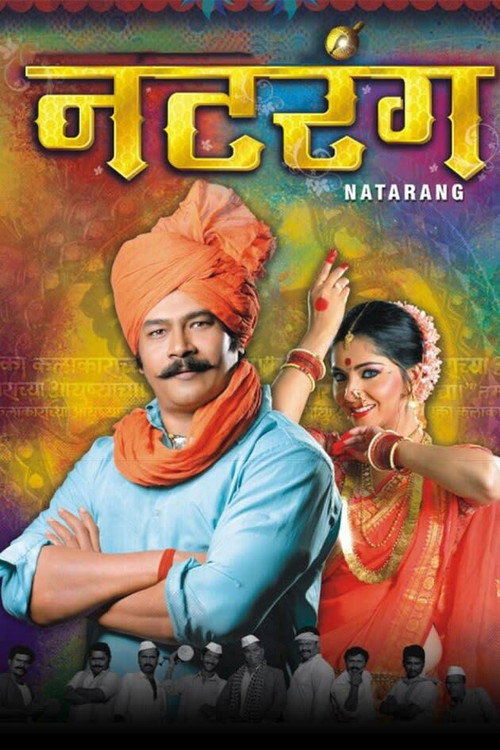
Natrang2010
Another Marathi film about a marriage undone and remade through performance and honesty. Medhangi Joshi's work as an actor who refuses to be diminished echoes Pramila's refusal to be confined.
But The theatrical elements may feel arch to those preferring naturalism, and the pacing is deliberate rather than propulsive.
Not sure tonight? Get a pick in a minute, starting from Bandhan
The wildcard
Something you would not have found on your own.
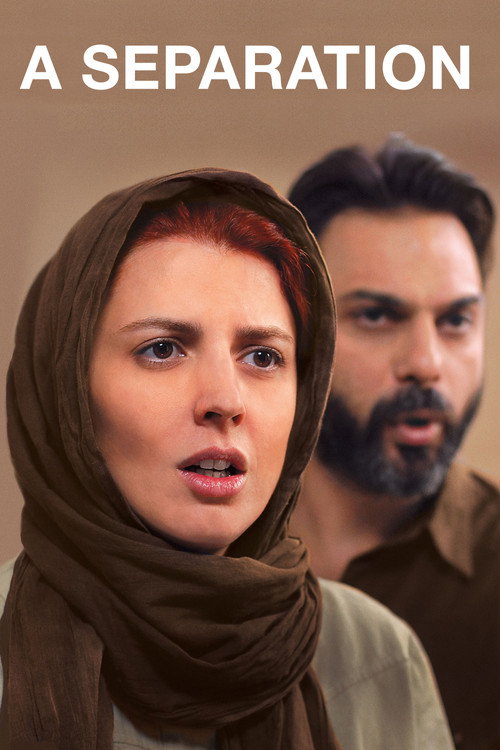
A Separation2011
Both use marriage as a lens to examine justice, responsibility, and what we owe to ideals versus to people we love. Both are fundamentally about how two people can want different things and both be right.
Asghar Farhadi's Iranian masterpiece about a marriage ending, told with the same intellectual rigour and moral ambiguity as Bandhan. Both films refuse to let either partner be simply right or wrong; both demand that you hold contradiction.
But Emotionally gruelling; the film's refusal to offer catharsis or resolution may leave you feeling wrung out rather than satisfied.
More like this (8)
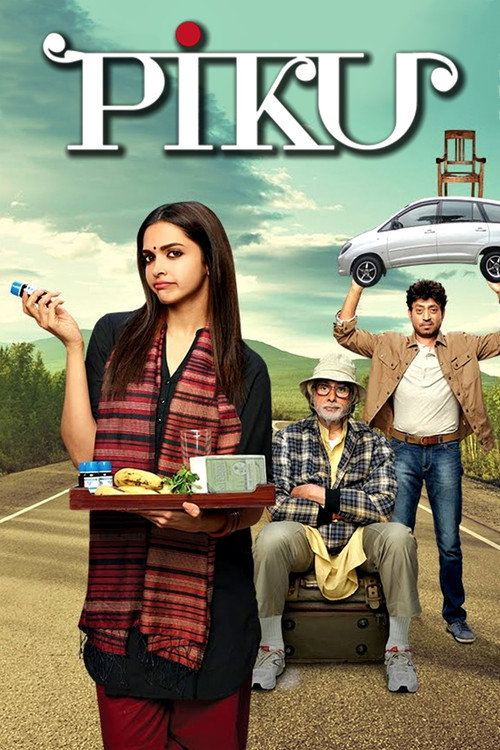
Piku2015
A romantic comedy that actually interrogates partnership and family obligation with grace. Deepika Padukone's character refuses conventional femininity, and the film respects that rather than punishing it.
But The humour depends on recognising specific family dynamics—if that world doesn't resonate, the film can feel slight or self-congratulatory.
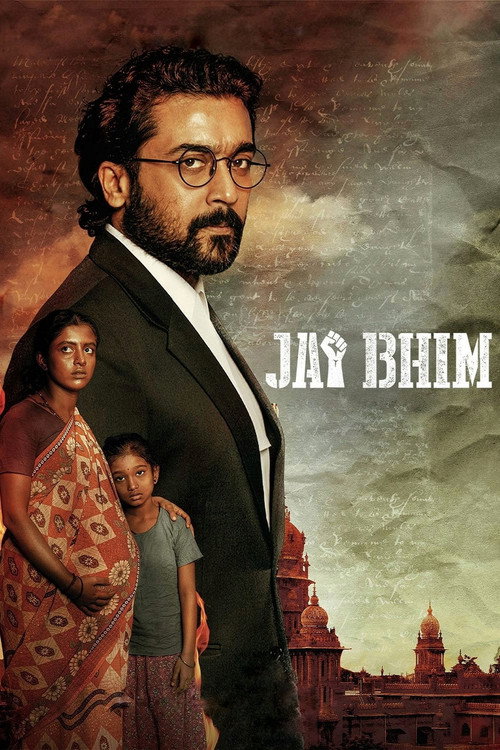
Jai Bhim2021
A Tamil film about marriage as an act of resistance against systemic injustice. The relationship between Jai and Bhim (and Bhim's wife) explores loyalty and sacrifice with the same moral weight as Bandhan.
But Unflinching depictions of caste violence and police brutality; some find the didacticism heavier than the drama.
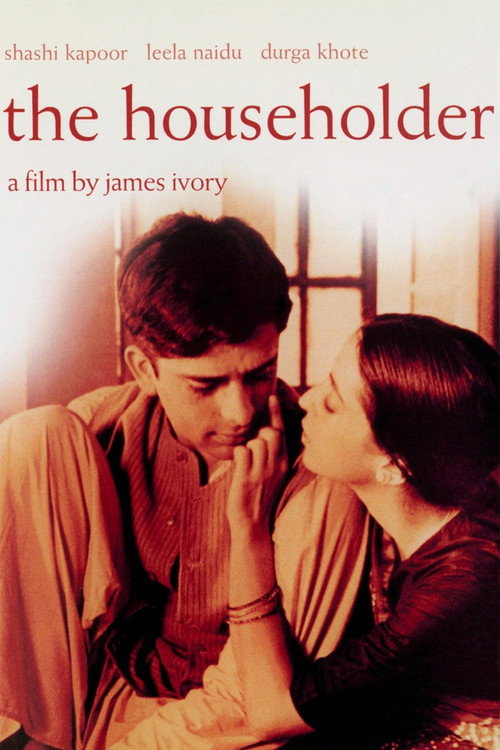
The Householder1963
Merchant-Ivory's gentle exploration of a young marriage in Delhi, where a man and woman must learn to live together across different expectations. Quieter than Bandhan but animated by the same question: who are we to each other?
But Very slow and undramatic by modern standards; the film asks patience and rewards it modestly.
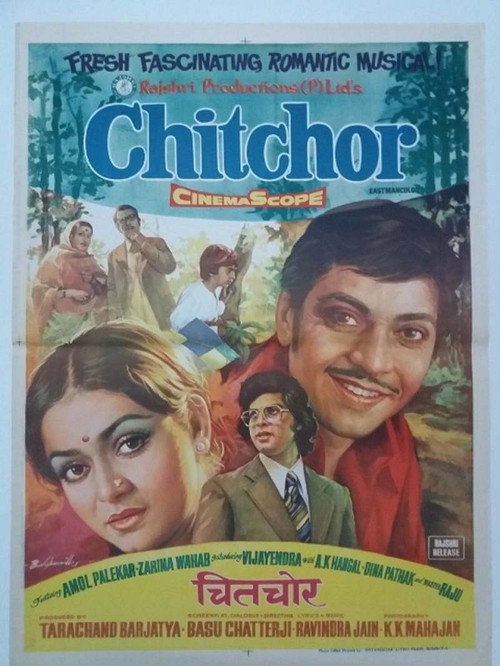
Chitchor1976
A Hindi film about a wife who refuses to be defined by her husband's infidelity, choosing action over victimhood. The performance and the refusal feel kinetic and modern, like Bandhan's protagonist.
But The gender politics, while progressive for 1976, can read as tentative now; some melodrama undercuts the ideological thrust.
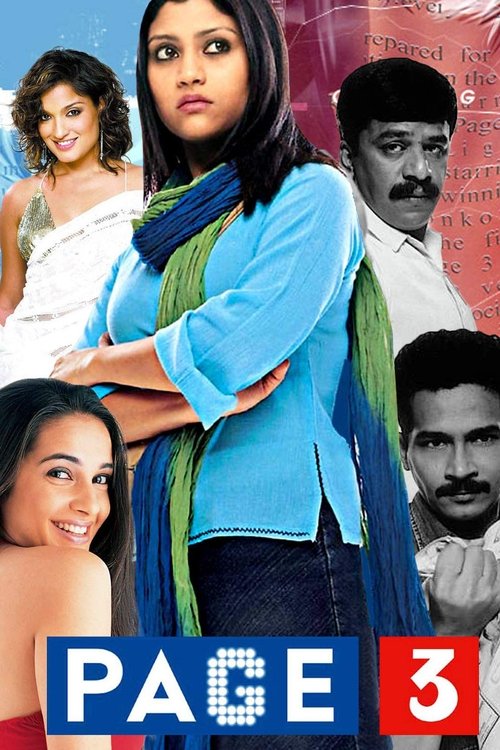
Page 32005
Madhur Bhandarkar's ensemble about the gap between public performance and private reality in Delhi society. It shares Bandhan's interest in what marriage looks like when you stop performing for others.
But Sprawling, sometimes shallow, and its critique of media and elite culture can feel obvious or heavy-handed.
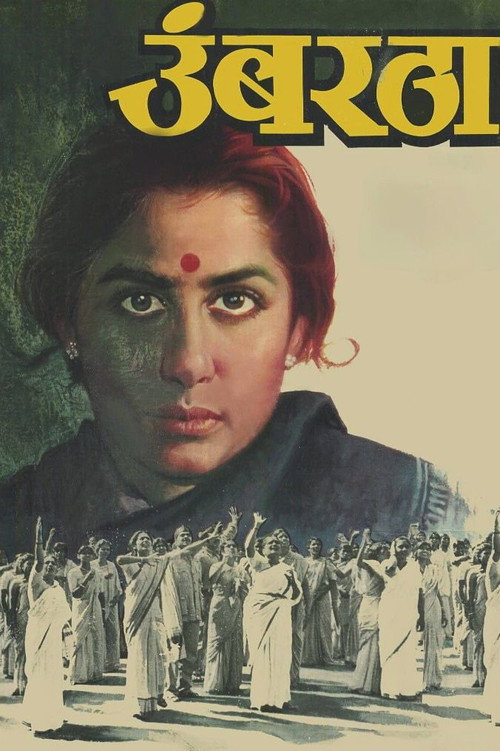
Umbartha1982
Shabana Azmi as a woman who leaves her marriage to find independence. A direct spiritual ancestor to films like Bandhan; essential viewing for anyone interested in how Hindi cinema has thought about women's autonomy.
But Dated in some visual and narrative choices; the ending won't satisfy those seeking traditional closure.
Andhadhun2018
Both films understand marriage as a constructed reality that can shatter when scrutinised. Both contain explosive moments where the image a couple has presented to the world collapses.
A thriller where a blind pianist becomes entangled in a marriage's dark secret. While Bandhan is earnest and Andhadhun is a puzzle-box, both understand that marriage conceals depths and that what partners believe about each other may be entirely false.
But Completely different in tone and genre—if you want serious drama and not crime-thriller twists, the genre shift will jar.

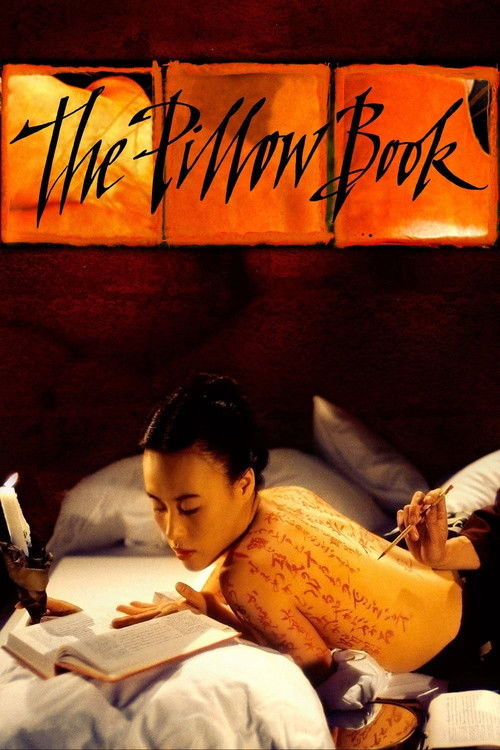
The Pillow Book1995
Both films are fundamentally about intimacy as an act of reading—learning another person as text, with all the misreadings and revelations that entails. Bandhan does it through dialogue; Greenaway through image and body.
Peter Greenaway's experimental visual poem about love, bodies, and the written word—a completely different medium but animated by the same question: what does it mean to be truly known by another person? Intoxicating and strange.
But Avant-garde in form; unapologetically explicit; the narrative is more impressionistic than plot-driven. This is cinema as provocation and art object first.
People
Cast


Directing
- Babasaheb YadavAssistant Director
- Anant ManeDirector
Writing
- Anant ManeWriter
- Ashok PatoleWriter
Production
- Harish BhatiaExecutive Producer
- Chelaram BhatiaProducer
- Lalchand BhatiaProducer