
Film
The Swimmer
A man decides to swim home across his Connecticut suburbs via neighbors' pools on a single summer afternoon. What begins as whimsical and elegant gradually reveals something darker underneath—a portrait of denial, status anxiety, and the distance between the man we think we are and the man we've become. Hypnotic and unsettling.
Should you watch it?
Watch it if you love a strange, slow-burning parable where a simple premise keeps curdling into something unsettling, and you enjoy films that trust you to read the mood rather than explain it.
Skip it if you want brisk momentum or a clear plot engine, since the 95 minutes move at a drifting pace and the rhythm is deliberately hypnotic rather than eventful.
What it asks of you: Patience first: it is short but unhurried, with long stretches of gliding camera and small social moments that build a slowly chilling unease.
Not sure? Find tonight's pick in a minute.
If you liked this
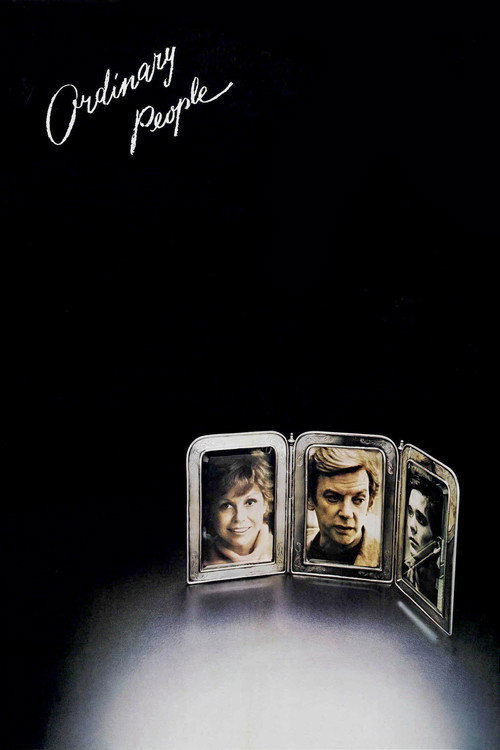
Ordinary People1980
Robert Redford's directorial debut explores suburban fracture and unspoken family trauma with the same elegant surface and troubled depths. Both films understand how much damage can hide behind manicured lawns.
But It's deliberately slow and introspective, relying on what's *not* said. Some find it emotionally distant rather than moving.
In the Mood for Love2000
Wong Kar-wai transforms a simple premise—two people discovering their spouses are having an affair—into something hypnotic and dreamlike. Like *The Swimmer*, it's about elegant surfaces concealing private anguish.
But The pacing is glacial, the dialogue minimal, and the visual style can feel mannered. It asks patience most viewers won't offer.

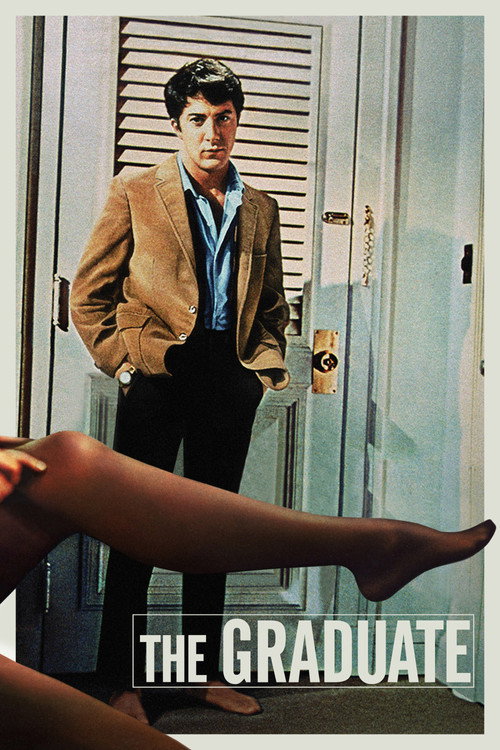
The Graduate1967
Made the year before *The Swimmer*, it's another sharp-eyed dissection of suburban emptiness and privilege. Ben's drift parallels Ned's—both men adrift in landscapes of their own making.
But Once you know the ending, the satire can feel obvious. The generational commentary has dated more than the film probably intended.
Not sure tonight? Get a pick in a minute, starting from The Swimmer
The wildcard
Something you would not have found on your own.
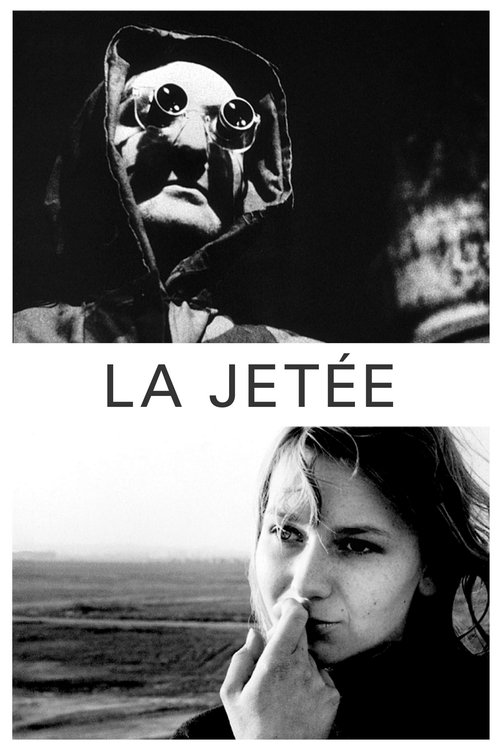
La Jetée1962
Both use a simple physical journey (swimming, time travel) as a vehicle for exploring consciousness, memory, and whether the self moving through space is the same self that began the journey.
Marker's experimental masterpiece is told entirely in still photographs—a technique that echoes *The Swimmer*'s dreamlike, fragmentary quality. Both films use form itself to convey psychological dissolution and memory's unreliability.
But It's 28 minutes, mostly static images, with a sci-fi premise about time travel. The experimental form can feel like avant-garde exercise if you're not attuned to it.
More like this (8)
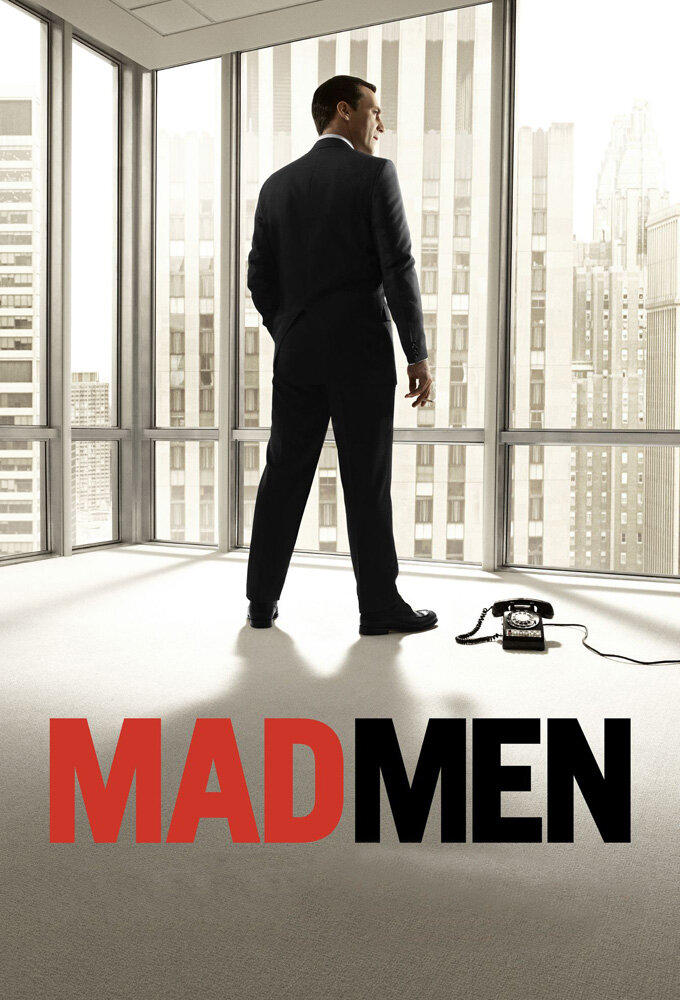
Mad Men2007
Television's greatest exploration of performative identity and the distance between public success and private collapse. Don Draper is Ned Merrill in a suit, week after week, finally unraveling.
But It's seven seasons of slow accumulation. The middle seasons can feel repetitive if you're not invested in watching a man slowly destroy himself.
The Man in the Gray Flannel Suit1956
An earlier, more direct predecessor about suburban compromise and the masks we wear. Gregory Peck's corporate conformist has the same sense of something being fundamentally wrong.
But It's earnest in a 1950s way that can read as dated. The film wears its moral lessons openly.

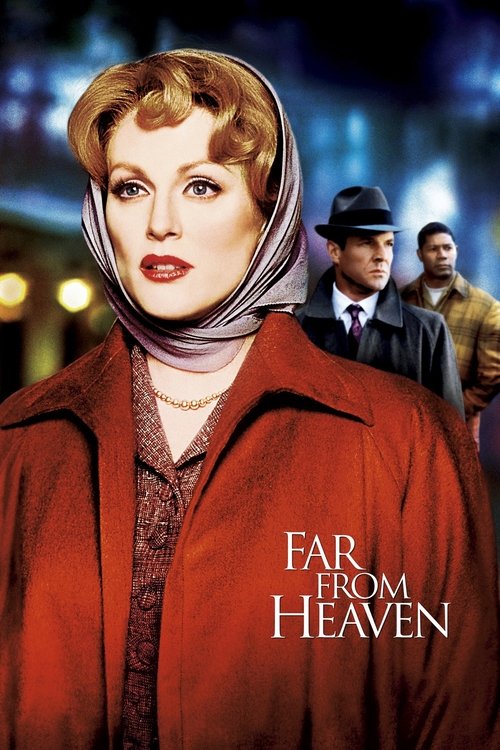
Far from Heaven2002
Todd Haynes constructs a 1950s melodrama where everyone's perfect life is a lie. It has *The Swimmer*'s fascination with surfaces and the rot beneath them, executed as Technicolor tragedy.
But The pastiche quality—Haynes is deliberately mimicking another era's filmmaking—puts some viewers at a distance from the emotion.
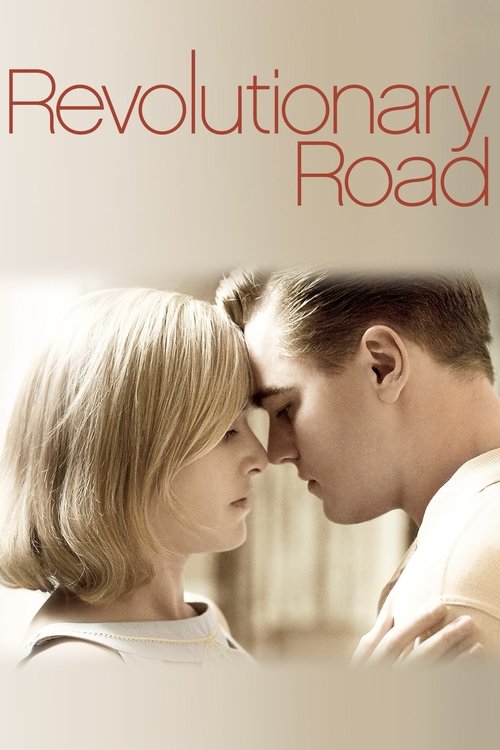
Revolutionary Road2008
Sam Mendes' portrait of suburban suffocation and marital breakdown. Like *The Swimmer*, it treats the suburbs as a kind of beautiful trap, gorgeous to look at and slowly suffocating.
But The bleakness is relentless and uncut. There's no redemption or lightness, which some find punishing rather than cathartic.
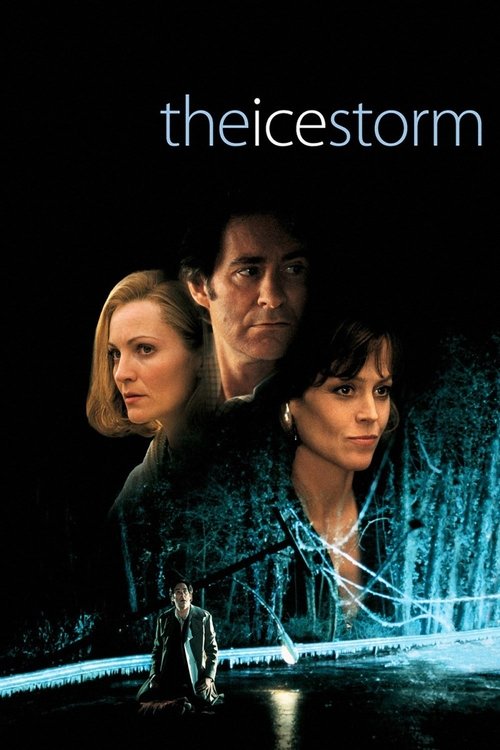
The Ice Storm1997
Ang Lee choreographs the private unraveling of a suburban Connecticut community—same landscape, same spiritual emptiness, same sense of facades cracking under their own weight.
But It's deliberately detached and ironic in a way that can feel cold. Multiple storylines mean no single character gets deep focus.
Mulholland Drive2001
David Lynch's dreamlike disassembly of identity and self-delusion. Like *The Swimmer*, it's hypnotic and increasingly unsettling, asking whether we're watching unreliable memory or waking nightmare.
But It's deliberately obscure and may not have a single 'correct' interpretation. Some find that liberating; others find it frustrating.

Tokyo Story1953
Both films are about return and arrival—physical or geographical—that turn out to be emotionally impossible. Home, in both, is a place you can't actually reach.
Ozu's quiet masterpiece is structured around a simple visit home. Like *The Swimmer*, it's about the distance between what we expect and what we find, rendered in understated observation rather than plot.
But Virtually nothing happens. The camera barely moves, scenes are static, and the emotional payoff is tiny and private. Patience isn't optional.

The Act of Killing2012
Both are about the surfaces people maintain and the bottomless darkness underneath. Both ask: what happens when the performance fails and a man must face who he actually is?
Joshua Oppenheimer's documentary asks perpetrators of genocide to recreate their crimes. It shares *The Swimmer*'s fascination with performance, denial, and the gap between how a man sees himself and what he's done.
But It's graphic, disturbing, and morally complex in ways that can feel unseemly. Some viewers find the documentary form itself—asking killers to perform—ethically troubling.

People
Cast
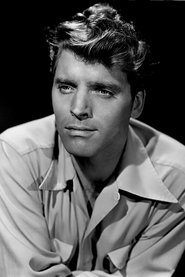 Burt LancasterNed Merrill
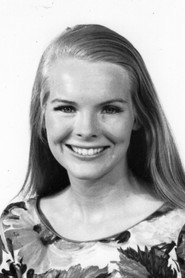 Janet LandgardJulie Ann Hooper
 Janice RuleShirley Abbott
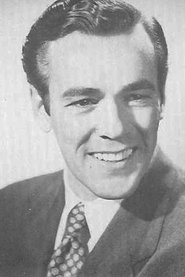 Tony BickleyDonald Westerhazy
 Marge ChampionPeggy Forsburgh
- Nancy CushmanMrs. Halloran
- Bill FioreHowie Hunsacker
 Rose GregorioSylvia Finney
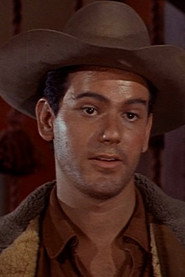 David GarfieldTicket Seller
 Kim HunterBetty Graham
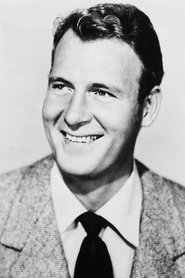 Charles DrakeHoward Graham
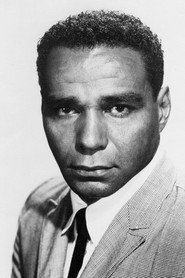 Bernie HamiltonChauffeur
Directing
- Michael HertzbergAssistant Director
- Sydney PollackCo-Director
- Frank PerryDirector
- Barbara RobinsonScript Supervisor
- Ted ZacharySecond Assistant Director
Writing
- Eleanor PerryScreenplay
- John CheeverShort Story
Production
- Joseph MandukeExecutive In Charge Of Production
- Sam SpiegelExecutive Producer
- Frank PerryProducer
- Roger H. LewisProducer
- Florence NerlingerProduction Assistant
Recommended by
American Beauty, Two-Lane Blacktop, Paris Blues, Personal Best, Rocky II, Scandal, Nurse Betty, Goodbye, Columbus, Fox and His Friends, The Arrangement, Sweet Hunters, I Am: Celine Dion, The Horsemen