
Film
The Arrangement
Other titles called The Arrangement: the 2017 series (E!).
Kirk Douglas plays a Manhattan adman whose psyche fractures under the weight of success, infidelity, and suburban conformity. Elia Kazan's 1969 film is a fever dream of marital collapse and self-reinvention—baroque, sometimes maddening, utterly committed to its protagonist's interior chaos. For anyone who's ever felt the gap between the life you're living and the one you want.
Should you watch it?
Watch it if you're drawn to unruly, personal melodrama where a director's own restlessness spills onto the screen, and you don't mind a messy, self-lacerating film that wants to be argued with.
Skip it if you want a tidy, economical story; its 125 minutes wander through flashbacks, and its feverish tone can tip into overwrought.
What it asks of you: Settle in for a long, talky, time-hopping stretch where the pace is deliberate and the mood stays heavy, with little relief and plenty of rewinding to earlier years.
Not sure? Find tonight's pick in a minute.
If you liked this
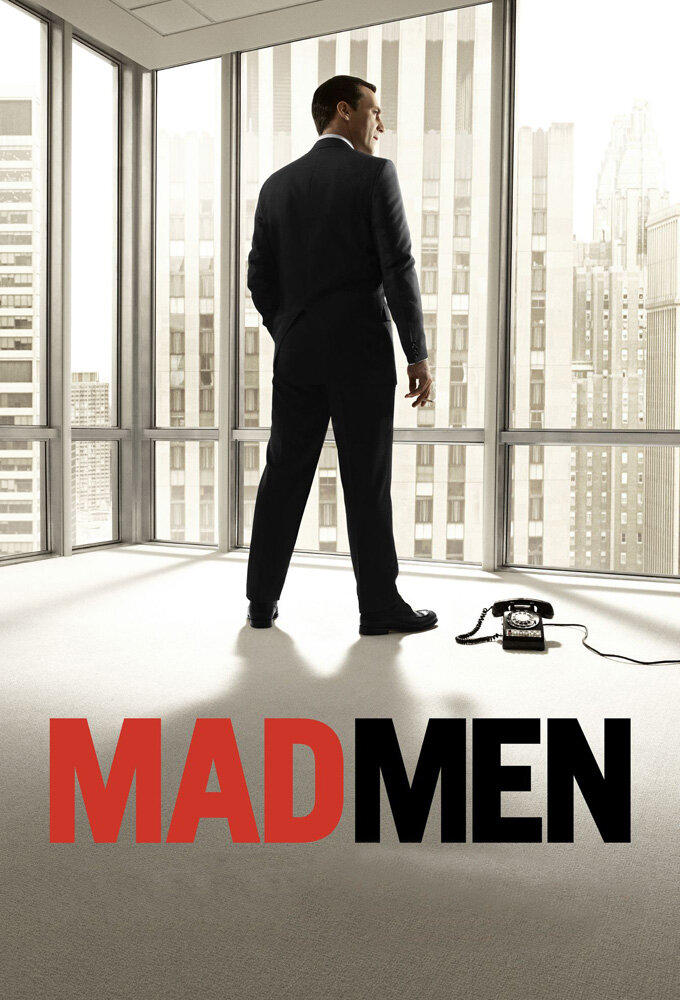
Mad Men2007
The definitive portrait of admen, ambition, and the American dream's hollow core. Follows Don Draper through similar terrain—success as a prison, identity as performance—but with eight seasons to develop the rot from within.
But Slower burn than The Arrangement, and the payoff is moral ambiguity rather than catharsis. Requires patience with a deeply unlikeable protagonist.
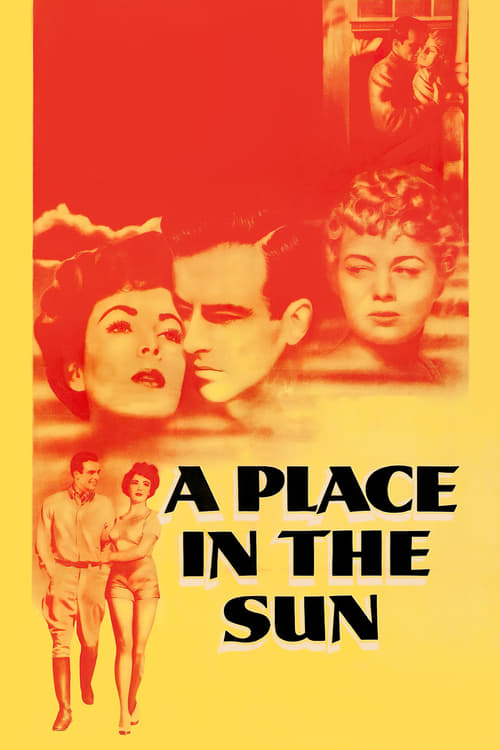
A Place in the Sun1951
Montgomery Clift's social climber destroys everything in pursuit of a better life. Same DNA: the seduction of escape, the impossibility of reinvention, and the wreckage left behind. A masterpiece of American self-delusion.
But Black and white, 1950s pacing, and it doesn't look away from moral degradation. Heavy going, and the ending isn't redemptive.
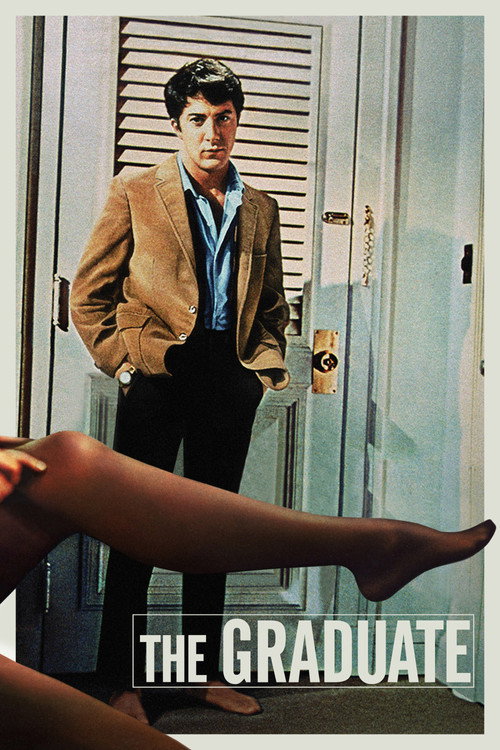
The Graduate1967
Another critique of postwar American emptiness and suffocation—but from the outside looking in. Benjamin's paralysis mirrors Eddie's breakdown. Dustin Hoffman's famous blankness captures the inability to feel even happiness.
But Becomes gentler and less interesting once it abandons satire for romance. The second half undercuts the first.
Not sure tonight? Get a pick in a minute, starting from The Arrangement
The wildcard
Something you would not have found on your own.
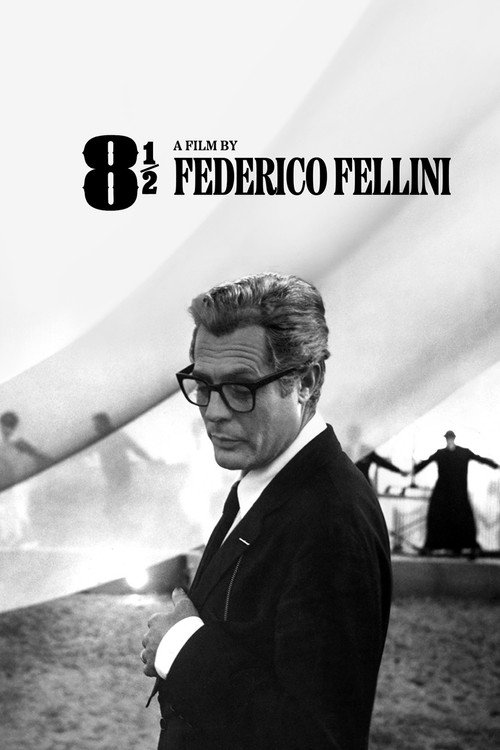
8½1963
Both films map masculine crisis through form itself—Kazan through fragmented editing and baroque production design, Fellini through dream logic. The protagonist becomes the film's structure.
Marcello Mastroianni as a filmmaker whose nervous system is failing him, unable to finish his life or his art. The DNA of The Arrangement: a man fractured by success, caught between multiple selves. Kazan's psychological realism meets Fellini's surrealism—the dream language of collapse.
But Italian, 138 minutes, deliberately dreamlike and elliptical. It refuses plot and clarity. If you want narrative order, this will frustrate you.
More like this (7)
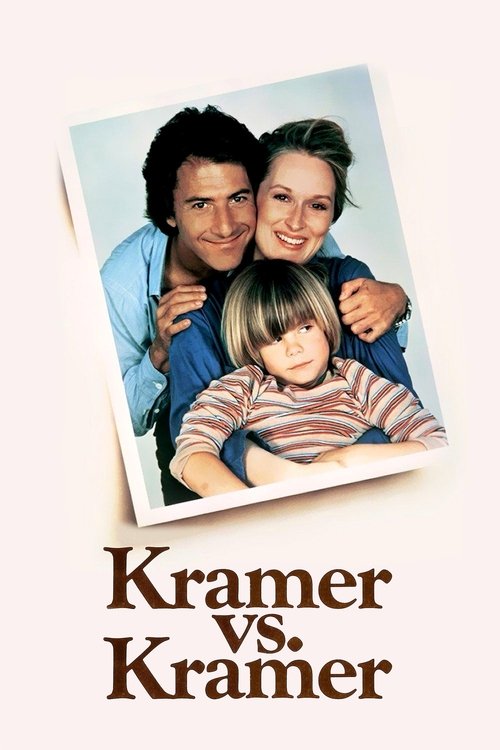
Kramer vs. Kramer1979
Meryl Streep and Dustin Hoffman navigate the wreckage of a marriage with surgical precision. About the price of ambition and the guilt of wanting out. Less baroque than The Arrangement but equally committed to emotional honesty.
But A divorce court drama, which can feel procedural. The film's reasonableness might feel safer than Kazan's recklessness.
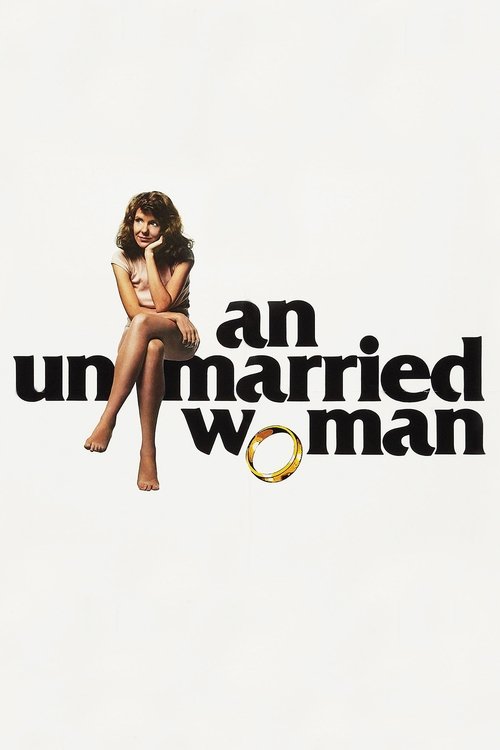
An Unmarried Woman1978
Jill Clayburgh rebuilds after abandonment in 1970s New York. Shares The Arrangement's fascination with self-discovery through dissolution, but from a woman's perspective. Funny, unsentimental, thoroughly alive.
But Very much of its era. The pacing and concerns won't resonate if you're impatient with character-driven 70s cinema.
Contempt1963
Godard's brilliant dissection of a marriage collapsing under professional pressure and infidelity. Michel Piccoli and Brigitte Bardot orbit each other in a Roman apartment. Philosophical, beautiful, and utterly uncompromising.
But French New Wave experimental style. Deliberately distant and cerebral where The Arrangement is emotional. Requires active engagement.

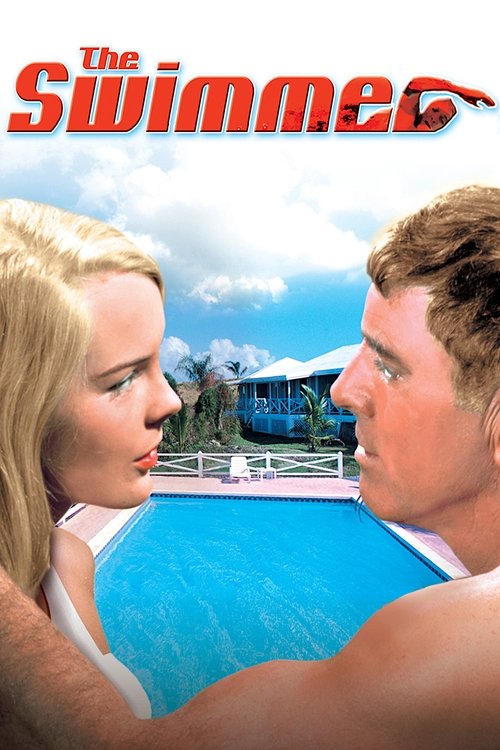
The Swimmer1968
Burt Lancaster swims through a Connecticut suburb confronting the life he's built and lost. Hallucinatory, melancholic, and structurally daring. Another portrait of a man collapsing under the weight of his own mythology.
But Increasingly surreal and disorienting. Some viewers find the tonal shifts into nightmare alienating rather than compelling.
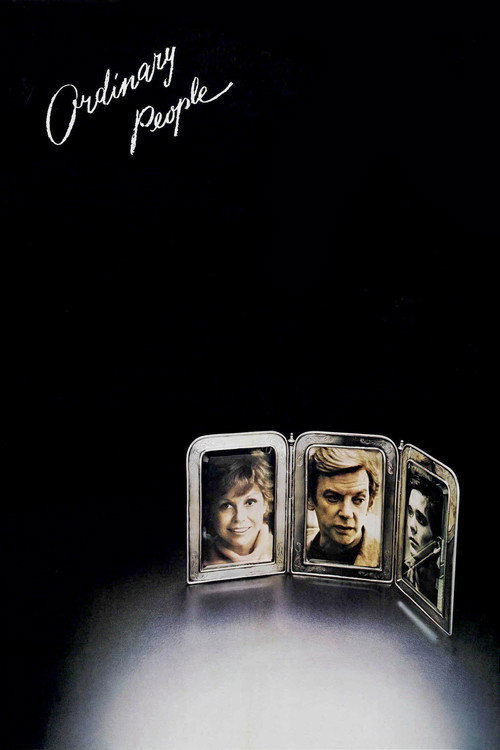
Ordinary People1980
Robert Redmond's therapy-focused family drama about the machinery of collapse. Donald Sutherland and Mary Tyler Moore as parents unable to feel. Quieter than The Arrangement but devastatingly precise about emotional paralysis.
But Oscar winner that's become a bit canonical and safe. The therapeutic framework might feel dated. Restrained where you might crave messiness.
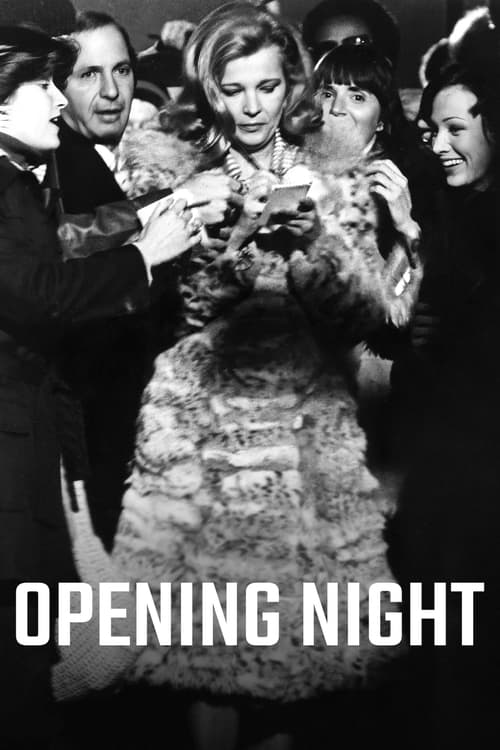
Opening Night1977
Both are artists (adman, actress) whose public personas shatter. Both films refuse to prettify mental and marital breakdown. But Cassavetes shoots it like reportage from a war zone, while Kazan choreographs it.
John Cassavetes' volcano of a film: Gena Rowlands as an actress whose mind is collapsing before an opening performance. Raw, improvisational, emotionally catastrophic. Where The Arrangement is Kazan's controlled fever dream, this is the fever itself, unmediated.
But Brutally ugly at times. Loud, repetitive, structurally chaotic. The camera work is deliberately amateur. If you need restraint or beauty, this will exhaust you.
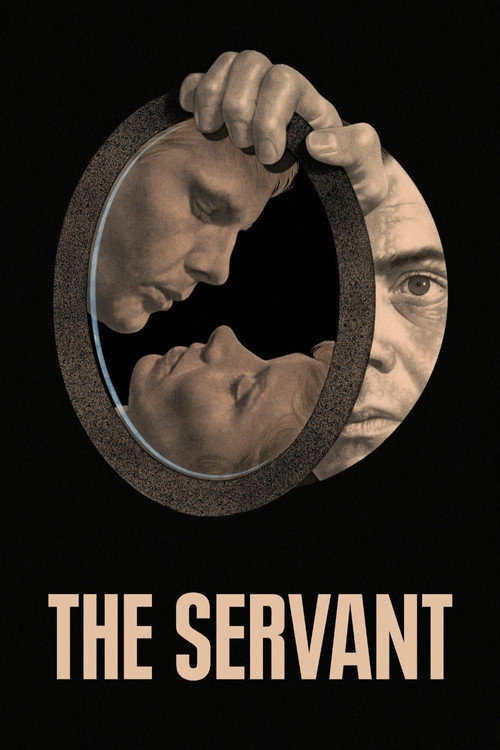
The Servant1963
Both are about men losing control of their lives through relationships they don't understand. Both are chamber pieces about power, performance, and the self as construction. Both are elegantly ugly.
Joseph Losey's British masterpiece: James Fox as a wealthy man systematically unmade by his servant (Dirk Bogarde). A psychological disintegration as intricate as Eddie's, but through domination and class rather than infidelity. Black and white, crackling with dread and eroticism.
But Deeply British and coded. The homoeroticism and power dynamics require reading between lines. Slow, architectural, withheld. Not for anyone wanting emotional catharsis or clear outcomes.
People
Cast
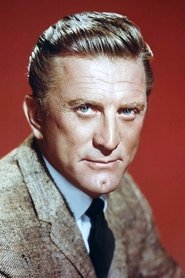 Kirk DouglasEddie Anderson
 Faye DunawayGwen
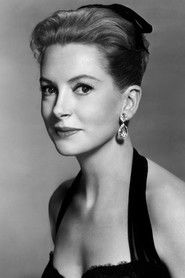 Deborah KerrFlorence Anderson
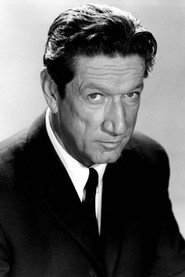 Richard BooneSam Arness
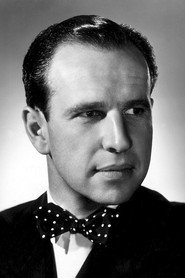 Hume CronynArthur Houghton
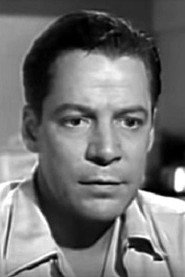 Michael HigginsMichael Anderson
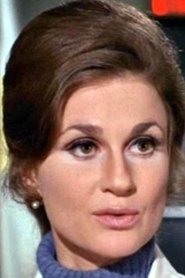 Carol Eve RossenGloria Anderson
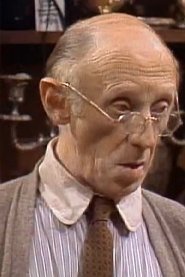 William HansenDr. Weeks
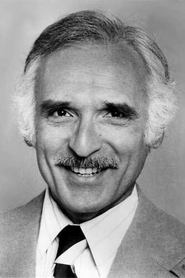 Harold GouldDr. Leibman
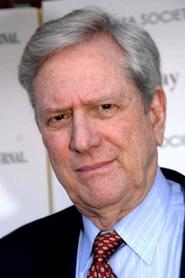 Michael MurphyFather Draddy
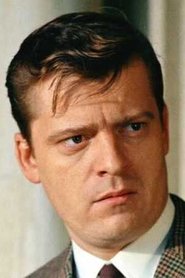 John Randolph JonesCharles
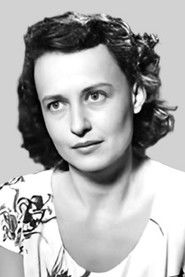 Anne HegiraThomna
Directing
- Burtt HarrisAssistant Director
- Elia KazanDirector
Writing
- Elia KazanNovel
- Elia KazanWriter
Production
- Elia KazanProducer