
Film
Opening Night
Cassavetes' fever dream about a aging actress spiraling through drink, guilt, and delusion as opening night approaches. Gena Rowlands gives a raw, unraveling performance in a film that feels less like narrative and more like watching someone's psyche crack in real time. For viewers ready to sit inside genuine psychological chaos without the guardrails of conventional storytelling.
Should you watch it?
Watch it if you like backstage films where a performer's insecurity and vanity are examined with unhurried, improvising camera work and actors who seem to be testing each other's nerves.
Skip it if you want a tidy plot with steady momentum, since this wanders through long, meandering conversations and its raw, shouting intensity can feel more exhausting than illuminating.
What it asks of you: Running close to two and a half hours, it settles in for a slow burn, lingering on faces and private doubts, so you need patience before the tension builds.
Not sure? Find tonight's pick in a minute.
If you liked this
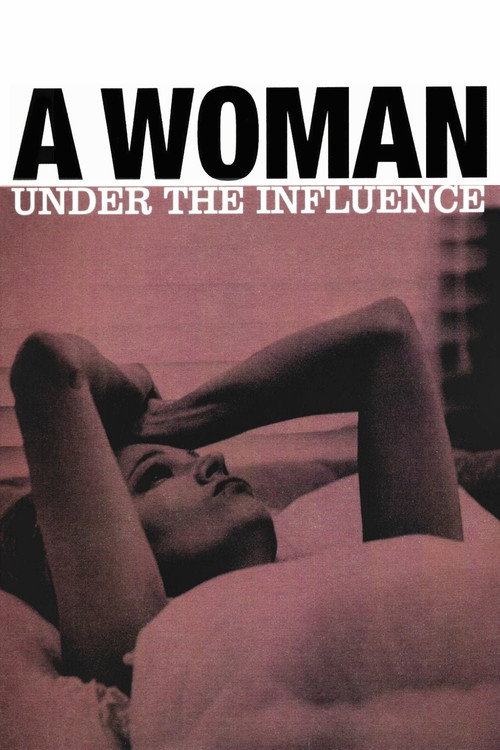
A Woman Under the Influence1974
Cassavetes' masterpiece of emotional exposure. Rowlands again, absolutely destroyed and brilliant, playing a woman whose grip on sanity and identity is paper-thin. The camera never looks away.
But Nearly three and a half hours of unstructured, deliberately unglamorous domestic breakdown. No narrative momentum to cling to—just the slow crush of someone disappearing.
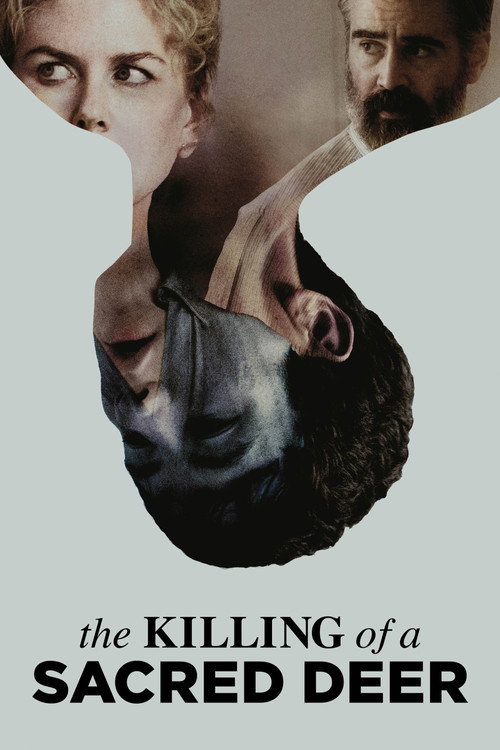
The Killing of a Sacred Deer2017
Yorgos Lanthimos creates the same suffocating dread as Opening Night: a protagonist slowly unmoored from reality, guilt metastasizing into something stranger and more terrible. Measured, hypnotic, utterly wrong.
But The tone is glacial and the logic dreamlike. If you need plot logic or emotional clarity, this will frustrate you into the ground.
Mulholland Drive2001
Lynch's Los Angeles nightmare of an actress losing her mind and identity. Like Opening Night, it's genuinely about the terror of aging and irrelevance in a town that eats women. Gorgeous and deeply disturbing.
But Deliberately nonlinear and designed to be unsolvable. Some people find that exhilarating; others find it pretentious and cold.

Not sure tonight? Get a pick in a minute, starting from Opening Night
The wildcard
Something you would not have found on your own.
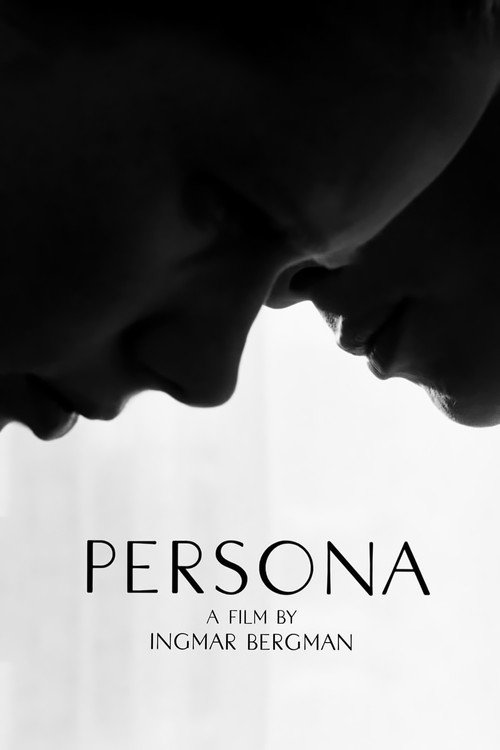
Persona1966
Both are studies of female identity fractured through performance. Both use the physical presence of the actress as the primary subject. Both suggest that the self is permeable, that watching and being watched erodes the boundary between observer and observed.
Bergman's chamber piece about an actress who stops speaking and the nurse assigned to her. Two women, one slowly absorbing the other's identity. Opens Night's DNA but boiled down to its essence—performance, identity, the other person as mirror and void.
But Extremely austere, black-and-white, ninety minutes of two faces and philosophical dread. Bergman makes the metaphysical tangible in ways that can feel cold.
More like this (7)
Contempt1963
Godard's film-within-a-film about a marriage and a production collapsing simultaneously. Brigitte Bardot's performance has that same Rowlands quality of a woman being watched and slowly destroyed. Hypnotic and heartbreaking.
But Very French, very '60s, very theoretical. Long, static shots and meta-cinema games will feel slow if you're not attuned to that wavelength.

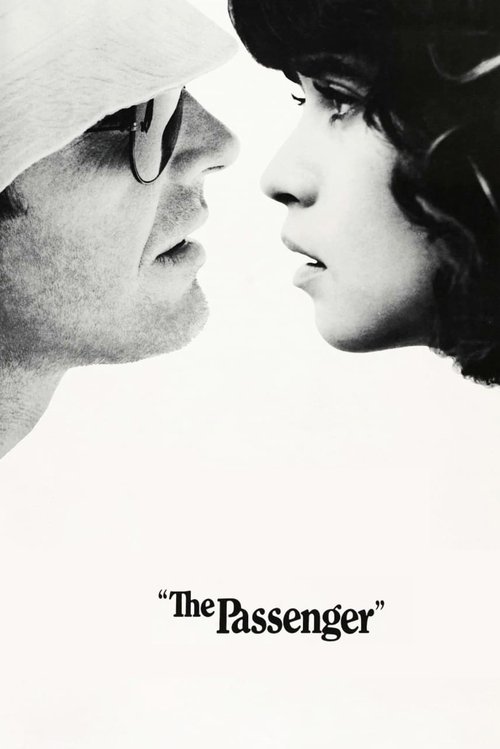
The Passenger1975
Antonioni's study of identity dissolution. A man assumes another man's life and slowly loses himself. Like Opening Night, it's about the terror of not knowing who you are anymore, shot with cool precision.
But Deliberately paced, sparse, and philosophically abstract. Some find it profound; others find it empty and self-regarding.
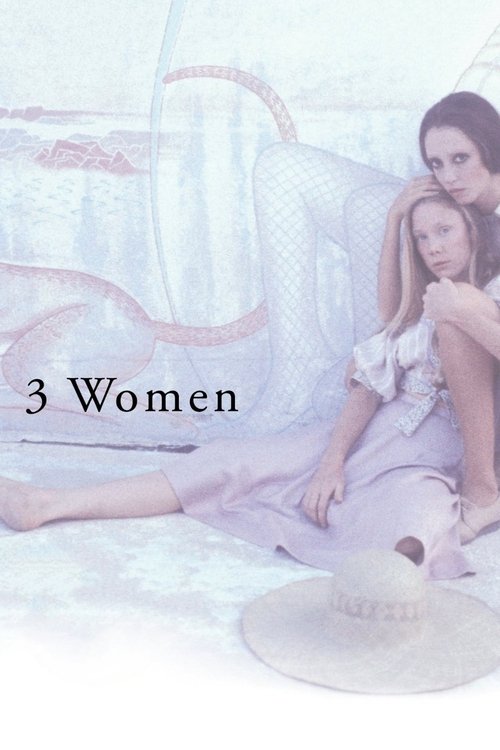
3 Women1977
Robert Altman's hallucinatory film about identity, female friendship, and the porous boundary between fantasy and reality. Released the same year as Opening Night—a sister film about women losing themselves.
But Shapeless, dreamlike, and often confusing. The plot doesn't add up because that's not what Altman cares about. Demands patience and comfort with ambiguity.
Synecdoche, New York2008
Charlie Kaufman's devastating spiral into a theater director's mental collapse and his obsession with creating a life-sized replica of New York inside a warehouse. Similar DNA to Opening Night: theater, ego, reality fracturing.
But Extremely dense, self-reflexive, and exhausting in the way that's meant to mirror the protagonist's state. Can feel like homework masquerading as art.

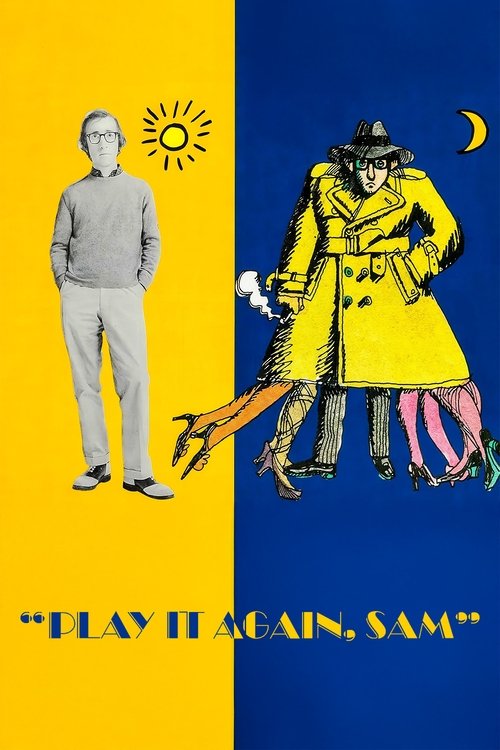
Play It Again, Sam1972
Woody Allen's film about a movie obsessive whose fantasies start bleeding into reality. Allen channeling Bogart. Lighter than Opening Night but touching on similar anxieties about performance and identity.
But Much gentler and smaller in scope than Opening Night. If you're seeking Cassavetes-level psychological intensity, this will feel mannered and cute.
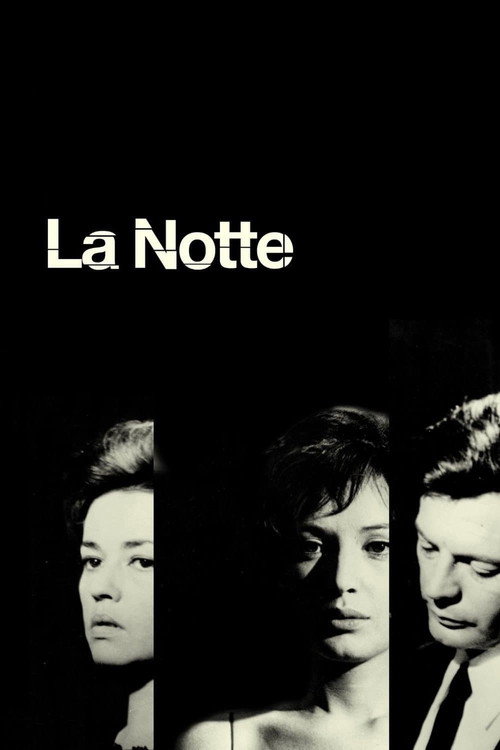
La Notte1961
Both films collapse narrative into duration—time as the true subject. Both feature a woman confronting her own irrelevance and the cruelty of being aging and female in a world that has stopped looking at her.
Michelangelo Antonioni follows a marriage across a single night in Milan. Jeanne Moreau as a woman recognizing her life has become hollow, her husband indifferent. Like Opening Night, it's about time running out and the terror of being invisible to those closest to you.
But Almost nothing happens. The film moves through elegant, lingering shots of people in rooms. If you need incident or catharsis, this will feel like being trapped in a waiting room.
The Phantom Carriage1921
Both use alcohol and guilt as the mechanism of psychological collapse. Both suggest that the mind, under extreme duress, stops distinguishing between what's real and what's phantom. Both are about the price of being seen.
Sjöström's Swedish nightmare about a drunk driver haunted by a spectral coach that collects the dying. Visually and emotionally unlike Opening Night, but shares its obsession with guilt, dissolution, and the blurring of the living and the dead. Genuinely eerie and humane.
But Silent film, obviously. Slow by modern standards. The melodrama might read as dated, though it's actually transcendent if you surrender to it.

People
Cast
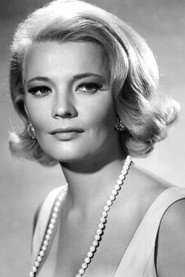 Gena RowlandsMyrtle Gordon
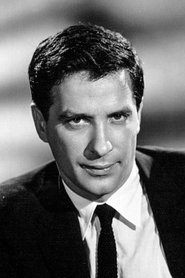 John CassavetesMaurice Aarons
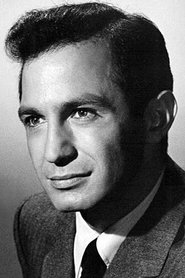 Ben GazzaraManny Victor
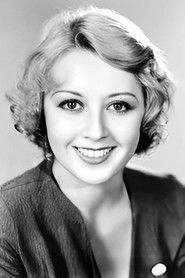 Joan BlondellSarah Goode
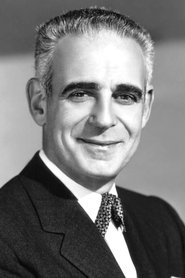 Paul StewartDavid Samuels
 Zohra LampertDorothy Victor
 Laura JohnsonNancy Stein
- John TuellGus Simmons
- Ray PowersJimmy
 John FinneganBobby
- Louise LewisKelly (as Louise Fitch)
 Fred DraperLeo
Directing
- John CassavetesDirector
- Lisa Hallas-GottliebSecond Assistant Director
Writing
- John CassavetesWriter
Production
- Mike LallyAssociate Producer
- Sam ShawExecutive Producer
- Michael LallyProducer
- Edward LeddingProduction Manager
- Foster H. PhinneyProduction Manager
Recommended by
Birdman or (The Unexpected Virtue of Ignorance), Persona, A Woman Under the Influence, Husbands, Faces, Minnie and Moskowitz, Morning Glory, She's the One, Love Streams, The Arrangement, Six Characters in Search of An Author, A Woman's Decision, Soapdish