
Film
Husbands
Cassavetes' raw, improvisational portrait of three married men who flee their lives after a friend's death, chasing a vanished version of themselves across Europe. It's messy, digressive, and often maddening—a film that watches you back. For anyone curious about cinema that refuses to perform.
Should you watch it?
Watch it if you love improvised, talky films where the comedy keeps curdling into something sadder, and you don't mind watching people be unbearable while you recognize them.
Skip it if you want tidy plotting or a brisk pace, since it wanders through long, repetitive scenes of drinking, shouting and aimless talk that many viewers find exhausting.
What it asks of you: Two hours and eleven minutes of rough, overlapping dialogue, shot close and restless, with laughs arriving unevenly and the mood lurching without warning.
Not sure? Find tonight's pick in a minute.
If you liked this
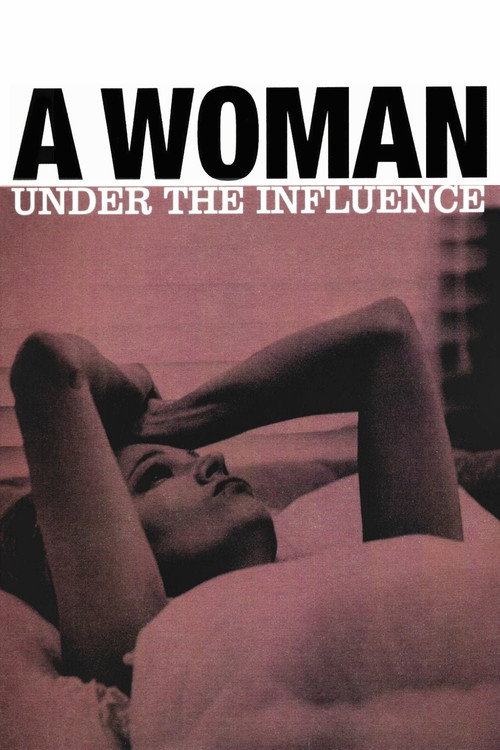
A Woman Under the Influence1974
Cassavetes' masterpiece of marital chaos and mental breakdown. Rowlands and Falk tear themselves open onscreen. If you felt *Husbands* reaching for something true, this is where he found it.
But Nearly three hours of relentless domestic crisis. Not cathartic or forgiving. Watching someone's sanity splinter isn't entertainment.
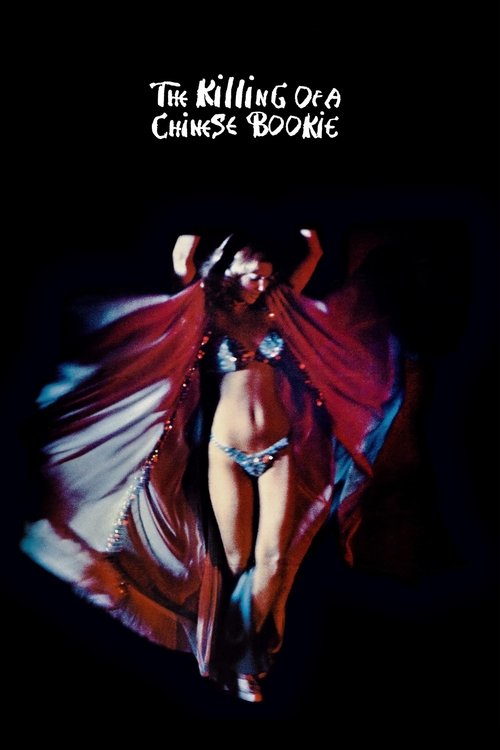
The Killing of a Chinese Bookie1976
Cassavetes again, this time following a small-time hustler into a debt he can't escape. Hypnotic, circular, shot like he was discovering cinema as he went. Feels alive in a way most films don't.
But No plot to speak of, no clear stakes. Asks you to trust mood and performance over narrative momentum.
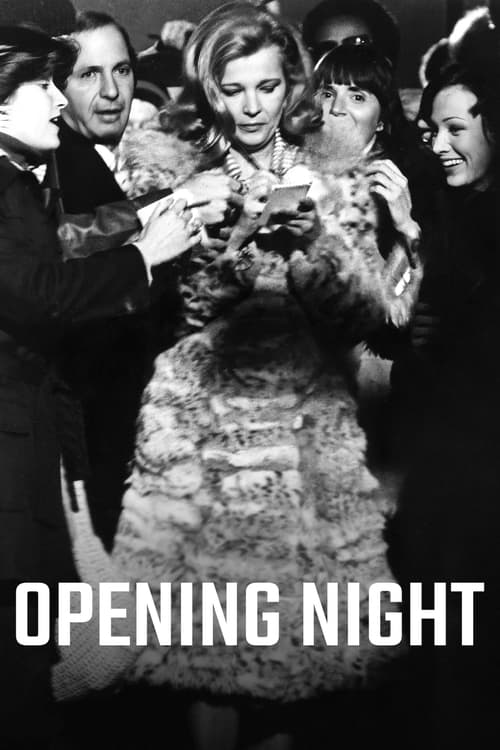
Opening Night1977
An actress losing her mind backstage during a play. Cassavetes' most operatic work—grief and desire and ego colliding onstage. Gena Rowlands is extraordinary.
But The theatrical frame makes it feel indulgent at times. Some scenes spiral rather than build.
Not sure tonight? Get a pick in a minute, starting from Husbands
The wildcard
Something you would not have found on your own.
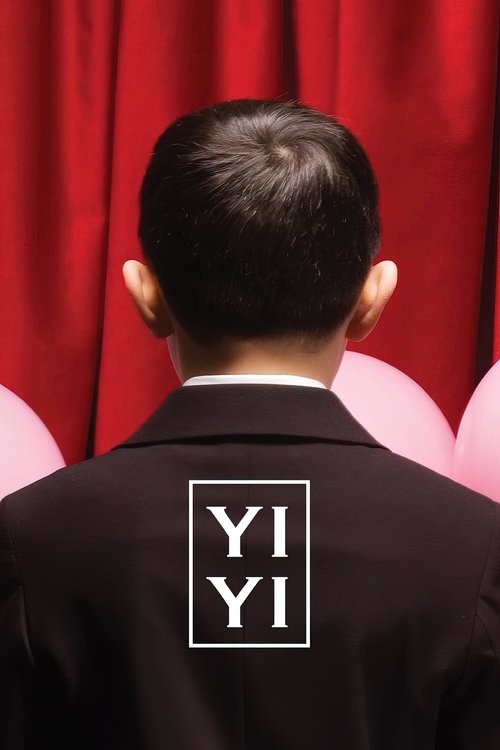
Yi Yi2000
Both are three-hour films about men (and families) confronting the gap between the lives they're living and the lives they want, structured around conversations and evasions rather than plot. Both suggest that escape is a fantasy and that's the tragedy.
Edward Yang's three-hour sprawl across the lives of an extended Taiwanese family—marriage, infidelity, generational drift, the spaces between people who share a bed. It asks the same questions *Husbands* does about what we owe each other and whether escape is possible, but finds something sadder and wiser.
But The pacing is glacial, the editing chapter-like. Requires patience and acceptance that nothing will be resolved. The tone is melancholic in a way that never lifts.
More like this (5)
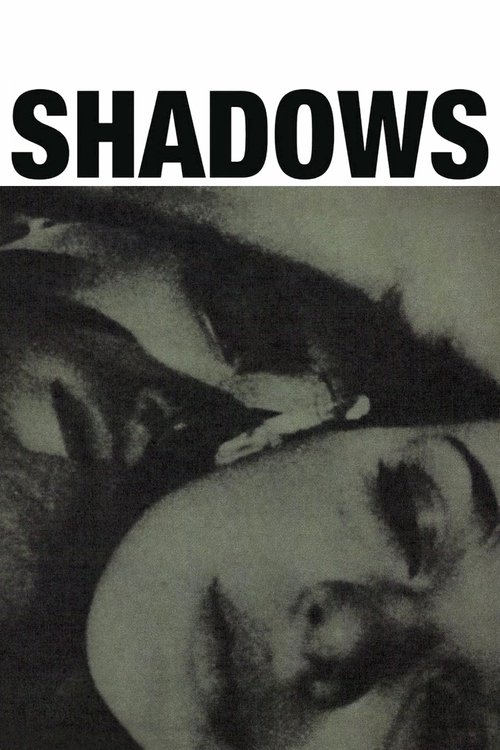
Shadows1960
The film that invented American independent cinema. Three siblings in New York, mostly improvised, shot on a shoestring. Rough, vital, and nothing feels performed. You can see Cassavetes inventing the language he'd speak for his whole career.
But The sound is poor, the editing occasionally bewildering. It looks like what it is: a film made by people who had no money and nothing to lose.
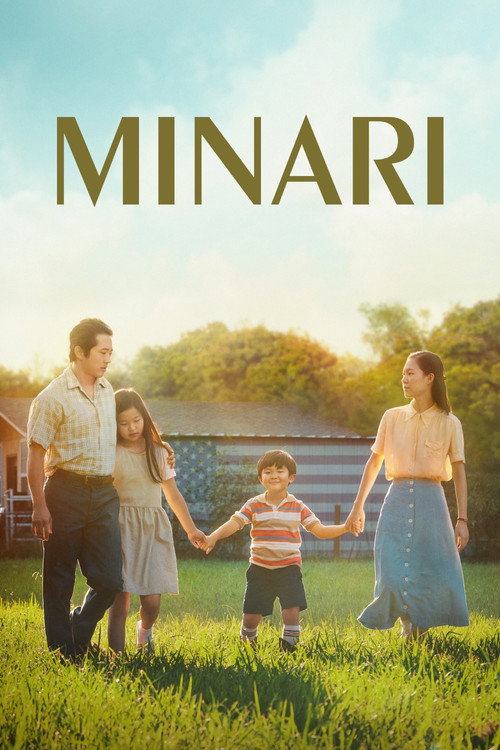
Minari2021
A family dreams of a better life and chases it across America. Like *Husbands*, it's about the gap between what we want and what freedom actually looks like. Quieter, kinder, but asking the same questions.
But If you want Cassavetes' chaos and rawness, this is measured and composed. It's a corrective, not a match.
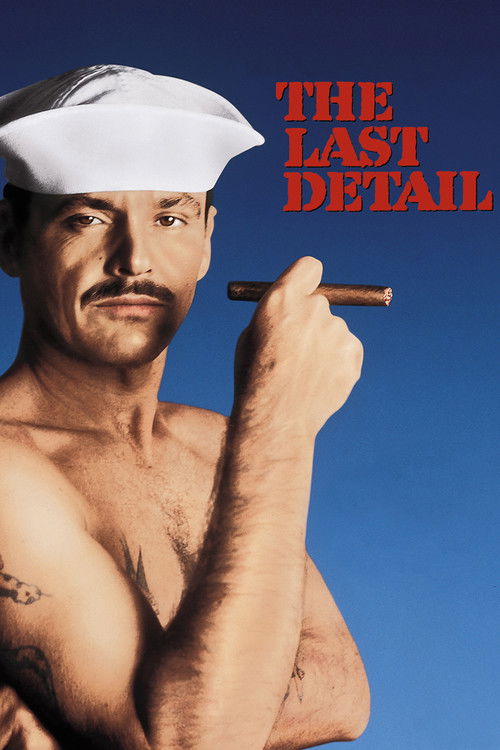
The Last Detail1973
Two Navy men escort a prisoner to prison and spend days trying to give him one last taste of freedom. It's about male friendship and failure and time running out, shot with observational grace. Nicholson and Otis Young are perfect.
But The profanity and sexual content feel performative now. Doesn't have *Husbands*' commitment to the uncomfortable.
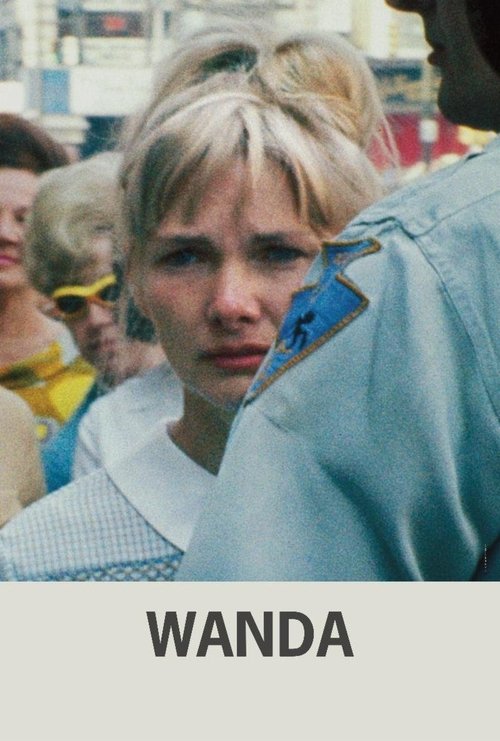
Wanda1970
*Husbands* shows men fleeing their lives; *Wanda* shows a woman already adrift in hers. Same era, same aesthetic of improvisation and rawness, opposite conclusions about who gets to escape and what it costs.
Barbara Loden's one film, made the same year as *Husbands*. A woman drifts into a man's world and crimes with blank acceptance. Rough, documentary-like, about passive self-destruction. It's what *Husbands*' freedom looks like when you don't have the privilege of calling it liberation.
But It's almost plot-less and deeply unglamorous. The passive protagonist frustrates viewers who want action or resistance. Black-and-white and grainy, shot fast.
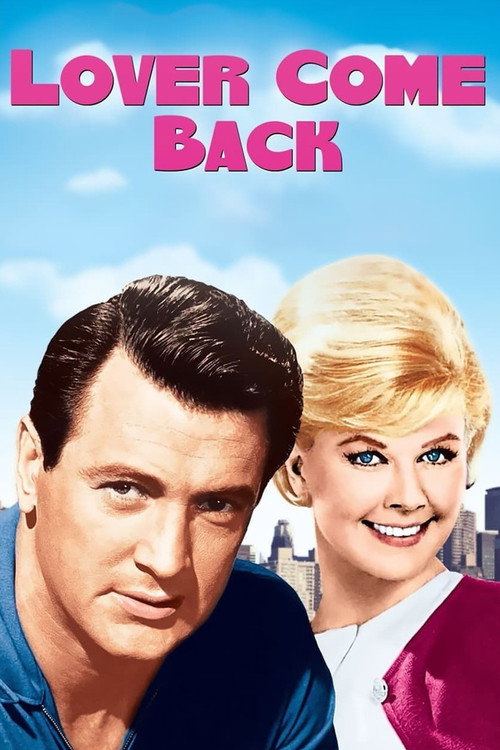
Lover Come Back1961
Both are about men running from responsibility and the women left behind, but *Lover, Come Back* is what a studio system film made of those themes—operatic, forgiving. *Husbands* tears away the romance and shows the selfishness. Watching them together is watching cinema learn to see men differently.
An opera tenor seduces a woman, abandons her, returns years later seeking redemption. It's melodrama and sentiment and European despair—a direct precursor to the post-war male guilt and flight that animates *Husbands*. The music and the anguish are real.
But It's a 1946 Hollywood romance, which means it feels artificial next to Cassavetes' grain. The moral universe is neater. If you're allergic to classical Hollywood style, this won't work.
People
Cast
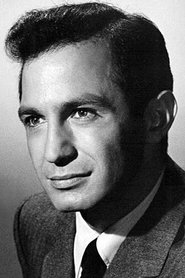 Ben GazzaraHarry
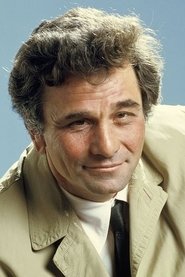 Peter FalkArchie Black
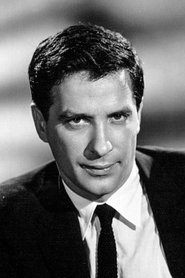 John CassavetesGus Demetri
 Jenny RunacreMary Tynan
- Jenny Lee WrightPearl Billingham
- Noelle KaoJulie
- John KullersRed
- Meta Shaw StevensAnnie
- Leola HarlowLeola
- Delores DelmarThe Countess
 Eleanor ZeeMrs. Hines
- Claire MalisStuart's Wife
Directing
- Alan HopkinsAssistant Director
- Philip MeadAssistant Director
- Simon HinklyAssistant Director
- John CassavetesDirector
Writing
- John CassavetesWriter
Production
- Sam ShawAssociate Producer
- Tom BusbyCasting
- James JoyceCoordinating Producer
- Al RubanProducer
- Robert GreenhutProduction Manager
- Fred C. CarusoProduction Supervisor
Recommended by
Curb Your Enthusiasm, The Iceman Cometh, California Split, Faces, Postcards from the Edge, Shoot the Moon, Taxi Blues, The Best Man, Scenes from a Marriage, Minnie and Moskowitz, The Bitter Tears of Petra von Kant, Love Streams, The Last Affair, The Marriage of a Young Stockbroker, Henry & June, Interiors, Mistress, Malcolm & Marie, Shit Year, Summer Wishes, Winter Dreams