
Film
The Bitter Tears of Petra von Kant
Rainer Werner Fassbinder's 1972 chamber piece about a predatory fashion designer who becomes obsessed with a younger woman. Claustrophobic, theatrical, and suffocatingly intimate—shot almost entirely in one room with baroque wallpaper and a life-size doll. It's cruel, funny, and devastatingly sad. For anyone who understands that love can be a weapon.
Should you watch it?
Watch it if you love stagey, talky chamber pieces where the camera stays close and the cruelty is conducted through dialogue, posture and power games rather than action.
Skip it if you need plot momentum or a lot of variety; it is slow, nearly all one room, and its emotional cruelty is relentless enough to feel punishing rather than cathartic.
What it asks of you: It asks for patience with one apartment, lengthy scenes of talk, and a stylised, deliberate pace; at 124 minutes you sit with its heat for over two hours.
Not sure? Find tonight's pick in a minute.
If you liked this
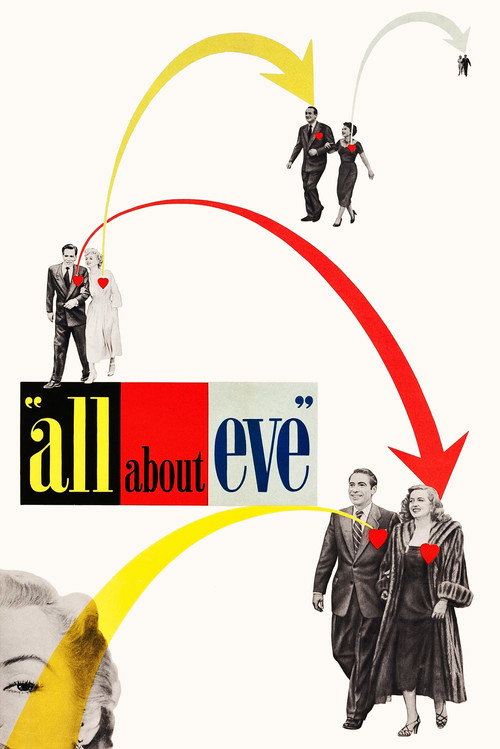
All About Eve1950
A masterclass in female ambition, manipulation, and the theatre of social climbing. Like Petra, it's wickedly funny about women who use charm as a scalpel. The claustrophobia is different, but the moral texture is similar.
But It's a 1950s Hollywood film, so it moves in a different register—slicker, glossier, less willing to sit in ugliness the way Fassbinder is.
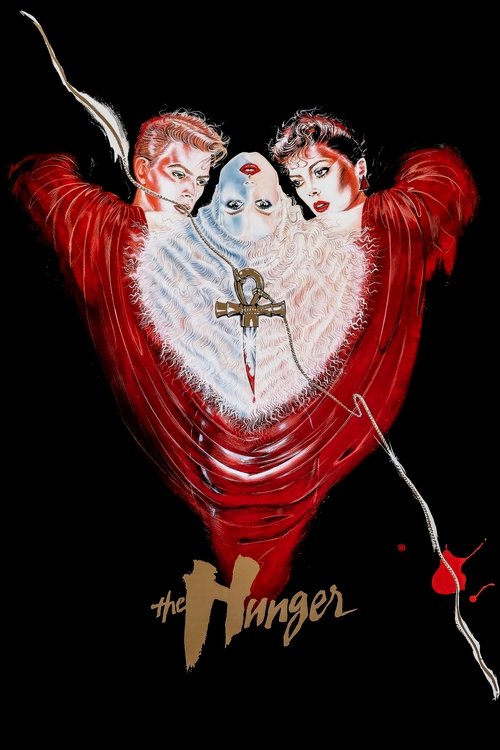
The Hunger1983
Another portrait of seduction and predatory obsession, this time between two women across centuries. It's sensual, visually stunning, and understands exactly how desire can corrupt and consume. Both films are about power wearing the mask of love.
But It's more Gothic and fantastical; the erotic charge is immediate and foregrounded in ways Petra keeps deliberately repressed and uncomfortable.
Mulholland Drive2001
Lynch's meditation on performance, obsession, and the cruelty of unrequited desire in Los Angeles. Like Fassbinder, he finds horror in the gap between who we pretend to be and who we are, and he makes that gap visually stunning.
But It's nearly three hours, deliberately fragmented, and refuses to explain itself. Some people find that liberating; others find it infuriating.

Not sure tonight? Get a pick in a minute, starting from The Bitter Tears of Petra von Kant
The wildcard
Something you would not have found on your own.
Contempt1963
Both are about how performance and authenticity collapse in relationships, and both understand that the gap between what we say and what we mean can destroy everything.
Godard's film about a marriage falling apart on the set of a film production. It has Fassbinder's interest in how desire and power operate in enclosed spaces, but it's formally experimental in completely different ways—jump cuts, primary colors, direct address to camera, the Odyssey as backdrop. It's about how language breaks down when love fails.
But It's challenging on purpose. Some find Godard's self-consciousness exhilarating; others find it mannered and cold. There's also a famous scene that ages poorly by contemporary standards.

More like this (7)
Jeanne Dielman, 23, quai du Commerce, 1080 Bruxelles1976
Chantal Akerman's epic of domestic ritual and control. Slower than Petra, but equally obsessed with how power operates in enclosed spaces and how women survive (or don't) within systems that constrain them.
But Three hours of a woman cleaning, cooking, and receiving clients. The pace is glacial. If you're looking for plot, you will have a very bad time.

The Servant1963
Joseph Losey's exploration of how servitude and desire become indistinguishable. A servant works his way into his employer's life and erodes the boundary between service and control. Fassbinder clearly learned from this.
But It's British and mannered, bound by the sexual repression of early 1960s cinema. It circles around what it can't say; Petra says it all.

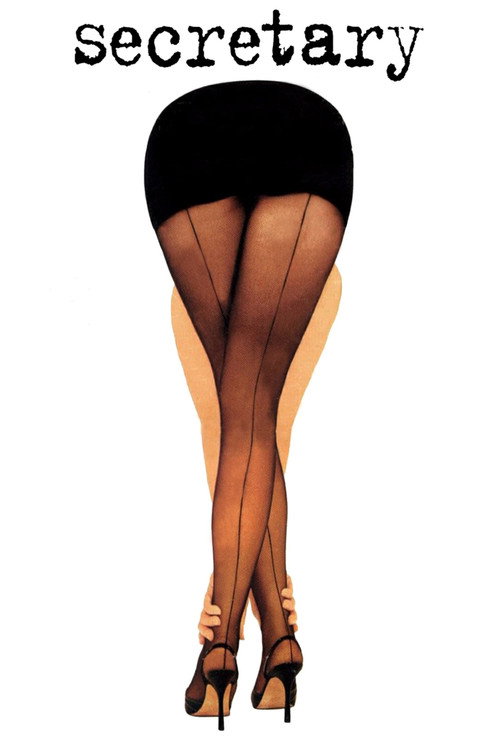
Secretary2002
A very different take on secretary-boss dynamics and obsession, but it understands the erotics of power and servitude in ways that make you uncomfortable. Darkly funny about need and desire.
But It's a romance, ultimately; it believes in redemption through love. Petra has no interest in redemption for anyone.
In a Lonely Place1950
Ray's portrait of a charming man whose cruelty emerges only once you're close enough to see it. The slow realization that affection can mask contempt is what makes both this and Petra so quietly devastating.
But It's a noir, so the grammar is different—more restrained, more formal. Less theatrical than Fassbinder's baroque intensity.

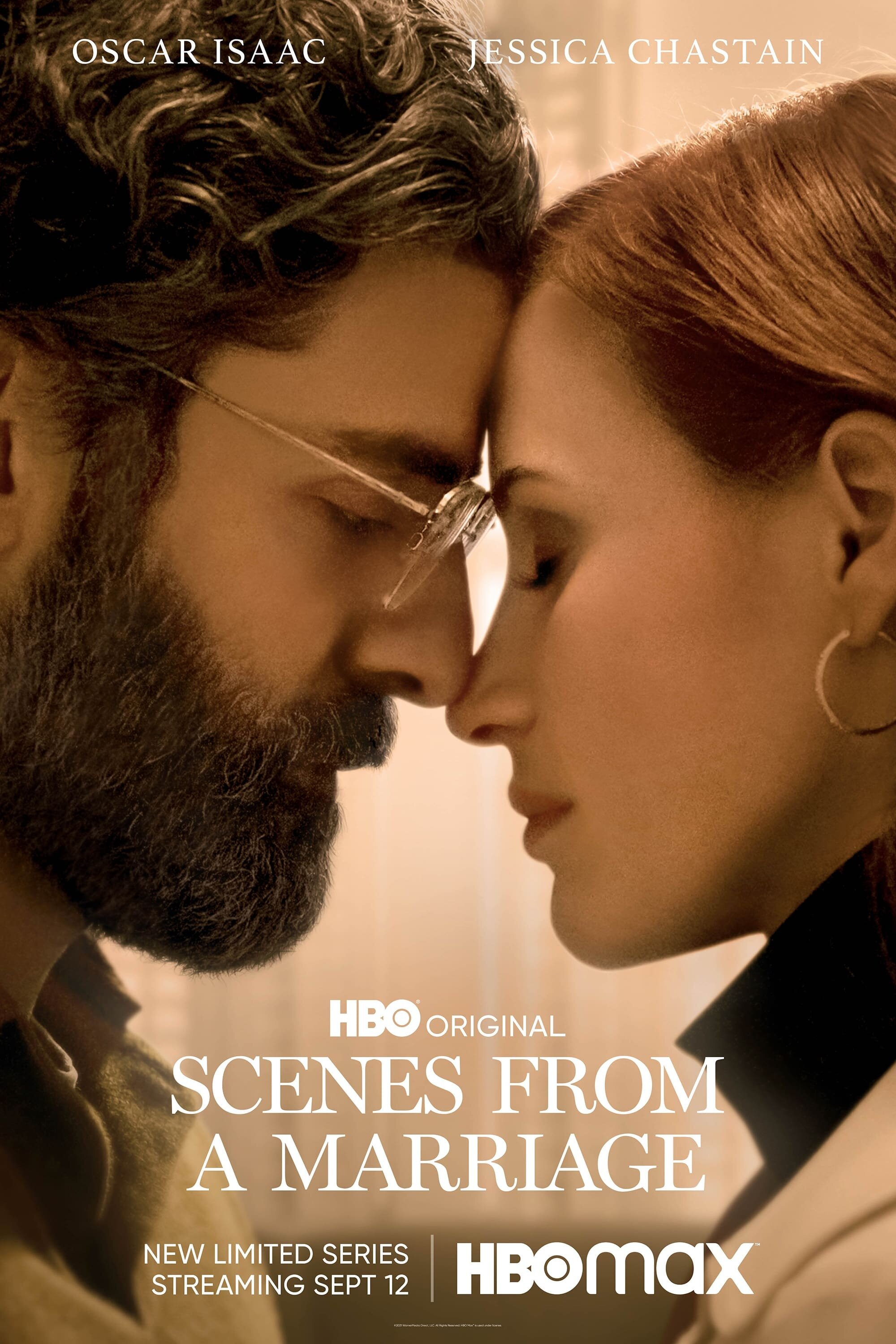
Scenes from a Marriage2021
Bergman's vivisection of intimacy and the slow mutual destruction that can happen between two people who are bound together. Like Petra, it's chamber-like, theatrical, and interested in how love becomes a weapon.
But It's a Swedish TV miniseries from the 1970s and it's in Swedish. Not everyone wants to spend five hours watching a marriage dissolve, even if it's brilliant.
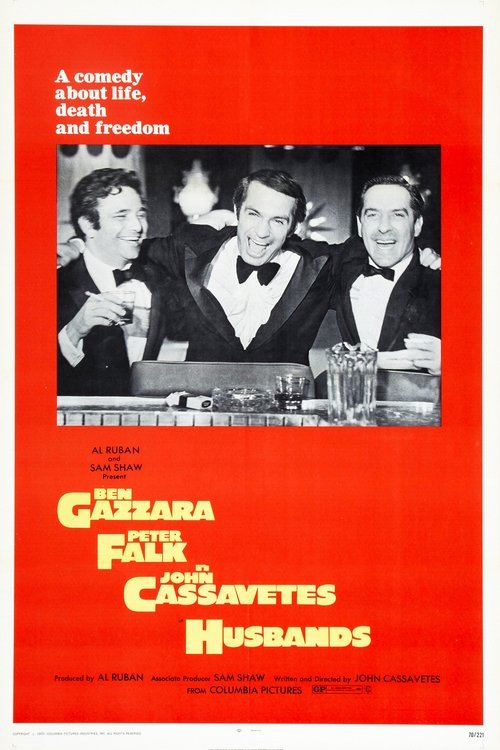
Husbands1970
Both films reject sentimentality about human connection and insist on showing you the ugliness underneath. Both are intensely committed to wasting no time on false comfort.
John Cassavetes' raw, improvisatory film about three men imploding after a friend's death. It's the inverse of Petra—less controlled, more chaotic, but equally obsessed with how people hurt each other under the pretense of intimacy. Handheld camera, no score, real actors breathing in real rooms.
But It's rambling, sometimes incoherent, shot like a home movie. If you want a clean narrative, this will drive you mad. And it's 142 minutes of men being awful without apology.
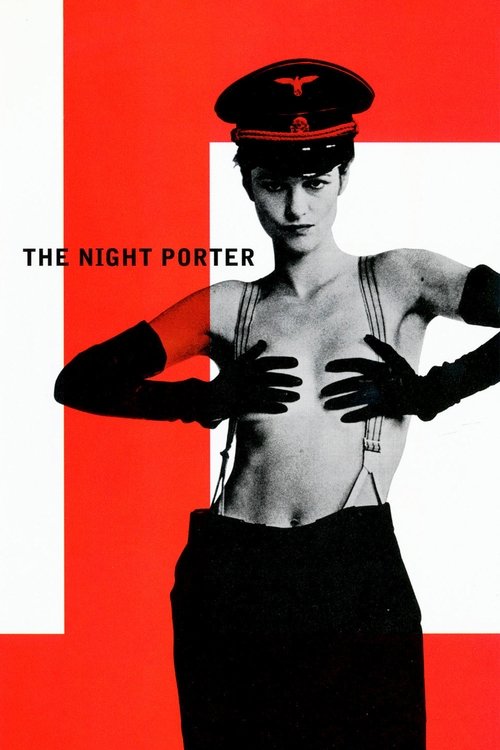
The Night Porter1974
Both films are interested in how power and vulnerability become indistinguishable, and both refuse to look away or offer easy moral solutions. Both also suggest that the most dangerous relationships are those where damage recognizes itself in another person.
Liliana Cavani's perverse masterpiece about two former lovers—a Nazi commandant and a concentration camp survivor—reunited in a hotel years later. Like Petra, it's about the erotics of power and damage, about how desire can bloom in the most corrupted soil. Disturbing, visually hypnotic, morally uncompromising.
But It deals with Nazi trauma and features a scene of graphic sexual violence. It's been called exploitative and for good reasons—it asks you to sit with material that has no right to be erotic, and then makes it erotic anyway.
People
Cast
 Margit CarstensenPetra von Kant
 Hanna SchygullaKarin Thimm
 Katrin SchaakeSidonie von Grasenabb
 Eva MattesGabriele von Kant
 Gisela FackeldeyValerie von Kant
 Irm HermannMarlene
Directing
- Harry BaerAssistant Director
- Kurt RaabAssistant Director
- Rainer Werner FassbinderDirector
- An Dorthe BrakerScript Supervisor
Writing
- Rainer Werner FassbinderScreenplay
Production
- Michael FenglerProducer
- Rainer Werner FassbinderProducer
- Karl ScheydtProduction Manager
Recommended by
Shadow of the Vampire, The Marriage of Maria Braun, Rainer Werner Fassbinder's World on a Wire: Looking Ahead to Today, In a Year with 13 Moons, Querelle, The Second Act, Effi Briest, Ticket of No Return