
Film
Rainer Werner Fassbinder's World on a Wire: Looking Ahead to Today
A fifty-minute documentary exploring the creation and legacy of Rainer Werner Fassbinder's visionary 1973 science-fiction television miniseries. Through interviews with cinematographer Michael Ballhaus, producers, and collaborators, it examines how Fassbinder conceived a prescient exploration of simulation and consciousness decades before such ideas became mainstream. Essential viewing for those curious about German New Cinema and the architect behind *Berlin Alexanderplatz*.
Should you watch it?
Watch it if you already know Fassbinder's World on a Wire, or care how a 1970s TV science-fiction film was made, and want craft talk from the people who worked on it.
Skip it if you want the 1973 drama itself, since this is a talk-led look back at its making, built from interviews rather than the story.
What it asks of you: About fifty minutes of interview-led talk, unhurried and conversational, so it rewards patience and some prior interest in the source film.
Not sure? Find tonight's pick in a minute.
If you liked this
Welt am Draht1973
Fassbinder's two-part teleplay that predicted virtual reality and nested realities. Formally audacious, conceptually dense, and hypnotic. This documentary's subject matter—see it before or after this film for full context.
But Slow-burn, deliberately artificial staging and long takes. No plot in the conventional sense; ideas matter more than action.
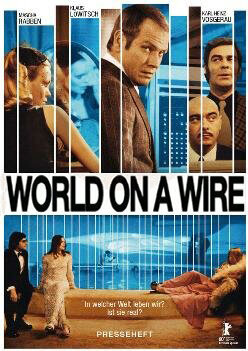
The Marriage of Maria Braun1979
Fassbinder's most accessible masterwork. A woman navigates postwar German society with intelligence and ruthlessness. Superbly crafted, emotionally devastating, and Hanna Schygulla is extraordinary throughout the film.
But Bleak worldview where survival requires moral compromise. Female suffering is central to the story and not romanticized or softened.
Berlin Alexanderplatz1980
Fourteen-hour adaptation of Döblin's novel about Berlin's underworld. Epic in scope, dazzling in invention. One of cinema's supreme achievements. Ballhaus's cinematography is luminous and hypnotic.
But Its length demands commitment. The style is deliberately theatrical and artificial, which takes adjustment. Violence and degradation are not shown for catharsis.

Not sure tonight? Get a pick in a minute, starting from Rainer Werner Fassbinder's World on a Wire: Looking Ahead to Today
The wildcard
Something you would not have found on your own.
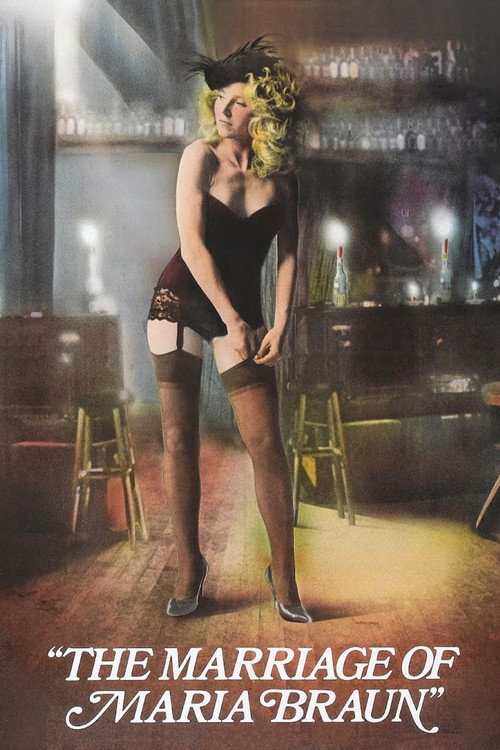
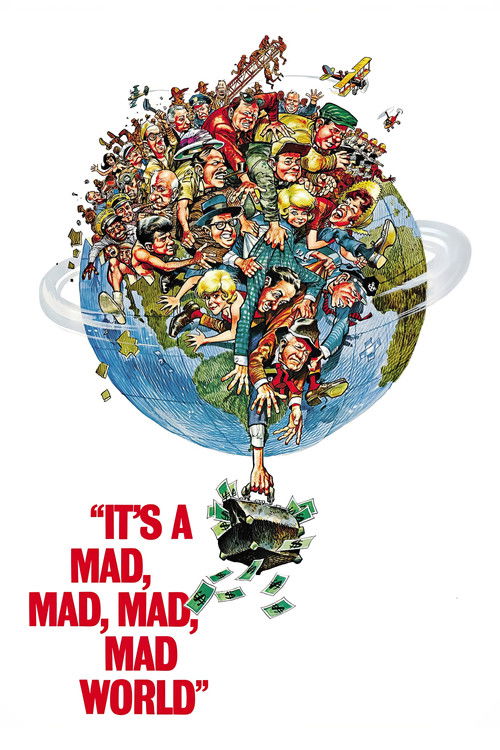
It's a Mad, Mad, Mad, Mad World1963
Both use elaborate constructed systems—one comedic, one sinister—to explore how performance and structure determine human behavior and desire.
A three-hour treasure-hunt comedy that shares Fassbinder's fascination with systems, performance, and artifice. Beneath the slapstick runs a coldly satirical view of American capitalism and greed. Virtually shot as a constructed world.
But The comedy is broad and sentimental by Fassbinder standards. Its optimism about human nature contradicts the documentary's darker vision entirely.
More like this (7)
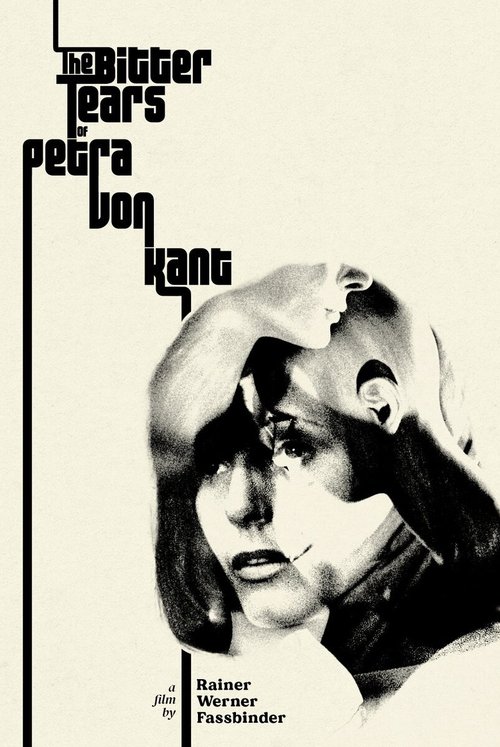
The Bitter Tears of Petra von Kant1972
Chamber piece about desire, dependency, and power between two women. Shot in a single apartment with minimal camera movement, it's theatrical and claustrophobic. Fassbinder at his most intimate and psychologically penetrating.
But Confined space and repetitive rhythms can feel static. The emotional dynamics are suffocating by design—this isn't easy viewing.
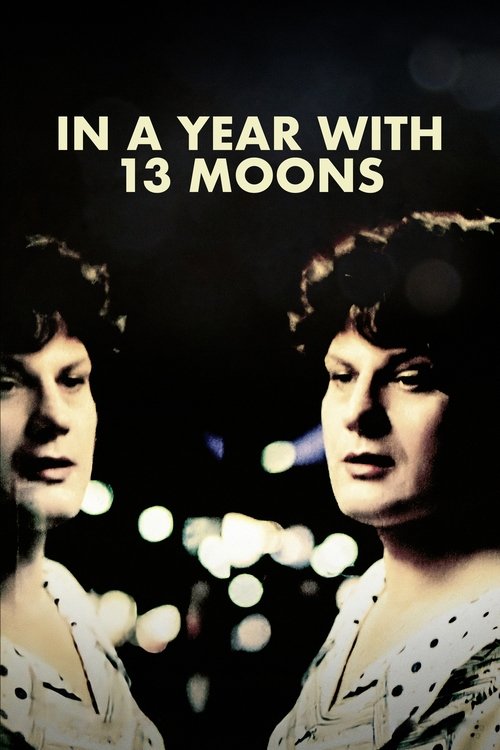
In a Year with 13 Moons1978
Fassbinder's most personal film: a trans woman returns to her hometown after abandonment. Raw, experimental, formally fractured. It's grief and rage at maximum intensity, filmed with extraordinary formal daring.
But Structurally unconventional and emotionally brutal. Deals with suicide, betrayal, and social cruelty. Not cathartic—it leaves you shaken.
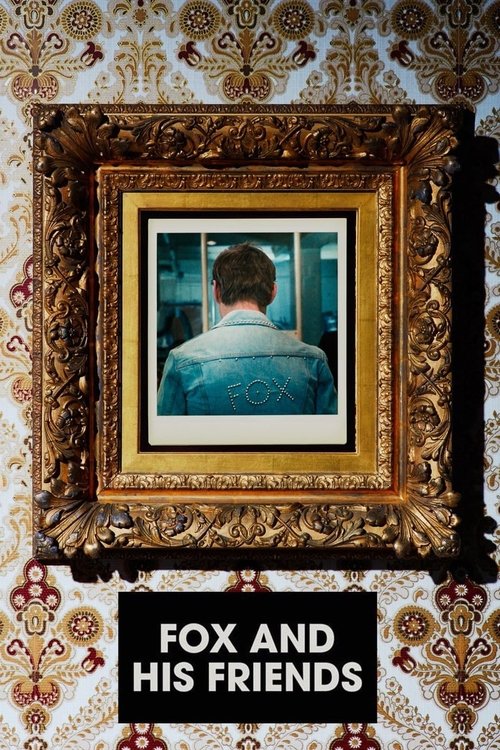
Fox and His Friends1975
A working-class man wins the lottery and enters a bourgeois gay relationship. Fassbinder's tragic farce: subtle, funny, and heartbreaking in equal measure. A perfect film about class, love, and exploitation.
But Gay relationship shown without sentimentality—it's predatory and transactional. The ending is devastating rather than affirming.
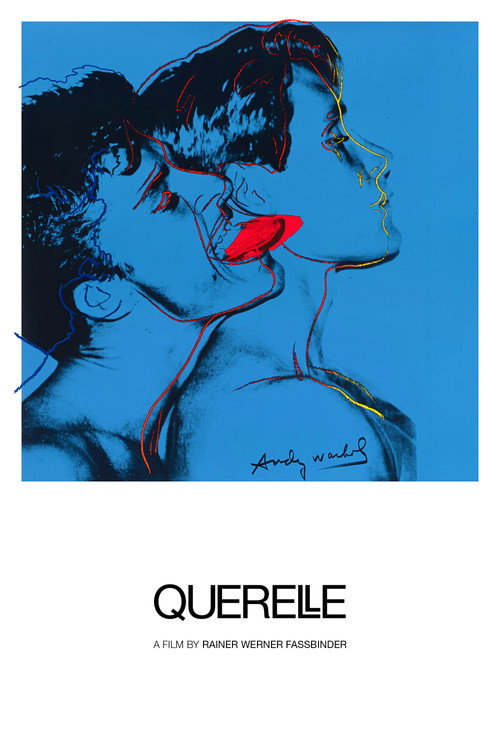
Querelle1982
Fassbinder's final film, based on Genet's novel. A sailor in a brothel embodies desire and violence. Operatic, hallucinatory, gorgeously composed. Defiant and experimental to the end.
But Deliberately artificial and camp. Homoerotic content is explicit. The narrative is dreamlike and refuses conventional coherence—it's mood over story.
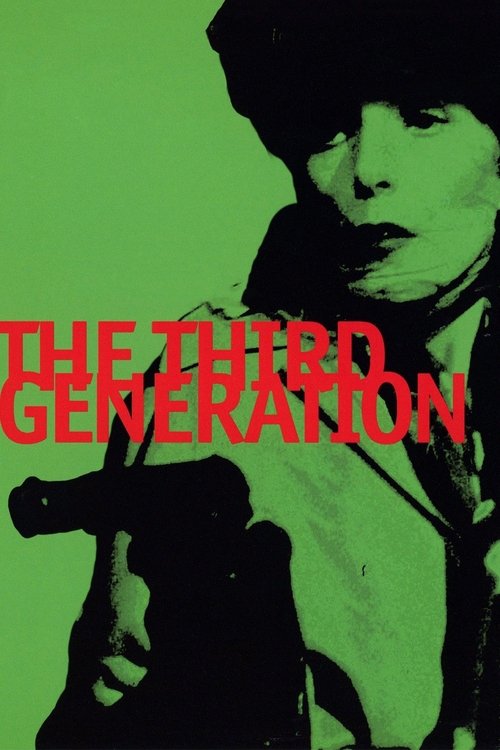
The Third Generation1979
A group of terrorists and their handlers navigate betrayal and ideology. Fassbinder's most formally playful political thriller. Satirical, kinetic, and visually inventive throughout.
But Politics are deliberately muddled; Fassbinder offers no clear answers. The editing and framing can feel chaotic and deliberately confusing.
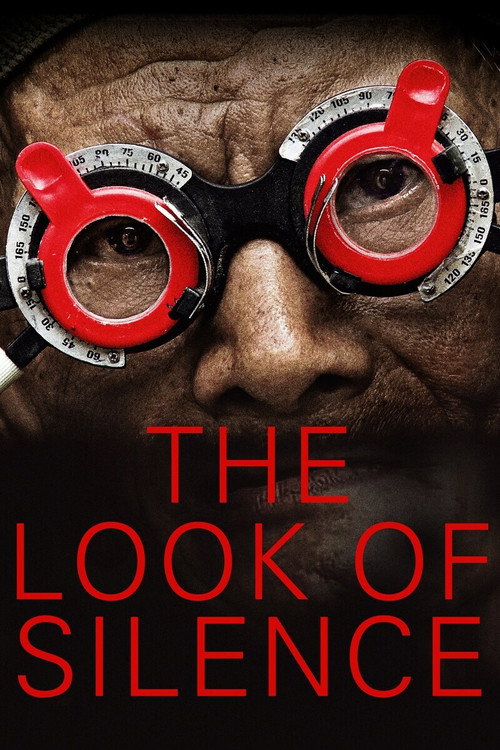
The Look of Silence2014
Both Fassbinder and Oppenheimer use layered, constructed forms to examine collective responsibility and how systems of violence shape human consciousness and performance.
Joshua Oppenheimer's documentary about genocide's aftermath in Indonesia. Formal experiment: the filmmaker's presence is invisible yet felt; the film feels both theatrical and documentary. Profound meditation on complicity and mortality.
But Watches like avant-garde theater more than conventional documentary. Extremely patient and slow-paced. Centers on atrocity and historical trauma without offering catharsis.
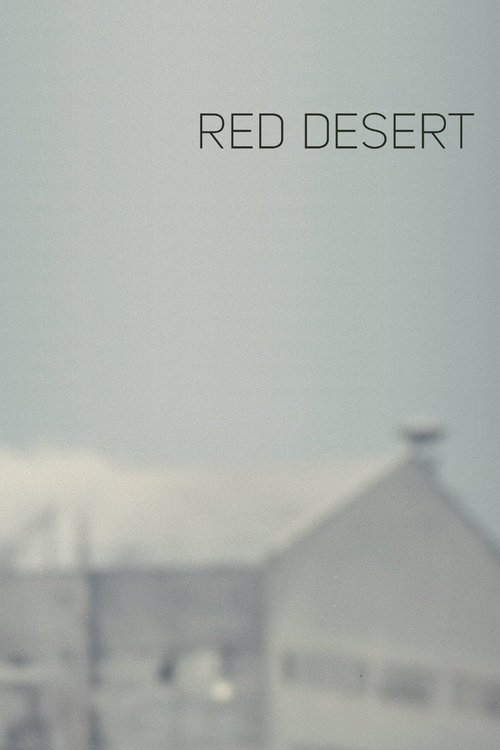
Red Desert1964
Both films predate digital simulation but visualize worlds where reality has become thoroughly mediated, constructed, and artificial. Human consciousness and environment merge into one alienated system.
Antonioni's only color film: a woman adrift in an industrial landscape. Visually stunning abstraction of alienation and simulation. Every frame is composed like a painting. A prophecy of environmental and psychological devastation.
But Almost plotless. Gorgeous but emotionally inert. The woman's behavior is often inexplicable—intention is secondary to atmosphere.
People
Cast
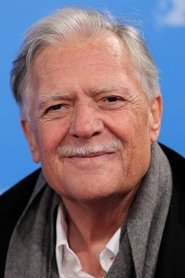 Michael BallhausSelf
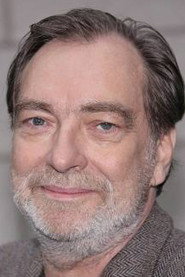
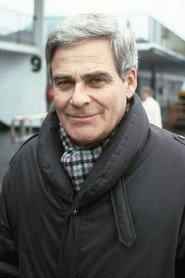
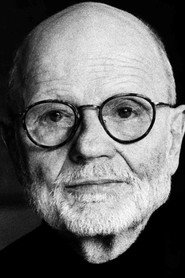 Günter RohrbachSelf
- Moritz EggertSelf
- Roland BlachSelf
- Traudl NicholsonSelf
- Juliane LorenzSelf (uncredited)