
Television series
Welt am Draht
A 1973 German sci-fi thriller where a computer scientist discovers his world might be a simulation. Rainer Werner Fassbinder's baroque, paranoid masterpiece treats virtual reality as philosophical noir. It's hypnotic and labyrinthine—for viewers who want their ideas tangled with mood, not served neat.
Should you watch it?
Watch it if you like philosophical puzzles told with cold, patient camera work, where the dread grows from doubting what's real rather than from explosions.
Skip it if you need brisk pacing or quick payoffs, since this is slow, talky and built on long stretches of conversation that test your patience across its two parts.
What it asks of you: Roughly ninety minutes over two parts, it moves at a hush, lingering on rooms and faces, and wants you alert through long quiet stretches rather than jolts.
Not sure? Find tonight's pick in a minute.
If you liked this
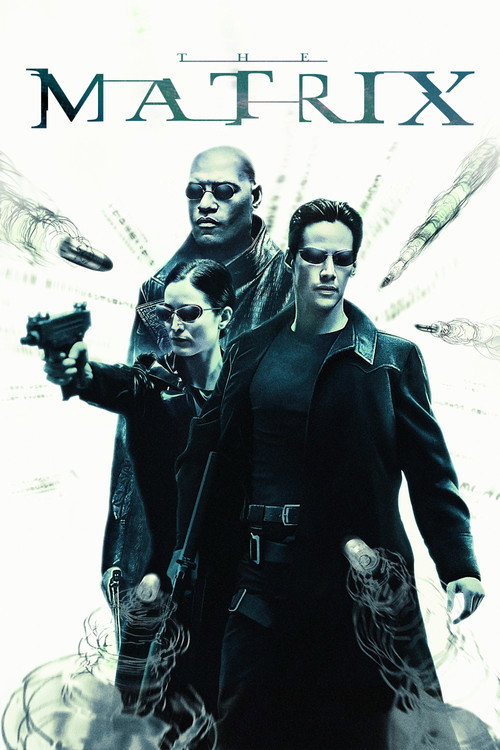
The Matrix1999
The template for simulation-reality stories, but Fassbinder got here first and stranger. Watch both and feel how Fassbinder's is weirder, slower, more uncertain—less assured about what it's showing you.
But If you want clarity or a clean philosophical argument, The Matrix's bullet-time spectacle might frustrate you with its languid pacing and ambiguous resolution.
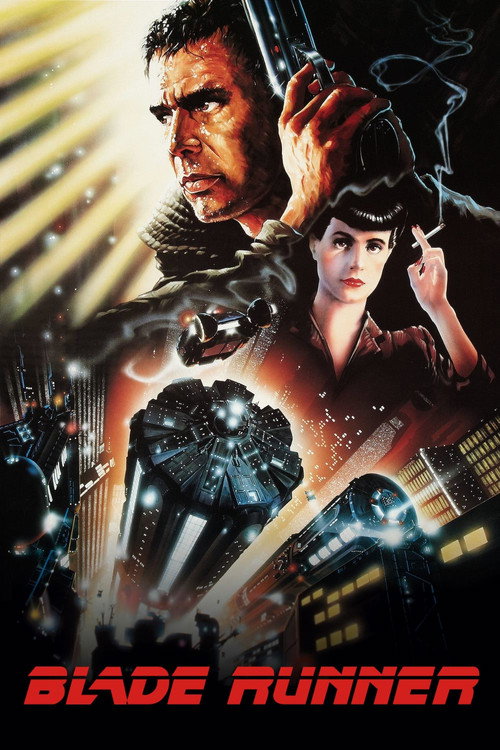
Blade Runner1982
Another paranoid 70s-inflected meditation on what's real and what's artificial, with the same brooding atmosphere and the same refusal to comfort you with easy answers about consciousness.
But Dense, slow-burn sci-fi that demands patience. Some find Ridley Scott's world-building gorgeous; others find it tedious.
Mulholland Drive2001
Lynch shares Fassbinder's obsession with fractured identity and simulated realities. Both films layer mystery on top of nightmare, making you doubt the story's logic as you watch it unfold.
But Deliberately obscure and frustrating by design. If you need plot clarity before investing emotionally, this will exhaust you.

Not sure tonight? Get a pick in a minute, starting from Welt am Draht
The wildcard
Something you would not have found on your own.
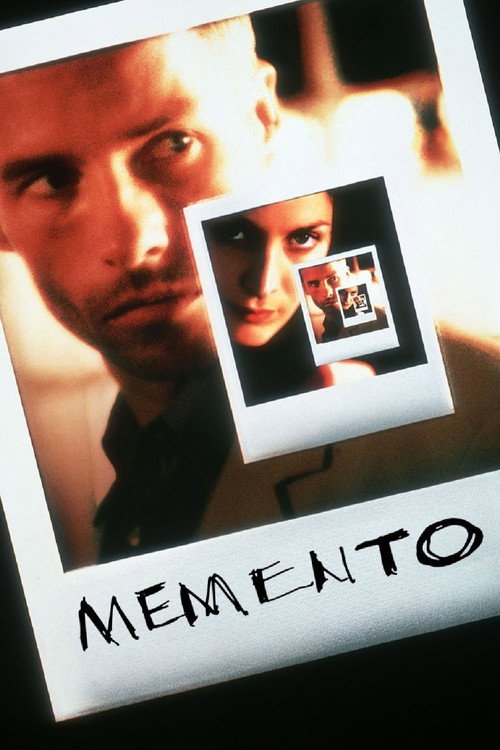
Memento2000
Both use narrative structure itself as the subject: you experience disorientation not as plot but as the film's actual argument.
Not about simulation, but about the unreliability of memory constructing identity. Nolan uses fractured chronology the way Fassbinder uses fractured reality—to make you doubt what you've just watched and seen.
But The novelty of backwards narrative can feel like a trick that wears thin. Some experience it as formally clever but emotionally cold.
More like this (8)
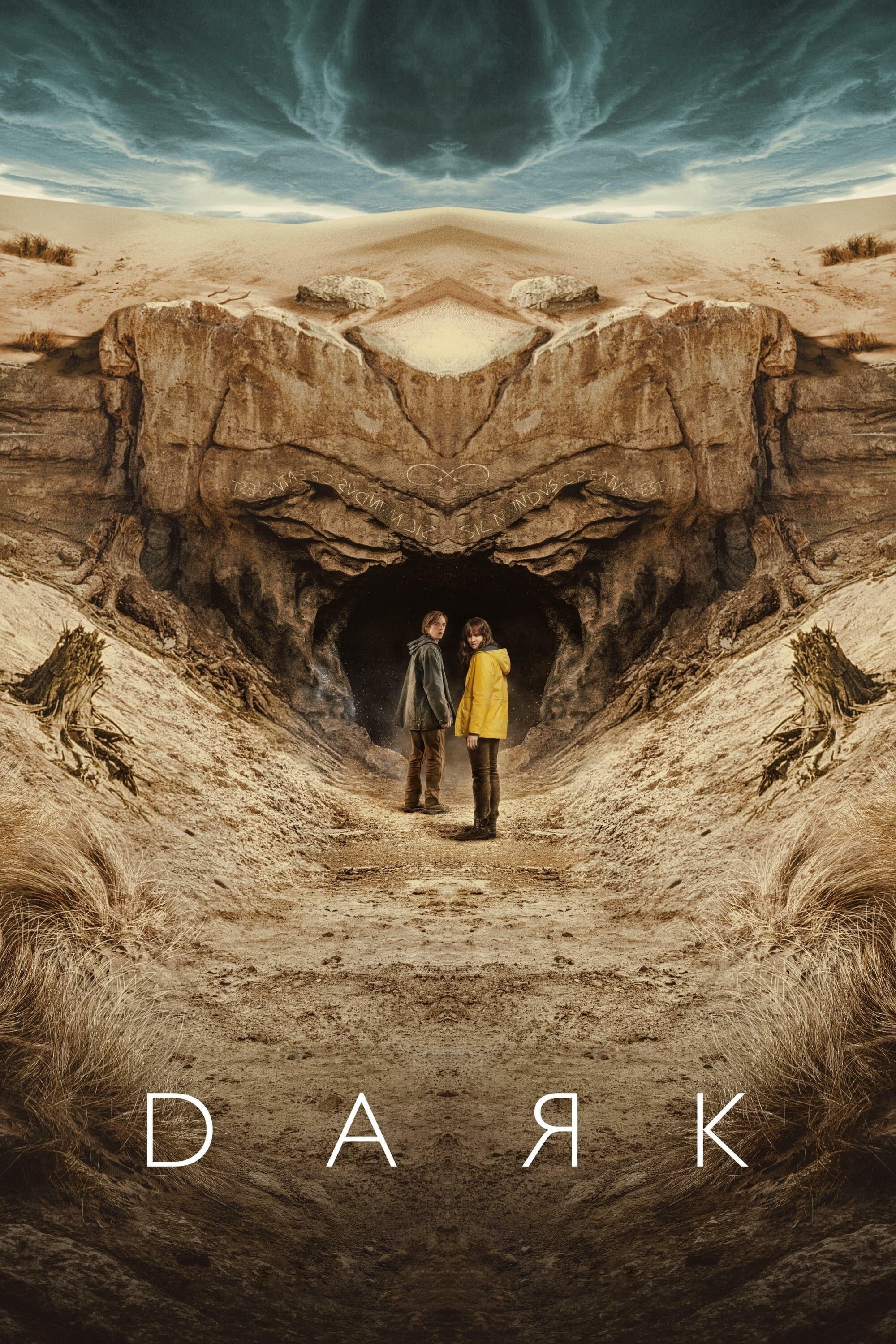
Dark2017
German TV sci-fi that owes a debt to Welt am Draht: recursive timelines, reality collapsing in on itself, a small town where nothing is what it seems. Same DNA, modern execution.
But Complex mythology that demands note-taking and rewatching. Gets progressively more baroque and less grounded.
Stalker1979
Tarkovsky's equally unhurried meditation on forbidden knowledge and what happens when you get too close to truth. Both films treat sci-fi concepts as gateways to philosophical dread.
But Even slower than Welt am Draht. If you found that patient, Stalker asks for more. Some call it transcendent; others find it punishing.

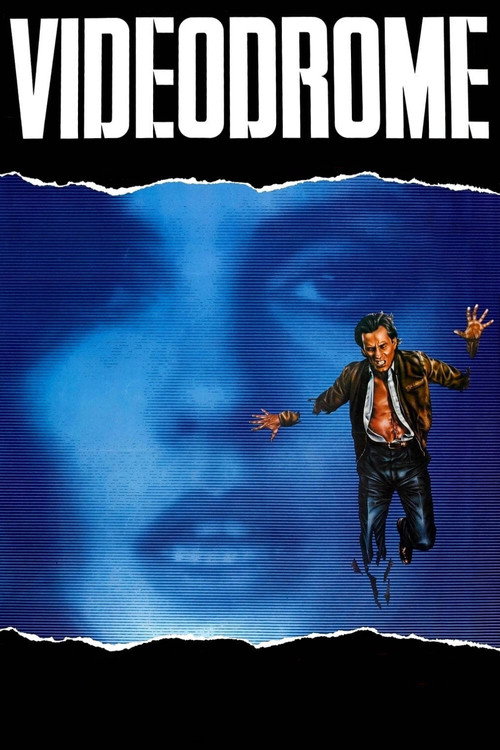
Videodrome1983
Cronenberg's answer to Fassbinder's question: what does it mean to be inside a constructed reality? Grotesque, visceral, and just as uncertain about the boundary between simulation and flesh.
But Body horror and sexual violence aren't subtext here—they're the text. It's unsettling in ways that go beyond intellectual.
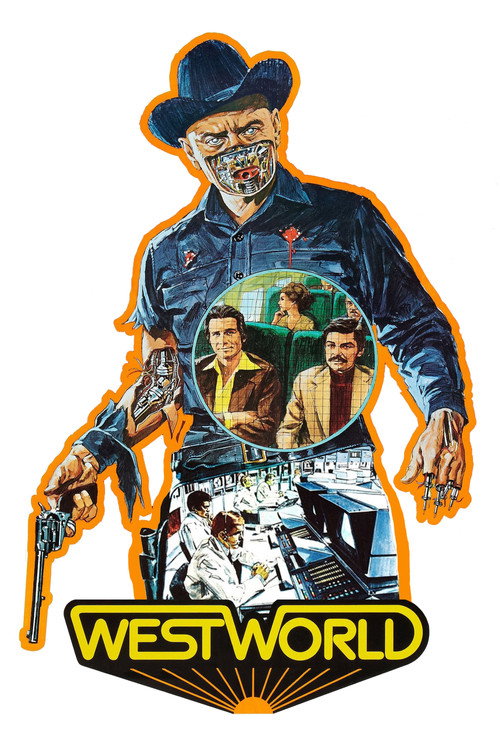
Westworld1973
Released the same year, Michael Crichton's film also asks whether artificial beings can break their programming. A cleaner, more plot-driven take on identical themes—illuminating by comparison.
But Feels pulpy and quaint next to Fassbinder. If you want baroque atmosphere, this is relatively straightforward thriller mechanics.
Synecdoche, New York2008
Kaufman's nested realities and obsession with simulation-within-simulation echo Fassbinder's structure, but filtered through American neurosis and creative despair. Same labyrinth, different flavor.
But Actively hostile to conventional storytelling. Even admirers sometimes find it exhausting rather than moving.

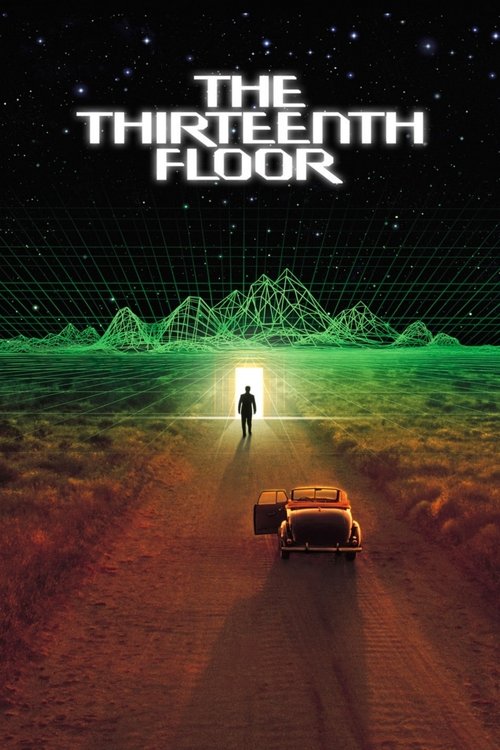
The Thirteenth Floor1999
A more straightforward simulation thriller that knows Welt am Draht exists. Good if you want the premise explored with clearer narrative—a useful stepping stone.
But Feels derivative of better films. Competent but lacking the atmospheric dread that makes its predecessors linger.
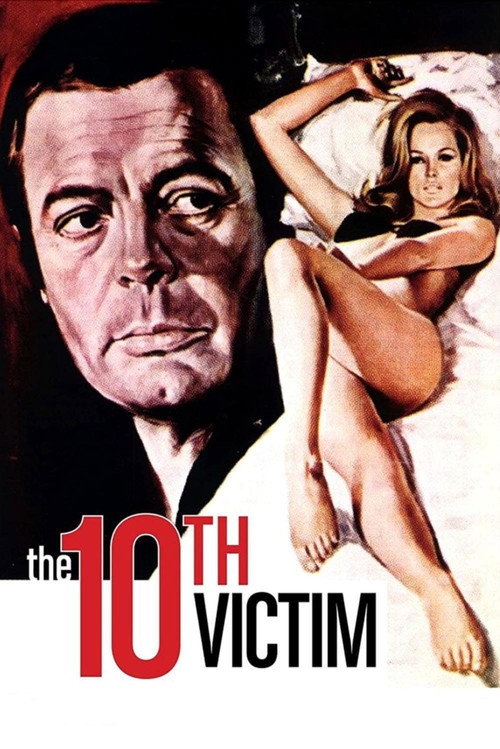
The 10th Victim1965
Both treat simulation-reality as a space where desire and power become indistinguishable, where the rules themselves are suspect.
Italian sci-fi camp that asks: what happens when simulation becomes society? Elio Petri's surreal 60s nightmare is tonal whiplash—absurdist, erotic, darkly funny—but the paranoia underneath is real.
But Jarring tonal shifts between satire and dread. Looks like a spy romp until suddenly it's not. Some find that brilliant; others find it incoherent.
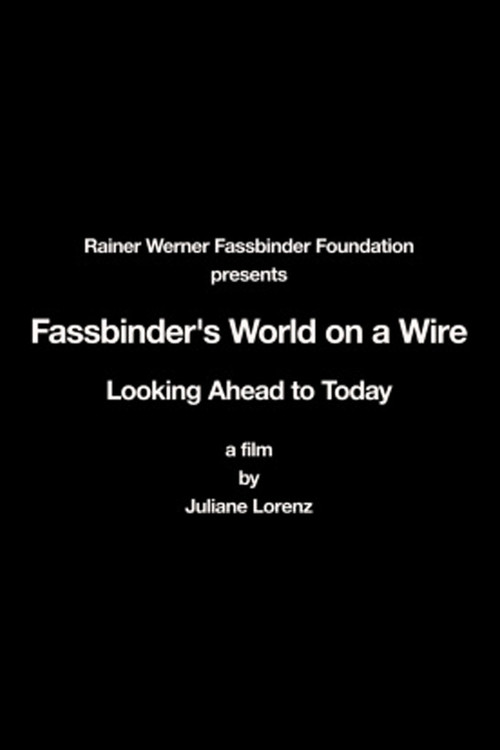
Rainer Werner Fassbinder's World on a Wire: Looking Ahead to Today2010
It's Fassbinder's own remix of his work, made a decade later with different priorities—a chance to see how he wanted it seen.
Rainer Werner Fassbinder's Welt am Draht edited into a 215-minute film for cinema release. If you loved the original's atmosphere but wanted it even denser, this is the director's definitive cut.
But If you've seen the TV version, this feels redundant rather than revelatory. It's not a remaster—it's a reshaping that some find self-indulgent.
People
Cast

Writing
- Rainer Werner FassbinderCreator
Production
- Alexander WesemannProducer
- Peter MärthesheimerProducer
Recommended by
The Matrix, Knowing, Elstree 1976, Minimalism: A Documentary About the Important Things, Doppelgänger, Friday Night, Forbidden Zone, Rainer Werner Fassbinder's World on a Wire: Looking Ahead to Today, Smart House, S.W.A.T., Science Fiction Theatre, Brainscan, The Medusa Touch, Saturn 3