
Film
The Thirteenth Floor
A 1999 sci-fi mystery about a man who discovers his reality might be a simulation. Stylish, genuinely twisty, built on an architecture of nested secrets rather than action. For anyone who loves movies that genuinely surprise you, that demand a second watch, that stick around after the credits.
Should you watch it?
Watch it if you enjoy slow-burn puzzle thrillers that let a big philosophical idea unspool across 1990s noir streets, where the mood of rain-slicked hotel bars and creeping paranoia matters as much as the reveals.
Skip it if you need brisk pacing or big set pieces, since it lingers on conversation and atmosphere, and its 1999 special effects show their age.
What it asks of you: Roughly a hundred minutes of measured, talky build in a cool grey palette that gradually deepens dread and rewards attention to small details in dialogue and setting.
Not sure? Find tonight's pick in a minute.
If you liked this
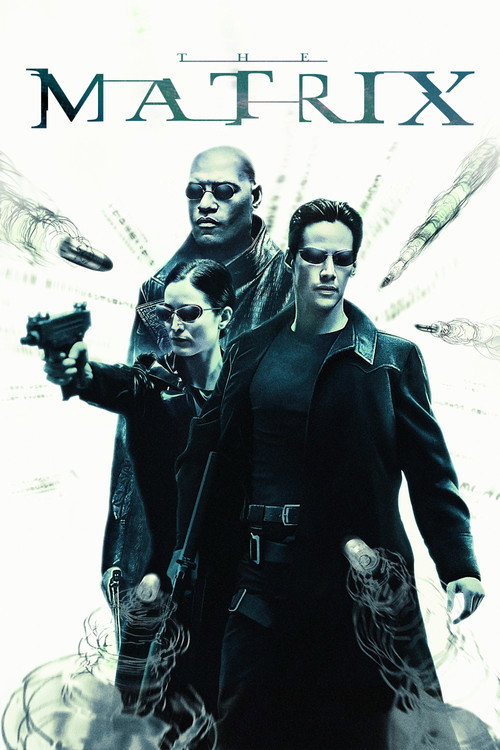
The Matrix1999
Released the same year, it asks the same core question about reality with more firepower. The Wachowskis' vision is bolder, the action immaculate, the mythology richer. If you loved Thirteenth Floor's premise, this is the essential counterpart.
But Hugely influential means you may have absorbed its ideas already. The sequels have muddied its legacy for some viewers.
Dark City1998
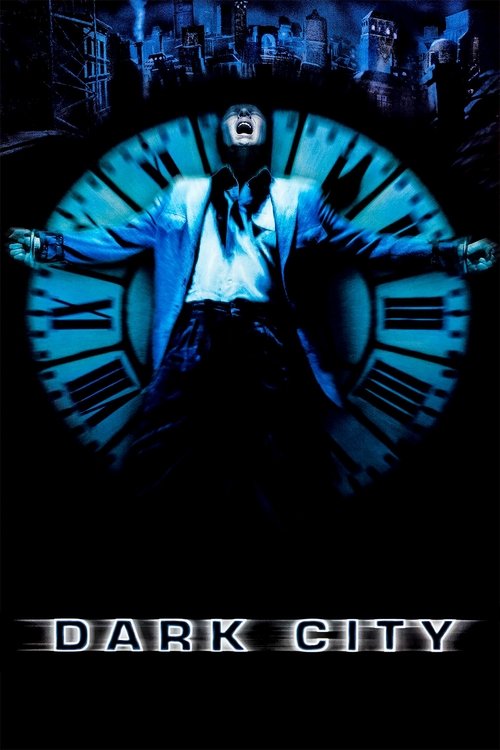
A noir-soaked simulation mystery that came just before Thirteenth Floor. Equally moody, visually inventive in completely different ways. It shares that sense of uncovering a conspiracy baked into reality itself, with genuine dread underneath.
But Slower-paced and deliberately obscure. The plot can feel deliberately opaque in ways that frustrate rather than intrigue.
Mulholland Drive2001
David Lynch's Los Angeles mystery about perception, identity, and what's real. Like Thirteenth Floor, it builds to a revelation that recontextualizes everything you've watched. Haunting and magnificent.
But It's Lynch—deliberately fractured, ambiguous by design. If you need answers spelled out, this will feel like a puzzle with missing pieces.

Not sure tonight? Get a pick in a minute, starting from The Thirteenth Floor
The wildcard
Something you would not have found on your own.
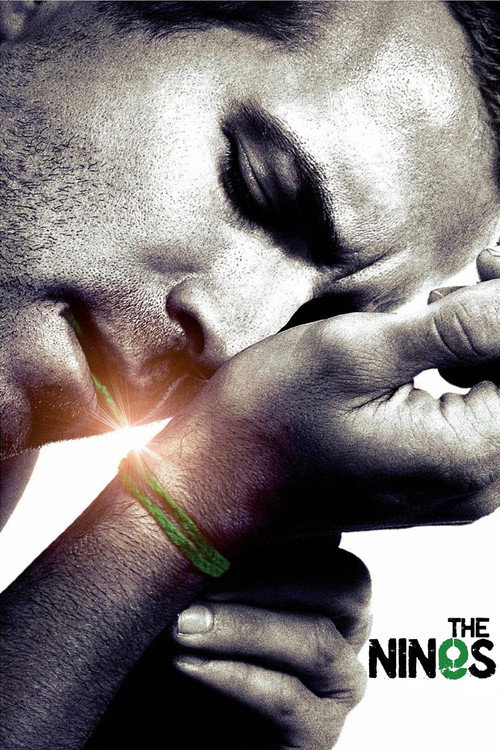
The Nines2007
Both use stacked realities as a meditation on identity and consciousness, but Thirteenth Floor solves its puzzle while The Nines embraces mystery as the point. One rewards detection; the other rewards surrender.
A filmmaker trapped in nested realities, each stranger than the last. Like Thirteenth Floor turned inside-out and made urgent. Formally inventive in ways that feel dangerous—it doesn't explain itself, it shows you.
But Cryptic to the point of opacity. Some feel enlightened; others feel deliberately mystified. Rewards obsessive rewatching or frustrates entirely.
More like this (8)
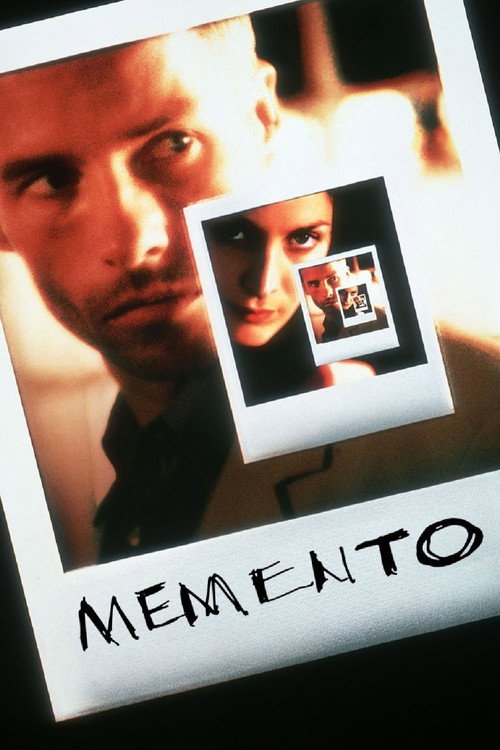
Memento2000
Christopher Nolan's puzzle-box about unreliable perception and memory. Structured to keep you off-balance, told backwards, built on the same principle: trust nothing, question everything.
But The gimmick—reversed chronology—can feel like a barrier rather than a tool. Some find it tries too hard to be clever.
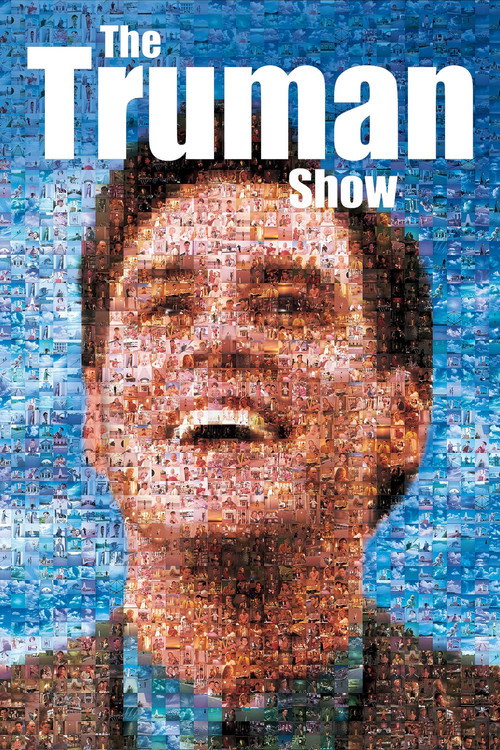
The Truman Show1998
Another 1998 reality-bender, but warmer and funnier. Shares Thirteenth Floor's fascination with simulated worlds, but approaches it with more humanity and genuine affection for its trapped protagonist.
But The tone is gentler, even comedic at moments. If you want dark paranoia rather than philosophical whimsy, this lands differently.
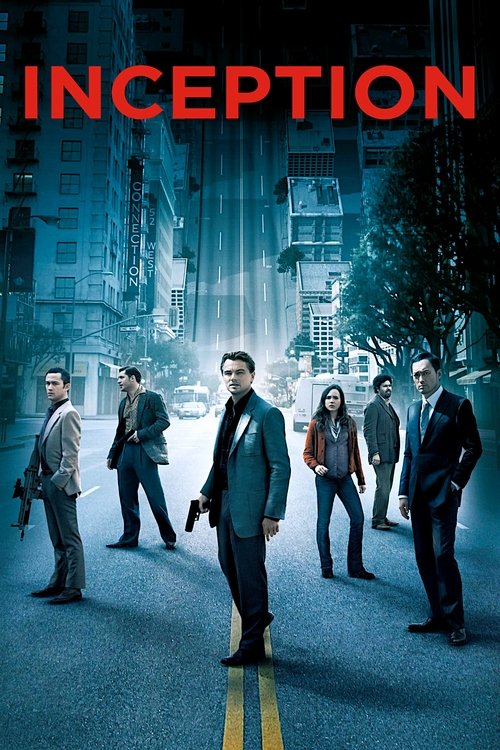
Inception2010
Nolan again, this time with stacked realities and the same obsession with whether you can trust perception. Visually stunning, intellectually ambitious, genuinely exciting in a way that earns its complexity.
But Ambitious to the point of bloat. Some find it overwrought, trying to balance spectacle and philosophy without quite nailing either.
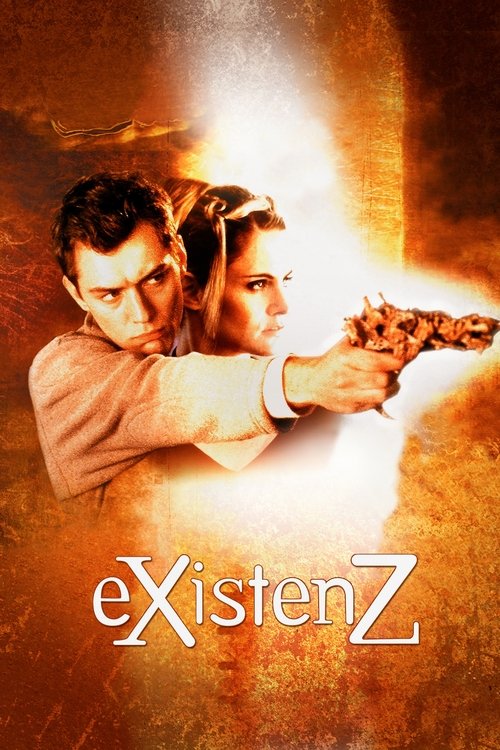
eXistenZ1999
Cronenberg's wonderfully weird take on simulated realities and consciousness. Released the same year as Thirteenth Floor, stranger and more unsettling. Grubby, organic body-horror sci-fi that asks the same questions differently.
But It's Cronenberg—uncomfortable and deliberately visceral. Not for anyone squeamish about what bodies do or how they merge with technology.
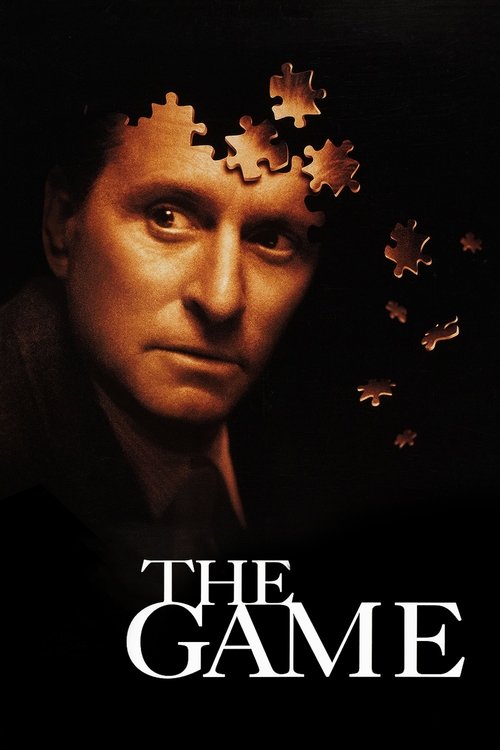
The Game1997
Fincher's tight thriller about a man whose reality becomes unmoored. Like Thirteenth Floor, it's about a wealthy man discovering the ground beneath him isn't solid. Paranoid, propulsive, genuinely clever.
But The ending divides people sharply. Some find it a perfect twist; others feel punched.
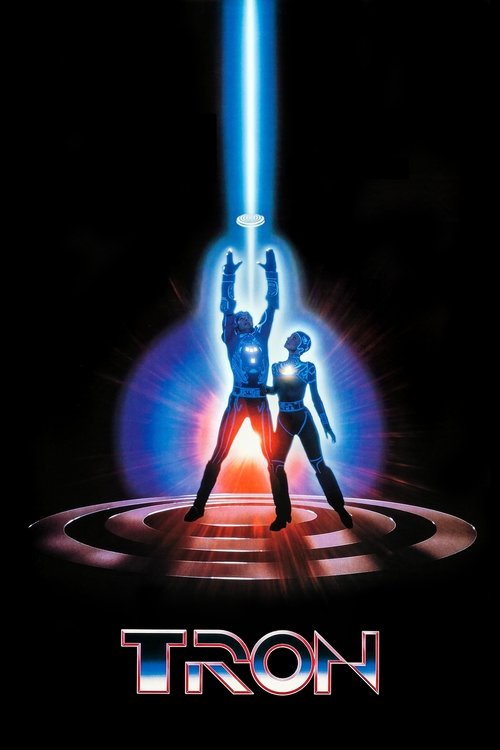
Tron1982
The original digital-world mystery, visually prophetic. It's lighter than Thirteenth Floor but shares the core fascination: what does consciousness mean inside a constructed reality? A genuine precursor, beautifully strange.
But Aged visuals and synthesizer score read as camp now. The philosophical depth is there, but the wrapper is very 1982.
Synecdoche, New York2008
Both are obsessed with the structure of realities nested inside each other, but where Thirteenth Floor treats simulation as mystery to solve, Synecdoche treats it as grief to endure. One is a puzzle; one is an ache.
Charlie Kaufman's masterpiece about a man building an elaborate simulation of life within life. Dizzying, hilarious, devastating. Like Thirteenth Floor's architecture applied to memory, art, and dying.
But It's difficult, long, and depressing in ways Kaufman won't relent on. The pleasure is in the discomfort; there's no comfort zone.

Paprika2006
Both pit a detective against a reality that's fundamentally unreliable, but Thirteenth Floor is rational-mystery-box while Paprika is dream-logic. One builds toward revelation; one dissolves into sensation.
Satoshi Kon's animated fever-dream about dreams bleeding into reality. Like Thirteenth Floor's premise—layers of consciousness, none quite reliable—but dreamlike rather than mechanical. Gorgeously disorienting.
But Animation may seem like it's 'not serious,' and the plot deliberately scrambles. If you want plot discipline, this dissolves it.

People
Cast
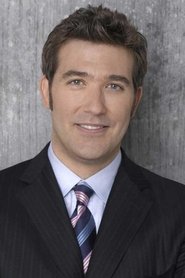 Craig BierkoDouglas Hall
 Armin Mueller-StahlHannon Fuller
 Gretchen MolJane Fuller
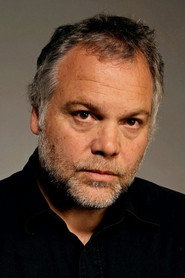 Vincent D'OnofrioWhitney
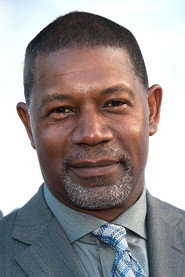 Dennis HaysbertDet. Larry McBain
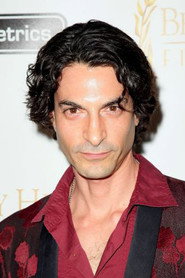 Steven SchubDet. Zev Bernstein
 Jeremy RobertsTom Jones
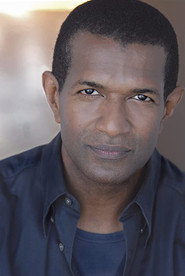 Rif HuttonJoe
 Leon RippyJane's Lawyer
 Janet MacLachlanEllen

 Burt BulosBellhop
Directing
- Josef RusnakDirector
- Kim H. WintherFirst Assistant Director
- Kim BernerScript Supervisor
- Lars P. WintherSecond Assistant Director
Writing
- Daniel F. GalouyeNovel
- Josef RusnakScreenplay
- Ravel Centeno-RodriguezScreenplay
Production
- April WebsterCasting
- David BlochCasting
- Kelly Van HornCo-Producer
- Helga BallhausExecutive Producer
- Michael BallhausExecutive Producer
- Marco WeberProducer
- Roland EmmerichProducer
- Ute EmmerichProducer
- Fran LucciProduction Accountant
- Cindy FrankeProduction Coordinator
- Melissa BargarProduction Secretary
- Lisa Lynn KearsleyProduction Supervisor
- Kelly Van HornUnit Production Manager
Recommended by
Oblivion, Welt am Draht, eXistenZ, Knowing, Bones, Beowulf, Cube 2: Hypercube, The Magic Pill, Say Her Name: The Life and Death of Sandra Bland, Night Train to Lisbon, The Nines, A Glitch in the Matrix, Arcade, The Oxford Murders, Vlad, Yaga, I Origins, The Legend of Sleepy Hollow, Shadowplay, The Arrival, Brain Games