
Film
Friday Night
A young Parisian woman on the eve of moving in with her boyfriend picks up a hitchhiker, and their night together becomes charged with impossible tension and desire. Claire Denis makes the quotidian—traffic, conversation, shared cigarettes—feel electrified. It's intimate, sensual, occasionally uncomfortable, and utterly alive. For anyone who believes cinema's greatest power is in what it doesn't say.
Should you watch it?
Watch it if you are drawn to slow, talky romantic drifts through a single restless night, where the pleasure lies in small glances, awkward silences and the charge between two near-strangers.
Skip it if you want romance that gets to the point, since this is an 86-minute film that lingers over hesitation and hangs its drama on mood more than on plot.
What it asks of you: It runs a brisk hour and a half but moves at the pace of a long walk after dark, asking you to sit with uncertainty and read faces rather than follow events.
Not sure? Find tonight's pick in a minute.
If you liked this
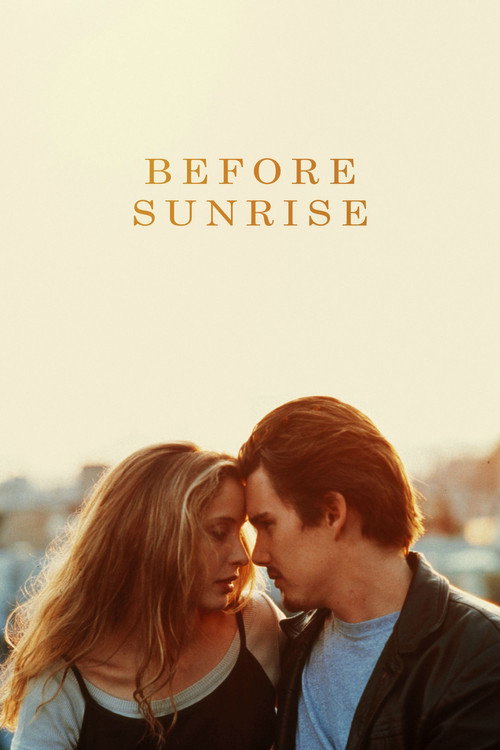
Before Sunrise1995
Two strangers meet on a train and spend one perfect night walking Vienna's streets, talking. Like Friday Night, it finds profound eroticism in conversation, proximity, and the knowledge that morning will end everything.
But It's ninety minutes of mostly dialogue. If you need plot momentum or external stakes, you will find it glacial.
La Haine1995
Another Claire Denis peer capturing urban France in real time: restless, observant, furious. The same eye for how class and geography trap people; the same refusal to sentimentalize struggle.
But It's bleaker and angrier than Friday Night. The ending is devastating rather than ambiguous.

In the Mood for Love2000
Wong Kar-wai makes longing visible through color, costume, and the space between two people. Like Denis, he knows that desire doesn't need to be consummated to be real, and that the smallest gestures carry enormous weight.
But It's deliberately artificial and stylized—gorgeous but cold. If you want naturalism, this isn't it.

Not sure tonight? Get a pick in a minute, starting from Friday Night
The wildcard
Something you would not have found on your own.
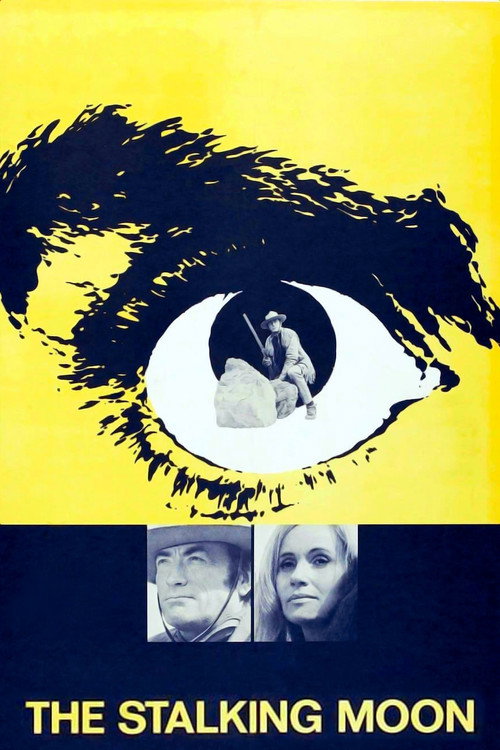
The Stalking Moon1968
Both examine how desire can bloom between strangers in confined space, but Stalking uses the same formal attention to document its perversion rather than its possibility.
A BBC film about a man obsessed with a woman he barely knows. Like Friday Night, it's about the terrible erotic charge of proximity to a stranger, but inverted—where Denis finds mutual intensity, this finds pathology and surveillance. Also in that register of domestic French/European cinema where small moments accumulate into something unbearable.
But It's deeply uncomfortable and sad rather than seductive. If you're looking for the pleasure Denis finds in her film, this offers only violation.
More like this (8)
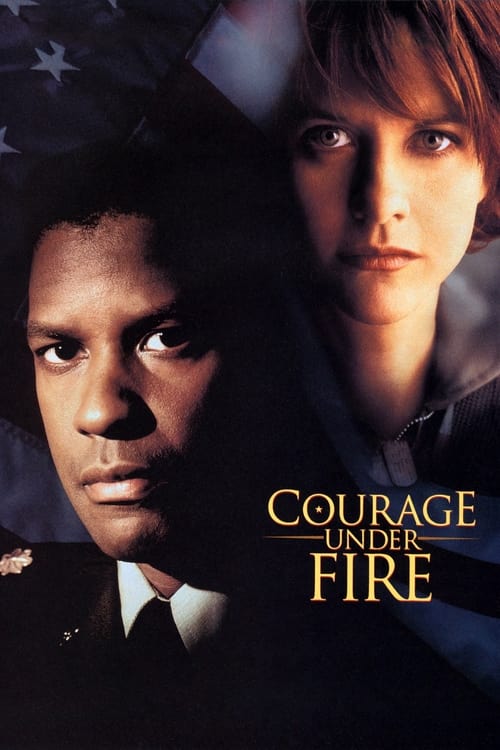
Courage Under Fire1996
Two women in Delhi discover each other amid domestic confinement. Deepa Mehta finds the same electricity Denis does in stolen time and the transgressive pleasure of breaking a rule that society won't allow you to break.
But It's more narrative-driven than Friday Night, and the stakes are genuinely dangerous. Some may find the ending didactic.
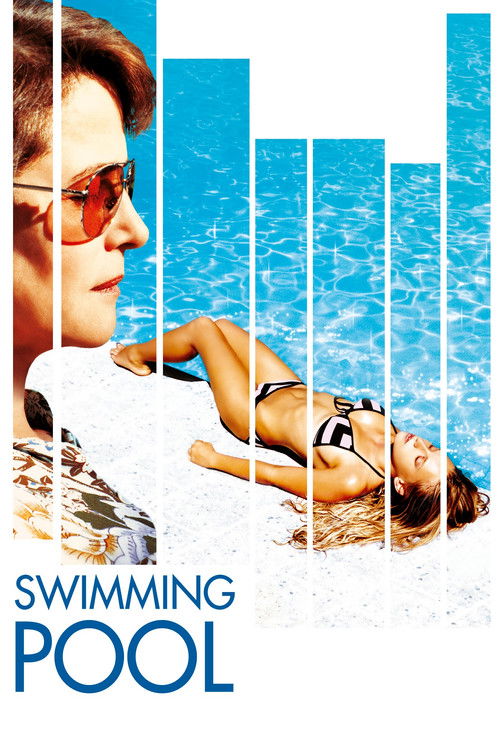
Swimming Pool2003
Another Denis film about surveillance, desire, and the corruption of innocence through proximity. Stranger in the house, summer heat, English reserve cracking. The formal precision is exquisite.
But It's colder and more calculated than Friday Night. Some viewers find it misogynistic, and that's not entirely wrong.
A Ghost Story2017
Two people in one room, time collapsing, presence and absence indistinguishable. Like Denis, David Lowery finds the metaphysical in the domestic and refuses easy catharsis.
But It's oblique and mournful. The famous pie-eating scene will either devastate you or annoy you—there's no middle ground.

Stalker1979
Tarkovsky's glacial meditation on desire, faith, and the spaces between people. The same slow attention to human presence; the same belief that cinema should make you feel time passing.
But It's two hours forty minutes of mostly walking and talking. If you're watching for plot, you will be furious.

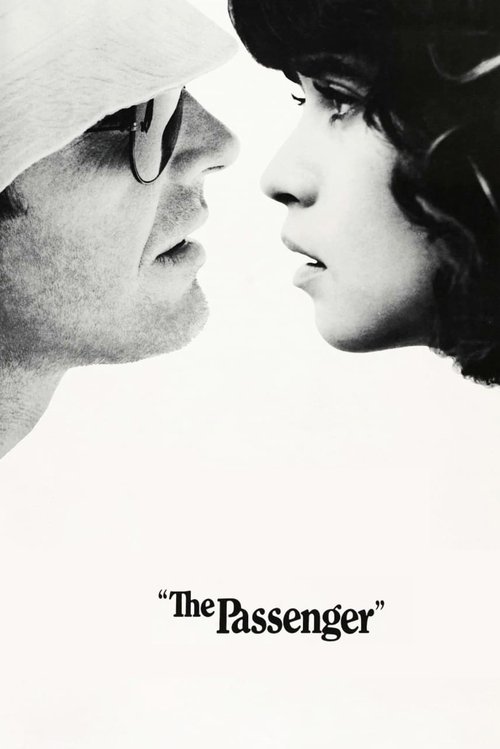
The Passenger1975
Antonioni captures the erotic charge of borrowed identity and the impossible desire to become someone else. A woman picked up by a stranger; the night that rewrites everything. Similar DNA, more existential dread.
But It's fragmented and elliptical. The ending famously baffled audiences. You have to meet it halfway.
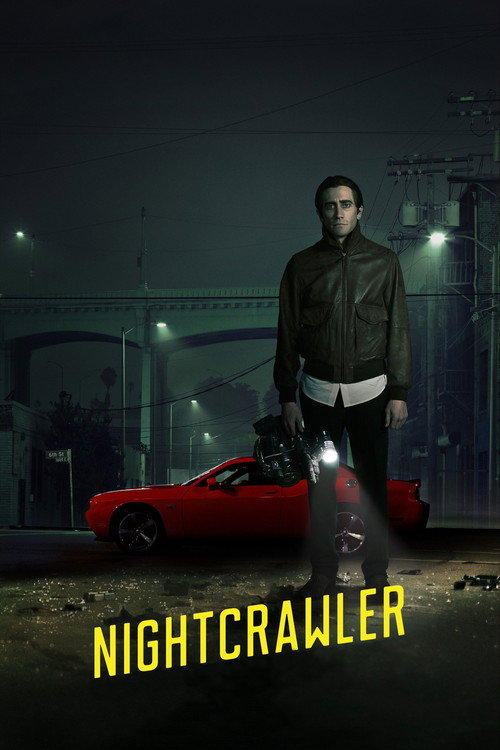
Nightcrawler2014
A different kind of night-time encounter between strangers: transactional, predatory, utterly contemporary. If Friday Night intrigues you, this explores the inverse—desire as extraction.
But It's nasty and morally ugly in ways Friday Night never is. The protagonist is a sociopath, and the film doesn't let you off the hook for watching.
Welt am Draht1973
Both films root their erotic power in epistemological uncertainty—you and the other person are real, but what you feel, whether it's real, whether it matters, remains unspeakable and unresolved.
Rainer Werner Fassbinder's two-part TV film is formally audacious science fiction that creates profound intimacy between a man and woman who may or may not be real. Dialogue-heavy, sensual, about the vertigo of not knowing if what you feel is genuine. Completely unexpected as a recommendation, but the night-time urgency and the uncertainty are identical.
But It's deliberately disorienting and technically of its era. The pacing is very 1970s television. If you want clarity about what's happening, you won't get it.
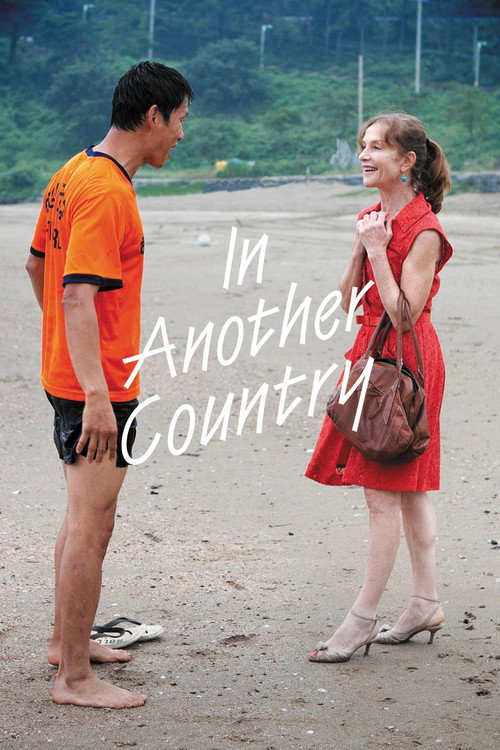
In Another Country2012
Both films deconstruct a night-time encounter between strangers by refusing plot and insisting instead on the texture of presence, attention, and the impossibility of knowing another person completely.
Hong Sang-soo's film about a woman on vacation meeting a man who may be someone else entirely. Shot in washed-out colors, repetitive and circular, examining the same encounter from different angles. It's Friday Night refracted through a prism—the same night fractured, replayed, questioned. Radically different mood (droll, philosophical) but identical formal obsession with how two people occupy the same space.
But It's deliberately anti-climactic and recursive. If you expect resolution or revelation, it withholds both. Some find it maddening rather than meditative.
People
Cast
 Valérie LemercierLaure
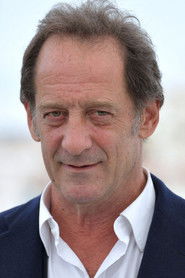 Vincent LindonJean
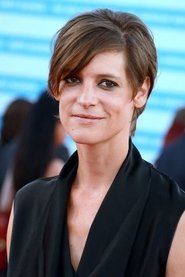 Hélène FillièresThe Tired Woman
 Hélène de Saint-PèreMarie
 Grégoire ColinYoung Man in Parka
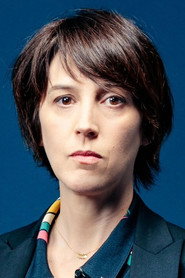 Florence Loiret CaillePinball Girl
- Gilles D'AmbraHusband of The Tired Woman
 Micha LescotReceptionist
- Gianfranco PoddigheHotel Manager
- Nordine BarourServer
 Lionel GoldsteinBuyer
- Didier Emile-WoldemardVan Driver
Directing
- Claire DenisDirector
- Jean-Paul AllegreFirst Assistant Director
Writing
- Emmanuèle BernheimNovel
- Claire DenisScreenplay
- Emmanuèle BernheimScreenplay
Production
- Stéphane BatutCasting
- Laurence PicollecFinance
- Bruno PéseryProducer