
Film
Swimming Pool
A reclusive British crime novelist rents a French villa for creative isolation, but the arrival of her publisher's hedonistic daughter shatters her solitude. What unfolds is a sophisticated psychological thriller that blurs reality, fiction, and desire, asking whether we can ever truly know what we're watching—or who we're watching it with.
Should you watch it?
Watch it if you enjoy slow, sun-bleached psychological thrillers where the mood of a holiday curdles and the tension lives in a stare or a silence, with Charlotte Rampling carrying the whole film.
Skip it if you need brisk plot, since it lingers over long languid afternoons and quiet glances, and its thriller engine runs at a patient, almost lazy idle.
What it asks of you: Settle into a slow, unhurried build in one sunny setting, where meaning sits in looks, heat and a restless writer's inner weather across roughly a hundred minutes.
Not sure? Find tonight's pick in a minute.
If you liked this
Mulholland Drive2001
Nabokov-like games about fiction and identity in Los Angeles. Like *Swimming Pool*, it plays with narrative instability and the seductive power of beautiful surfaces hiding darker truths beneath.
But Lynch's three-hour vision is deliberately opaque. If you want clear answers or linear storytelling, this will exhaust rather than exhilarate you.

Contempt1963
Godard's film about a marriage dissolving during movie production. Both examine how desire and professional ambition poison relationships, and both are as much about cinema itself as they are about character.
But The pace is slow and philosophical. If you're expecting thriller mechanics, you'll find instead long conversations and Godard's cool detachment.

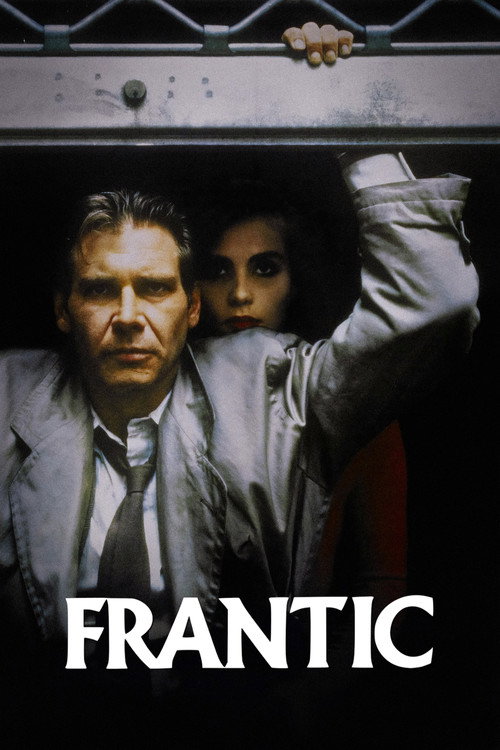
Frantic1988
Polanski's taut thriller about an American architect searching Paris for his missing wife. It shares *Swimming Pool*'s sense of a world becoming unstable, and Polanski's control of mood and mounting dread is masterful.
But The plot twists strain credibility. It's more about atmosphere and paranoia than logic, which either works for you or leaves you frustrated.
Not sure tonight? Get a pick in a minute, starting from Swimming Pool
The wildcard
Something you would not have found on your own.
A Tale of Two Sisters2003
Both films weaponize their own aesthetics against the viewer, using what looks like a straightforward story to trap you in unreliable perception. Both understand that beauty and menace coexist, and that what you're watching might not be what you think.
A Korean psychological horror film about two sisters returning home after a hospital stay, where reality fragments into nightmare. Like *Swimming Pool*, it uses formal beauty and ambiguous editing to make you doubt everything—but it does so through genre (horror) rather than thriller conventions. The twist recontextualizes everything you've seen.
But It's genuinely unsettling in ways that have nothing to do with plot. The film operates on mood and visual metaphor, not explanation, and some viewers find that maddening rather than hypnotic.

More like this (8)
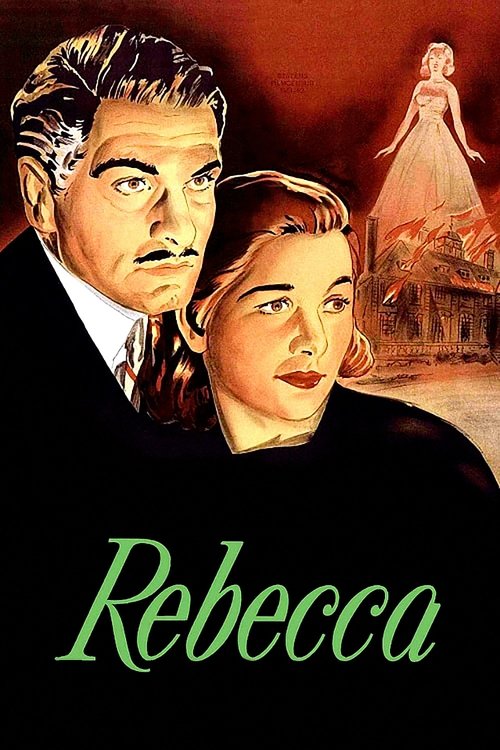
Rebecca1940
Hitchcock's study of a woman haunted by the presence of her husband's first wife. Like *Swimming Pool*, it's about jealousy, unstable identity, and whether what we perceive is real or projected.
But Pacing feels Victorian compared to modern thrillers. Joan Fontaine's passivity will read as dated to some viewers.
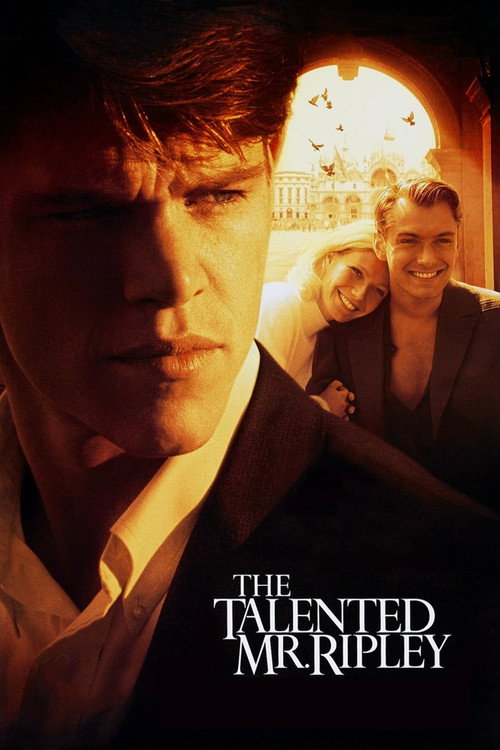
The Talented Mr. Ripley1999
Minghella's gorgeous, poisonous character study about a con artist among the Italian elite. Both films use Mediterranean beauty as camouflage for moral rot and psychological games between intimates.
But It's more interested in style and mood than plot propulsion. Some find it indulgent; others find the pacing languid rather than suspenseful.
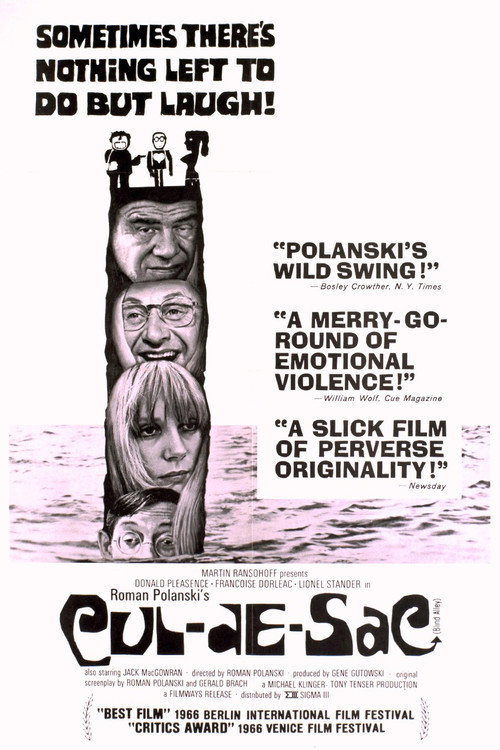
Cul-de-sac1966
Polanski's claustrophobic chamber piece about a couple and two criminals trapped together. It captures the same simmering tension and sexual undercurrent that makes *Swimming Pool* so uncomfortable.
But It's deliberately weird and stagey. The comedy is dark and dated, and the psychosexual dynamics may feel more awkward than thrilling now.
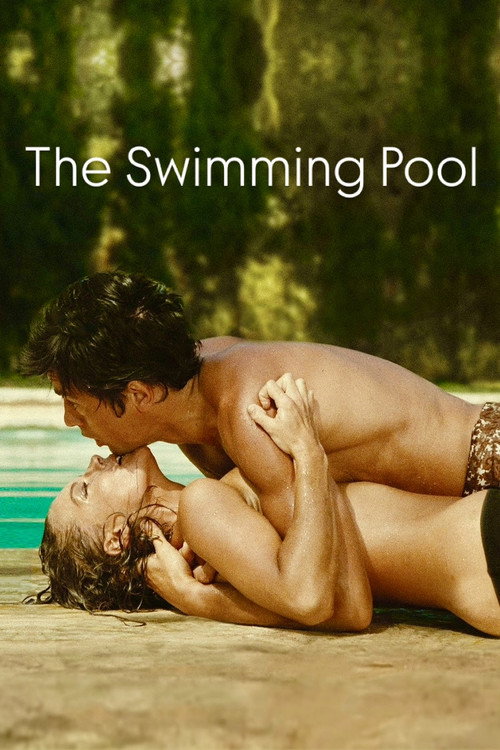
The Swimming Pool1969
A Delon-Birkin film about two couples whose summer idyll curdles into jealousy and violence. It's the spiritual ancestor to *Swimming Pool*—similar setting, similar moral ambiguity, similar eroticism.
But The print quality varies wildly depending on where you find it. More interested in mood and skin than plot resolution.
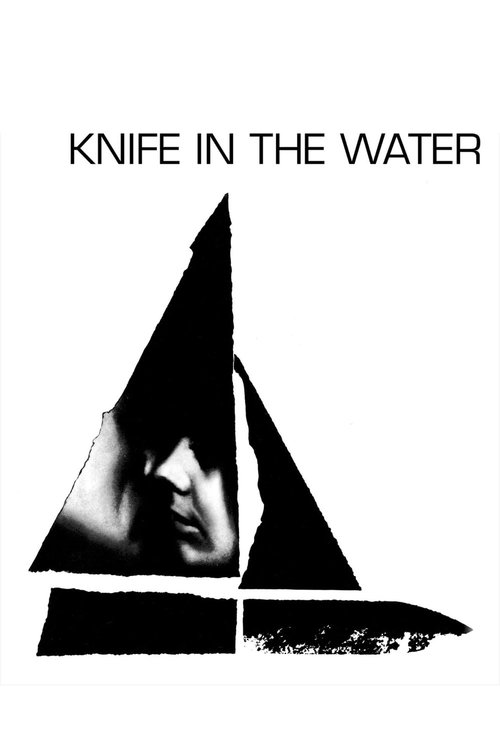
Knife in the Water1962
Polanski's debut: a couple invites a young hitchhiker onto their sailboat, and masculine tension builds over a single afternoon. Economical, psychologically acute, and masterful at creating dread from nothing.
But It's small and slow. Three people on a boat for an hour and a half will feel claustrophobic even to patient viewers.
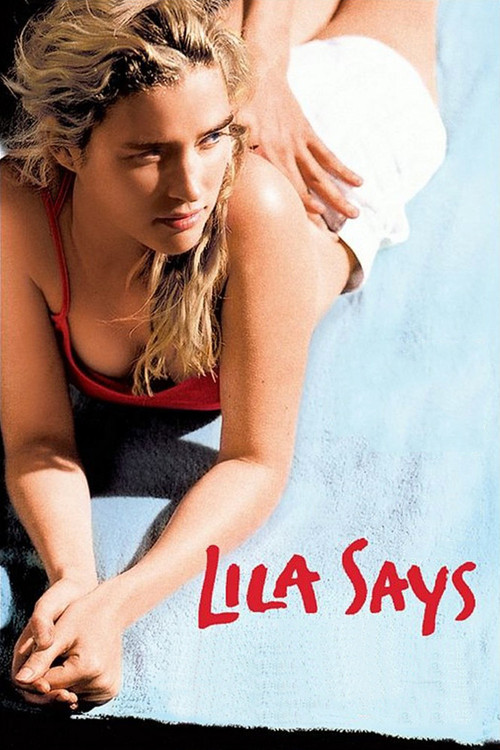
Lila Says2005
A young man's life destabilizes when a mysterious woman moves in downstairs. It shares *Swimming Pool*'s sensuality and its questions about whether desire and fiction contaminate reality.
But It's often derided as shallow and pretentious. The twists feel forced, and the psychological insight doesn't match the film's ambitions.
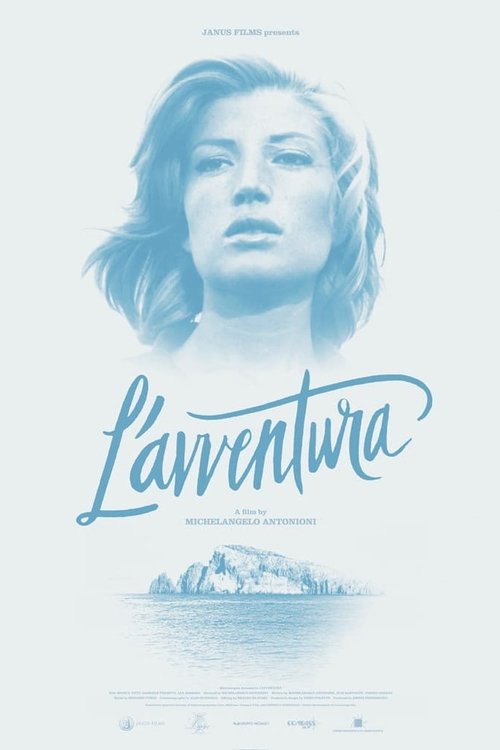
L'Avventura1960
Both are films about how we use fiction—stories, narratives, assumptions—to make sense of people we don't actually know. Both suggest that beneath the surface of a simple crime or disappearance lies something messier and less explicable about human motivation.
Antonioni's slow-burn masterpiece about a woman who disappears during a boat trip, and the man and woman left behind whose concern curdles into indifference and attraction. A film about how narrative itself is a seduction, and how people construct meaning to justify their desires.
But It's three minutes under two hours of people walking, talking, and feeling ennui. If you need plot momentum or clear emotional stakes, Antonioni will put you to sleep.
Holy Motors2012
Both films suggest that identity is fluid, constructed, and compromised by observation. Both use a contained setting (a villa, a car) to explore how people fragment when watched or isolated. Both are ultimately about the impossibility of knowing anyone, including yourself.
A man spends a day in Paris visiting appointments where he inhabits different identities and lives parallel lives. It's not a thriller, but it's obsessed with the same question as *Swimming Pool*: what is the boundary between performance and reality, between the person we think we are and the people we perform?
But It's willfully weird and abstract. If you want narrative coherence or character development, this will feel like pretentious nonsense masquerading as cinema.

People
Cast
 Charlotte RamplingSarah Morton
 Ludivine SagnierJulie
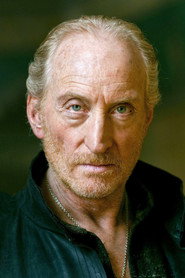 Charles DanceJohn Bosload
 Marc FayolleMarcel
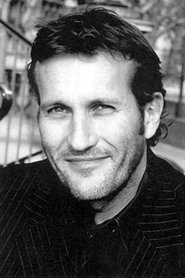 Jean-Marie LamourFranck
- Mireille MosséMarcel's Daughter
- Michel FauFirst Man
 Jean-Claude LecasSecond Man
 Émilie Gavois-KahnWaitress at Cafe
- Erarde ForestaliOld Man
- Lauren FarrowJulia
- Sebastian HarcombeTerry Long
Directing
- François OzonDirector
- Antoine GarceauFirst Assistant Director
- Agnès FeuvreScript Supervisor
- André CavailléSecond Assistant Director
Writing
- François OzonScreenplay
- Emmanuèle BernheimWriter
Production
- Antoinette BoulatCasting
- Timothy BurrillCo-Producer
- Christine de JekelLine Producer
- Marc MissonnierProducer
- Olivier DelboscProducer
- Thierry ChapatProduction Accountant
- Bruno AmestoyUnit Manager
- David MitnikUnit Manager
Recommended by
Swimming with Sharks, The Mother, The Skin I Live In, Jism, Consenting Adults, Bathwater, Passion, Friday Night, The French Lieutenant's Woman, Sleuth, I Want You, A Sight for Sore Eyes, Last Life in the Universe, Crime Wave, Shit Year, Caught, Nathalie...