
Film
Bathwater
- Drama
- Slow-burning
An eight-minute spoken-word piece set in a church, exploring faith, morality, and doubt through the voice of a choir singer. Intimate and introspective, it's a meditation rather than narrative—the kind of work that lingers after it ends. For anyone drawn to experimental music, poetry, or spiritual questioning.
Should you watch it?
Watch it if you enjoy short pieces where one speaker wrestles with God and right and wrong in plain, close language, and the ideas matter more than the plot.
Skip it if you want a story with characters, scenes and momentum, since this is mostly one voice thinking aloud and it runs only eight minutes without much room to develop.
What it asks of you: Eight minutes of close attention with nothing to lean on but one voice, with nothing else happening around it, and a pace that stays deliberate and unhurried.
Not sure? Find tonight's pick in a minute.
If you liked this
Moonlight2016
Three interconnected chapters explore identity, desire, and self-discovery with poetic restraint. Like Bathwater, it trusts silence and atmosphere to carry emotional weight, building understanding through observation rather than exposition.
But Slow-paced and deliberately understated; some find its quietness distant rather than intimate.

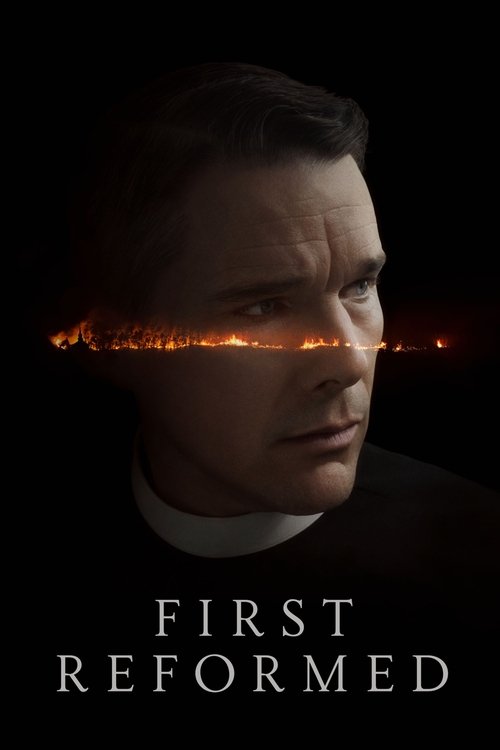
First Reformed2018
Paul Schrader's meditation on faith, guilt, and environmental despair uses sound and stillness as powerfully as dialogue. A spiritual reckoning that asks hard questions without offering easy comfort, much like Bathwater's honest wrestling with belief.
But Bleak and claustrophobic; it offers no catharsis, only endurance.
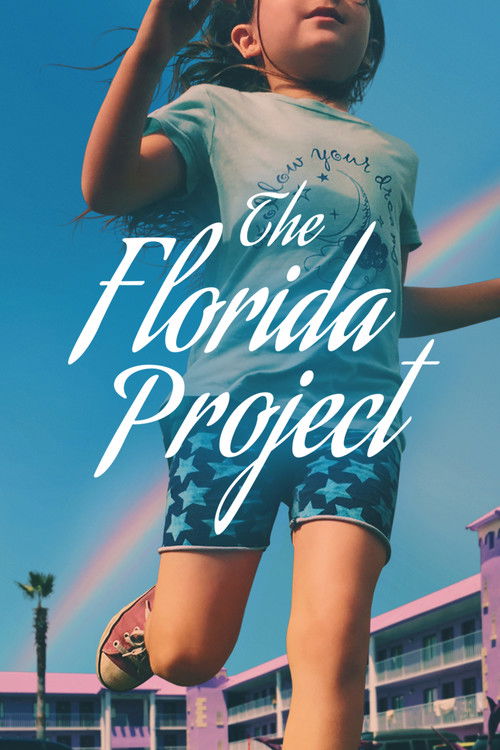
The Florida Project2017
Shot in naturalistic fragments, it observes childhood and poverty with unflinching compassion. The approach—trusting the viewer to piece together meaning—mirrors how Bathwater lets you find your own interpretation.
But No plot to speak of; narratively it's close to formless, which frustrates those who need conventional structure.
Not sure tonight? Get a pick in a minute, starting from Bathwater
The wildcard
Something you would not have found on your own.
Synecdoche, New York2008
Both are spoken-word meditations on meaning-making and mortality, using a single voice as gateway into larger existential questions.
Charlie Kaufman's only directorial feature buries a spiritual crisis inside a theatre-within-a-theatre nightmare. It's about the impossibility of capturing truth through art, making meaning from fragments—an eight-minute question stretched into two hours.
But Structurally bewildering and emotionally exhausting; some people walk out angry, convinced they've wasted their time.

More like this (8)
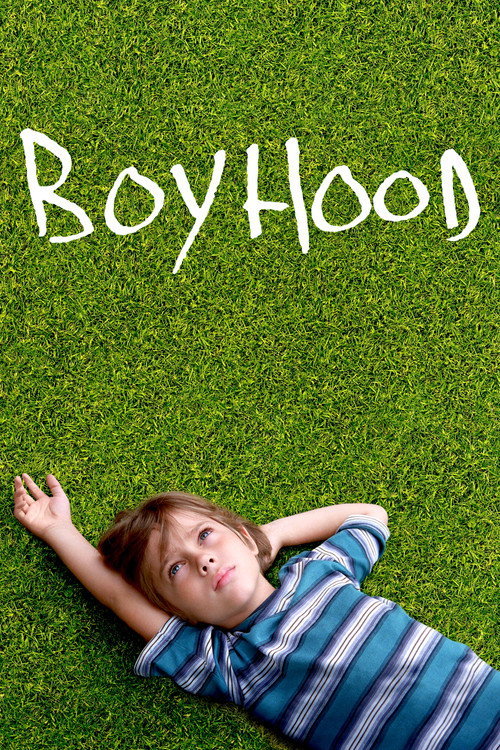
Boyhood2014
Twelve years filmed in fragments: a patient, accumulative portrait of becoming. Like Bathwater, it trusts that small, lived moments matter more than dramatic incident, and that growth is invisible until suddenly it isn't.
But Nearly three hours of a life that doesn't go anywhere spectacular. Some experience that as profound, others as tedious.
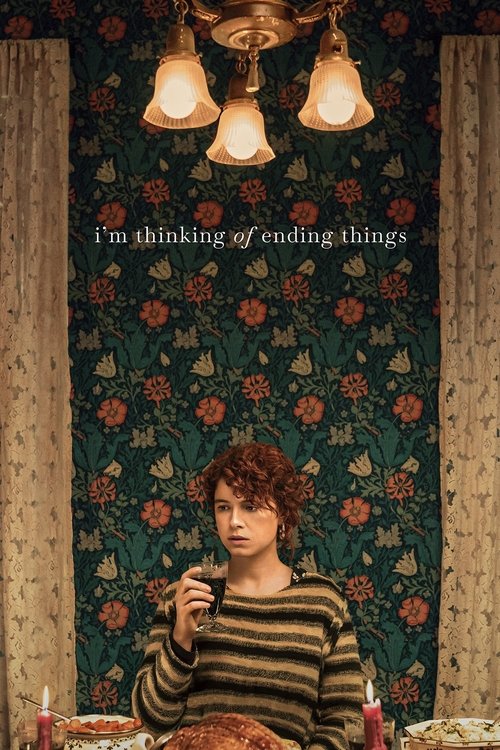
I'm Thinking of Ending Things2020
Charlie Kaufman's mind-bending dive into memory, identity, and self-deception uses voice and internal monologue as narrative engine. Experimental in form but anchored by real emotional confusion, like Bathwater exploring how we think about ourselves.
But Deliberately disorienting and formally fractured; if you want clarity, this will exhaust you.
Stalker1979
Andrei Tarkovsky's hypnotic three-hour journey into desire and faith uses silence and duration to make the mundane transcendent. Spiritual inquiry through pure cinema, asking what we truly want and why we want it.
But Glacially slow, almost entirely devoid of conventional dramatic tension. Many people find it unwatchable.

Under the Skin2014
Jonathan Glazer's haunting sci-fi uses atmosphere, ambient sound, and Scarlett Johansson's deadpan voice to explore something other, something unknowable. Meditative and unsettling in equal measure, trusting you to feel rather than understand.
But Deliberately opaque; there's no exposition and minimal dialogue. It's as much sculpture as story.

The Farewell2019
Lulu Wang balances cultural observation with intimate family portraiture, using quieter moments to reveal truth. Honest about how we perform ourselves and what we owe to community, with warmth alongside the hard questions.
But The pacing is deliberately unhurried, and American audiences sometimes find the cultural assumptions unfamiliar or slow.

A Ghost Story2017
David Lowery's one-person monologue about time, mortality, and what we leave behind is a meditation on impermanence. Shot through a white sheet, it's formally strange but emotionally direct—philosophy as feeling rather than argument.
But High concept in a way some find precious; the ghost-under-a-sheet conceit takes work to accept.

The Shawshank Redemption1994
The narrative voice is everything—both works prove that a single speaking voice can carry the full weight of spiritual inquiry without needing plot spectacle.
Prison drama that's really a moral fable about hope, faith, and redemption—Steven Dahlberg's narration carries the entire film, just as Bathwater's spoken word does. Both ask what it means to survive with your soul intact.
But Sentimental in ways some find calculated; it wears its earnestness openly and doesn't apologize.
Swimming Pool2003
Both are short-form meditations using voice and abstraction rather than narrative, exploring spiritual and personal identity through sound more than image.
A Haitian-American documentary where a child narrator speaks over abstract imagery about family, dislocation, and memory. Raw and poetic rather than explanatory, it trusts fragments to accumulate into understanding, sound and voice as primary architecture.
But Avant-garde and formally difficult; it's not quite documentary, not quite experimental film, and exists deliberately in that discomfort.
People
Cast
- Justin LordChoir Singer
Directing
- W. Graham SkinnerDirector
- Sarah UmhauFirst Assistant Director
Writing
- Justin LordWriter
Production
- Amy SkinnerProducer