
Film
The French Lieutenant's Woman
A nested love story that collapses fiction into reality. Meryl Streep and Jeremy Irons play actors rehearsing a Victorian romance, who begin their own affair as the boundary between script and life dissolves. It's handsomely made, deliberately artificial, and asks whether passion can exist separately from the stories we tell about it. For anyone who finds the idea of a film that's aware of being a film more intriguing than off-putting.
Should you watch it?
Watch it if you like romances that keep interrupting themselves to ask what they are for, and you find a film about pretending to be in love more interesting than the romance itself.
Skip it if you want a costume drama that simply sweeps you along, since this one keeps stopping to examine its own machinery and may feel cool and clever rather than warm.
What it asks of you: Plan for two hours and some patience with a story that shifts between a Victorian drama and the modern lives of the actors playing it, never settling into one mode.
Not sure? Find tonight's pick in a minute.
If you liked this
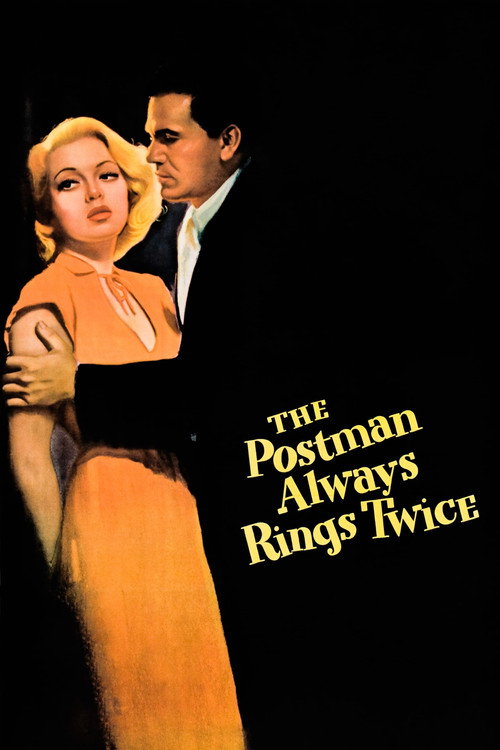
The Postman Always Rings Twice1946
A noir that literalizes the danger of desire—two attractive people destroy everything because they cannot resist each other. Garfield and Turner seethe across scenes. It's about the same helplessness under passion, just in daylight rather than period costume.
But The gender politics are genuinely toxic by any standard. It moves slowly and expects you to find the fatalism itself erotic, which is not everyone's evening.
Possession1981
Released the same year, equally baroque and divisive. Andrzej Żuławski turns a marriage dissolving into gothic horror—the artificial becomes grotesque. Same DNA: performance as a way of understanding what's real, passion as madness.
But It's visually punishing and deliberately alienating. You have to be in the mood for a film that doesn't want to be comfortable or clear.

A Place in the Sun1951
Montgomery Clift and Elizabeth Taylor enact forbidden attraction across class lines. Gorgeous and tragic, it shares the film's sense that the story we're in control us more than we control it.
But It's a period piece that can feel dated in its sentimentality. Some find the moral clarity of old Hollywood melodrama unconvincing.

Not sure tonight? Get a pick in a minute, starting from The French Lieutenant's Woman
The wildcard
Something you would not have found on your own.
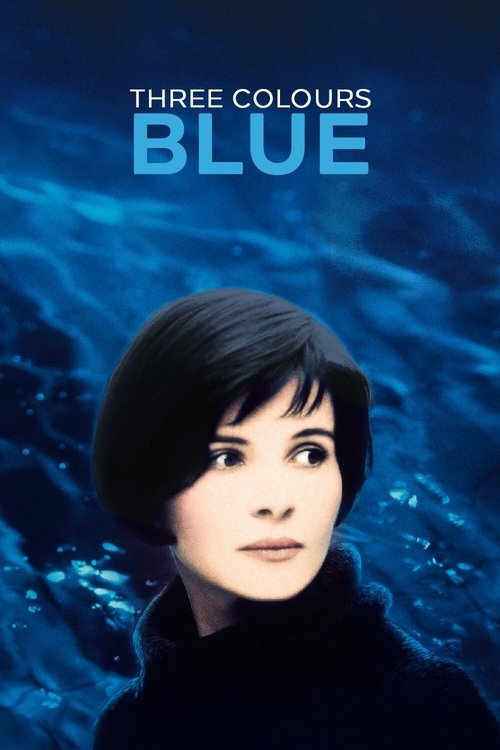
Three Colors: Blue1993
Both are built on the idea that identity is performative—that we are the stories and roles we enact, not fixed selves beneath them. One celebrates the blur; one mourns it.
Kieslowski's meditative film about a woman rebuilding identity after loss. Like The French Lieutenant's Woman, it's about performance as survival—how we construct ourselves from fragments. But where the 1981 film is all surface and passion, this is interior and spare, asking similar questions in the opposite register.
But It's glacially slow and almost entirely interior. If you need plot momentum or external drama, this will feel like nothing is happening for 98 minutes.
More like this (8)
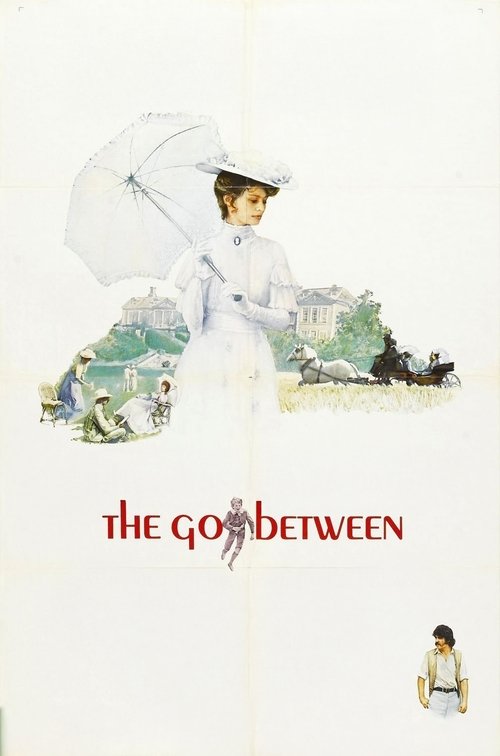
The Go-Between1971
Joseph Losey's masterpiece about an adult remembering when, as a boy, he unwittingly carried love letters between two people across a class divide. Formally intricate and heartbreaking, with that same sense of performance and the past as a landscape you're trapped in.
But It requires patience and rewards attention; there's no scene you can switch off during. The pacing is glacial.
Brief Encounter1945
Celia Johnson and Trevor Howard as two ordinary people who fall in love and cannot act on it. It's about the interior life—the passion happens almost entirely in what's unsaid. Deeply British, deeply sad, profoundly moving.
But The restraint might read as repression rather than romance. It's a film about what doesn't happen, which takes a particular appetite.

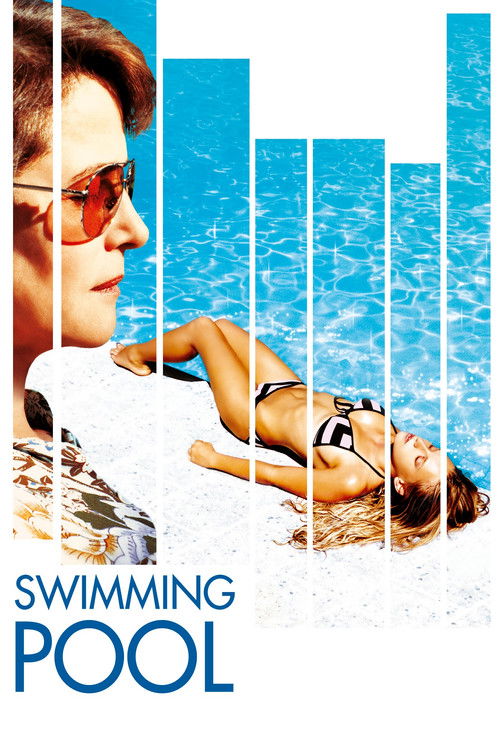
Swimming Pool2003
François Ozon's game about a mystery writer and her husband's lover, where truth and fiction become indistinguishable. It has that same playfulness with artifice, that sense of desire as a story we tell ourselves.
But It's slippery and arch, which some find clever and others find cold. The third act divides audiences sharply.
Damage1992
Jeremy Irons again, older, playing a man destroyed by an affair with his son's fiancée. It's about passion as genuine injury—not romance but compulsion, how desire can be entirely separate from love or wisdom.
But It's bleak and features statutory rape territory that makes it morally murky. The film doesn't flinch from that, which is either brave or distasteful depending on your view.

Mulholland Drive2001
David Lynch's Los Angeles nightmare where two women's love story and the actress story it might contain become inextricable. A film obsessed with performance, identity, desire and what's real—it operates in the exact territory The French Lieutenant's Woman maps.
But It's three hours, deliberately confusing, and resists interpretation. If you need narrative clarity, this will infuriate you.

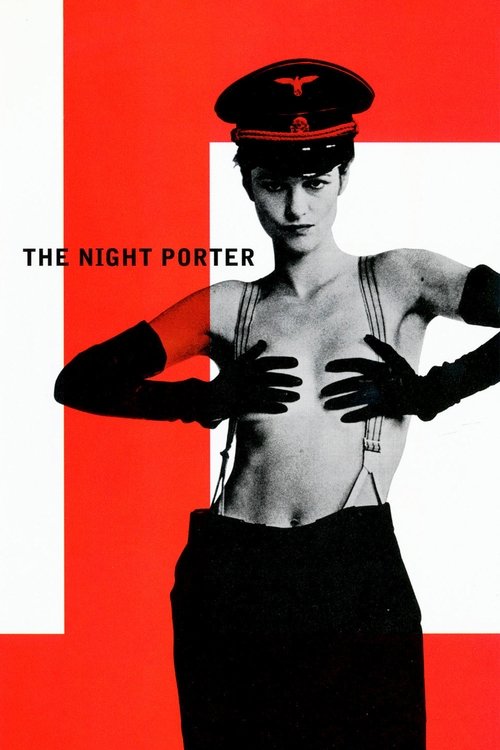
The Night Porter1974
Liliana Cavani's controversial film about a concentration camp guard and prisoner who resume their sadomasochistic affair decades later in a hotel. It's interested in how desire survives history, how we perform intimacy, how the past won't release us.
But Its approach to Holocaust trauma is deeply problematic and the film makes no apology for it. Some feel it romanticizes horror; others see that as exactly the provocation it intends.
The Remains of the Day1993
Both are obsessed with the distance between what we feel and what we perform, and the price of maintaining that distance. Where one film is about the chaos of breaking through the performance, this is about the slow death of never attempting it.
Anthony Hopkins as a butler reflecting on a lifetime of restraint, duty, and the love he could not act on. It's The French Lieutenant's Woman inverted: a story about what happens when you choose not to cross the boundary, how professionalism and emotion can be equally destructive.
But It's glacial, English, and entirely about what is not said. The emotional payoff is minimal and the film offers no catharsis or resolution.

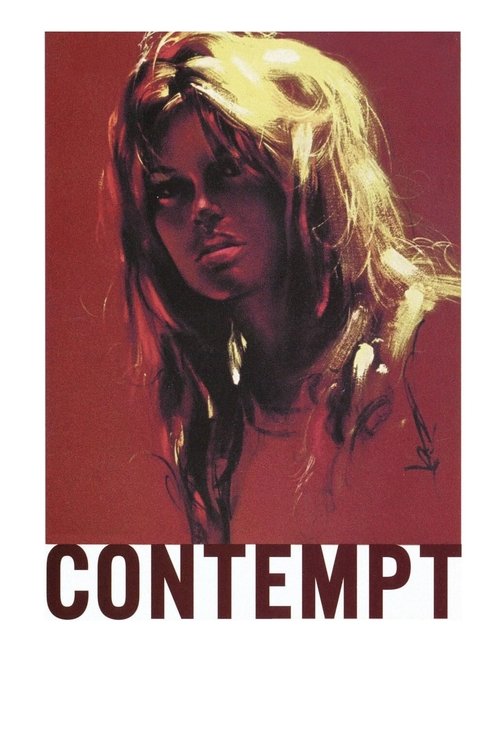
Contempt1963
Both are films about films, about actors, about the impossibility of separating the script from the life being lived around it. But where The French Lieutenant's Woman is a love story that uses cinema as its language, Contempt is a dissection of cinema itself, with love as the casualty.
Godard's film about a marriage collapsing on the set of a film—a cinephile's fever dream about cinema, art, and how performance bleeds into life. It's in Technicolor, jazzy, self-consciously artificial in ways that feel prophetic of The French Lieutenant's Woman's self-awareness.
But It's a 1960s French New Wave essay disguised as a narrative. If you don't find meta-cinema fascinating, it will seem pretentious and frustrating.
People
Cast
 Meryl StreepSarah / Anna
 Jeremy IronsCharles Henry Smithson / Mike
 Hilton McRaeSam
 Lynsey BaxterErnestina
 Emily MorganMary
 Penelope WiltonSonia
- Jean FauldsCook
 Charlotte MitchellMrs. Tranter
 Peter VaughanMr. Freeman
 Colin JeavonsVicar
 Liz SmithMrs. Fairley
 Patience CollierMrs. Poulteney
Directing
- Richard HoultAssistant Director
- Karel ReiszDirector
- Peter KohnSecond Assistant Director
- Mathew SimmonsThird Assistant Director
- Paul TiversThird Assistant Director
Writing
- John FowlesNovel
- Harold PinterScreenplay
Production
- Geoffrey HelmanAssociate Producer
- Tom MaschlerAssociate Producer
- Patsy PollockCasting
- Leon CloreProducer
Recommended by
Persuasion, Possession, A Summer Story, A Tale of Two Cities, Reign of Terror