
Film
A Tale of Two Cities
Other titles called A Tale of Two Cities: the 1935 film, the 1958 film, the 1989 series (ITV1).
Dickens' sprawling epic of resurrection and sacrifice during the French Revolution, adapted as a stately 1980 TV film. Chris Sarandon carries the weight of a story about love, duty, and the terrible price of revolution. Deliberately paced, theatrically lit, and anchored by Peter Cushing's grave presence. For viewers who want their period drama measured and melancholy, not rushed.
Should you watch it?
Watch it if you want a faithful, unhurried retelling where Dickens's moral weight and a sturdy cast of British character actors carry the story more than spectacle.
Skip it if you need a lean, modern pace, since this is a made-for-television adaptation that takes its time and leans on dialogue and sentiment more than on action.
What it asks of you: Roughly two and a half hours at a patient, measured tempo, with long stretches of talk and period detail; it rewards sitting still rather than skimming.
Not sure? Find tonight's pick in a minute.
If you liked this
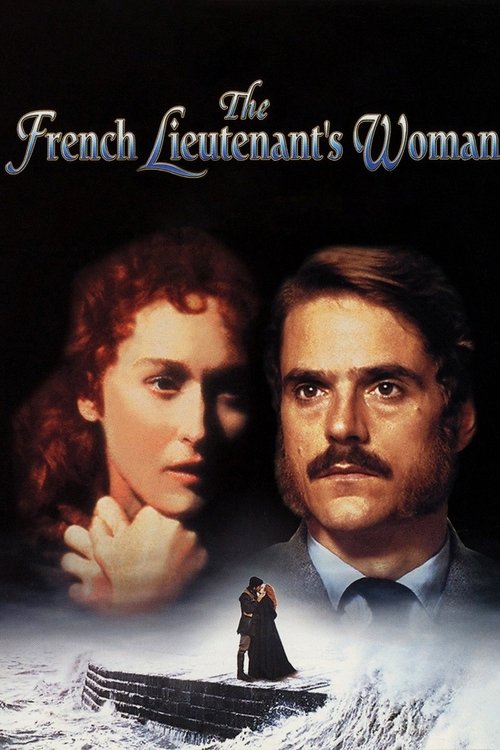
The French Lieutenant's Woman1981
Meryl Streep and Jeremy Irons in an equally lush period romance, with the same fidelity to emotional nuance and the same willingness to let scenes breathe. Beautifully composed and deeply felt.
But The narrative frame device that cuts between past and present feels mannered to modern eyes, and the emotional payoff is deliberately ambiguous rather than cathartic.
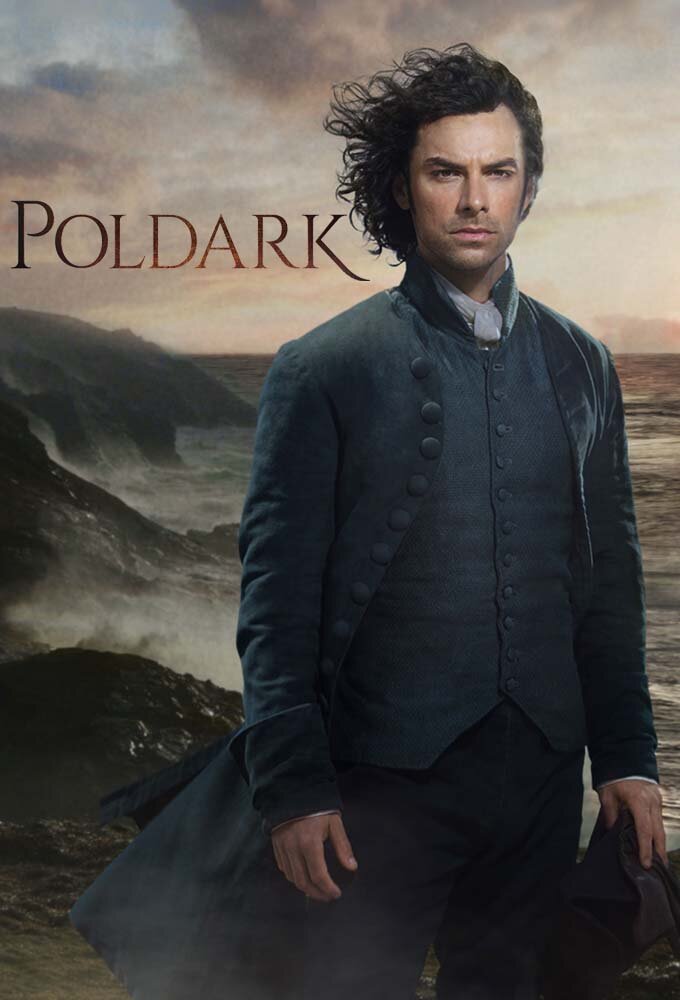
Poldark2015
A BBC miniseries that captures the same sweep of historical upheaval alongside intimate character drama. Aidan Turner carries the weight with quiet intensity, and the production values are immaculate.
But Spans multiple seasons if you're hooked, and some plot threads feel slow-burning to the point of frustration in earlier episodes.
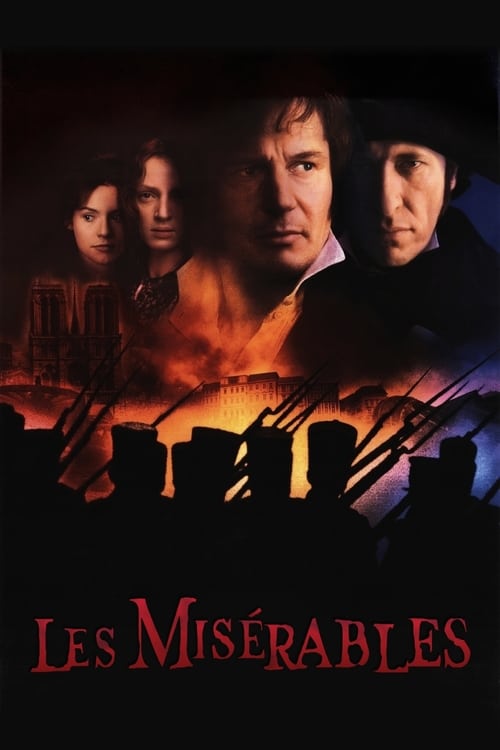
Les Misérables1998
Another Dickensian-scale historical drama about sacrifice and redemption in revolutionary France. Liam Neeson is magnificent, and the scope matches the emotional grandeur of the source material.
But Nearly three hours long, and the musical numbers (if you get the musical version) will feel jarring if you're not already inclined toward that medium.
Not sure tonight? Get a pick in a minute, starting from A Tale of Two Cities
The wildcard
Something you would not have found on your own.
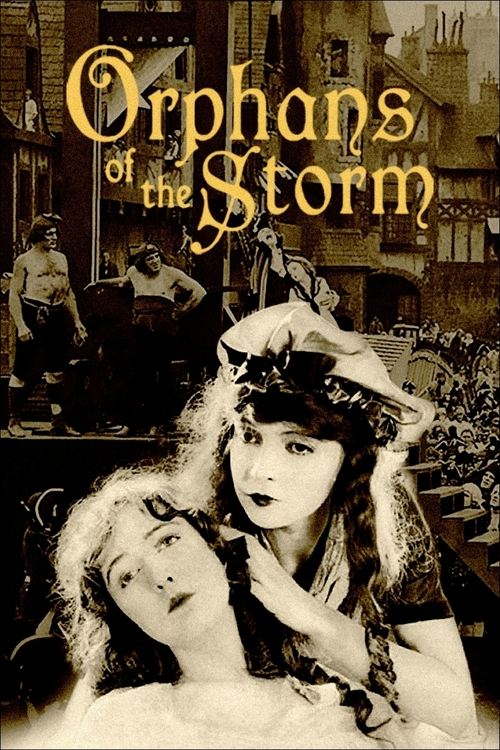
Orphans of the Storm1921
The same source material transformed into pure visual storytelling; both are about love and sacrifice amid historical catastrophe, but Griffith uses cinema itself as his tool, not dialogue or even narrative clarity.
Lillian and Dorothy Gish in D.W. Griffith's silent masterpiece about two sisters separated by the Revolution. Made a century ago but still devastating: the emotional language is pure cinema, and the historical scope is breathtaking.
But Silent film requires active watching; intertitles interrupt the rhythm, and the physical acting style feels artificial if you're not attuned to the form. Two and a half hours without dialogue will exhaust viewers who resist the medium.
More like this (7)
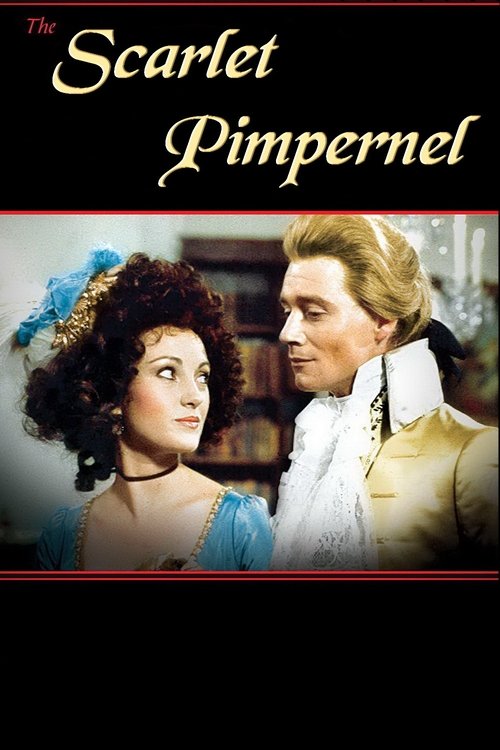
The Scarlet Pimpernel1982
Anthony Andrews as a dandy-turned-hero during the Terror, with the same blend of adventure, romance, and high stakes. It's lighter in tone but equally committed to its period and themes.
But Leans more toward swashbuckling entertainment than introspection; if you want gravitas over escapism, this undercuts the mood.
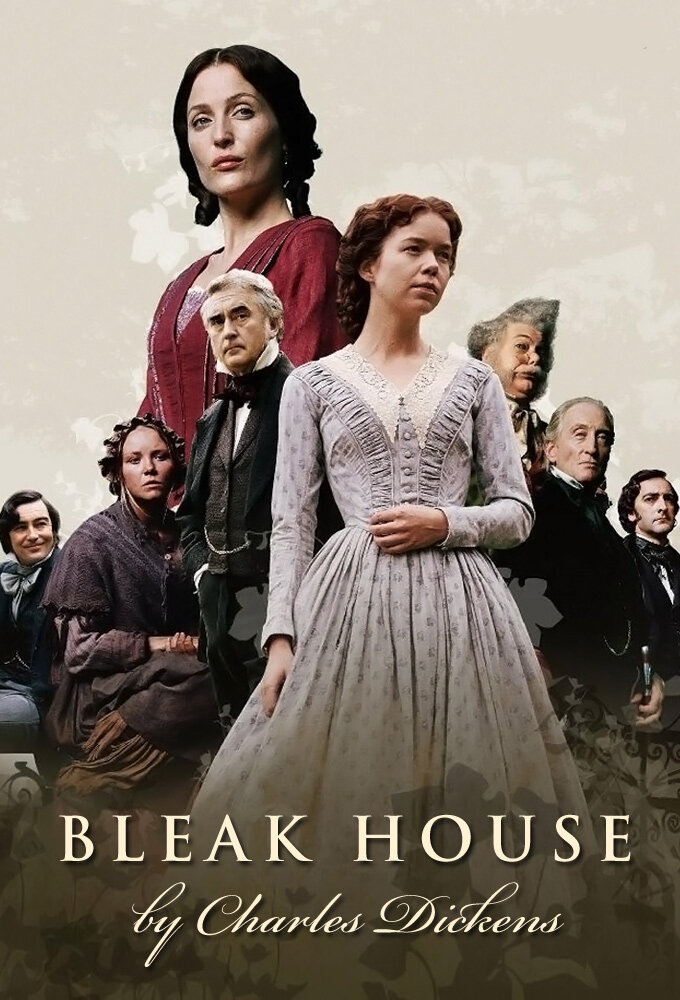
Bleak House2005
A BBC miniseries that proves Dickens works brilliantly in serialized form. Dense, atmospheric, and willing to honor the novel's complexity without rushing through the emotional architecture.
But Deliberately obtuse in places; the narrative deliberately withholds clarity, which some find frustrating rather than intriguing.
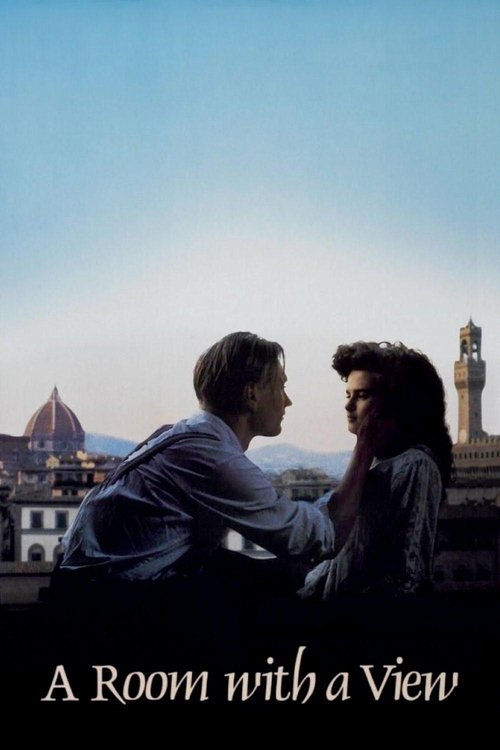
A Room with a View1986
Merchant-Ivory at their peak: a period romance about duty versus passion, shot with the same restraint and visual precision. Helena Bonham Carter and Daniel Day-Lewis navigate the tension beautifully.
But The class anxieties it explores can feel dated or even quaint to contemporary viewers; the emotional stakes feel small compared to revolutionary upheaval.
The Remains of the Day1993
Anthony Hopkins in a measured, heartbreaking performance about duty, regret, and roads not taken. The cinematography is burnished and elegant; it understands restraint as a form of power.
But Very internal, very quiet. If you need action or momentum to stay engaged, the glacial pacing will test your patience.

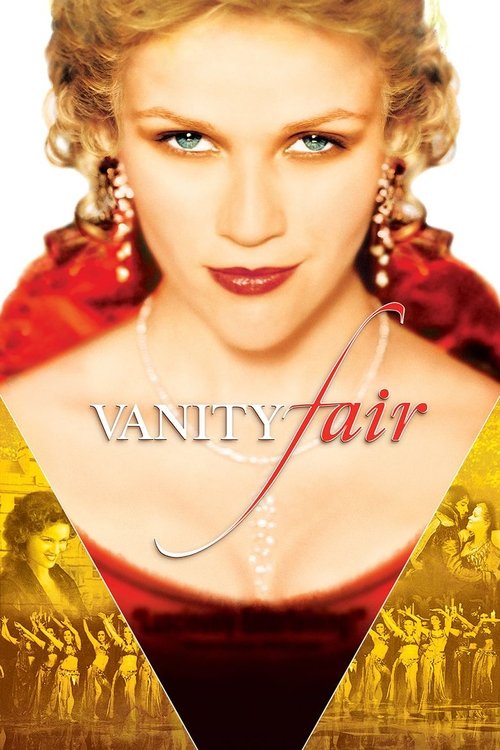
Vanity Fair2004
A more baroque take on Regency-era social climbing and survival, with Reese Witherspoon navigating moral compromise with wit and energy. The production design is gorgeous, and it moves faster than its source material.
But Tonal tightrope walk between comedy and drama; some viewers find it lands awkwardly, caught between satire and sincerity.
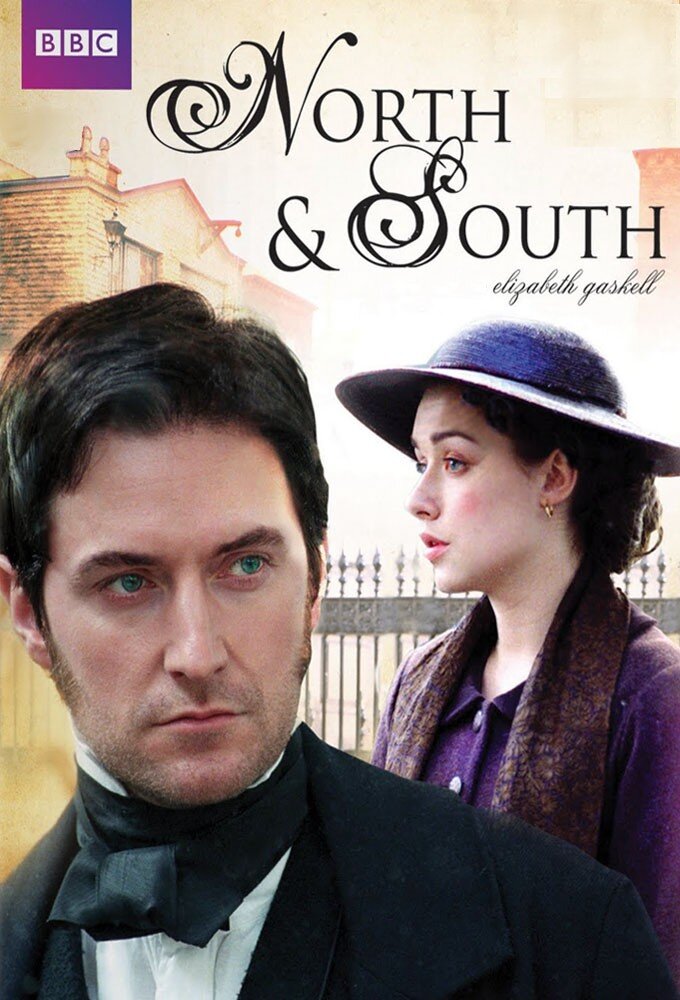
North & South2004
A BBC adaptation of industrial-revolution England that builds its emotional power through slow, genuine tension between characters. Richard Armitage and Daniela Denby-Ashe generate real chemistry over four episodes.
But The social themes around labor and class can feel preachy if you're not invested in the period mechanics, and the first episode is slow to ignite.
Come and See1985
Both are historical dramas that refuse to let you treat revolution or war as backdrop; both insist that ordinary people pay the price for historical forces. But where Tale seeks dignity and redemption, Come and See shows annihilation.
Elem Klimov's harrowing Belarusian film about a boy caught in WWII warfare. It shares Dickens' conviction that history is not abstract—it destroys individual lives. The emotional devastation is unforgettable and utterly genuine.
But Genuinely difficult to watch. Graphic violence, child suffering, and deliberate visual and aural assault. Not cathartic; profoundly bleak. This is not entertainment; it's a moral reckoning.

People
Cast
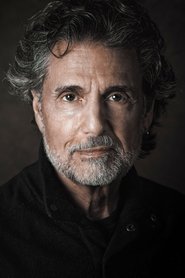 Chris SarandonSydney Carton / Charles Darnay
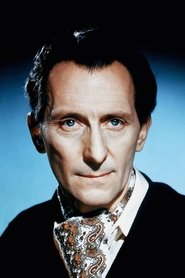 Peter CushingDr. Alexander Manette
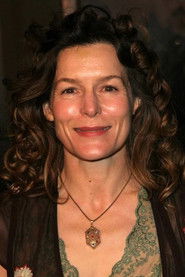 Alice KrigeLucie Manette
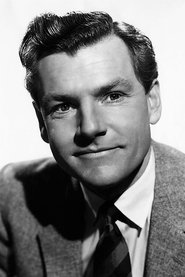 Kenneth MoreDr. Jarvis Lorry
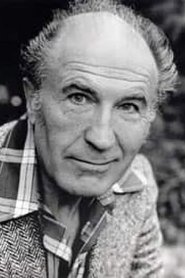 Barry MorseMarquis St. Evremonde
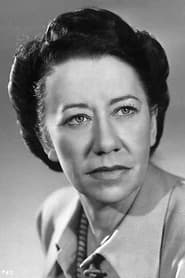 Flora RobsonMiss Pross
 Billie WhitelawMadame Therese Defarge
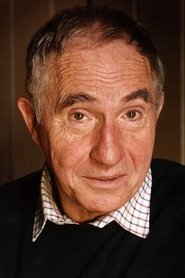 Nigel HawthorneMr. CJ Stryver
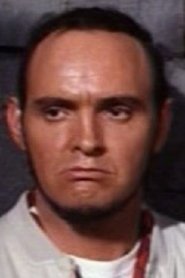 Norman JonesMonsieur Ernest Defarge
 George InnesJeremiah 'Jerry' Cruncher
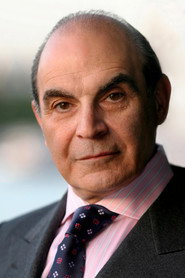 David SuchetJohn Barsad
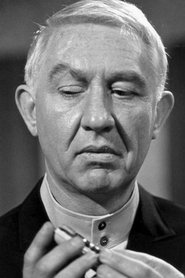 Kevin StoneyLord Chief Justice
Directing
- Jim GoddardDirector
Writing
- Charles DickensNovel
- John GayScreenplay