
Television series
A Tale of Two Cities
Other titles called A Tale of Two Cities: the 1935 film, the 1958 film, the 1980 film.
This 1989 Masterpiece Theatre adaptation wraps Dickens's revolutionary epic in psychological intrigue, pivoting on the fatal resemblance between two men and their shared obsession. James Wilby's Sidney Carton—dissolute, self-loathing, electrifyingly alive—carries the moral weight while the Terror of France churns in the background. It's intimate melodrama wearing historical clothes, and it works because the personal stakes matter more than the politics.
Should you watch it?
Watch it if you love Dickens for his coincidences, doubled identities and moral sweep, and enjoy a costume drama that lets the romance and politics share the same scenes.
Skip it if you want the revolution's horror met head-on, since this keeps the bloodshed at arm's length and leans on talky parlour scenes and stagey romance.
What it asks of you: Two episodes, roughly ninety-five minutes in all, want a single evening and a slow, formal pace, plus close attention to who looks like whom.
Not sure? Find tonight's pick in a minute.
If you liked this
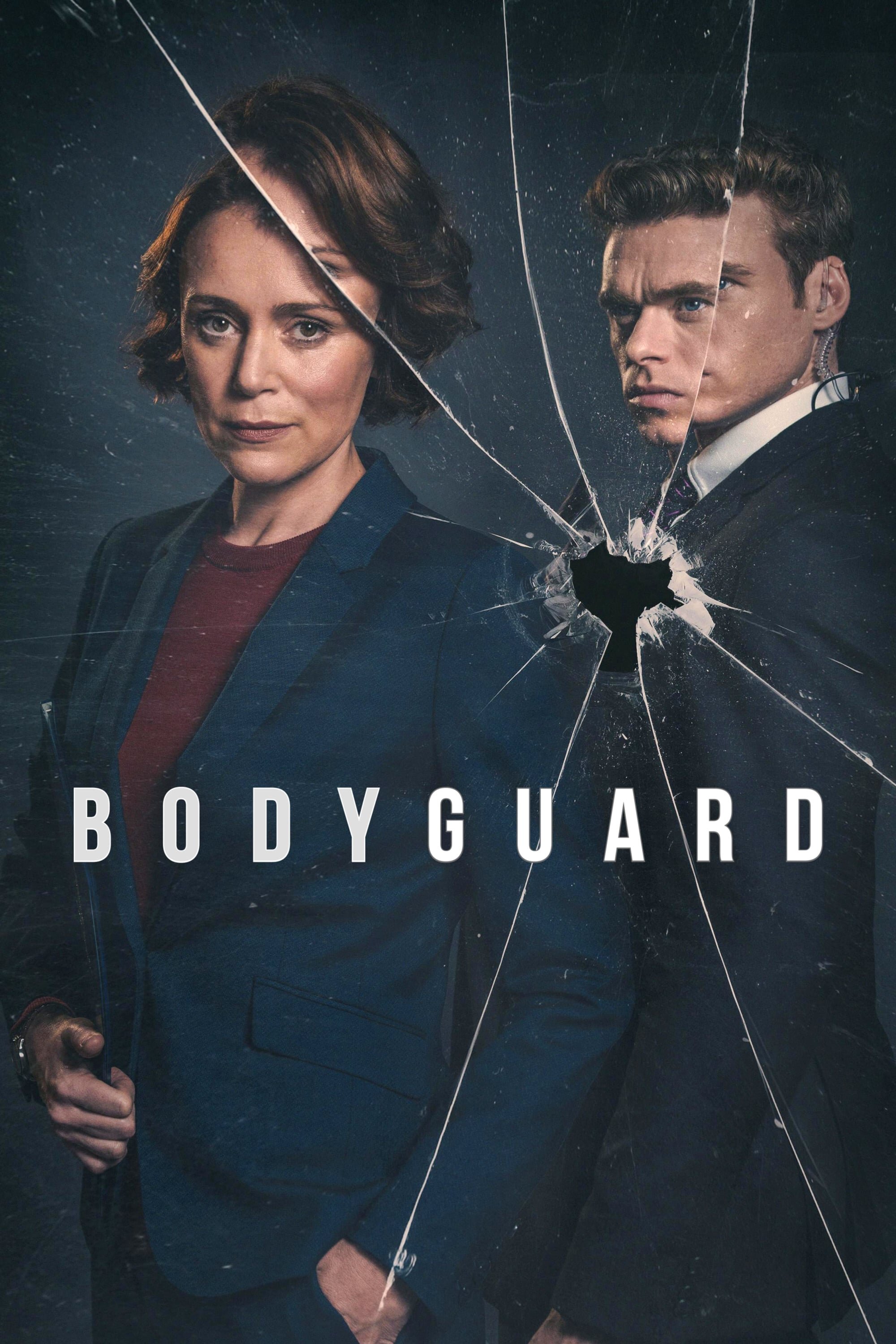
Bodyguard2018
Modern political thriller that shares Dickens's obsession with doubles and divided loyalty. A man must protect the woman he loves while navigating treachery on all sides. Taut, beautifully acted, and morally complicated in exactly this way.
But Heavier on procedural detail and contemporary politics than romance. The ending divides viewers sharply, and it's less openly emotional than the Dickens.
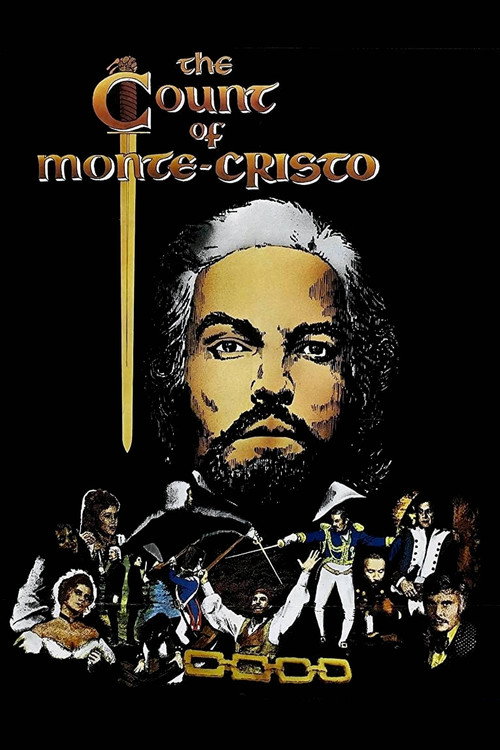
The Count of Monte-Cristo1975
Another historical thriller built on secret identity, doppelgänger confusion, and a man's redemption through sacrifice. Beautifully shot, perfectly paced, and Richard Chamberlain is mesmerizing in the dual role that Wilby makes his own.
But Longer and more action-driven than Two Cities. The tone is colder and less concerned with unrequited longing.
Brief Encounter1945
Coward's masterpiece about forbidden love and the agony of duty. Two people who should never meet do, and the film builds devastating tension from the impossibility of their situation. It's about what cannot be said, what Dickens understood perfectly.
But Shot in monochrome, shot in 1945. The pacing is glacial by modern standards. Romance here is internal, not physical.

Not sure tonight? Get a pick in a minute, starting from A Tale of Two Cities
The wildcard
Something you would not have found on your own.
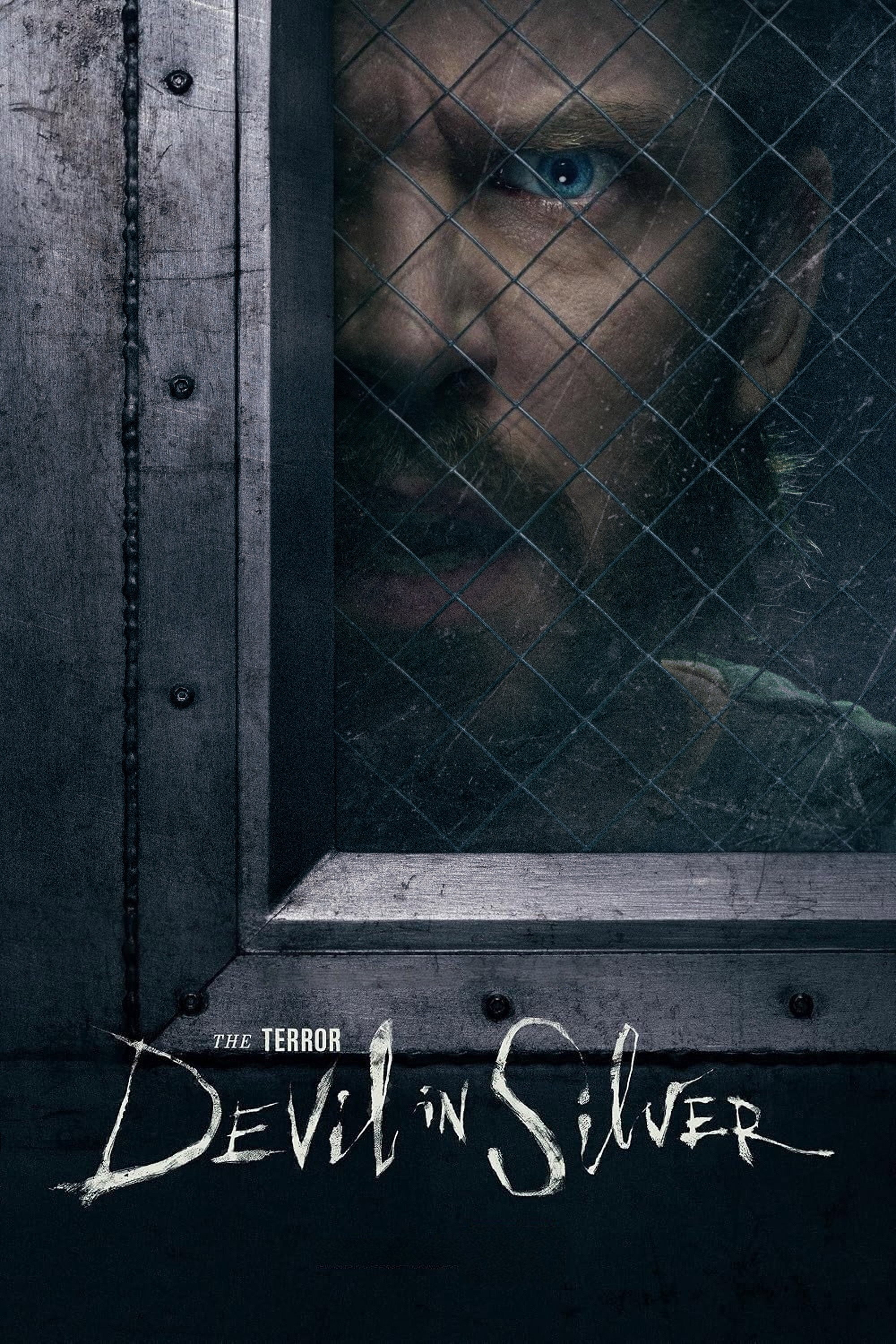
The Terror2018
Both use historical extremity—revolution, expedition—as the backdrop for intimate moral reckoning. Both understand that the personal tragedy matters more than the historical event.
A miniseries about the Franklin Expedition uses supernatural horror and historical catastrophe to explore men facing impossible choices with no way out. Like Two Cities, it finds terror not in monsters but in the collapse of order and the slow realization that sacrifice might be the only dignity left.
But Gothic horror in the Arctic, extremely dark, genuinely bleak. If you're seeking Dickens's emotional catharsis rather than his dread, this will feel like the wrong kind of story.
More like this (8)
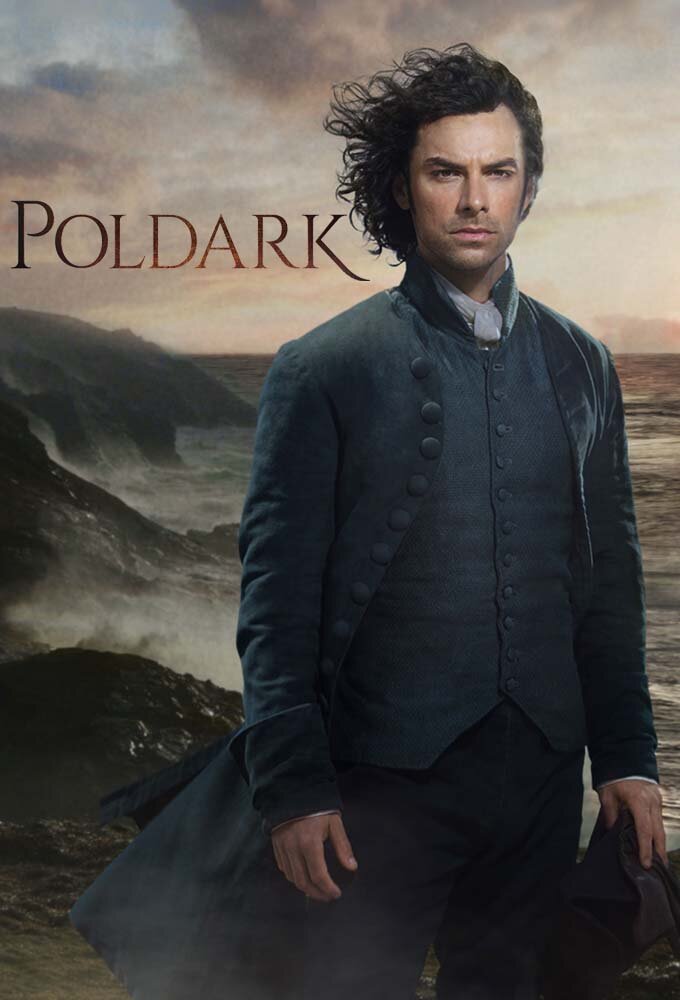
Poldark2015
A man returns from war emotionally broken, haunted by love for someone he cannot have, trying to rebuild himself through duty and work. The historical setting and the focus on masculine vulnerability echo Carton's arc precisely.
But The BBC version has a very different tone—more pastoral, less fevered. It takes time to find its rhythm in season one.
The Remains of the Day1993
Anthony Hopkins as a man haunted by what he failed to do, what he failed to say, what he sacrificed for duty. It's Carton's story in a different key: the reckoning of a wasted life and one final act of grace.
But Almost entirely internal. Some find it too quiet, too controlled, insufficiently dramatic for its own emotional weight.

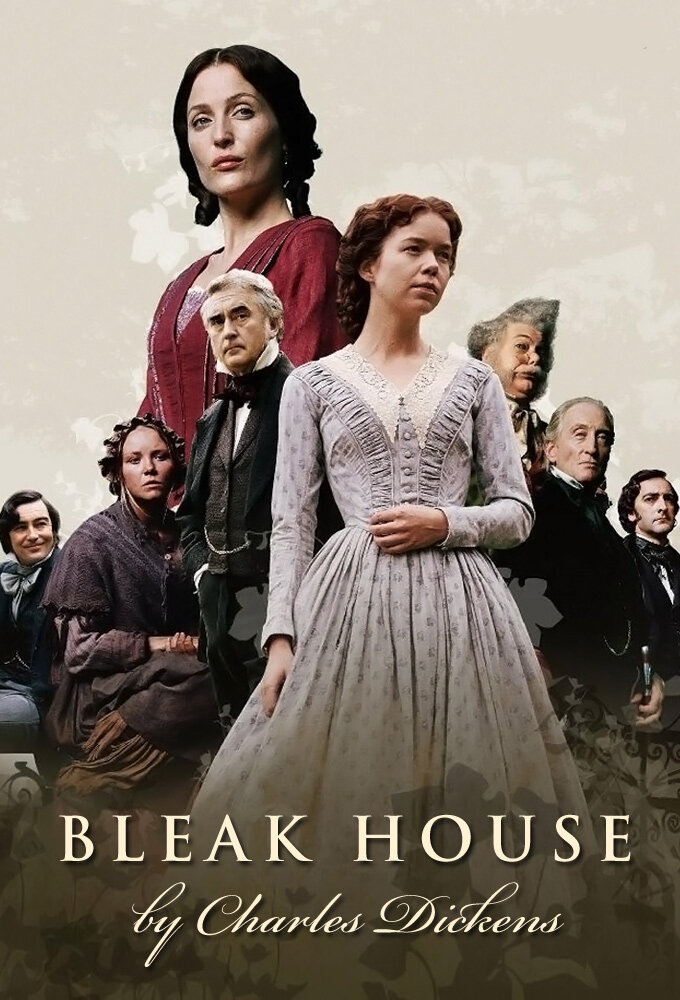
Bleak House2005
Another Dickens adaptation, this one capturing the fog and moral rot he found in institutions. The ensemble cast and interwoven plots share his gift for showing how personal lives fracture under systemic pressure.
But Twenty television hours is a commitment. Its structure is deliberately fractured; some viewers find it exhausting rather than enriching.
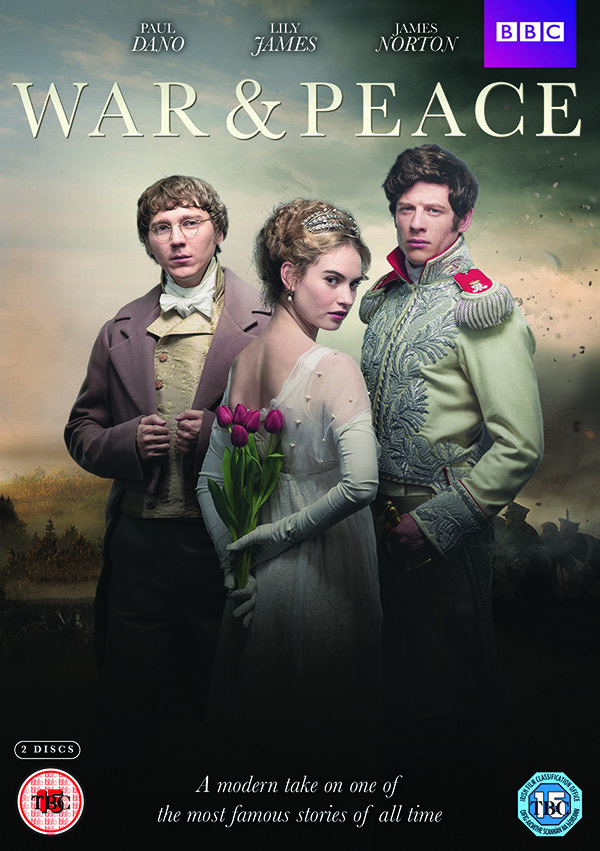
War & Peace2016
Epic historical drama where personal passion collides with revolutionary change. Like Two Cities, it asks what individuals owe to history and to themselves. Beautifully mounted and morally serious.
But Russian literature adapted for television, which means it can feel slow and philosophically dense. The dialogue is often more important than the plot.
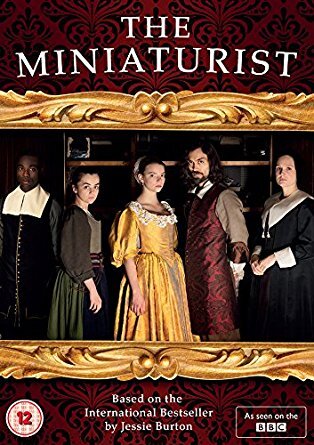
The Miniaturist2017
A woman arrives in Amsterdam as a bride and finds herself trapped between desire and duty, appearance and reality. Like Two Cities, it uses atmosphere and uncanny doubling to explore the terror of being known versus being loved.
But Deliberately strange and oblique. Some viewers find it pretentious; others find it so symbolic it evaporates the human drama.
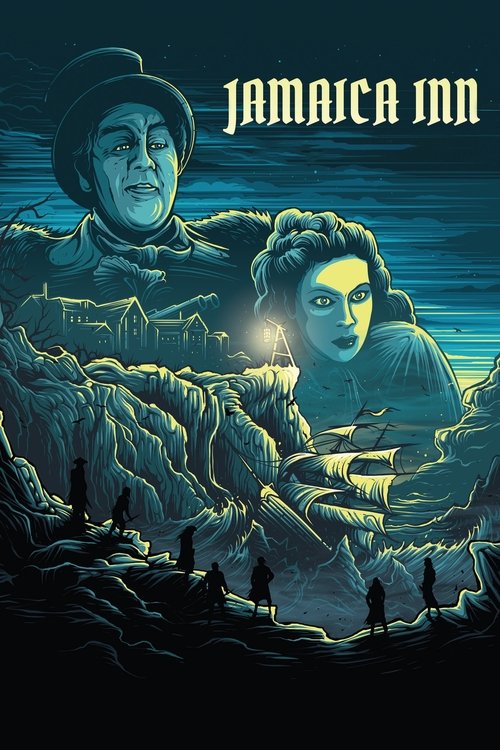
Jamaica Inn1939
Hitchcock's adaptation of du Maurier uses isolation and storm-tossed atmosphere to explore moral compromise and the pull of love against survival. It has the same gothic sensibility and the same question at its core: what would you sacrifice?
But Hitchcock's early; the narrative can feel lumpy. It's melodrama with genre trappings, and some find the whole enterprise dated.
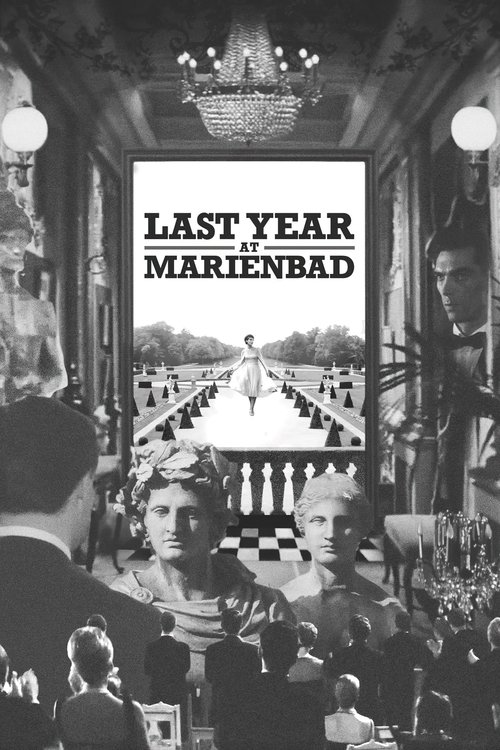
Last Year at Marienbad1961
Both use doubling and the uncertainty of identity as their engine. Both suggest that love might be built on a delusion we refuse to question because it's too necessary to survive.
Robbe-Grillet's puzzle-box film about a man insisting he met a woman the previous year while she denies it. Like Two Cities, it's built entirely on the question of whether two people can truly know each other, whether identity itself is fixed or fluid. Hypnotic.
But A 1960s French experimental film that works against plot and character. It has no conventional narrative arc. Some find it profound; others find it deliberately infuriating.
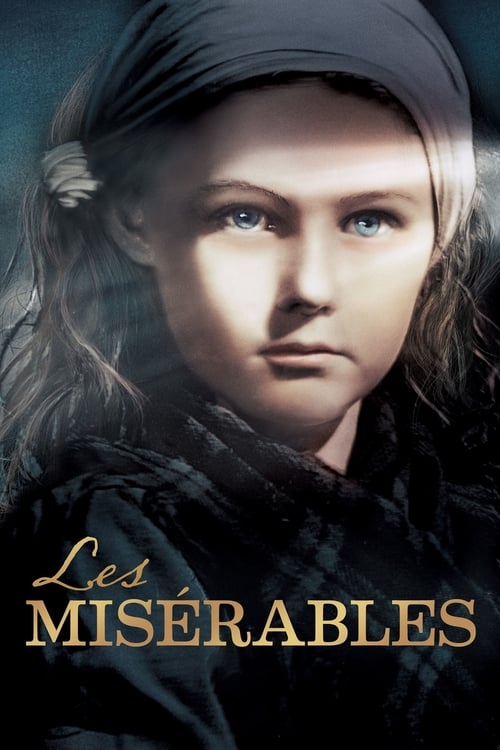
Les Misérables1935
Both are revolutionary stories where the revolution matters less than what individual men do when the world demands they betray their hearts. Both suggest that nobility might be an accident, a chance to matter before you disappear.
Harry Baur's Jean Valjean is a man broken by the system, seeking redemption through sacrifice for those he loves. Made in the 1930s, it understands the French Revolution as lived trauma, not historical backdrop. The emotional devastation is genuine and earned.
But A 1934 French film shot in a very particular theatrical style. The melodrama is operatic; English subtitles cannot capture the texture. Some find old French cinema alienating rather than moving.
People
Cast



Recommended by
Hornblower: The Examination for Lieutenant, Mysteries of Lisbon, TaleSpin, David Copperfield, The Scarlet Pimpernel, Branagh Theatre Live: The Winter's Tale, The Limehouse Golem, The Prince and the Pauper, Ben-Hur