
Film
Branagh Theatre Live: The Winter's Tale
Kenneth Branagh's filmed production of Shakespeare's most audacious play. A jealous king destroys everything, then sixteen years later the universe slowly rights itself through music, dance, and unexpected grace. It's theatrical—you feel the presence of an audience—but filmed with enough intimacy to catch the smallest gesture. For those who love Shakespeare performed at full tilt, or anyone curious what happens when tragedy somehow transforms into joy.
Should you watch it?
Watch it if you relish actors wrestling with heightened Shakespearean verse on stage, happy for the words to carry the evening while the camera mostly keeps its distance.
Skip it if you want cinema's fluid movement, since this is a recorded theatre production that keeps the stage's pace and its three-and-a-half-hour length.
What it asks of you: Settle in for a long sitting of more than three hours, with extended passages of formal verse, and expect to stay with the language rather than skim.
Not sure? Find tonight's pick in a minute.
If you liked this
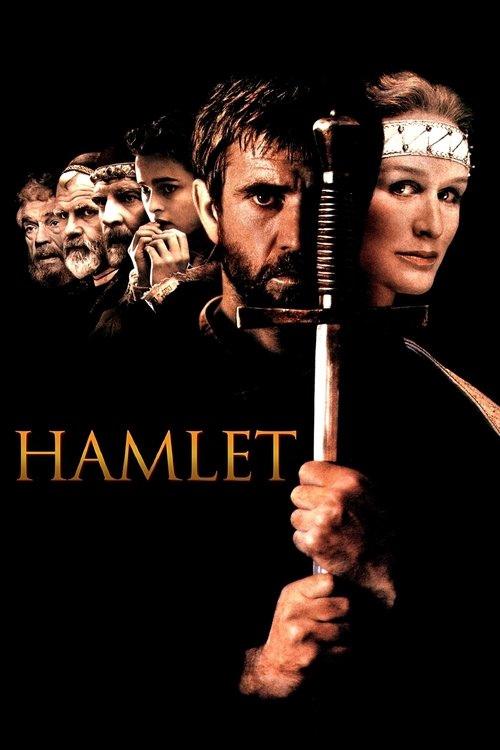
Hamlet1990
Branagh's own earlier Shakespeare film, equally ambitious in scope and visual language. He plays Hamlet with the same fierce intelligence and emotional honesty he brings to Leontes here. A masterclass in how to film the plays without diminishing them.
But Nearly four hours uncut. The pacing is deliberate and the psychological depths can feel exhausting rather than cathartic if you're not prepared for that commitment.
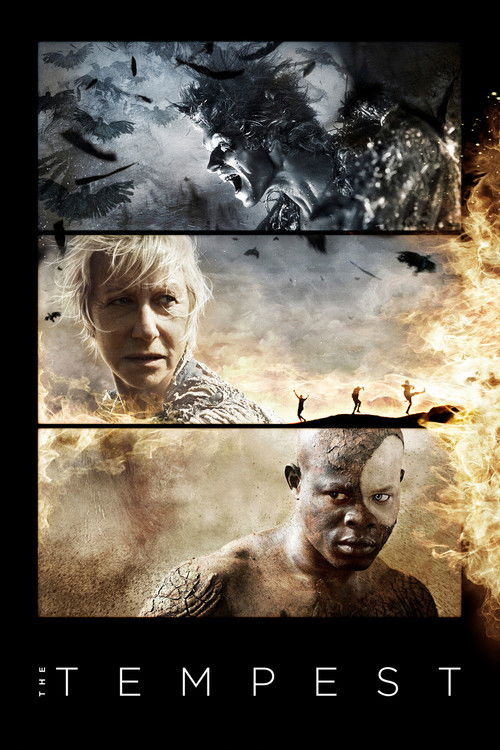
The Tempest2010
Another late Shakespeare play about loss, magic, and redemption; it shares The Winter's Tale's structural journey from destruction to restoration. Helen McCrory and David Tennant lead a film that understands how to make the fantastical feel real.
But The special effects haven't aged especially well, and some of the magical set pieces feel more stagey than earned. The tone can wobble between playfulness and seriousness.
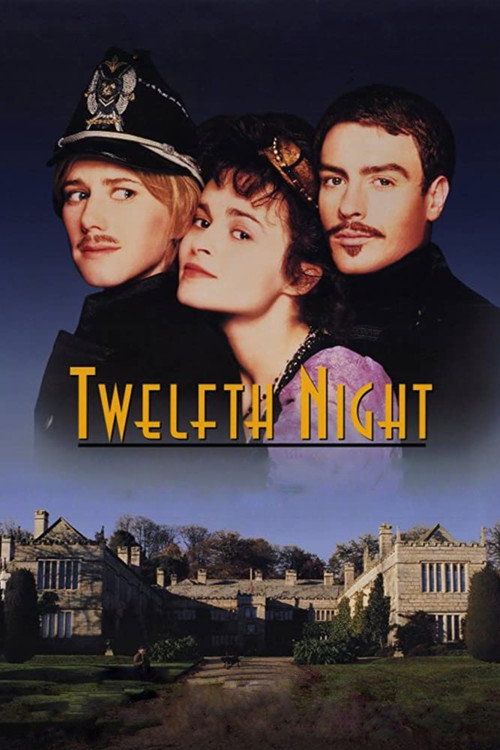
Twelfth Night1996
A comedy with genuine emotional weight underneath, featuring Judi Dench (who plays Paulina here) as a magnetic Viola. It captures the theatrical joy and human mess of Shakespeare with warmth and style, and moves at a clip.
But The production design feels slightly dated now, and some of the broad comedy might feel at odds with the wistfulness underneath if that's not your sweet spot.
Not sure tonight? Get a pick in a minute, starting from Branagh Theatre Live: The Winter's Tale
The wildcard
Something you would not have found on your own.
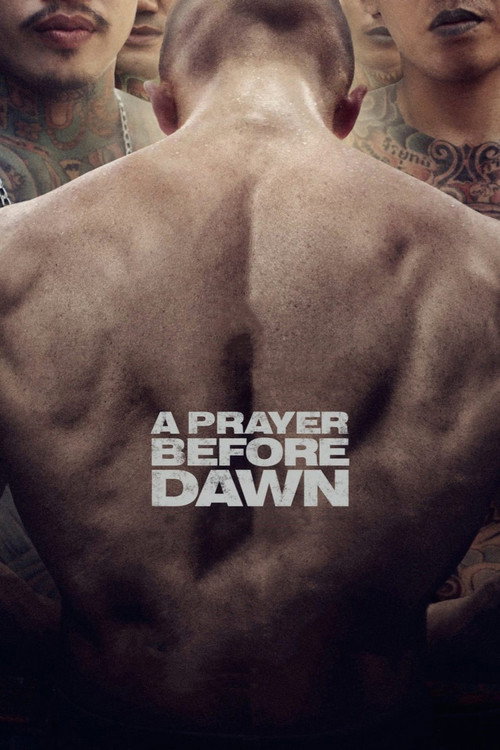
A Prayer Before Dawn2018
Both depict men undone by their own pathology learning slowly to rebuild themselves, but where Shakespeare uses time and reunion, this film uses bodily discipline and suffering as the path to grace.
An astonishing film about a boxer in a Thai prison learning Muay Thai and spiritual discipline. Like The Winter's Tale, it's about a man destroyed by his own rage learning, through repetitive physical ritual and grace, to become human again. Shot in real locations with real fighters.
But It's graphically violent and deeply uncomfortable. The transformation is hard-won and the film offers no easy redemption—it's earned through pain and humiliation, which is harder to watch than Shakespeare's magical resolution.
More like this (7)
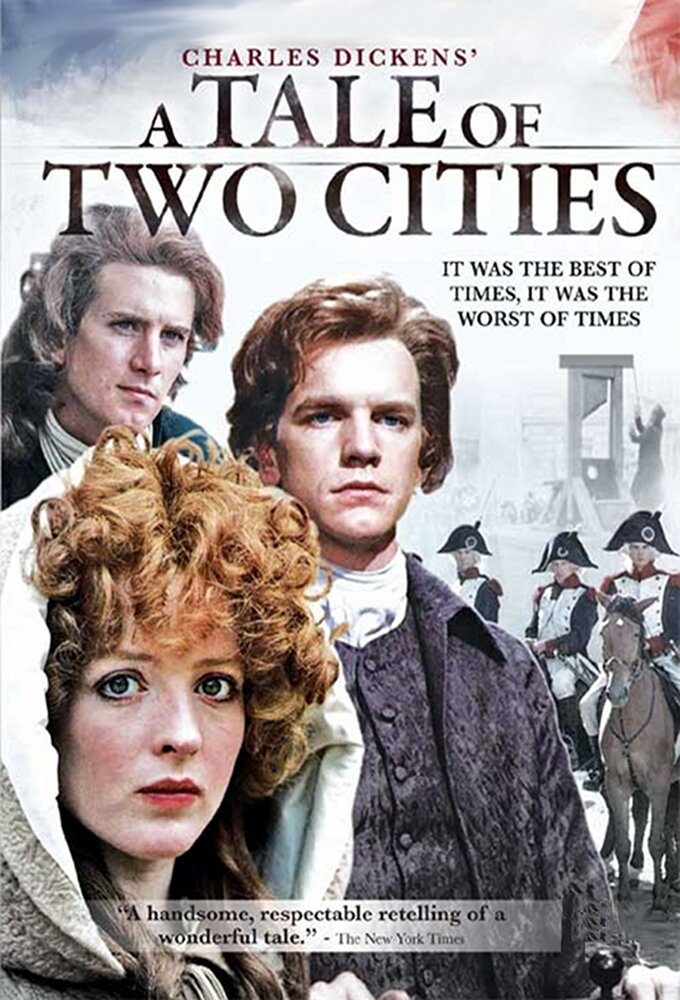
A Tale of Two Cities1989
Not Shakespeare, but a Dickens adaptation that shares The Winter's Tale's structure: catastrophic loss and separation, then reunion and grace across years. It has the same moral architecture and uses theatrical storytelling to explore redemption.
But It's a very British television production from the early '90s, so the pacing feels leisurely and some performances are mannered. Requires patience and an appetite for period sentiment.
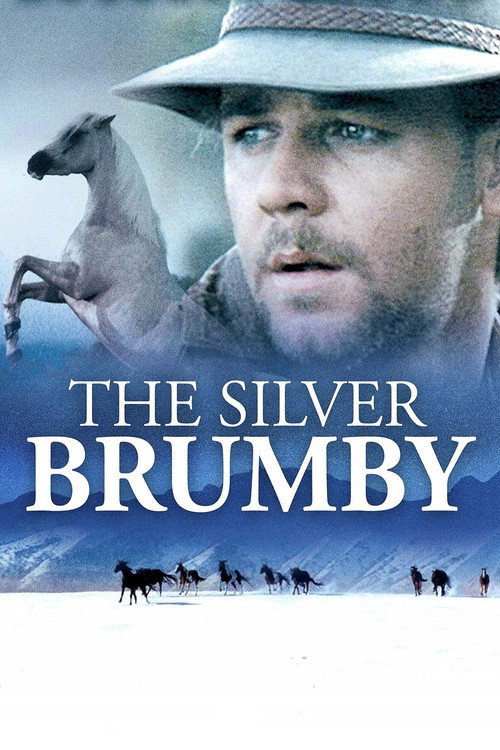
The Silver Brumby1993
A family film that operates on the same fairy-tale logic as The Winter's Tale's second half: separation, survival in wild places, and reunion. It has genuine magic without pretension and understands how time and nature can heal what seems irreparable.
But It's primarily aimed at children, so the emotional register is gentler and some of the stakes feel muted compared to the Shakespearean weight you might be seeking.
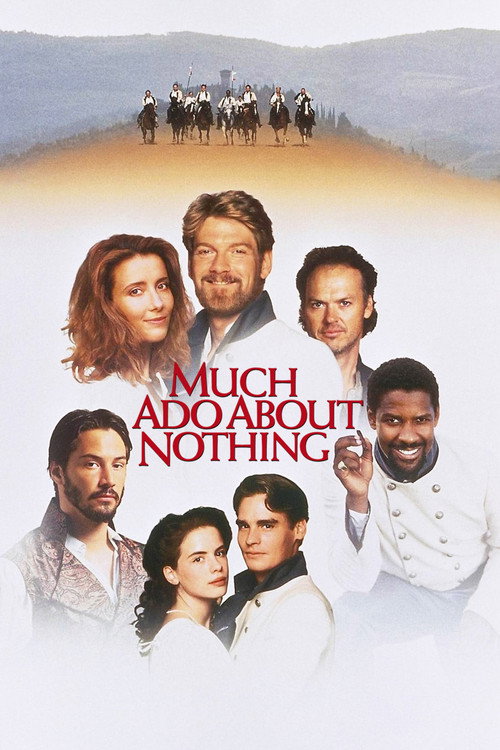
Much Ado About Nothing1993
Branagh directed this too—it's buoyant and funny in ways The Winter's Tale is not, but it shares the belief that wit and human connection can survive even the darkest accusations. Emma Thompson is magnificent, and the film celebrates language and performance.
But It's determinedly bright and romantic, which might feel slight if you're drawn to the darker, more mysterious aspects of The Winter's Tale. The comedy is front-loaded.
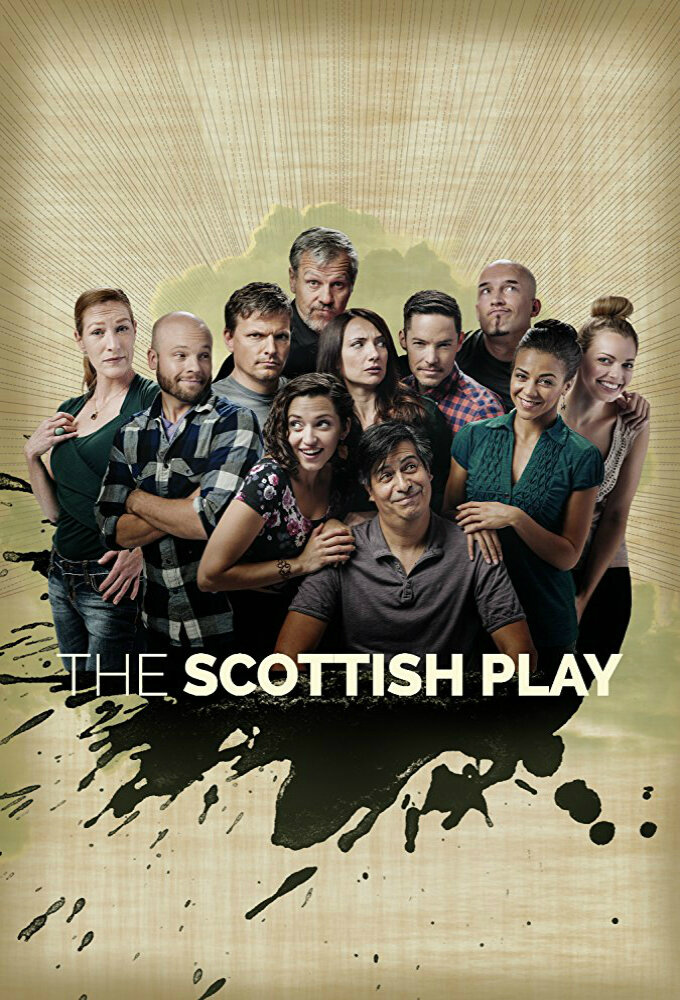
The Scottish Play2017
Another Branagh Shakespeare filmed for the stage, this one capturing Macbeth's descent into tyranny and paranoia. If you love how Branagh films Shakespeare while preserving the theatrical energy, this delivers that same experience with different psychological terrain.
But It's grimmer and more relentlessly dark than The Winter's Tale, without the same faith in redemption. The violence is more prominent and less metaphorical.
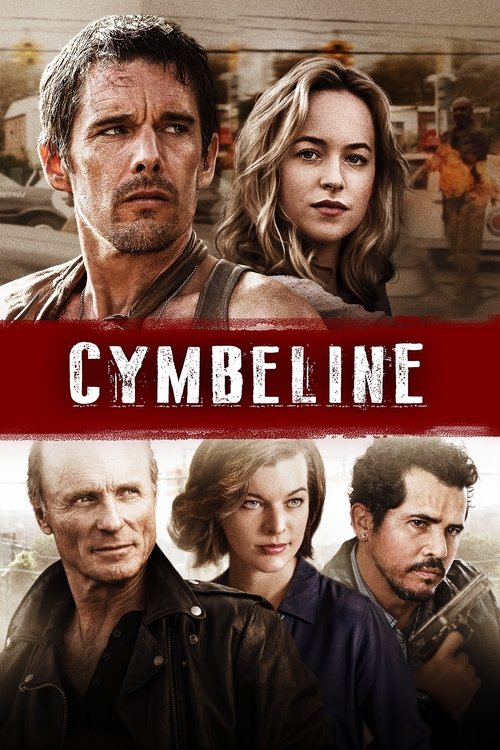
Cymbeline2014
The other late Shakespeare play about impossible separations and miraculous reunions. This BBC production is faithful and intelligent, and the play itself shares The Winter's Tale's structure and moral questions about jealousy, faith, and time's capacity to heal.
But The BBC production is quite austere and slow-paced, and the play's plot mechanics are genuinely convoluted. You have to actively work to follow who is where and why.
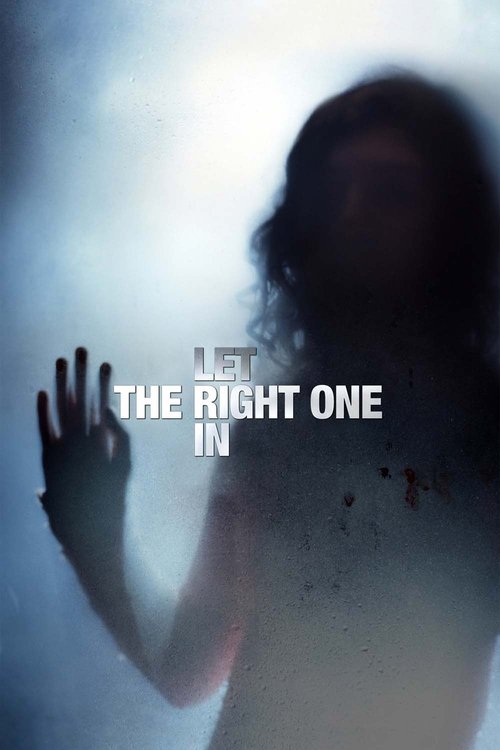
Let the Right One In2008
Both explore what happens across vast stretches of time, and both suggest that connection and loyalty can persist in forms we don't expect—magic in Shakespeare, vampirism here.
A Swedish vampire story about a lonely boy and an ancient girl who cannot age or change. Structurally it mirrors The Winter's Tale's separation across time and the possibility of connection despite everything that separates us. It's luminous, quiet, and devastatingly human.
But It's very slow, very still, and contains real horror and child endangerment. The beauty of the imagery doesn't soften the darkness of what's actually happening. Some will find it bleak rather than redemptive.
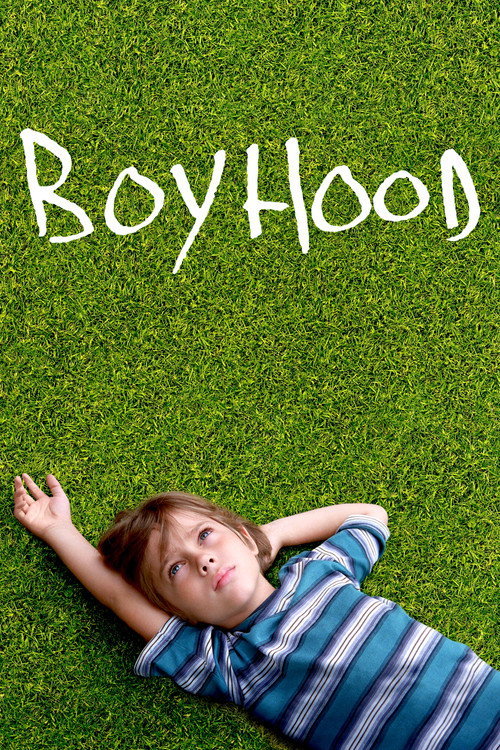
Boyhood2014
Like The Winter's Tale's jump from Act III to Act V, Boyhood makes time itself the subject. Both ask us to experience years passing and to find profound meaning in the small human moments that accumulate across those years.
Richard Linklater filmed the same actor growing from age 6 to 18 over twelve years. The structure is The Winter's Tale's central gamble: watching time actually pass on film, with all its mundane and extraordinary changes. It's tender, patient, and trusts the audience.
But It's radically plotless and deliberately anticlimactic. If you need dramatic incident or character arcs that resolve clearly, this will feel frustratingly flat. It's a meditation, not a story.
People
Cast
 Judi DenchPaulina
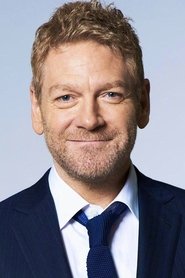 Kenneth BranaghLeontes
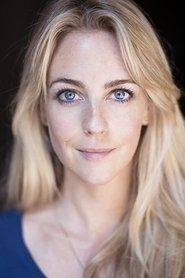 Miranda RaisonHermione
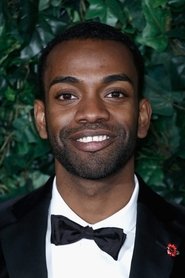 Jaygann AyehArchidamus
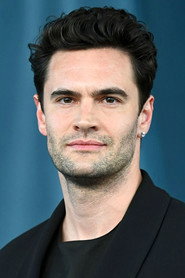 Tom BatemanFlorizel
 Jessie BuckleyPerdita
 Vera ChokDorcas
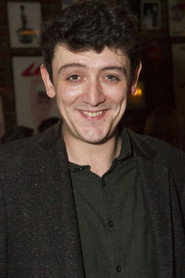 John DagleishAutolycus
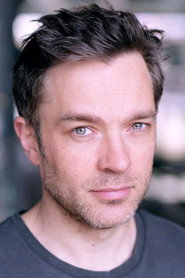 Hadley FraserPolixenes
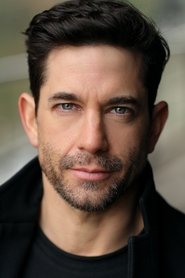 Adam GarciaLord Amadis
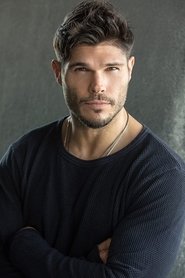 Taylor JamesCapino
- David Jones Jr.Young Shakespeare
Directing
- Benjamin CaronDirector
- Kenneth BranaghDirector
- Rob AshfordDirector
Writing
- William ShakespeareTheatre Play
Production
- Lucy BevanCasting
- Glynis MurrayExecutive Producer
- John BathExecutive Producer
- Jez BreadinProducer
- Simon FisherProducer