
Film
A Midsummer Night's Dream
Other titles called A Midsummer Night's Dream: the 1935 film, the 1968 film, the 1996 film, the 1999 film.
A 2016 film adaptation of Shakespeare's comedy that strips away the whimsy to emphasize power, desire, and chaos. Visually inventive and darkly comic, it casts the magic of the forest as genuinely unsettling rather than delightful. It's for people who love the play but want to see it remade as something wilder and more unsettling.
Should you watch it?
Watch it if you enjoy Shakespeare turned inside out, where a comic play about rehearsing players sits beside a court full of menace and the laughs come with a cold draught.
Skip it if the bard's gentle lovers-in-a-wood charm is what you came for, since this version leans darker and more political, and its tone may feel uneasy rather than merry.
What it asks of you: a brisk ninety minutes that moves between a tyrant's court, a rehearsing town and a sinister wood, so it asks you to hold several threads at once and stay alert to shifts in tone.
Not sure? Find tonight's pick in a minute.
If you liked this
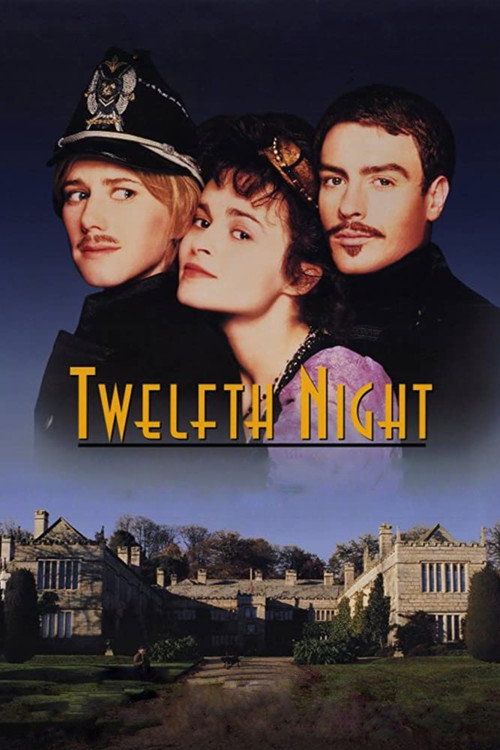
Twelfth Night1996
Trevor Nunn's film version of another Shakespeare comedy, equally romantic and funny, with real visual style and a stellar cast. Helena Bonham Carter and Ben Kingsley anchor a version that trusts the language without drowning in staginess.
But If you haven't read the play, the plot tangles are genuinely confusing. Some find Shakespeare in period costume slow, no matter how well acted.
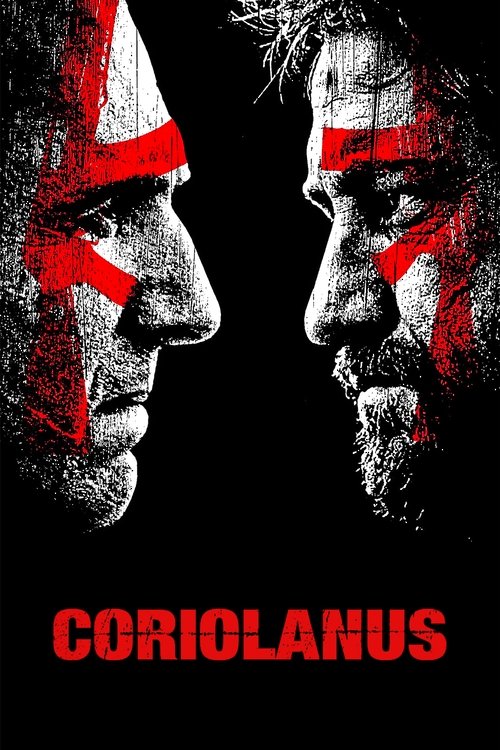
Coriolanus2011
Ralph Fiennes directs and stars in this as a visceral political thriller set in a contemporary militarised state. It proves Shakespeare's political rage translates brilliantly to modern settings and keeps the language intact without feeling stuffy.
But It's relentlessly tense and angry. There's no comic relief, and if you want to feel uplifted by cinema, this won't do it.
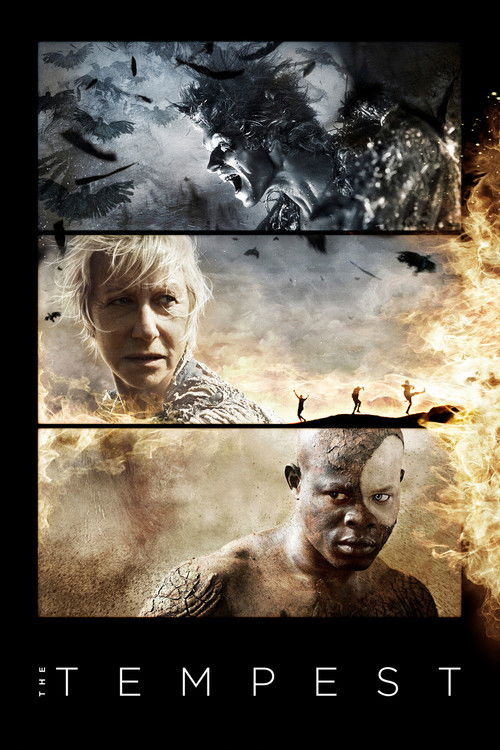
The Tempest2010
Julie Taymor's visually inventive adaptation, with Helen Mirren playing a genderswapped Prospero. Taymor's trademark puppet work and lavish design create a genuinely magical, otherworldly atmosphere that matches the play's supernatural elements.
But It's sometimes more interested in spectacle than story. The pacing can feel indulgent, and if you find Taymor's style overwrought, this won't change your mind.
Not sure tonight? Get a pick in a minute, starting from A Midsummer Night's Dream
The wildcard
Something you would not have found on your own.
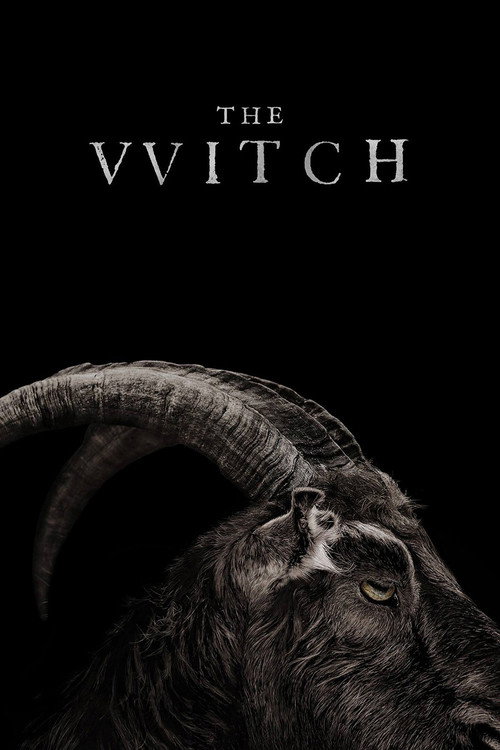
The Witch2016
Both use the woods as a space where conventional morality breaks down and primal impulses take over. Neither film lets you relax into comfort; both make the audience complicit in watching desire and power spiral.
A folk-horror film about a puritan family isolated in the woods, where supernatural forces may or may not be real. Like Midsummer Night's Dream, the forest is a place where social order collapses and dark desire emerges unchecked.
But It's genuinely unsettling and slow-burn dread, not Gothic spectacle. The darkness is internal and psychological. Most people find it more unpleasant than entertaining.
More like this (7)
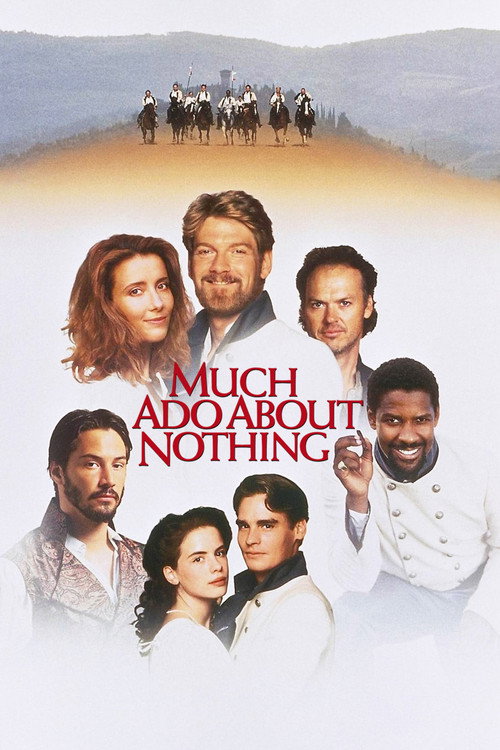
Much Ado About Nothing1993
Joss Whedon directed this Tuscan-set romantic comedy with an ensemble cast having obvious fun. Witty, breezily paced, and genuinely charming—it captures the play's verbal sparring and romance without overthinking it.
But It's sunlit and breezy to the point of froth. If you want Shakespeare to feel weighty, this won't satisfy that impulse.
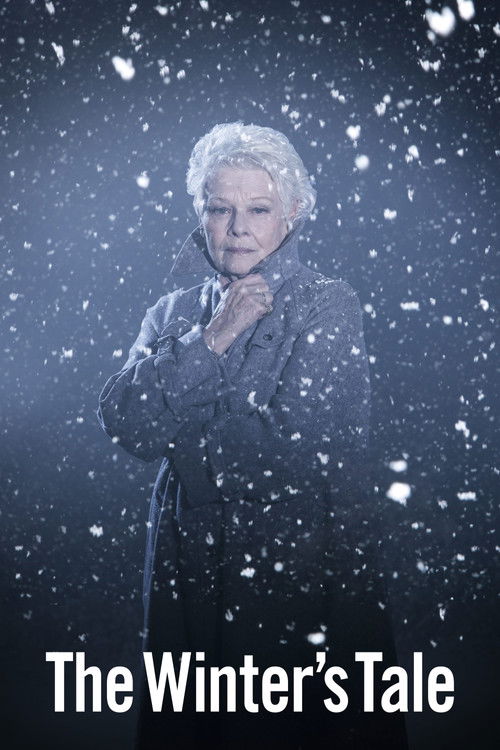
Branagh Theatre Live: The Winter's Tale2015
Compliceth's stage adaptation, filmed in one take, feels raw and immediate. The tonal shifts—from tragedy to comedy—are handled with real emotional honesty, and the final scene lands with devastating power.
But The single-take approach means no coverage, so technical problems in the performance remain visible. It's experimental and not always perfectly executed.
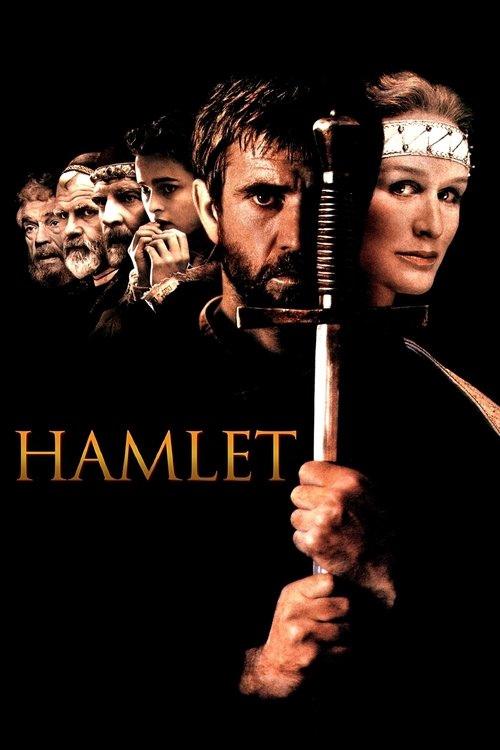
Hamlet1990
Laurence Olivier's towering 1948 version remains essential, but David Tennant's 2009 RSC adaptation offers a more intimate, psychologically complex Prince. Filmed in a sparse studio, it prioritises the character's interiority.
But Without elaborate production design, everything rests on the actor and the language. If you need visual spectacle, this is austere to the point of severity.
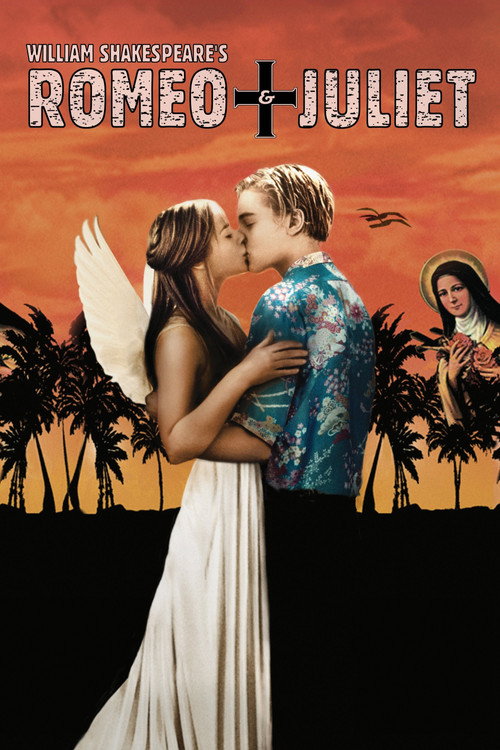
Romeo + Juliet1996
Baz Luhrmann's modernised version plays the language absolutely straight against neon-soaked Miami excess. It's visually audacious and proves you can hear Shakespeare clearly even in a wildly unfamiliar setting.
But The style is overwhelming—fast cuts, pounding soundtrack, everything oversaturated. It can feel like the direction is fighting the text.
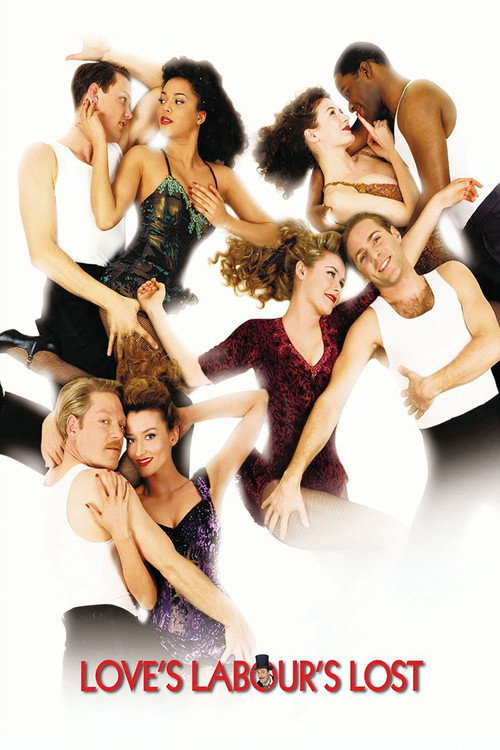
Love's Labour's Lost2000
Kenneth Branagh adapted and directed this often-overlooked comedy as a 1930s musical pastiche. It's joyful, surprisingly inventive, and proves Shakespeare's wordplay works beautifully when you're not trying to be reverent about it.
But It's relentlessly cheerful and whimsical. The musical numbers will either delight you or make you want to leave the room.
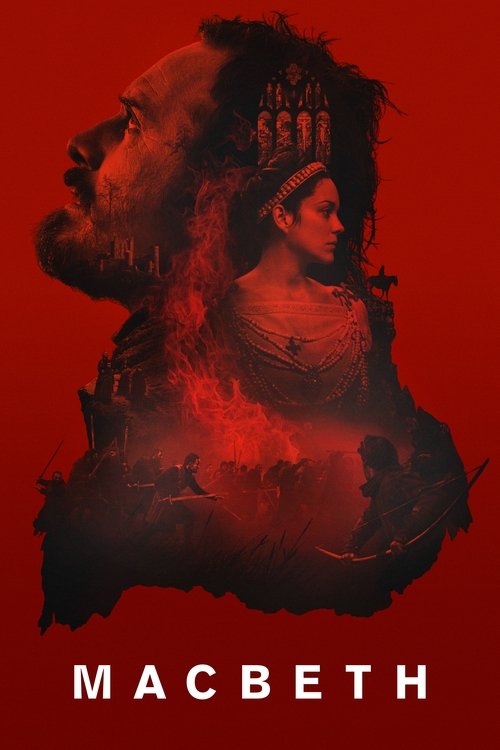
Macbeth2015
Justin Kurzel's version is brutally austere, filmed in foggy Scottish landscapes. Michael Fassbender's Macbeth is genuinely frightening, and the adaptation trims the play to its violent, paranoid core without losing the language.
But It's bleak and repetitive by design. The relentless grimness can feel monotonous, and if you want complexity in your villain, Kurzel's reading is purely pathological.
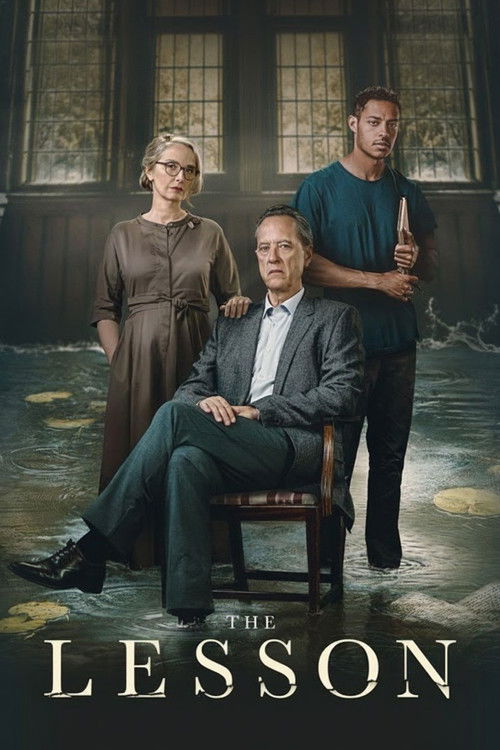
The Lesson2023
Like Midsummer, it's about the gap between what people say they want and what they actually desire. Both use language—and the wit within it—to mask darker impulses. Both surprise you by revealing the cruelty beneath charm.
A chamber piece about a student and teacher in a single room where power dynamics shift unexpectedly and uncomfortably. It's linguistically dense, built on dialogue and subtext, with a final act that recontextualizes everything you've watched.
But It's deliberately constrained and airless. One room, two people, ninety minutes. If you need plot momentum or visual variety, you'll find it claustrophobic and slow.
People
Cast
 John HannahTheseus
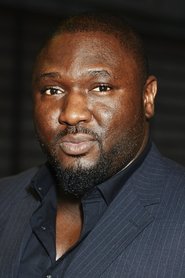 Nonso AnozieOberon
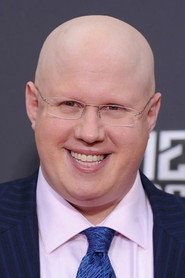 Matt LucasBottom
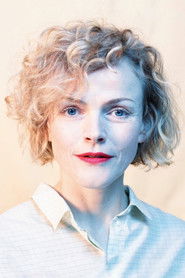 Maxine PeakeTitania
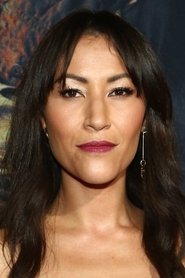 Eleanor MatsuuraHippolyta
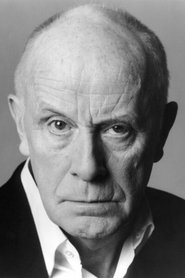 Richard WilsonStarveling
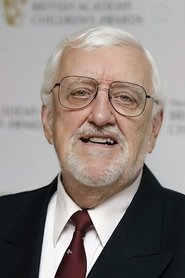 Bernard CribbinsSnout
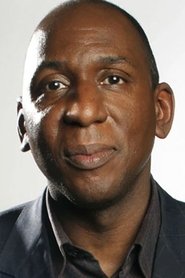 Colin McFarlaneEgeus
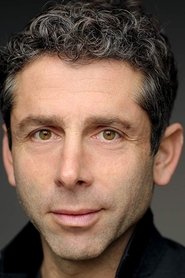 Elliot LeveyPhilostrate
 Sarah SharmanCourtier
 Elaine PaigeMistress Quince
 Fisayo AkinadeFlute
Directing
- David KerrDirector
- Fay SelbyFirst Assistant Director
- James DeHavilandSecond Assistant Director
- Danielle RichardsThird Assistant Director
Writing
- Russell T DaviesAdaptation
- William ShakespeareTheatre Play
- Russell T DaviesWriter
Production
- Andy PryorCasting
- Brian MinchinExecutive Producer
- Faith PenhaleExecutive Producer
- Russell T DaviesExecutive Producer
- Julie ScottLine Producer
- Nikki WilsonProducer