
Film
Love's Labour's Lost
Other titles called Love's Labour's Lost: the 1985 film.
- Comedy
- Romantic comedy
- Light-hearted
Kenneth Branagh's 2000 film transplants Shakespeare's comedy to a 1930s world of art deco glamour, where four men's vows of celibacy crumble when elegant women arrive. It's visually sumptuous, bursting with musical numbers and romantic chaos. Best suited to those who enjoy Shakespeare loosened from severity—playful, romantic, occasionally silly.
Should you watch it?
Watch it if you like your Shakespeare light on its feet and your romance full of bantering wit, the kind that trades in verbal fencing and sudden bursts of song.
Skip it if you want the play's text intact or find the dense wordplay tiring, since the jokes come quick and the characters talk in long, looping conceits.
What it asks of you: Short at ninety-three minutes and bouncy throughout, it moves at a light clip, asking you to keep up with rapid verbal volleys and the odd song rather than linger.
Not sure? Find tonight's pick in a minute.
If you liked this
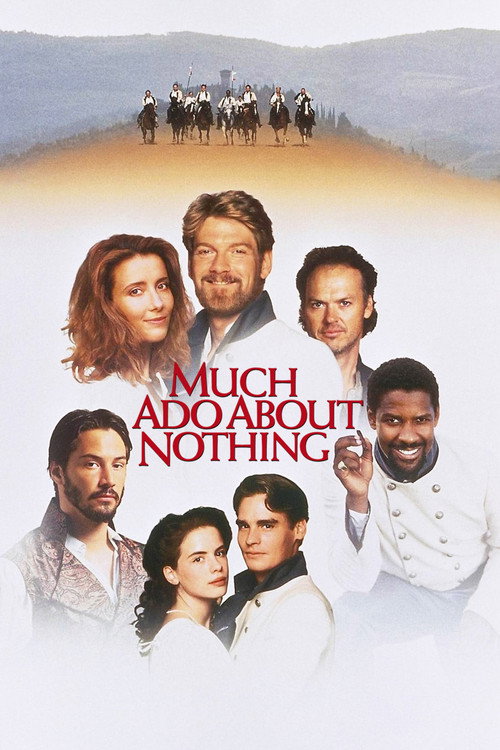
Much Ado About Nothing1993
Branagh's earlier Shakespeare adaptation has the same infectious energy, wit, and gorgeous ensemble chemistry. It's faster-paced banter and romantic intrigue that lands every joke without ever feeling arch or strained.
But Period costume drama can feel stuffy; this one moves quickly, but if you're allergic to 1600s gowns and swords, it won't convert you.
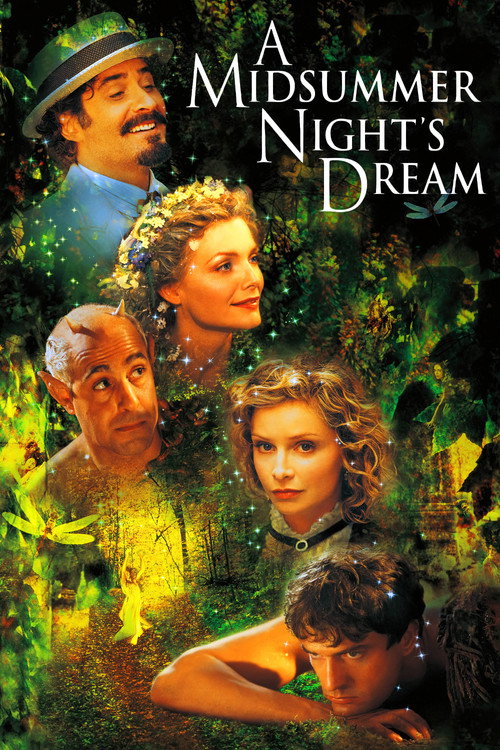
A Midsummer Night's Dream1999
Michael Hoffman's version shares Branagh's philosophy: make Shakespeare gorgeous, populate it with charm, and let music and romance do half the work. The fairy magic actually enchants rather than embarrasses.
But If you find magical romantic comedies too whimsical or saccharine, this will feel even lighter than Branagh's film.
Singin' in the Rain1952
The DNA of Branagh's musical comedy is here—playful energy, stellar dance sequences, romance that never feels forced, and the joy of watching talented people simply having fun on camera.
But It's over seventy years old and moves to a different rhythm. The Hollywood setting and earnestness may feel distant.

Not sure tonight? Get a pick in a minute, starting from Love's Labour's Lost
The wildcard
Something you would not have found on your own.
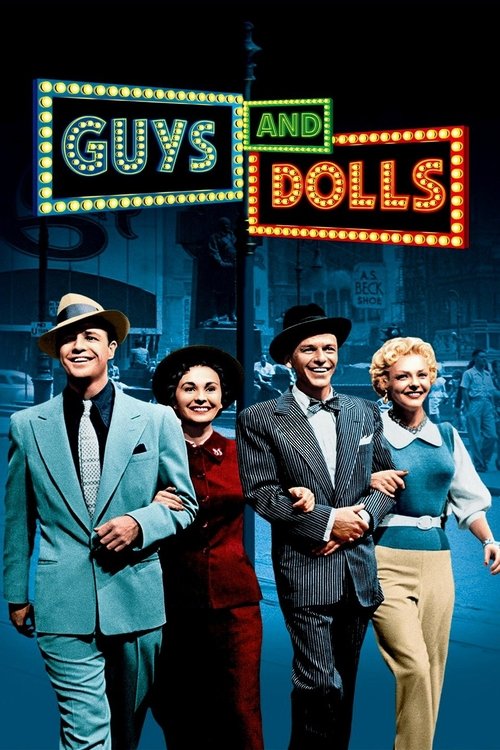
Guys and Dolls1955
Both are high-concept romantic comedies where male pride meets female wit in elaborate formal settings, resolved through music and charm rather than plot mechanics.
Musical romantic comedy about men making vows and women disrupting them—the exact same plot engine. Joseph L. Mankiewicz stages it with theatrical artifice and genuine warmth; Marlon Brando and Frank Sinatra are graceful and funny.
But It's a fully conventional musical from Hollywood's golden age. If you want Shakespeare text but are tired of period dress, this swaps language for melody—potentially the wrong trade.
More like this (8)
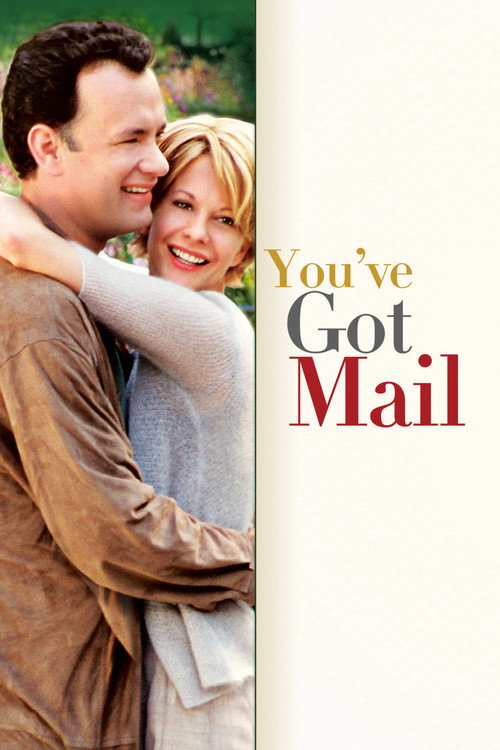
You've Got Mail1998
Same year, same sensibility: modern people overthinking relationships while charm and wit do the real work. Meg Ryan and Tom Hanks have the ease that Branagh's cast brings to their romantic sparring.
But Entirely naturalistic and contemporary—zero Shakespeare DNA, so if you're specifically craving iambic pentameter dressed in tuxedos, this won't scratch that itch.
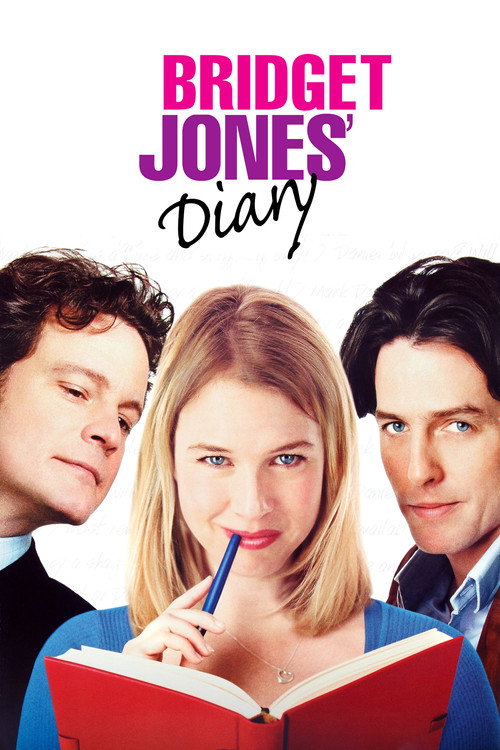
Bridget Jones's Diary2001
Released just after Branagh's film, it has the same British sensibility and romantic chaos. The ensemble is warm, the comedy lands on character rather than punchlines, and it feels effortlessly English.
But It's a modern rom-com with no theatrical flourish. If you loved Branagh's artifice and visual flair, this straightforward approach might feel flat.
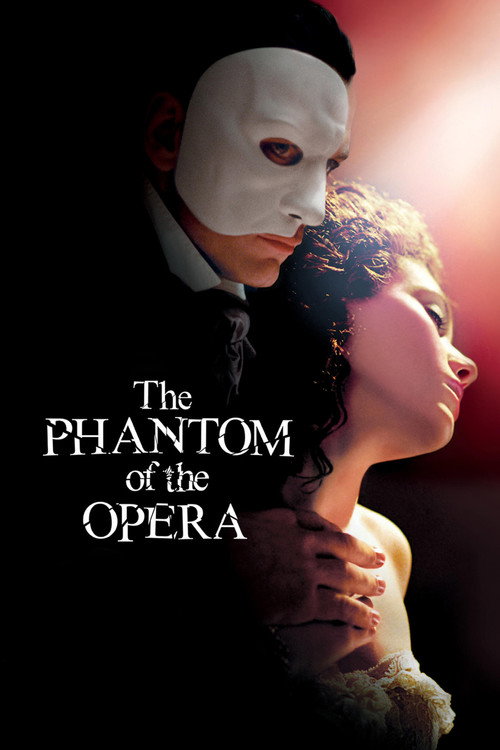
The Phantom of the Opera2004
Another Branagh-adjacent venture: period spectacle, musical numbers that serve the story, lush production design, and romantic yearning that takes itself seriously while allowing baroque theatricality.
But It's gothic melodrama, not comedy. The tonal shift from playfulness to earnest angst may feel jarring if you want consistency.
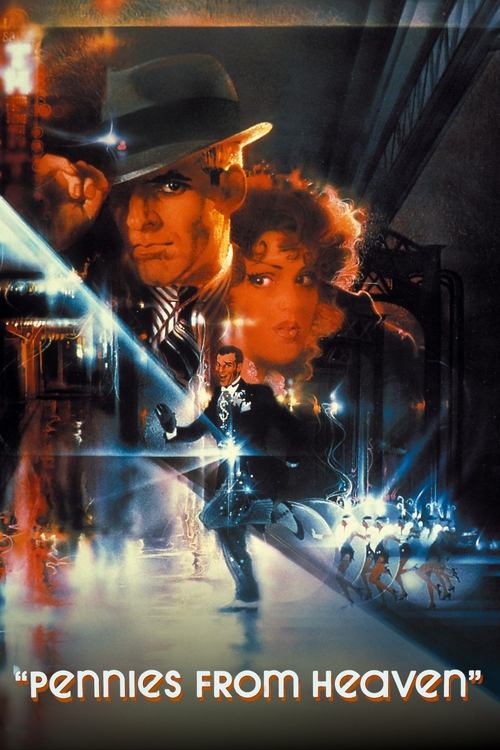
Pennies from Heaven1981
A Depression-era romance with elaborate musical sequences and bittersweet charm. It shares Branagh's belief that fantasy and song belong in intimate stories, not just spectacle.
But It's sadder and more adult than Branagh's romp. The eroticism and underlying melancholy could feel out of step with what you expected.
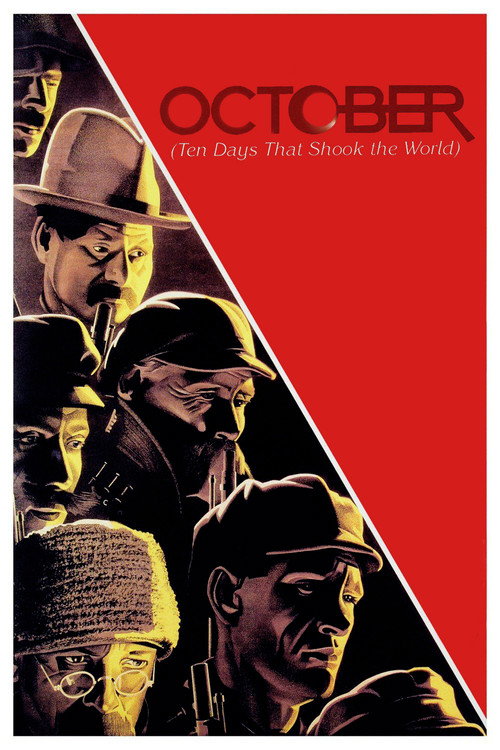
October (Ten Days that Shook the World)1928
Eisenstein's silent epic has the formal ambition and visual inventiveness that makes Branagh's Shakespeare adaptations work—cinema that wants to dazzle and move you simultaneously.
But It's a revolutionary Soviet documentary-drama. Zero romance, zero comedy, zero musical numbers—everything opposite from Branagh's frivolity.
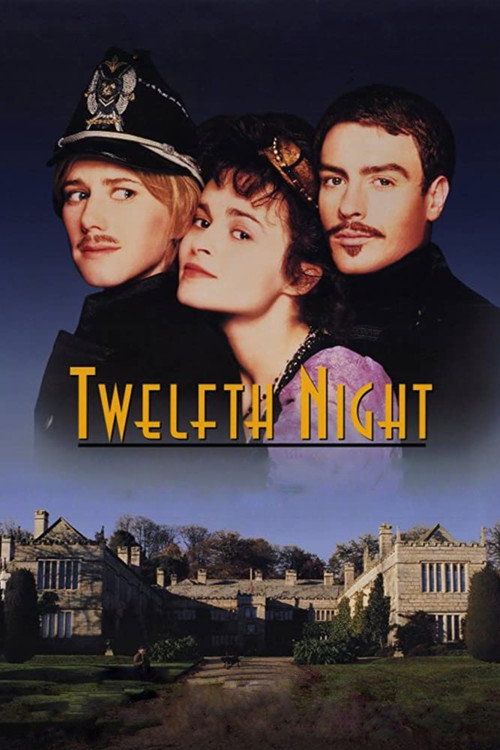
Twelfth Night1996
Trevor Nunn's adaptation captures similar romantic confusion and ensemble joy, with strong chemistry between players and a willingness to let Shakespeare's comedy breathe without over-direction.
But It's more faithful to stage traditions and less visually inventive than Branagh's art deco playground.
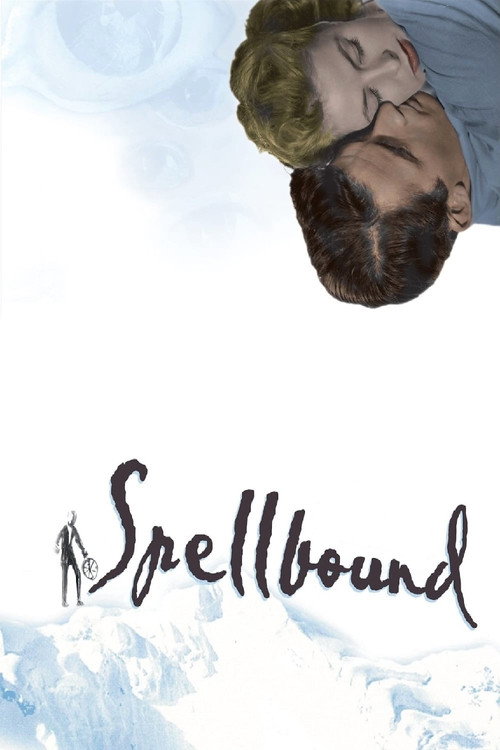
Spellbound1945
Both pivot on female characters seeing through male facades (vows, trauma, pretense) and refusing to let men hide behind them, all while maintaining erotic and romantic tension.
Hitchcock's psychological romance is lighter than it sounds: a woman chases a traumatized man through Freudian mystery with the same elegant persistence the Princess displays in Branagh's film. Ingrid Bergman is luminous.
But It's a thriller underneath the romance, with genuinely unsettling sequences. You're not getting the playful safety of Branagh's romp.
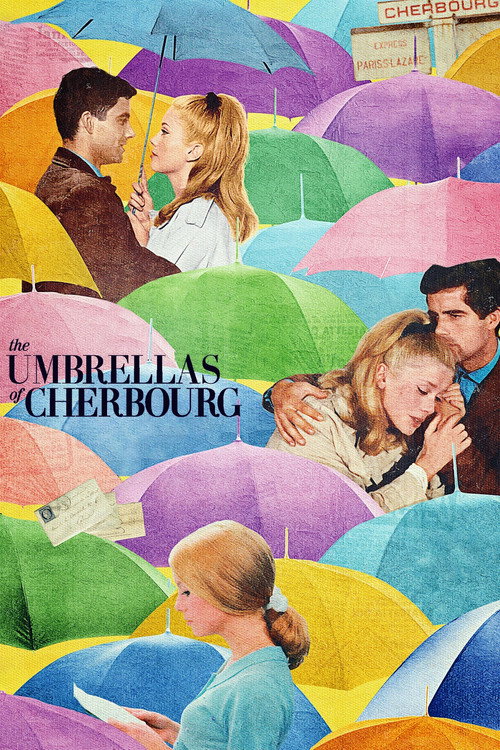
The Umbrellas of Cherbourg1964
Both filmmakers believe cinema should be unabashedly theatrical and visual, that romance deserves artifice and music, and that the world we build matters as much as what happens in it.
Jacques Demy's masterpiece is everything Branagh attempts: color-saturated fantasy, characters who express emotion through song and movement, romance that prioritizes beauty over realism, a world where artifice is the point.
But It's French, it's melancholic despite its visual joy, and it ends with genuine heartbreak. The emotional register is completely different—transcendent instead of comic.
People
Cast
 Alessandro NivolaThe King (Ferdinand)
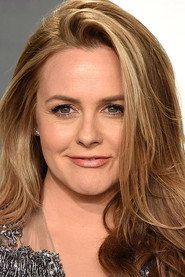 Alicia SilverstoneThe Princess
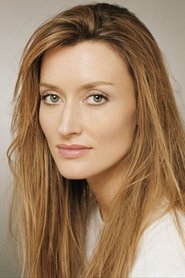 Natascha McElhoneRosaline
 Kenneth BranaghBerowne
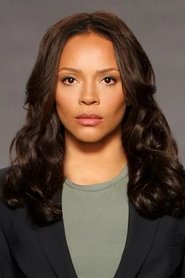 Carmen EjogoMaria
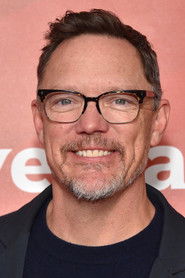 Matthew LillardLongaville
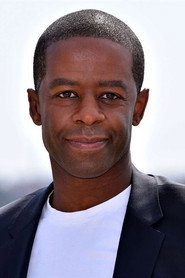 Adrian LesterDumaine
 Emily MortimerKatherine
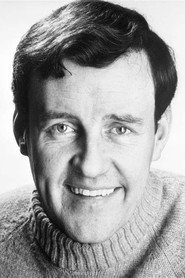 Richard BriersSir Nathaniel
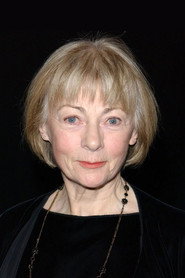 Geraldine McEwanHolofernia
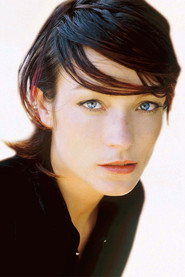 Stefania RoccaJacquanetta
 Jimmy YuillConstable Dull
Directing
- Sallie HardAdditional Second Assistant Director
- Kenneth BranaghDirector
Writing
- Kenneth BranaghScreenplay
- William ShakespeareTheatre Play
- Kenneth BranaghWriter
Production
- Nina GoldCasting
- Randi HillerCasting
- Alexis LloydExecutive Producer
- Bob WeinsteinExecutive Producer
- Guy EastExecutive Producer
- Harvey WeinsteinExecutive Producer
- Nigel SinclairExecutive Producer
- David BarronProducer
- Kenneth BranaghProducer
Recommended by
Twelfth Night, A Midsummer Night's Dream, A Midsummer Night's Dream, Twelfth Night