
Film
A Midsummer Night's Dream
Other titles called A Midsummer Night's Dream: the 1935 film, the 1996 film, the 1999 film, the 2016 film.
Peter Hall's 1968 Shakespeare adaptation uses the Royal Shakespeare Company to make Dream intimate and physical. Filmed in an English country house with natural light and close-ups, it trades theatrical grandeur for genuine embarrassment and lust. The fairies feel dangerous. Hermia and Helena become real people in real distress. It's for anyone who thought they hated Shakespeare on stage.
If you liked this
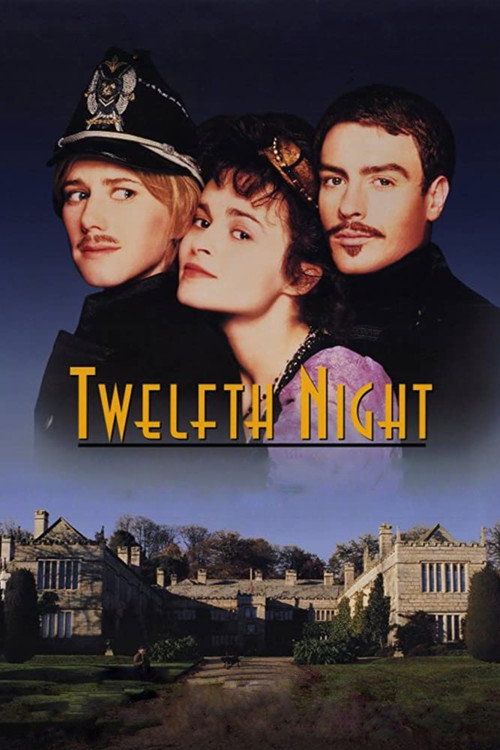
Twelfth Night1996
Trevor Nunn directs Shakespeare with the same warm, intimate eye Hall uses here. The cast (Imogen Stubbs, Ben Kingsley) are allowed to be funny and awkward rather than noble. It trusts the words to do the work.
But It's still Shakespeare, still in period dress, and the pacing drags badly in the second half. If iambic pentameter makes you itch, this won't save you.
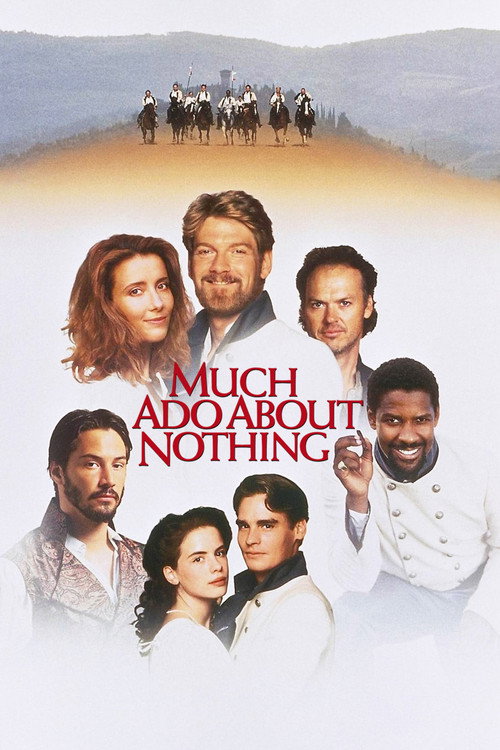
Much Ado About Nothing1993
Branagh and Thompson spar with the kind of sexual tension that makes their banter crackle. The whole thing moves like a farce, with genuine laughs, and the Sicilian setting is gorgeous without being stuffy.
But It's still got the subplot clunk of Elizabethan comedy. The second half stops being funny and gets earnest in ways that don't quite land.
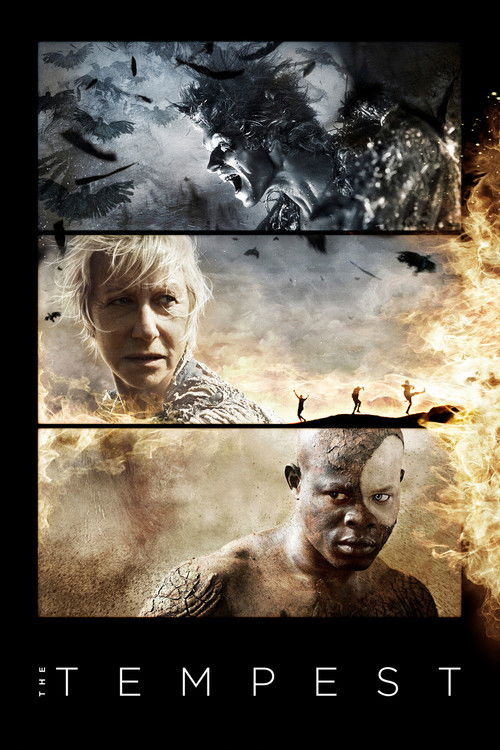
The Tempest2010
Julie Taymor directs with the visual invention she brought to The Lion King. Helen Mirren (like here) is magnificent. It treats the fairy-tale material seriously and makes magic feel real and slightly unnerving.
But At two hours forty, it tests patience. Taymor's visual style can overwhelm the quieter moments, and some of the added spectacle feels like it's fighting the text.
Not sure tonight? Get a pick in a minute, starting from A Midsummer Night's Dream
The wildcard
Something you would not have found on your own.
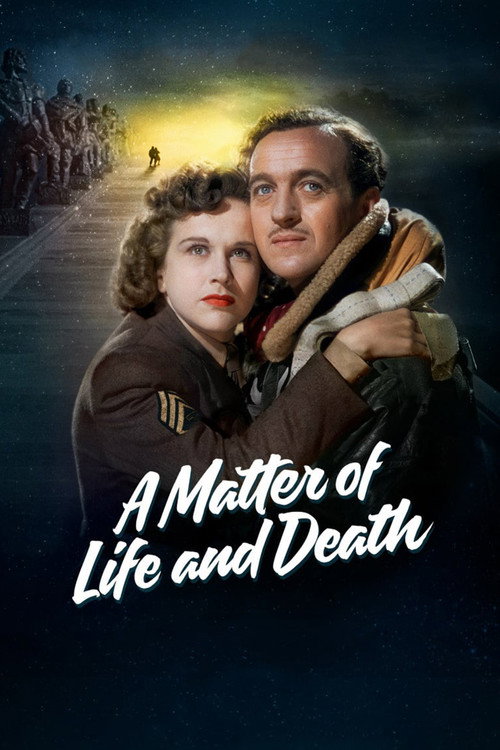
A Matter of Life and Death1946
Both films use English pastoral settings and visual beauty to make the irrational feel true. Both have characters caught between worlds with rules they don't understand. Both trust the audience to follow emotional logic over plot logic.
Powell and Pressburger's film has the same magical realism and English country-house atmosphere as Hall's Dream. Black-and-white reality meets technicolor heaven. It's about love and death and bureaucracy, with a lightness that makes the stakes higher, not lower.
But It's not a comedy, and it was made in 1946, so the pacing and some of the attitudes will feel foreign. It's visually experimental in ways that can feel dated.
More like this (7)
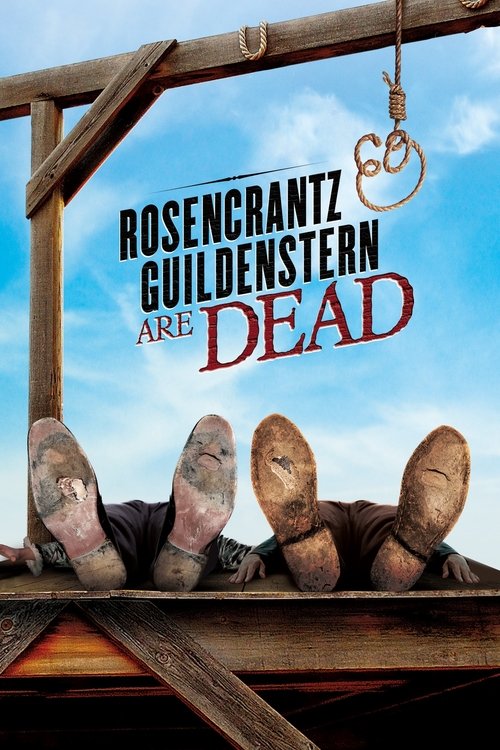
Rosencrantz & Guildenstern Are Dead1991
Tom Stoppard's script is philosophically playful and genuinely hilarious. Gary Oldman and Tim Roth are magnetic. It's about theatre, fate, and how little control we have—with jokes that land hard.
But It's a postmodern intellectual exercise. If you need clear plot momentum and emotional payoff, you'll feel it slipping away. Some people find that insufferable.
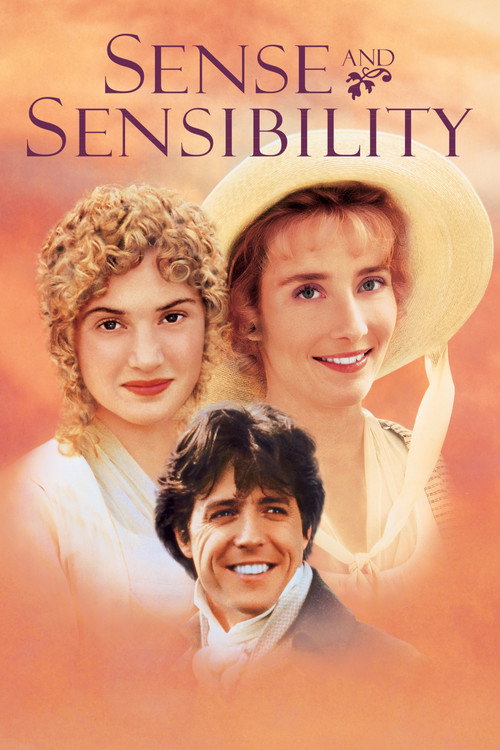
Sense and Sensibility1995
Emma Thompson's script cuts Austen without losing the wit. Ang Lee directs actors (Kate Winslet, Hugh Grant) into complex feeling. The comedy is dry and earned. It shows how old stories can breathe in new hands.
But It's a period romance, which means many viewers will never start. The pacing is deliberate. If you need explosions or modern dialogue, keep walking.
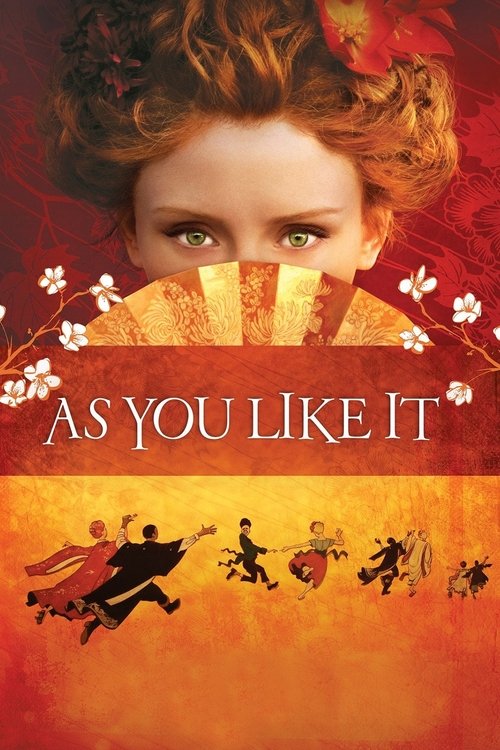
As You Like It2006
Christine Edzard films it in contemporary London with a genuinely experimental eye. The artificiality of the Forest of Arden becomes a real comment on theatre and transformation. Bryce Dallas Howard is luminous.
But It's genuinely weird and wilfully uncommercial. The modern setting alienates Shakespeare purists, and the low budget shows. Some scenes feel underbaked.
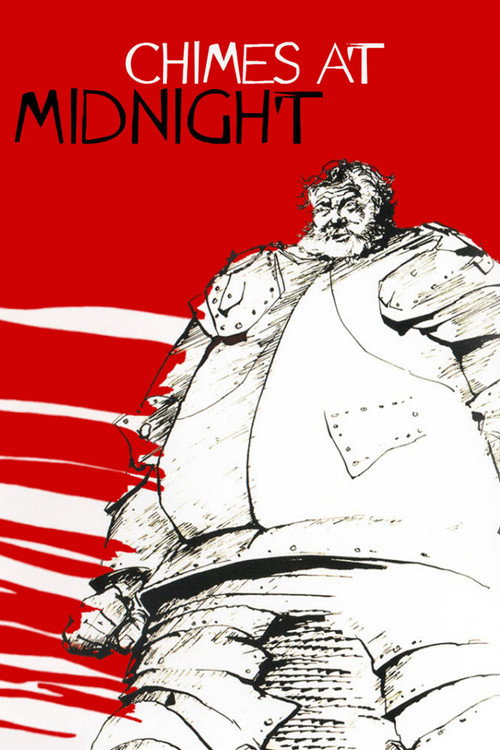
Chimes at Midnight1965
Welles directs Henry IV Parts 1 and 2 with operatic scope and genuine melancholy. Falstaff is broken and tragic. It's Shakespeare remade as personal myth, with compositions that belong in galleries.
But It's dense, difficult, and assumes you know the plays. The audio is damaged and sometimes hard to follow. It's a work of art that requires patience and some prior knowledge.
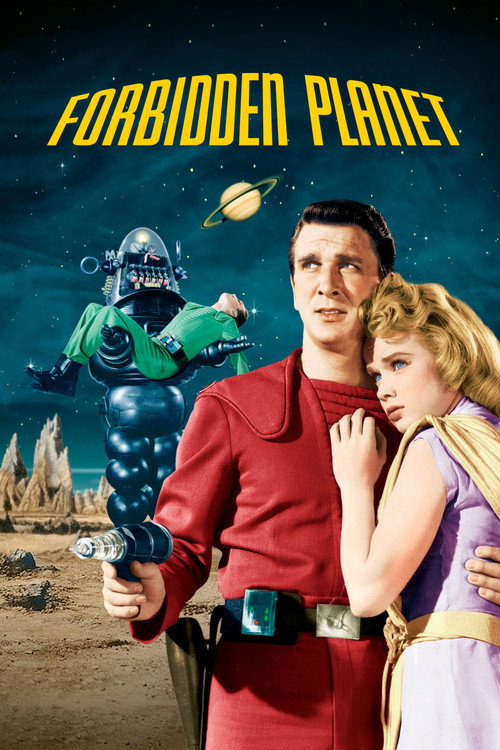
Forbidden Planet1956
Sci-fi remake of The Tempest that takes the basic structure seriously: a man on an alien world, mysterious forces, young lovers, shipwrecked sailors. It's gorgeous pulp that works as both adventure and Shakespeare riff.
But It's a 1950s space opera with dated effects and rigid gender politics. The connection to Shakespeare is skeletal. Some find the earnestness of bad old sci-fi aggravating rather than charming.
Stalker1979
Both films believe that getting lost in a strange space—fairy-haunted or metaphysical—is how characters discover what they really want. Both use landscape and atmosphere instead of exposition. Both move at the pace of dream-logic, not story.
Tarkovsky's sci-fi meditation moves with the dreamy, inevitable logic of Midsummer Night's Dream. Characters wander through a mysterious zone seeking something they can't name. The camera watches them with the patience and tenderness Hall brings to his lovers in the forest.
But It's 163 minutes of slow, philosophical cinema. There is almost no plot. If you need narrative momentum or dialogue that explains things, you will hate it.

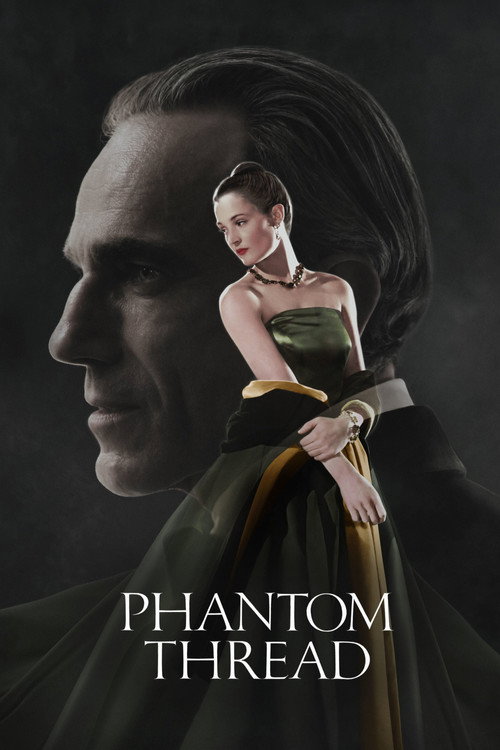
Phantom Thread2017
Both films are about characters under a spell, unable to think or act rationally, driven by forces outside their control—magic in Dream, psychology and desire in Phantom Thread. Both use sumptuous visual style to make entrapment feel beautiful. Both end with characters changed, not rescued.
Paul Thomas Anderson directs Daniel Day-Lewis in a film about possession and obsession that has the dark undertow of Dream's magical enchantment. Two people caught in a dance neither fully controls, unable to leave. It's gorgeous and deeply unsettling.
But It's slow, claustrophobic, and genuinely disturbing. The relationship dynamics will make many uncomfortable. It's a chamber piece that asks you to sit with psychic mess.
People
Cast
 Derek GodfreyTheseus
 Barbara JeffordHippolyta
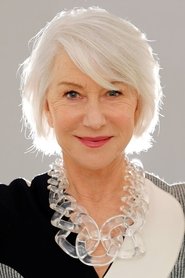 Helen MirrenHermia
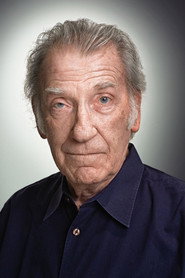 David WarnerLysander
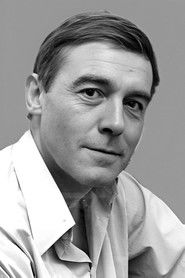 Michael JaystonDemetrius
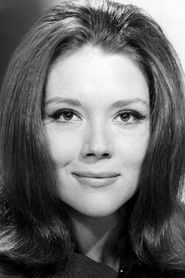 Diana RiggHelena
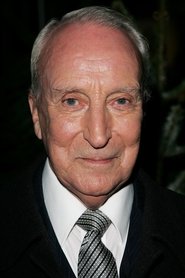 Ian RichardsonOberon
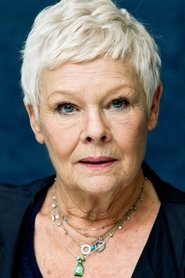 Judi DenchTitania
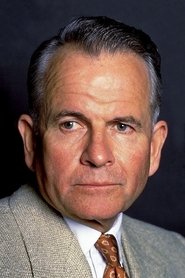 Ian HolmPuck
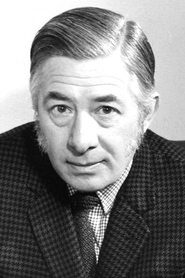 Paul RogersBottom
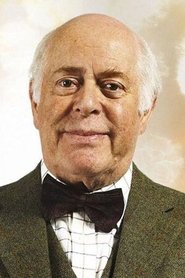 Clive SwiftSnug
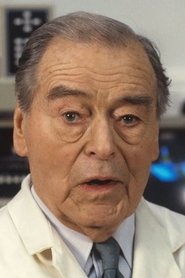 Sebastian ShawQuince
Directing
- Peter HallDirector
Writing
- William ShakespeareTheatre Play
Production
- Martin RansohoffExecutive Producer
- Michael BirkettProducer