
Film
Prospero's Books
Peter Greenaway's maximalist adaptation of The Tempest transforms Shakespeare into a visual feast of flooding imagery, layered projections, and baroque excess. Gielgud's Prospero commands a stage buried in books and water. It's a film that demands patience for ideas over plot, rewarding those willing to surrender to its drowning, dreamlike logic. For viewers hungry for Shakespeare unmoored from tradition.
Should you watch it?
Watch it if you relish films where the images argue as hard as the words, and where a painted frame counts for more than plot momentum.
Skip it if the whole thing is slow to settle, and the constant visual busyness can wear down anyone wanting a clear story or a rest from the screen.
What it asks of you: Expect a long, stylised sitting: Shakespeare's verse is spoken nearly whole while text, paint and layered images crowd the frame, so patience matters more than following plot.
Not sure? Find tonight's pick in a minute.
If you liked this
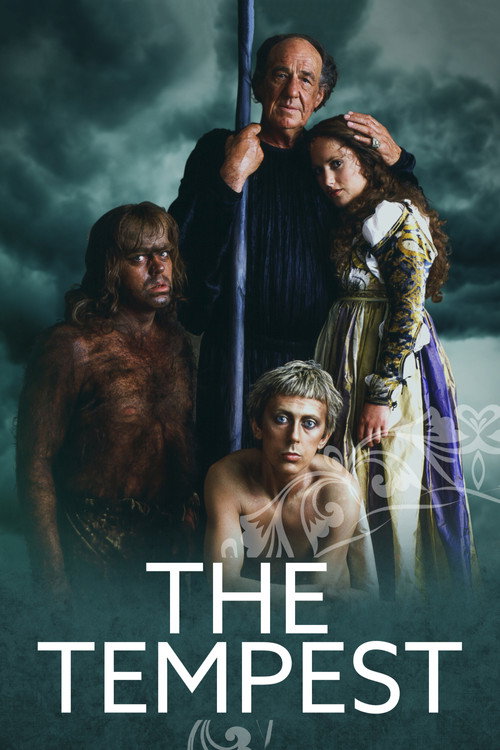
The Tempest1980
Franco Zeffirelli's version keeps the language and magical stakes intact while remaining visually alive and emotionally clear. Cher and Raul Julia anchor it with star power. A perfect entry point to see what Greenaway was wrestling with.
But It's a perfectly competent adaptation, which means it offers none of Greenaway's visual risk or formal invention. If you loved Prospero's Books' strangeness, this will feel conventional.
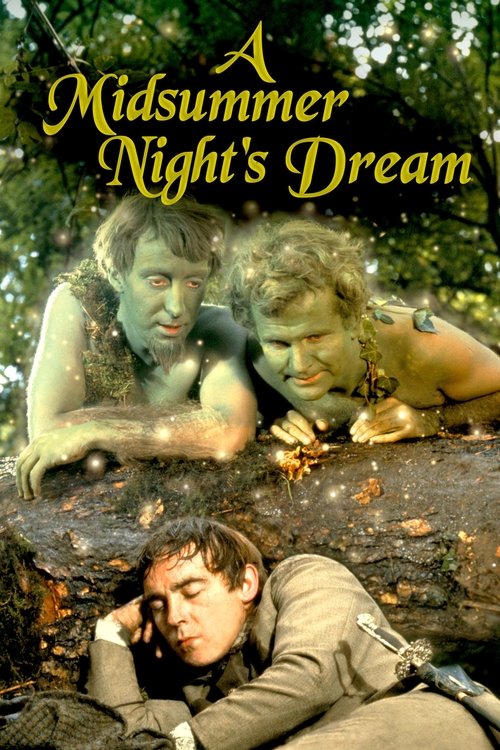
A Midsummer Night's Dream1968
Peter Hall's film captures Shakespeare's magic with practical effects and genuine enchantment. The fairy world feels tactile and sensual rather than theatrical. Excellent cast and surprisingly erotic in places.
But Shot in soft focus that looks dated now. The pacing is leisurely, almost somnolent in the second half. If you want visual fireworks, you won't find them here.
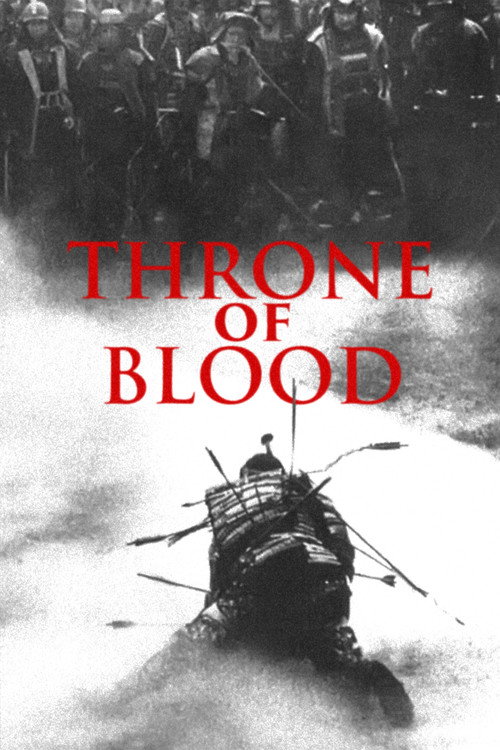
Throne of Blood1957
Akira Kurosawa transplants Macbeth to feudal Japan with such conviction that the play becomes entirely new. Extraordinary compositional control and a genuinely tragic scope. One of the great Shakespeare adaptations.
But It's subtitled and shot in black and white. The second half pivots violently toward spectacle and violence that can feel overwhelming. Some find the gender politics dated.
Not sure tonight? Get a pick in a minute, starting from Prospero's Books
The wildcard
Something you would not have found on your own.
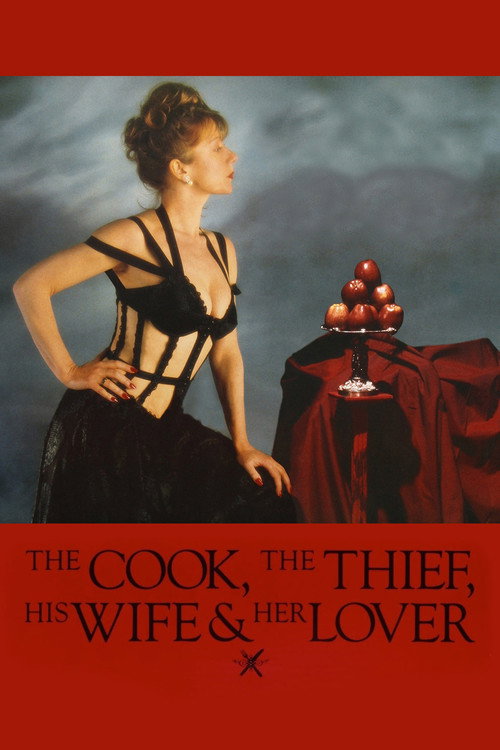
The Cook, the Thief, His Wife & Her Lover1989
Same director weaponizing the same visual language; both are immersive baroque assaults on narrative convention.
Peter Greenaway's prior masterpiece uses baroque theatrical excess, flooded color, and literary allusion exactly as Prospero's Books does, but in a brutal modern setting about consumption and ownership. Same director, radically different register—proof that Greenaway's method works everywhere.
But It's aggressively violent, sexually explicit, and designed to provoke disgust. The density of allusion requires active work. Many find it pretentious or unwatchable rather than illuminating.
More like this (5)
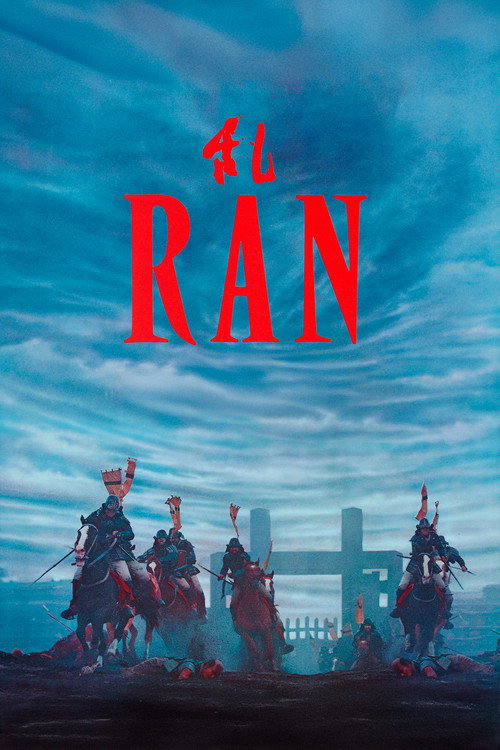
Ran1985
Kurosawa's King Lear remake achieves operatic tragedy through color, scale, and absolute visual mastery. The battle sequences are unlike anything else. A masterpiece about power, age, and dissolution.
But Nearly three and a half hours. The emotional exhaustion is deliberate and unrelenting. The staging can feel distant—you watch rather than connect intimately.
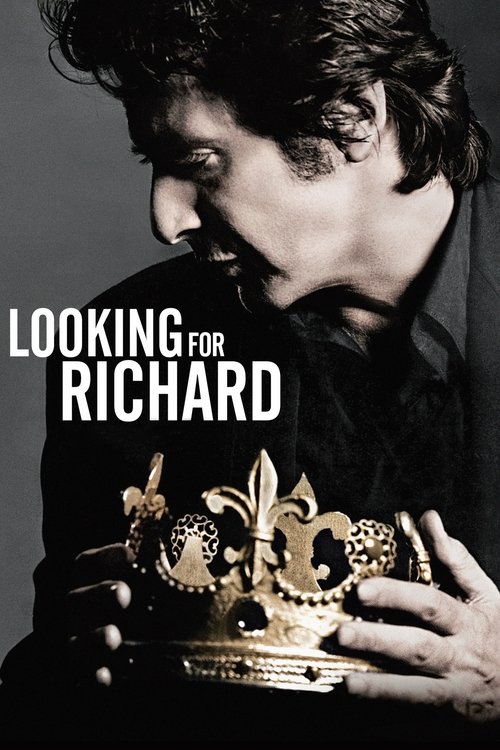
Looking for Richard1996
Al Pacino's documentary about staging Richard III mixes performance with behind-the-scenes work and street interviews. It's energetic, funny, and genuinely curious about why Shakespeare still matters.
But It's promotional and sometimes saccharine. The hybrid approach can feel unfocused. Pacino's enthusiasm, however genuine, doesn't always hide the vanity project underneath.
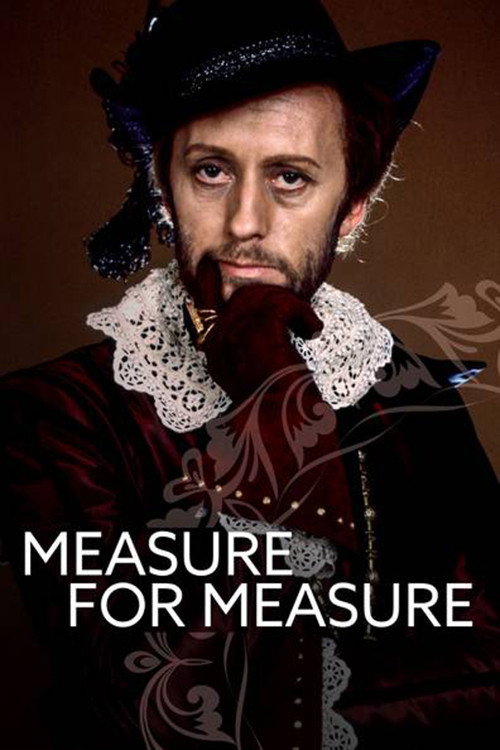
Measure for Measure1979
BBC Television Shakespeare directed by Desmond Davis. Stern, sexual, morally uncompromising. The interrogation of power and desire is acute and uncomfortable in ways most Shakespeare isn't.
But It's deliberately bleak and offers no comfort. The BBC production values are functional rather than beautiful. The sexual politics, though serious, can feel coldly intellectual.
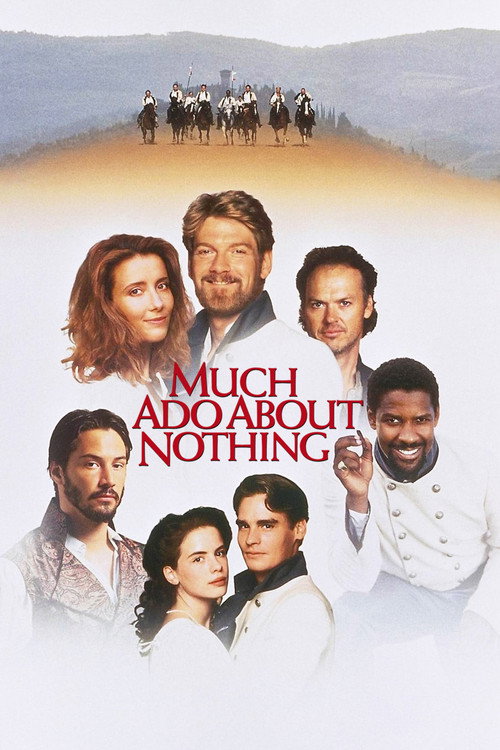
Much Ado About Nothing1993
Kenneth Branagh's sunlit Tuscan romance is joyful and alive. Branagh and Emma Thompson have genuine chemistry. It's funny without forgetting that Shakespeare wrote great wit.
But It's aggressively charming and can feel slight. Branagh's self-direction means he gets a generous edit. The production design overwhelms the text sometimes.
Synecdoche, New York2008
Both trap characters in layered theatrical realities created by aging artists confronting death; both use formal complexity to mirror the architecture of obsession.
Charlie Kaufman's film about a director creating a play within reality mirrors Prospero's recursive construction of worlds through art. A collapsing reality made of layers, scripts, and performer bodies. Like Prospero, it's dazzling and finally about mortality.
But Deliberately confusing and emotionally devastating. The ambition can read as overreaching. Long stretches feel plotless if you're waiting for clarity that never comes.

People
Cast
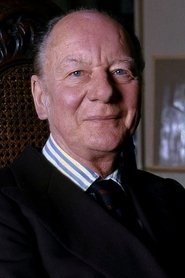 John GielgudProspero
- Michael ClarkCaliban
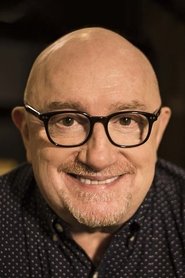 Michel BlancAlonso
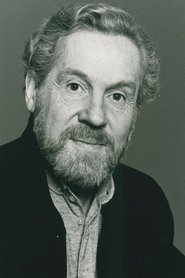 Erland JosephsonGonzalo
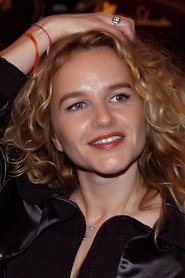 Isabelle PascoMiranda
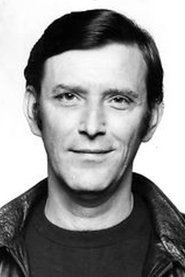 Tom BellAntonio
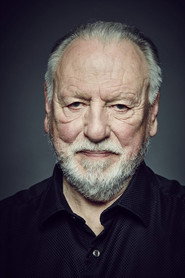 Kenneth CranhamSebastian
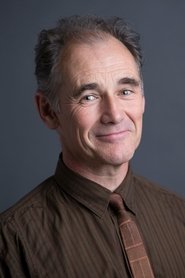 Mark RylanceFerdinand
- Marie AngelIris
 Ute LemperCeres
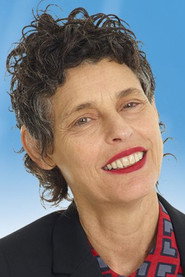 Deborah ConwayJuno
- Paul RussellAriel
Directing
- Peter GreenawayDirector
Writing
- Peter GreenawayScreenplay
- William ShakespeareTheatre Play
Production
- Kees KasanderProducer
Recommended by
The Tempest, King Lear, The Tempest, A Midsummer Night's Dream