
Film
The Tempest
Other titles called The Tempest: the 2010 film.
Michael Hordern's Prospero is a profound, measured reading of Shakespeare's final play—dignified and deeply felt, letting the language breathe. This 1980 BBC production trusts the text completely. It's unhurried, visually spare, and gives you time to feel what's being said. For anyone who loves Shakespeare performed as written, not as spectacle.
If you liked this
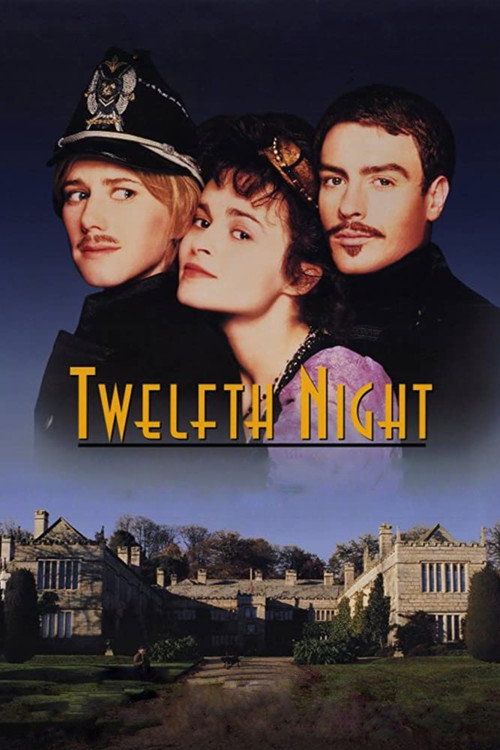
Twelfth Night1996
Trevor Nunn's adaptation is similarly romantic and intelligent, with a cast that genuinely seems to be enjoying the wit. Captures Shakespeare's joy without cutting anything that matters.
But It's in colour and looks like the 1990s, which some find distracting. The tone is lighter than The Tempest, which might feel like a tonal shift.
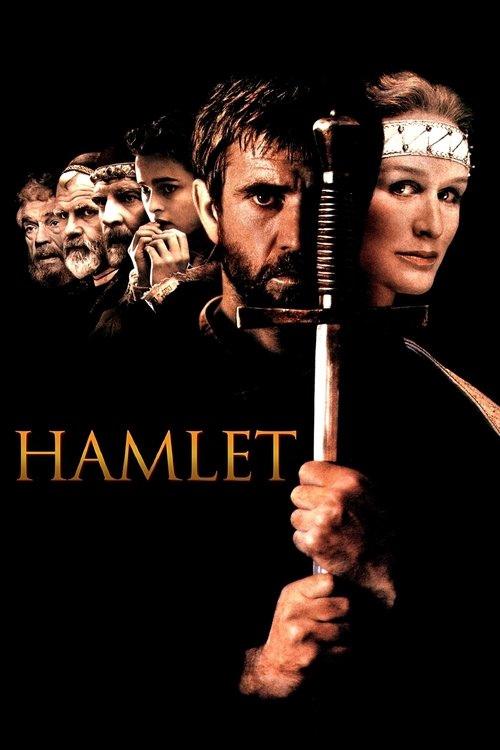
Hamlet1990
Franco Zeffirelli's version with Mel Gibson offers grand scope and emotional depth, with a Prince who feels genuinely haunted. Shows how a great actor can anchor a Shakespeare film.
But It's heavily cut and heavily scored. Some Shakespeare purists find the music intrusive and the pacing too theatrical rather than intimate.
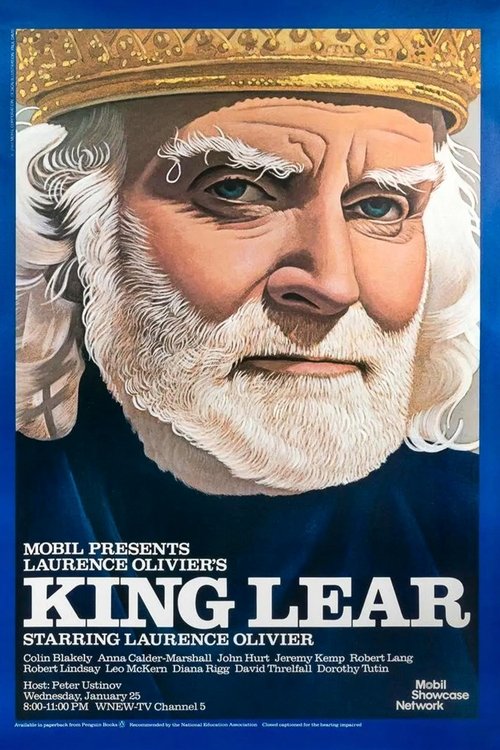
King Lear1983
Laurence Olivier's final Shakespearean role, in a BBC production that matches the gravity of Hordern's Prospero. Raw, honest, and featuring one of the greatest actors at the height of his power.
But It's extremely bleak and emotionally draining. The production design is minimal even by BBC standards, which takes adjustment.
Not sure tonight? Get a pick in a minute, starting from The Tempest
The wildcard
Something you would not have found on your own.
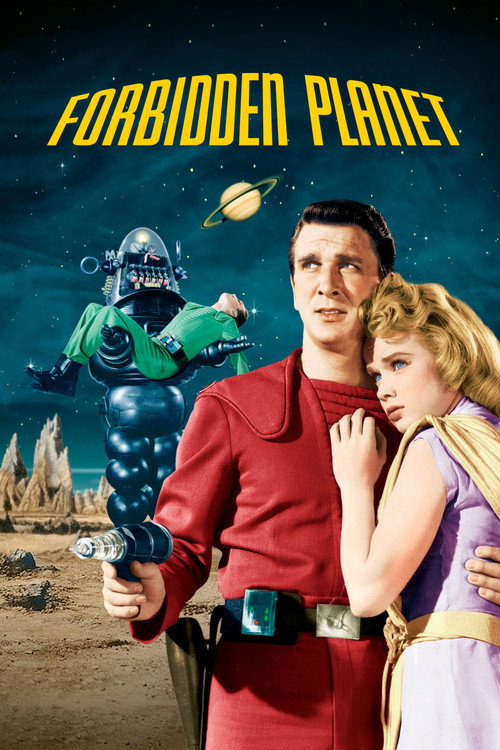
Forbidden Planet1956
Same structure of exile, magical power (science), revenge, and reconciliation—but asks what happens when the magic is real technology and the monster is inside.
Direct sci-fi rethinking of The Tempest: Prospero becomes a space commander, Caliban becomes an id-monster, the island becomes a distant planet. MGM in Technicolor with genuine ideas about power and creation. Thrilling and surprisingly thoughtful.
But It's 1950s sci-fi, so the romance and some dialogue feel quaint now. The special effects, while groundbreaking, have dated. You need to meet it in its era.
More like this (7)
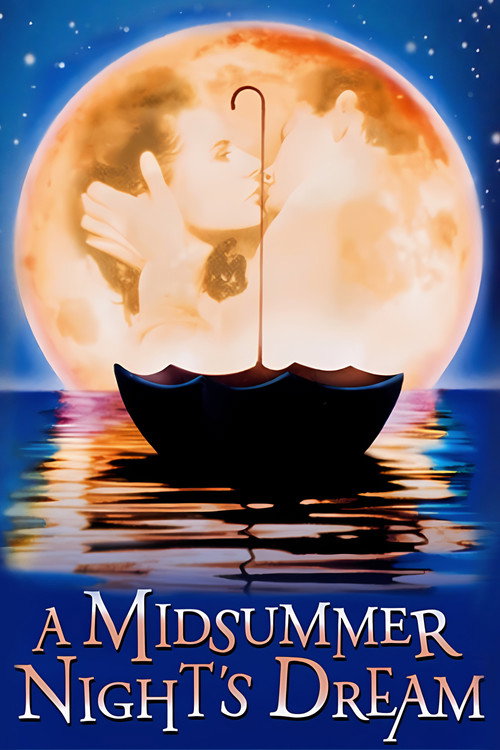
A Midsummer Night's Dream1996
Adrian Noble's production is visually inventive without overshadowing the text. Funny and magical, a perfect counterpoint if you want Shakespeare with colour and whimsy.
But Some staging choices are very 90s, and the Dream requires you to embrace magical realism rather than naturalism.
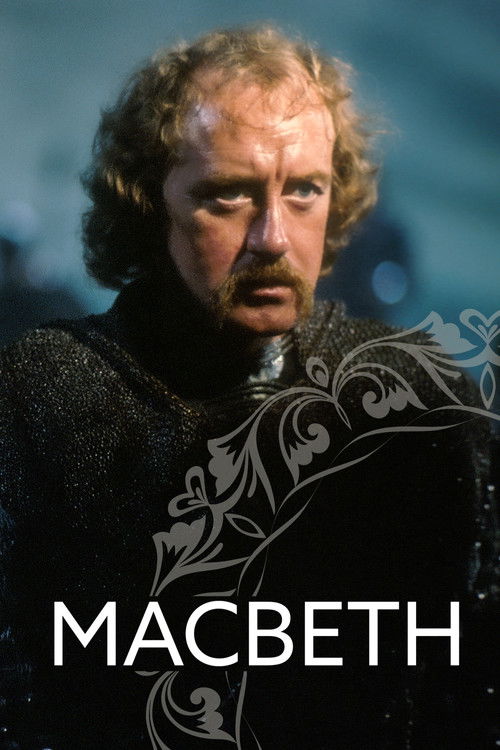
Macbeth1983
Jeremy Brett in the BBC series is psychologically acute and terrifying. Concentrated, dark, and performed with absolute conviction. Short and powerful.
But It's relentlessly violent and pessimistic with no redemption on offer. The blood-soaked staging can feel gratuitous.
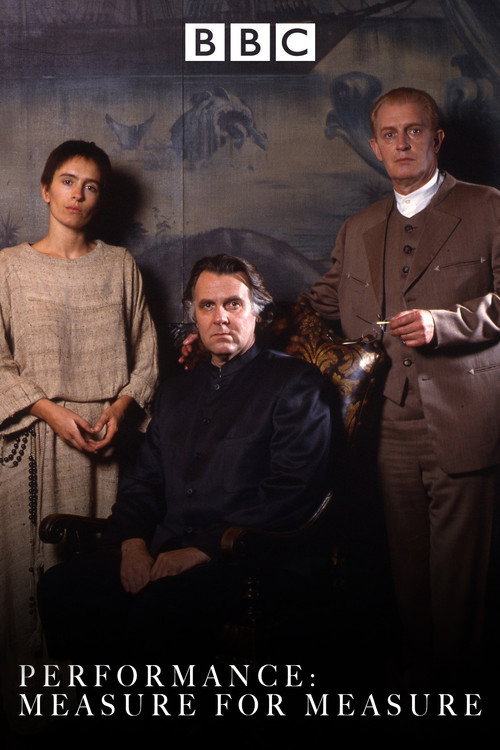
Measure for Measure1994
Another 'problem play' exploring power and morality. The BBC adaptation treats the text with seriousness and finds genuine moral complexity rather than cosy answers.
But The sexual threat at the play's heart makes it uncomfortable to watch. Some find the ending morally unsatisfying by design.
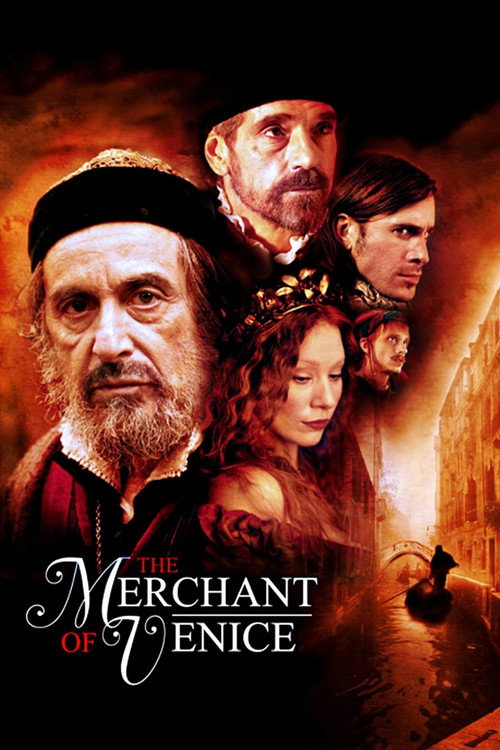
The Merchant of Venice2004
Trevor Nunn again, with Henry Goodman giving a Shylock of enormous dignity. Technically brilliant and visually assured, showing the play's depth without losing the lighter scenes.
But The historical antisemitism woven into the text is unavoidable here, which makes for difficult viewing however well-handled.
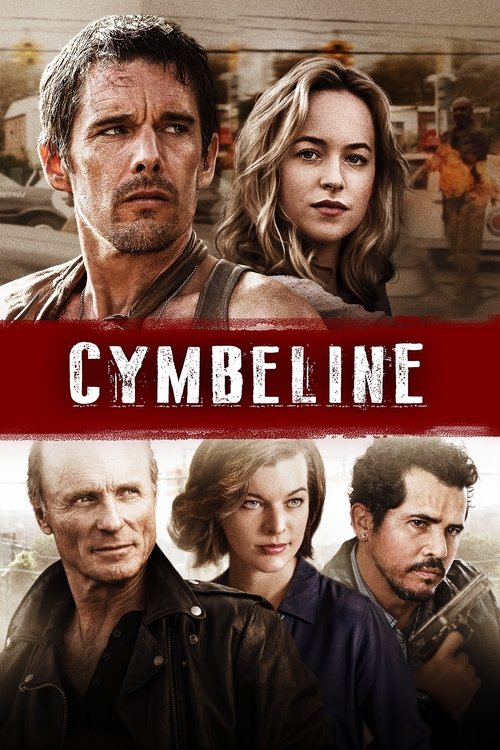
Cymbeline2014
Ragged and strange, this BBC version embraces the play's baroque plot complications. For patient viewers, it offers rewarding weirdness and a cast that commits fully.
But The plot is genuinely confusing and requires real attention. Long, slow, and some scenes feel genuinely awkward even well-performed.
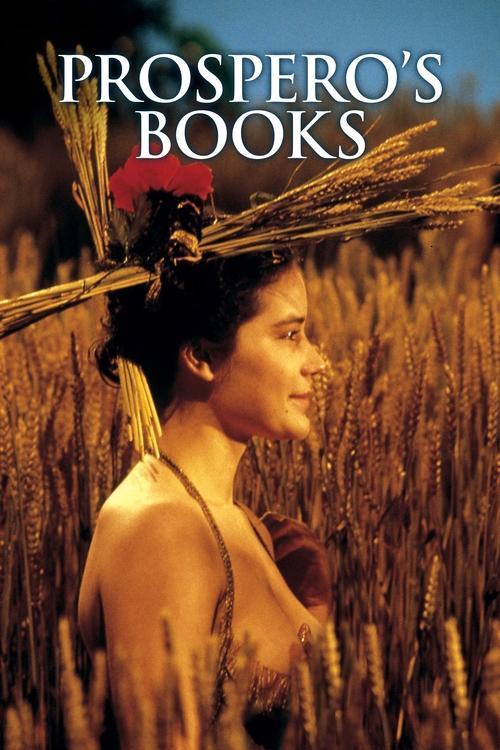
Prospero's Books1991
Uses the same text as your film but treats it as visual poetry rather than drama—where Hordern's production empties the stage, Greenaway fills every inch. Opposite poles of how to film Shakespeare.
Peter Greenaway's baroque, image-drunk reinterpretation using multiple screens, Renaissance paintings, and pure visual excess. Hordern returns as Prospero. Challenging and completely unlike any other Shakespeare adaptation.
But Greenaway's style is aggressive and exhausting. The story is almost buried under visual information. Some find it pretentious; others find it an ordeal.
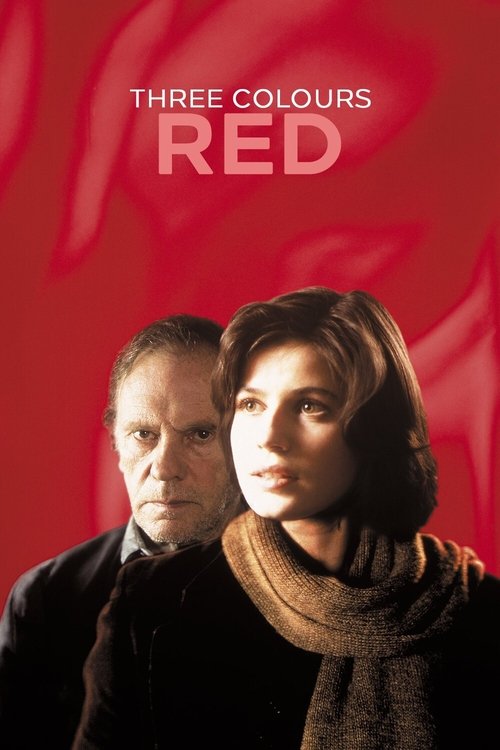
Three Colors: Red1994
Both explore how forgiveness and acceptance can transform loss into grace; both are about an older consciousness watching younger people and learning something about letting go.
Kieslowski's final film about fate, connection, and the invisible threads binding strangers. Humanist, mysterious, and shot through with magic that feels earned. A meditation on providence and forgiveness that matches The Tempest's emotional register without being about it.
But Extremely slow and philosophical. The plot is thin—it's about atmosphere and feeling. Requires patience and faith in the filmmaker.
People
Cast
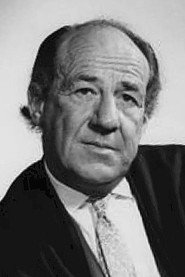 Michael HordernProspero
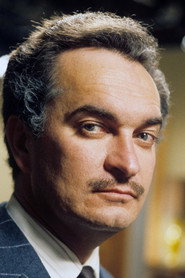 Derek GodfreyAntonio
- David WallerAlonso
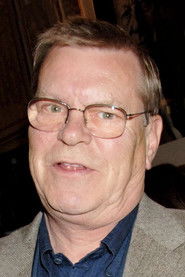 Warren ClarkeCaliban
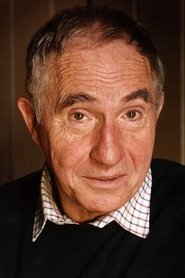 Nigel HawthorneStephano
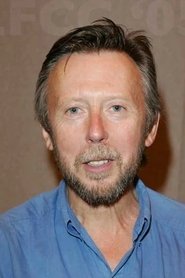 David DixonAriel
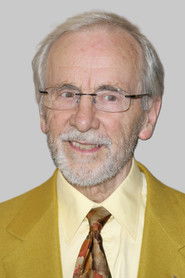 Andrew SachsTrinculo
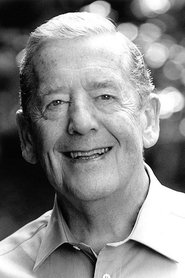 John NettletonGonzalo
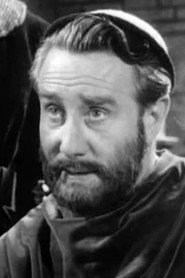 Alan RoweSebastian
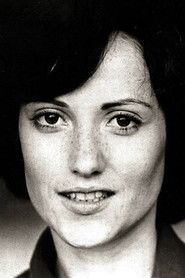 Pippa GuardMiranda
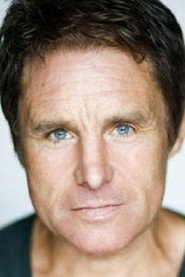 Christopher GuardFerdinand
- Kenneth GilbertBoatswain
Recommended by
Prospero's Books, The Merchant of Venice, King Lear, The Tragedy of King Lear, The Winter's Tale