
Film
Macbeth
Other titles called Macbeth: the 1948 film, the 1971 film, the 1987 film, the 2006 film, the 2015 film.
Nicol Williamson's 1983 Macbeth is a pared-down, brutally intimate stage adaptation that strips Shakespeare to sinew and ambition. Shot like a fever dream in confined spaces, it's all whispered paranoia and sudden violence. This is for viewers who want Shakespeare raw rather than gilded—urgent, dark, occasionally rough around the edges.
Should you watch it?
Watch it if you want Shakespeare's verse delivered raw and up close, prizing Nicol Williamson's fierce, sweaty intensity over lavish staging or easy prettiness.
Skip it if you need Shakespeare's language to be easy company, since the speeches are dense, the pacing is deliberate, and at nearly two and a half hours it asks patience.
What it asks of you: Roughly two and a half hours of sustained, grave attention, with long unbroken verse scenes and little relief; it rewards staying put rather than skimming.
Not sure? Find tonight's pick in a minute.
If you liked this
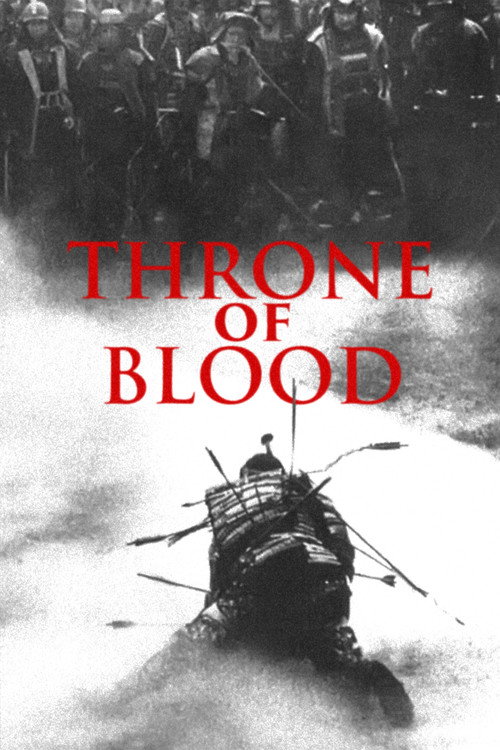
Throne of Blood1957
Kurosawa's Japanese reimagining of Macbeth is visually breathtaking and proves the story's themes—ambition, fate, bloodlust—transcend culture. The final act is almost unbearably tense.
But It's in Japanese with subtitles, and the pacing is glacial by modern standards. If you want a direct adaptation, this isn't it.
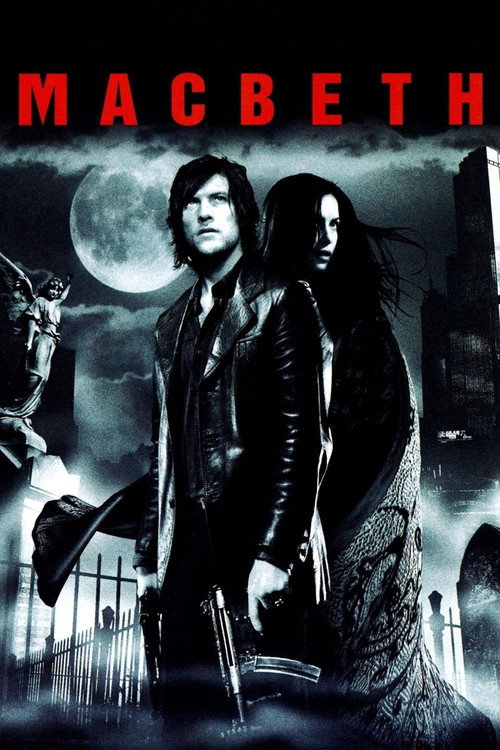
Macbeth2006
Geoffrey Wright's contemporary Adelaide setting makes the politics visceral—corruption in present-day crime syndicates rather than medieval Scotland. Sam Worthington as a ruthless protagonist you almost sympathize with.
But Radical modernization feels gimmicky to some. The language-in-a-modern-setting disconnect can jar if you're not prepared for it.
Hamletmachine
Not Shakespeare, but Heiner Müller's fierce deconstruction of theatrical power and ambition captures similar territory: men unmade by violence and desire. Intellectually electric and formally inventive.
But It's an avant-garde text performed as experimental theatre-film. Dialogue is fragmented and deliberately obscure. Requires active engagement.
Not sure tonight? Get a pick in a minute, starting from Macbeth
The wildcard
Something you would not have found on your own.
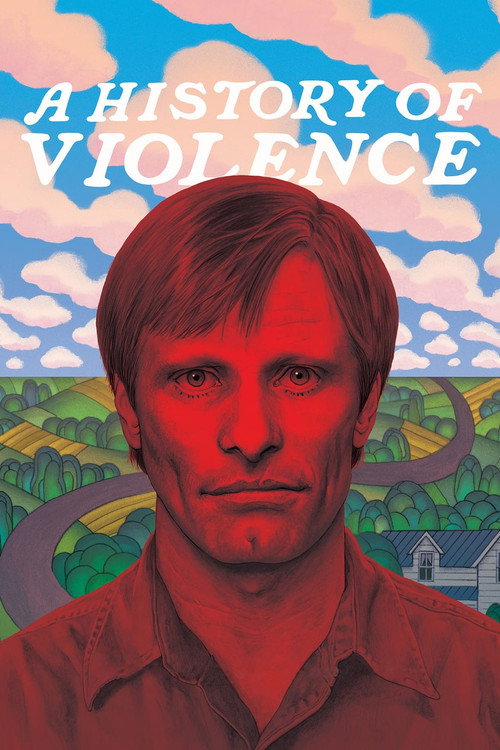
A History of Violence2005
Both explore how violence doesn't resolve ambition or fear—it deepens both. The committed act opens a door you cannot close. Viggo Mortensen plays a man becoming Macbeth in real time.
Cronenberg's study of a man whose violent past erupts into his present life carries Macbeth's structure: a man who commits one act of blood and discovers he cannot stop. Slow-burn tension, gorgeous formal control.
But The violence is graphic and troubling in ways that feel morally serious rather than thrilling. It's more philosophical than cathartic, which some find unsatisfying.
More like this (5)
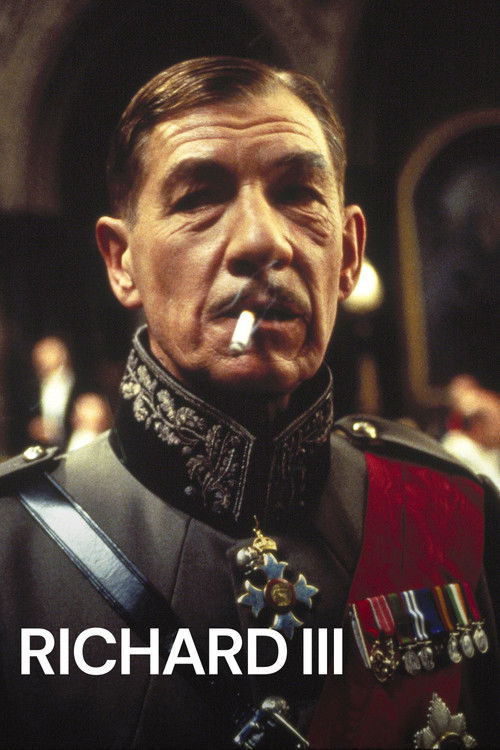
Richard III1995
Richard Loncraine's fascist interpretation mirrors the 1983 Macbeth's interest in power as pathology. Swinton's Lady is magnetic, Rickman's Richard unforgettably serpentine. Visual style is intoxicating.
But It's very '90s in its aesthetic choices. The deliberate anachronism feels dated to modern eyes in ways that are neither camp nor serious.
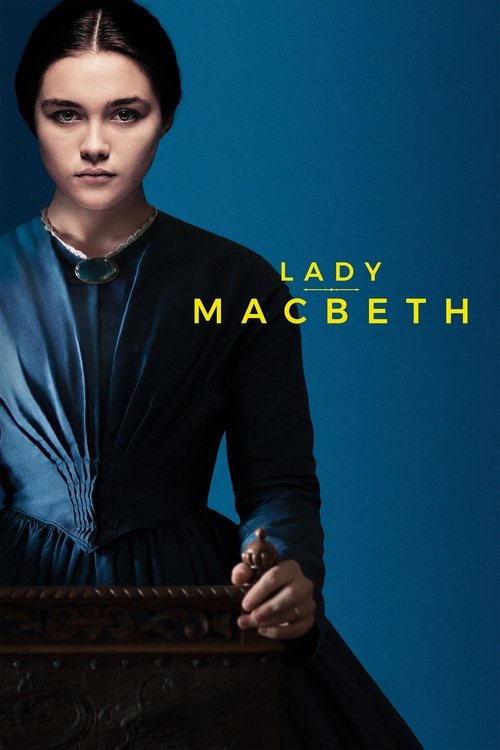
Lady Macbeth2016
Paweł Pawlikowski's transposition to 19th-century Russia recenters the female protagonist's ruthlessness and sexuality. Gorgeously shot, morally complicated, Alicia Vikander is magnificent.
But It's more interested in female desire than Shakespearean plot. If you want fidelity to the original, this abandons it entirely.
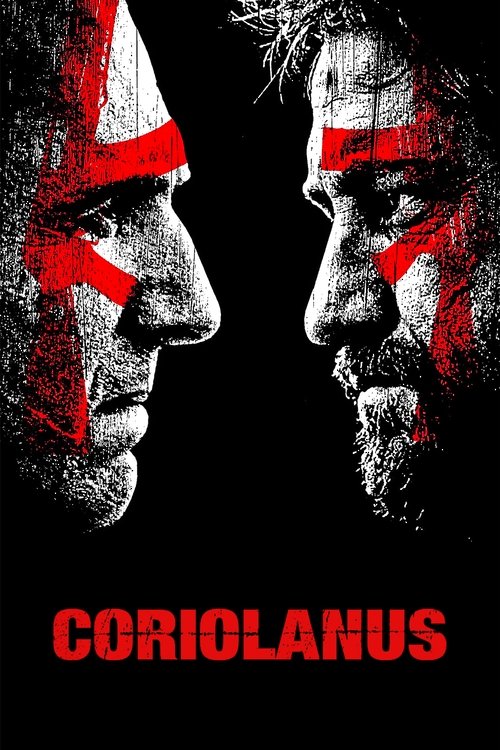
Coriolanus2011
Ralph Fiennes' Shakespeare adaptation shares the 1983 Macbeth's interest in ambition as sickness and pride as fatal flaw. The political violence feels contemporary and earned. Fiennes is riveting.
But It's less well-known than Macbeth, so the stakes may feel less resonant. The ending is grimmer and less cathartic than you might want.
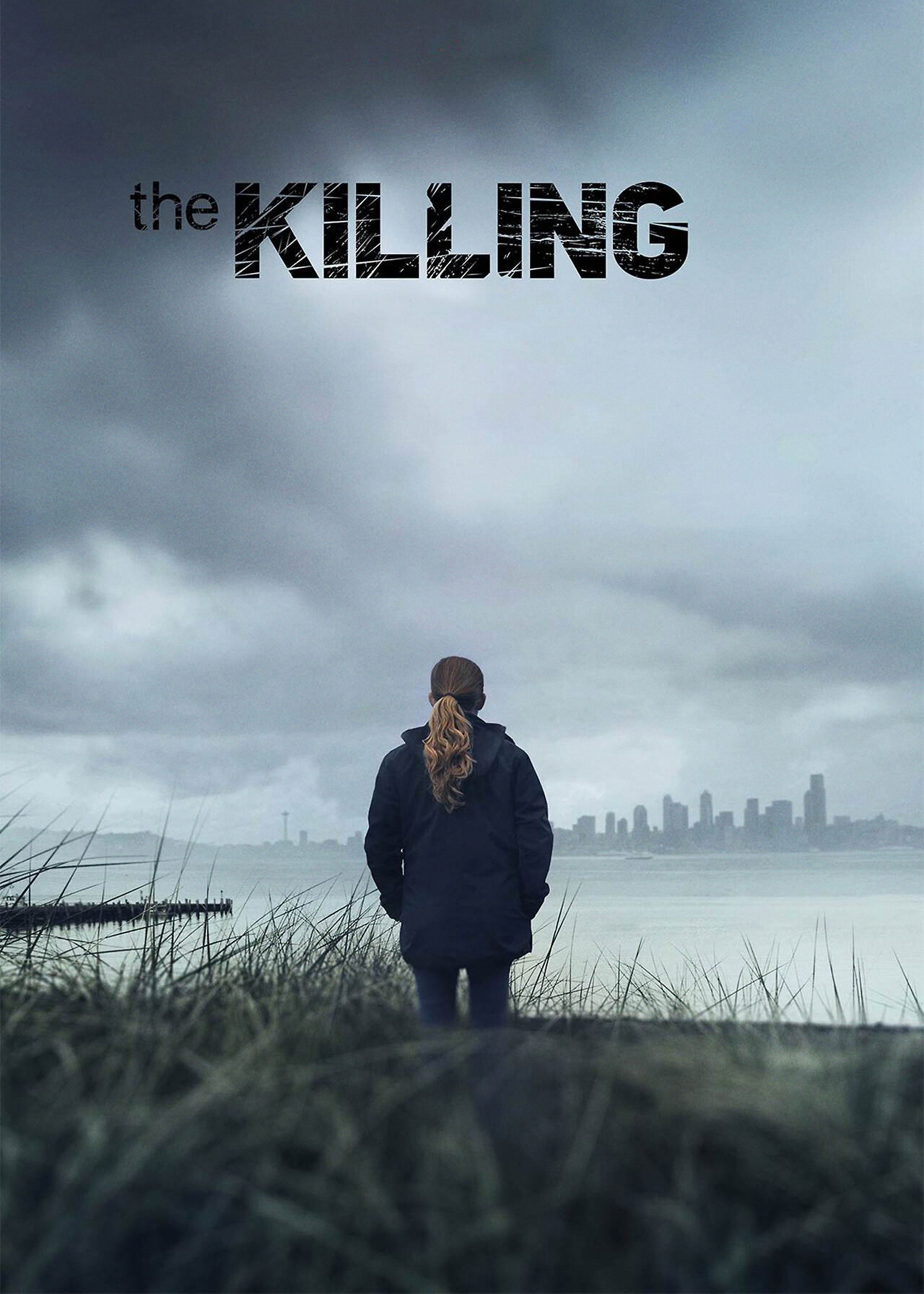
The Killing2011
Danish noir that shares Macbeth's interest in guilt, secrecy, and the corrosion of the soul. Sarah Lund is a protagonist unmade by obsession. Methodical, hypnotic, genuinely disturbing.
But It's 20 hours across three seasons. The pacing is deliberately slow and the worldview is bleak. Requires sustained investment.
The Wailing2016
Both use the supernatural as metaphor for moral corruption spreading through a community. The witches and the mysterious stranger function identically—as catalysts that reveal what was already present. Both films trust the audience to sit with ambiguity.
Na Hong-jin's Korean horror-mystery treats supernatural evil the way Macbeth treats the witches—as ambiguous, possibly external, possibly internal. A fever dream of guilt, faith, and paranoia that mirrors Macbeth's spiral perfectly.
But It's two-and-a-half hours of mounting dread with no clear resolution. The ending provides no comfort. It's purposefully mystifying rather than clarifying.

People
Cast
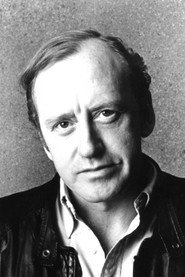 Nicol WilliamsonMacbeth
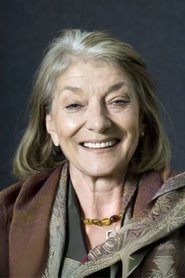 Jane LapotaireLady Macbeth
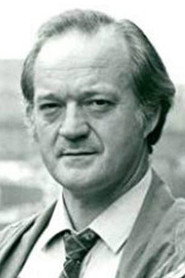 Ian HoggBanquo
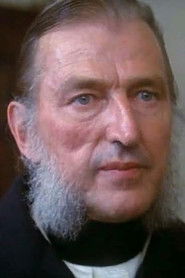 Mark DignamDuncan
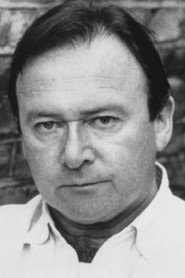 Tony DoyleMacduff
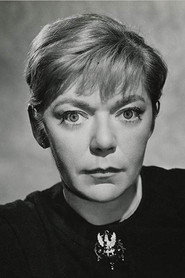 Brenda BruceFirst Witch
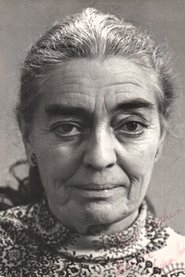 Eileen WaySecond Witch
 Anne DysonThird Witch
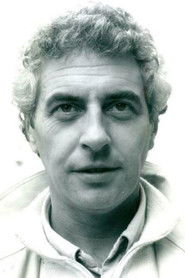 James HazeldineMalcolm
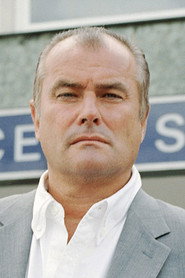 Christopher EllisonCaptain
- John RoweLennox
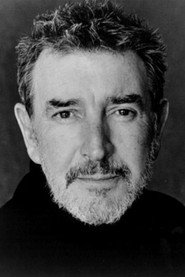 Gawn GraingerRoss
Directing
- Jack GoldDirector
Writing
- William ShakespeareTheatre Play
Production
- Shaun SuttonProducer
- Peter StenningProduction Manager