
Film
Macbeth
Other titles called Macbeth: the 1971 film, the 1983 film, the 1987 film, the 2006 film, the 2015 film.
Welles' Macbeth is Shakespeare stripped to its savage core: a fever dream of ambition and paranoia shot in expressionist shadows and cramped spaces. It's austere, propulsive, sometimes rough around the edges. Made on a shoestring during Hollywood's golden age, it feels less like a prestige adaptation and more like a man possessed by a story. For anyone curious about how Shakespeare can look on film.
Should you watch it?
Watch it if you love Shakespeare's language pushed through bold, theatrical staging, where shadowy sets, heavy fog and an actor's raw physical presence matter more than polished naturalism.
Skip it if the verse is dense and the 1940s studio look is stagey and rough, so if you want slick modern pacing or crisp dialogue you will find it hard going.
What it asks of you: Runs under two hours at a deliberate, brooding pace, where long silences and close faces carry as much weight as the rhetoric.
Not sure? Find tonight's pick in a minute.
If you liked this
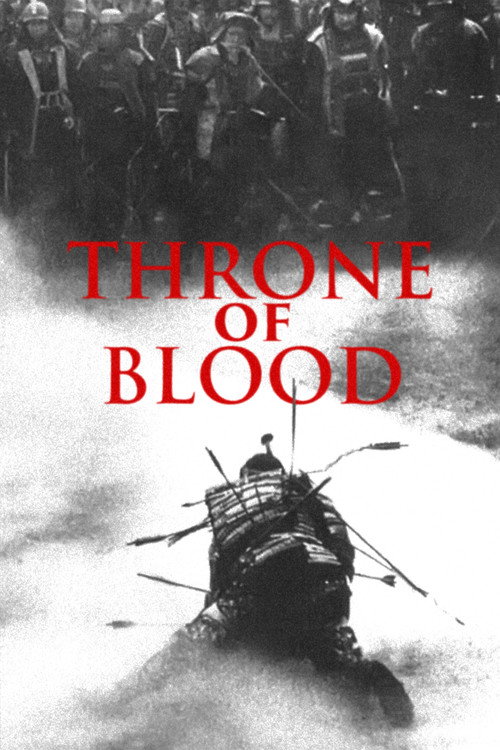
Throne of Blood1957
Kurosawa's brilliant transposition of the same play into feudal Japan, stripped of language to pure cinema. The witches become spirits in the mist, the castle becomes a fortress of wood and blood. Visually intoxicating.
But It's a radical reimagining, so if you want Shakespeare's language and structure, this abandons both. Some find it glacial.
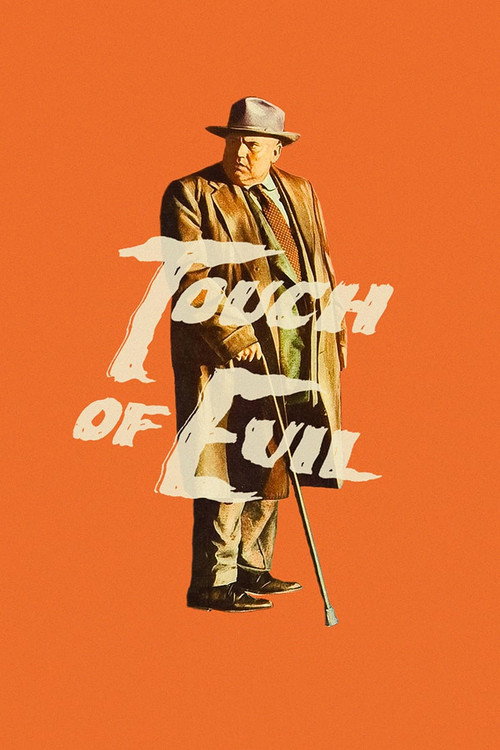
Touch of Evil1958
Welles' other masterpiece: corrupt, shadowy, morally rotten. Shows what he could do with full control and a larger canvas. That same hunger to corrupt and destroy, but in film noir.
But It's a noir, so if you came for Shakespeare, you won't find it. Much longer and more baroque than Macbeth.
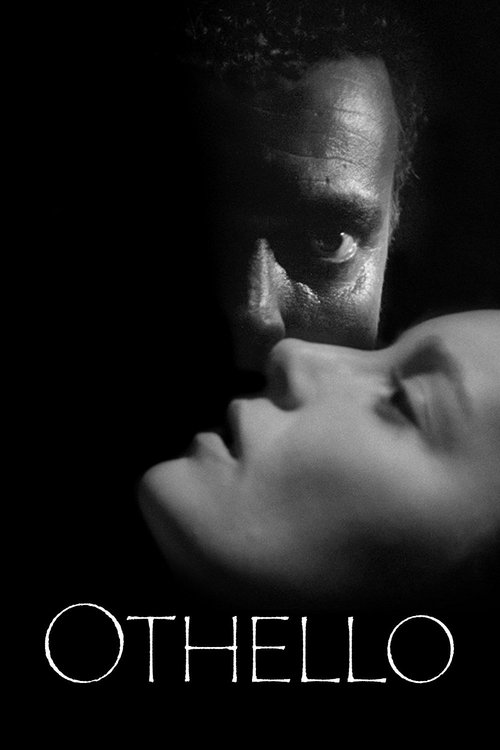
Othello1951
Another Shakespeare from Welles, equally ambitious and visually daring. The jealousy and manipulation feel as immediate as Macbeth's ambition. You see him cracking the same language problem differently.
But Even rougher around the edges than Macbeth. The editing is choppy, the sound sometimes feels jury-rigged. Requires real forgiveness.
Not sure tonight? Get a pick in a minute, starting from Macbeth
The wildcard
Something you would not have found on your own.
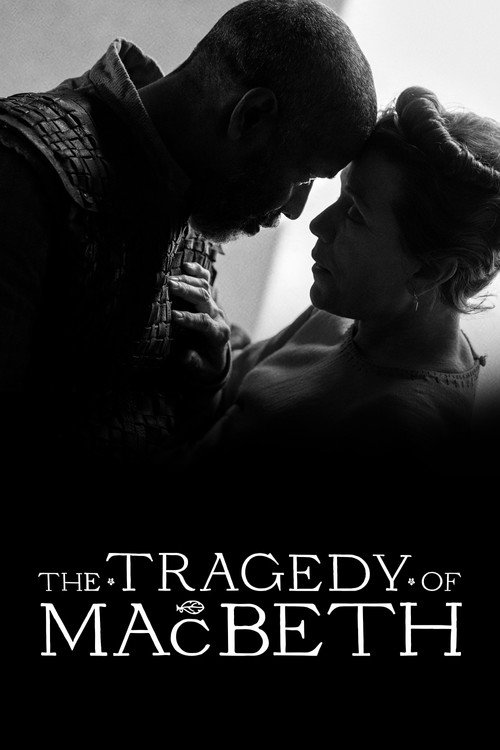
The Tragedy of Macbeth2021
Both directors treat Macbeth as an interior descent visualized through shadows and confined spaces. Both see the play as a descent into madness, not a political thriller. Both made something visually arresting on limited resources.
Joel Coen's new Macbeth (no Orson, different filmmaker, entirely). Shot in crisp black-and-white, deliberately theatrical, pared down to the psychological core. It lets you hear Shakespeare clearly while being visually alive. See what another obsessive director does with the same story.
But It's extremely stylized and austere. Some find it cold. If you want warmth or colour or naturalism, this isn't it.
More like this (7)
Henry V1944
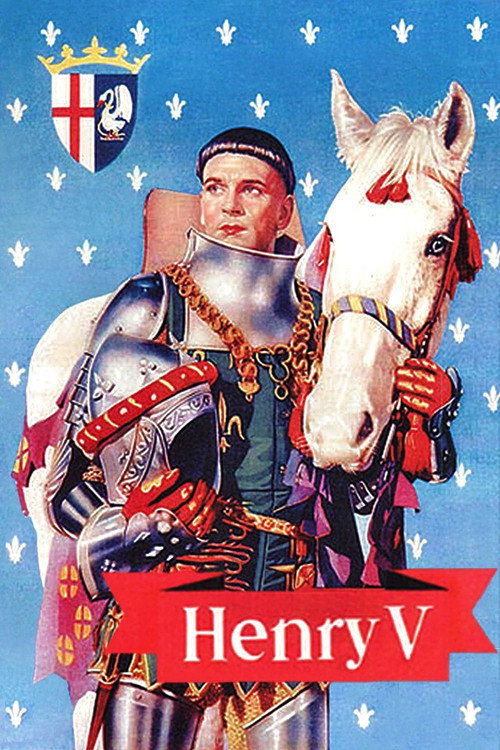
Laurence Olivier's Shakespeare film from just before Welles' Macbeth. Stagier and more theatrical, but it shows the alternative approach: full colour, pageantry, Technicolor majesty. A useful contrast.
But It's a bit stiff and earnest by modern standards. The theatricality some find charming others find mannered.
The Third Man1949
Released the year after Macbeth, it's another monument to noir shadows and moral corruption. Carol Reed and cinematographer Robert Krasker created something as visually bold as anything Welles attempted.
But It's a spy thriller, not Shakespeare. Completely different beast, so the connection is purely visual and tonal.

Citizen Kane1941
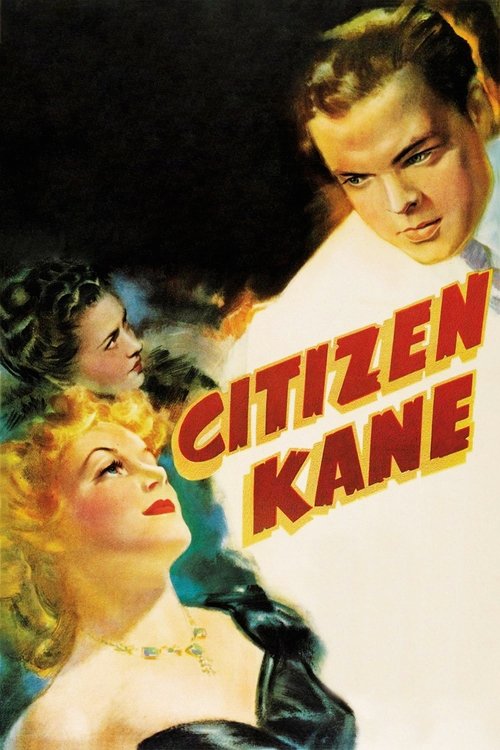
Welles' most famous film. See what he could do with unlimited resources and fresh energy. The ambition that drives Macbeth is visible here, but channelled into creation rather than destruction.
But If you watch this, you might never leave Welles' shadow. It's impossible not to compare everything else he did to it.
Chimes at Midnight1965
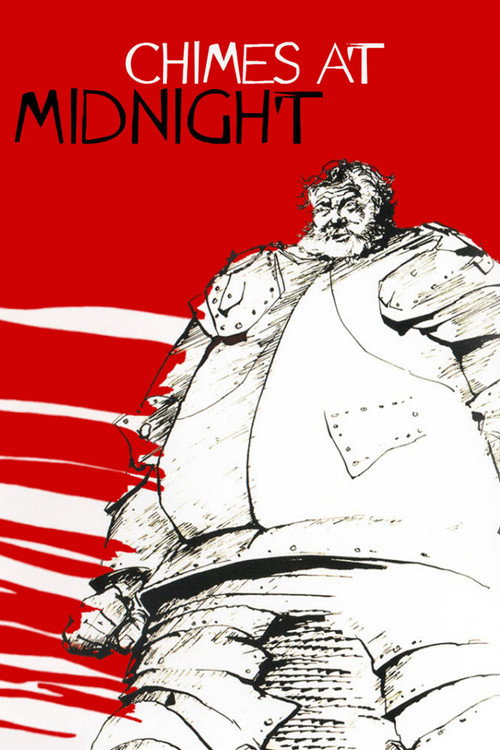
Welles' final Shakespeare, cobbled together from Henry IV. Raw, human, about power slipping away. The Battle of Shrewsbury sequence is as kinetic as anything he filmed anywhere.
But It's patchy and the sound is notoriously bad. Made on almost nothing, it shows. Some shots are genuinely hard to see.
Harakiri1962
Masaki Kobayashi's samurai masterpiece about honour, betrayal, and the cost of ambition. As much about the machinery of power crushing individuals as Macbeth is. Visually devastating.
But It's slow, ritualistic, and genuinely bleak. There's no heroism here, only waste. Very different register from Macbeth entirely.

Crime and Punishment1935
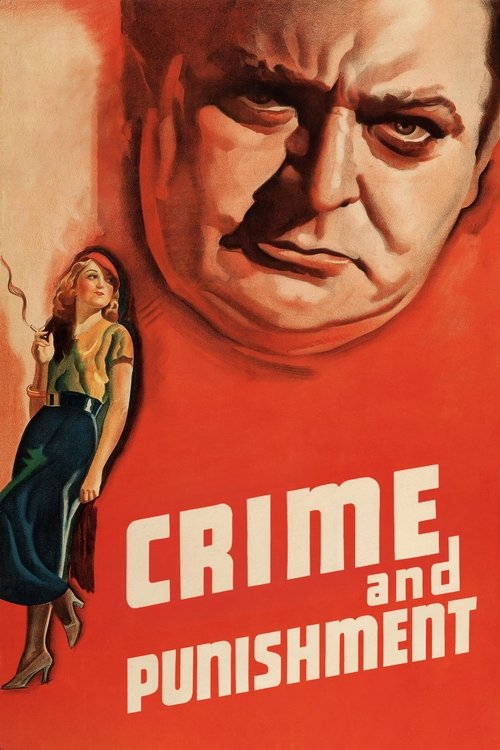
Both films are about guilt eating a person from inside out. The witches' prophecies and Macbeth's justifications are the same as Raskolnikov's rationalization: I am special, I am justified. Both films watch that belief curdle into madness. Both are shot in deep shadows because both are about darkness inside a person made visible.
Josef von Sternberg's adaptation of Dostoevsky follows a man destroyed by a single act of ambition and violence. Same trajectory as Macbeth: decision, justification, paranoia, collapse. Psychologically devastating. Feels like watching someone's mind break.
But It's a 1935 Hollywood adaptation of Russian literature. Very much a product of its time and studio system. Some of it feels dated or stagy now.
La Haine1995
Both films use high-contrast cinematography to show inevitable descent. Both are structured like tragedies where the ending is baked in from the start. Both watch intelligent men trapped by circumstance and their own decisions. Neither offers redemption. Both have a formal beauty that makes the content harder to look at, not easier.
Matthieu Kassovitz's black-and-white film about rage, confinement, and the inexorable violence that follows. Twenty-four hours in a pressure cooker. Feels operatic, almost Shakespearean, even though it's about French banlieue gangs. The structure and momentum are pure tragedy.
But It's angry and it doesn't resolve neatly. The ending is brutal. If you want catharsis or hope, you won't find it. Completely contemporary French urban setting, so nothing obviously 'literary'.

People
Cast
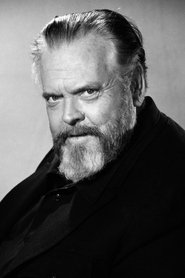 Orson WellesMacbeth
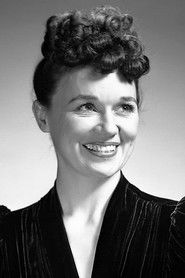 Jeanette NolanLady Macbeth
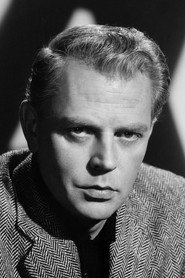 Dan O'HerlihyMacduff
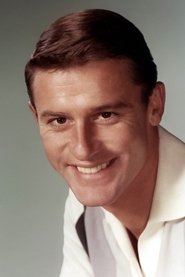 Roddy McDowallMalcolm
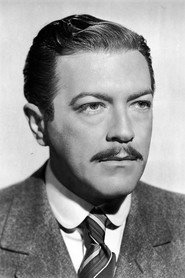 Edgar BarrierBanquo
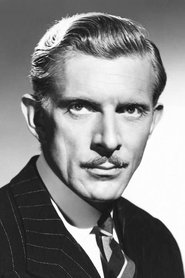 Alan NapierA Holy Father
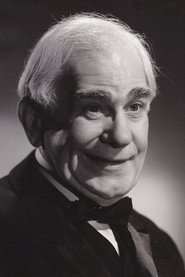 Erskine SanfordDuncan
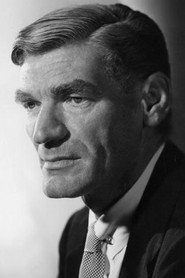 John DierkesRoss
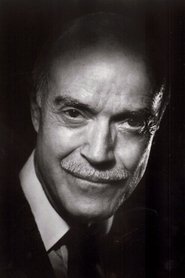 Keene CurtisLennox
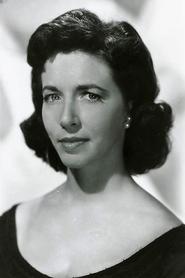 Peggy WebberLady Macduff/The Three
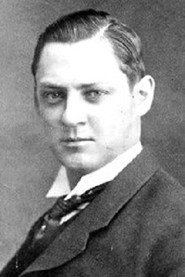 Lionel BrahamSiward
- Archie HeuglyYoung Siward
Directing
- Orson WellesDirector
Writing
- Orson WellesScreenplay
- William ShakespeareTheatre Play
Production
- Richard WilsonAssociate Producer
- Orson WellesProducer
Recommended by
Othello, The Mysterious Lady, David and Bathsheba, The Tragedy of King Lear