
Film
David and Bathsheba
A 1951 epic about King David's downfall through passion and moral compromise. Lavish, theatrical, and invested in the internal cost of desire rather than spectacle. For anyone drawn to biblical drama, classical Hollywood grandeur, or stories where power and attraction become indistinguishable from each other.
Should you watch it?
Watch it if you want a stately Biblical melodrama where court intrigue and a scandalous romance are played with old-Hollywood gravity, and you enjoy watching Gregory Peck carry a king's guilt.
Skip it if you find formal, lavishly staged period drama hard going, or expect sword-and-sandal spectacle to move quickly; its pace is deliberate and its dialogue stays stiffly courtly.
What it asks of you: Settle in for just over two hours of unhurried scenes, with long stretches of courtly talk and a slow build; it rewards patience more than quick reactions.
Not sure? Find tonight's pick in a minute.
If you liked this
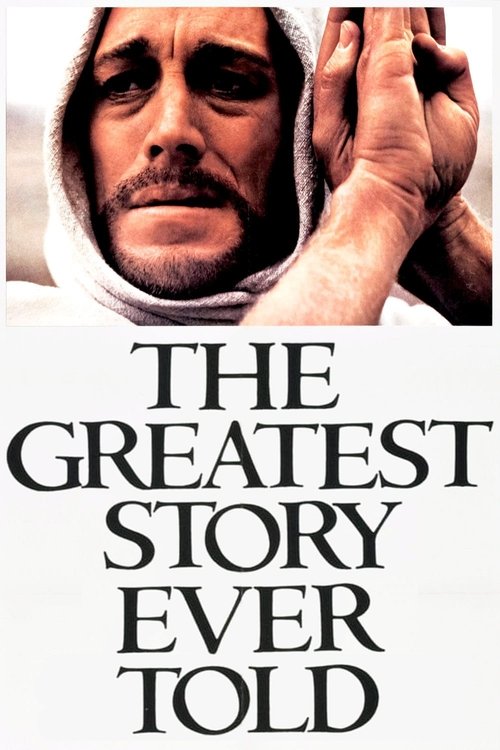
The Greatest Story Ever Told1965
Another sweeping biblical epic from the same era, with meticulous attention to period detail and a cast of theatrical heavyweights. The scope is enormous and genuinely moving in its reverence for the material.
But At over three hours it can feel static and reverent to the point of stiffness. Modern audiences often find it glacially paced.
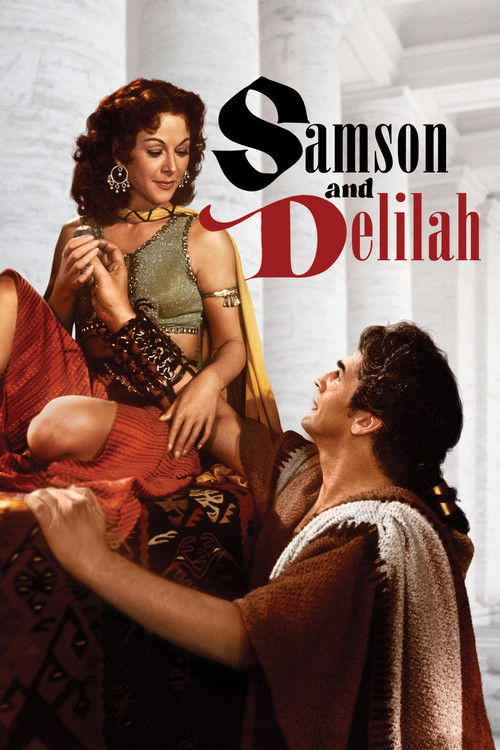
Samson and Delilah1949
Cecil B. DeMille's preceding biblical drama, similarly built on a passionate affair with world-shaking consequences. Victor Mature and Hedy Lamarr have real chemistry, and the action sequences still impress.
But The dialogue can be purple and the gender politics are firmly of their time. It's unironic about its own bombast, which works or doesn't depending on your mood.
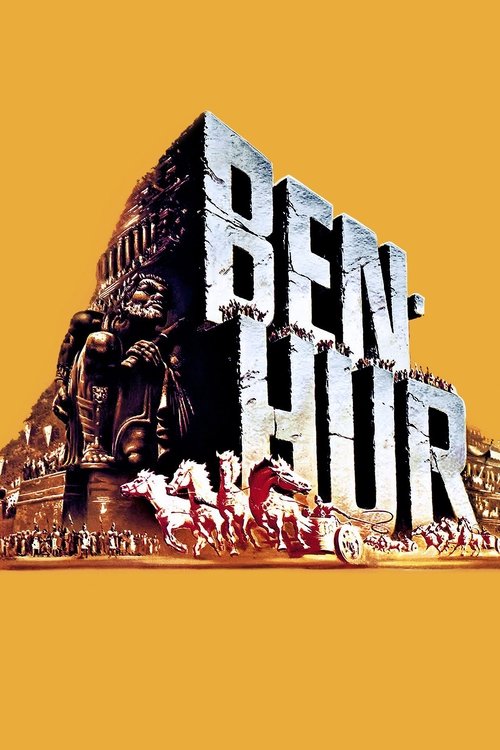
Ben-Hur1959
The apotheosis of Hollywood's biblical epic period, with a redemption arc that mirrors David's journey. The famous chariot race is justly celebrated, but the quieter character work is the real achievement.
But It's nearly four hours long and demands patience with old-fashioned pacing. The religious messaging is unsubtle.
Not sure tonight? Get a pick in a minute, starting from David and Bathsheba
The wildcard
Something you would not have found on your own.
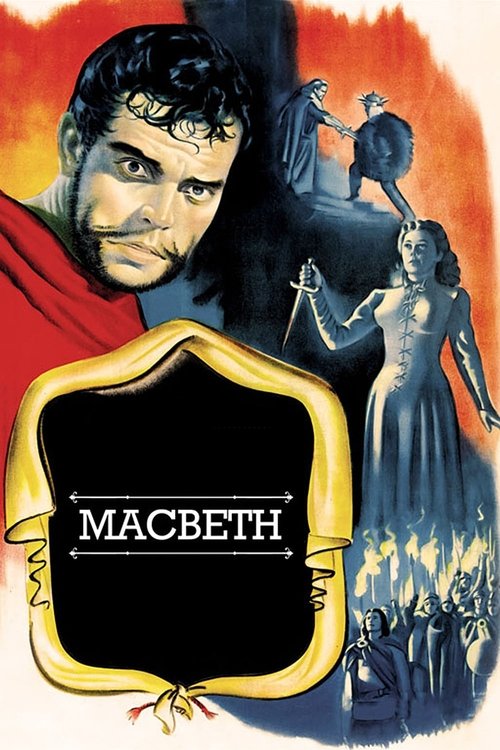
Macbeth1948
Both trace how power and transgression hollow out a leader from inside. David's affair and Macbeth's murder follow the same law of escalating moral decay.
Orson Welles's adaptation strips away spectacle in favour of raw psychological deterioration. A king undone by ambition and moral compromise, same engine as David and Bathsheba but turbocharged and stripped to its essence.
But It's in black and white, filmed on a low budget with painted sets. The theatrical delivery can read as mannered to modern ears.
More like this (7)
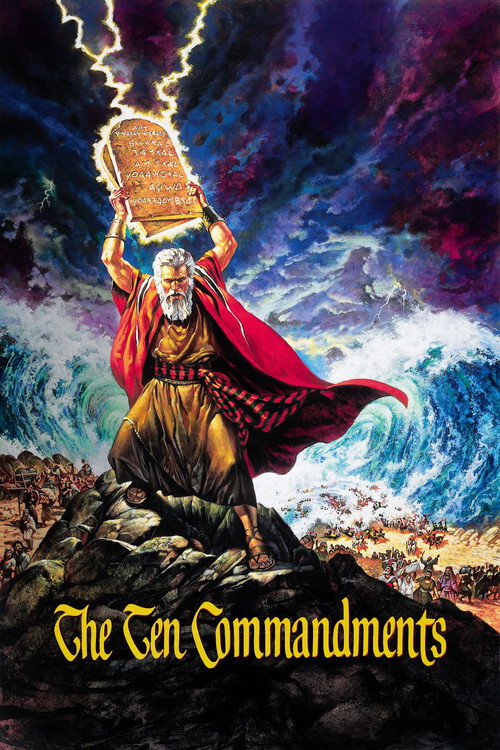
The Ten Commandments1956
DeMille at full throttle: massive sets, thousands of extras, a catastrophe that still holds genuine power. Charlton Heston is perfectly cast as a man caught between divine will and human doubt.
But It's a sermon disguised as entertainment, and if you're not receptive to that particular sermon, there's little else to grab onto. It's also extremely long.
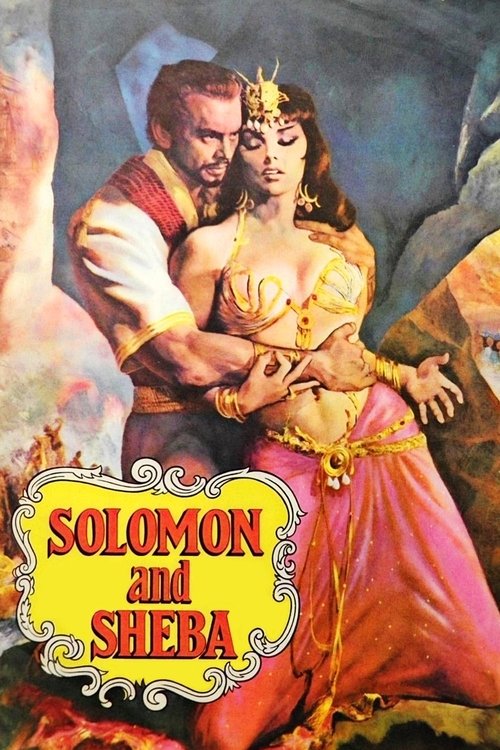
Solomon and Sheba1959
Another biblical romance exploring the collision between power and desire, with Yul Brynner and Gina Lollobrigida. It shares David and Bathsheba's interest in internal moral crisis rather than external action.
But It's less confident in its own material than David and Bathsheba, and the romantic plot often overwhelms the political stakes.
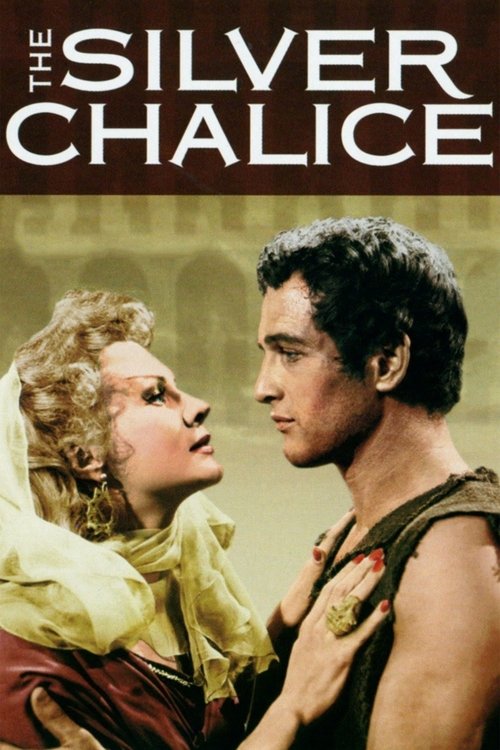
The Silver Chalice1954
A sincere, underrated epic about the cup Christ drank from, caught between faith and doubt. Newman's performance as an artist questioning his belief carries genuine weight.
But The script sometimes stumbles trying to balance spectacle with spiritual inquiry. It's forgotten for a reason, though not an unjust one.
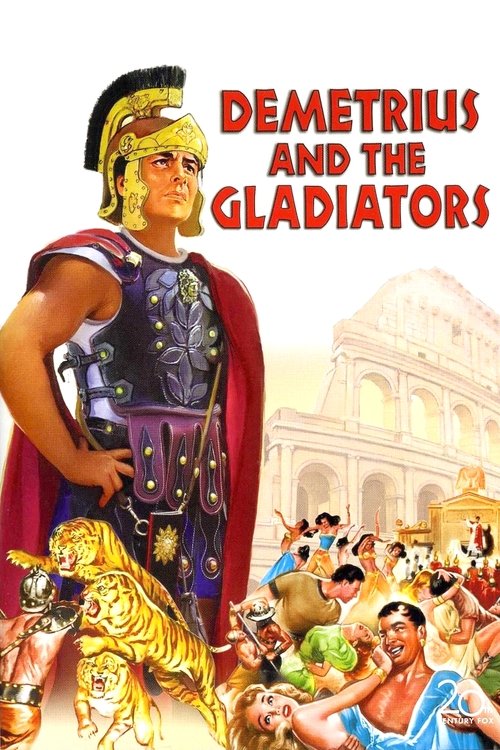
Demetrius and the Gladiators1954
A sequel to The Robe that widens the biblical epic canvas to include gladiatorial combat and moral reckoning. It's more action-driven than David and Bathsheba but maintains its interest in conscience.
But It's structurally confused, torn between adventure and theology. The tonal whiplash can feel like ineptness rather than intention.
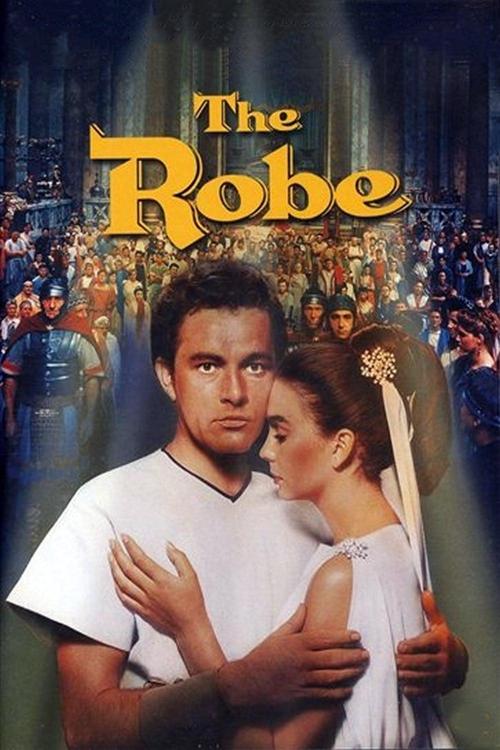
The Robe1953
The film that revived biblical epics in Hollywood, starring Richard Burton as a man haunted by witnessing the Crucifixion. It's thoughtful about faith and culpability in ways that reward attention.
But The technical innovations (widescreen, color) that impressed contemporaries can feel dated now. It's slow and deliberately so.
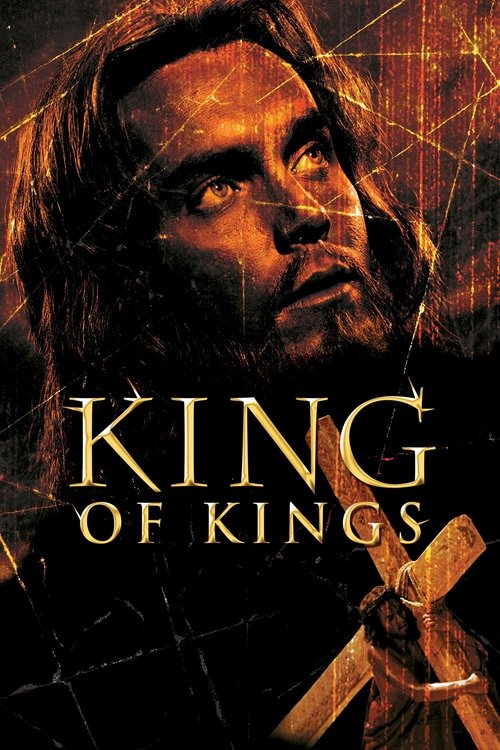
King of Kings1961
An earnest, visually ambitious take on the life of Christ that doesn't shy from the political and moral complexity. Technically masterful in how it handles scale and emotion simultaneously.
But It's reverential in ways that can feel suffocating if you're not in the right headspace. The pacing is glacial and the dialogue sometimes overwrought.
Bitter Lake2015
Both examine how leaders justify transgression to themselves and their people. David's cover-up of Bathsheba's pregnancy echoes the geopolitical deceptions Curtis catalogs—the same gap between private moral failing and public propaganda.
Adam Curtis's documentary essay uses archival footage to argue that Middle Eastern conflict stems from Western leaders pursuing power at the cost of truth. It's a moral and intellectual reckoning with how kingdoms fail.
But It's a dense, argument-heavy essay film without conventional narrative. If you find Curtis's voice and methods exhausting, you'll be frustrated by two and a half hours of them.
People
Cast
 Gregory PeckKing David
 Susan HaywardBathsheba
 Kieron MooreUriah
 Raymond MasseyNathan
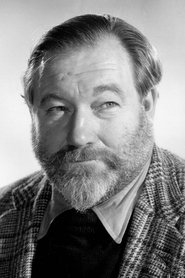 James Robertson JusticeAbishai
 Jayne MeadowsMichal
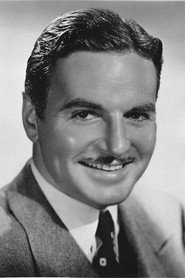 John SuttonIra
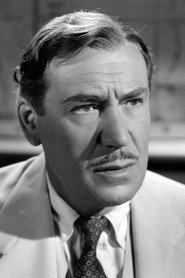 Dennis HoeyJoab
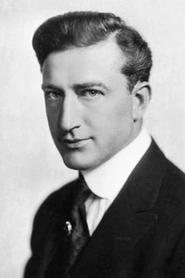 Francis X. BushmanKing Saul (uncredited)
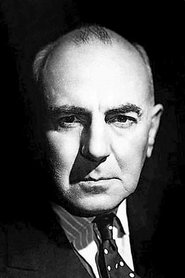 George ZuccoEgyptian Ambassador (uncredited)
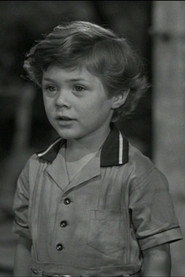 William SevernShepherd Boy (uncredited)
 Gwen VerdonSpecialty Dancer (uncredited)