
Film
Demetrius and the Gladiators
A sword-and-sandal spectacle from 1954 about faith tested in the Roman arena. Victor Mature plays a former slave caught between the temptations of power, sex, and survival, all while safeguarding Christ's robe from a mad emperor. It's earnest and grand—sometimes campy, sometimes stirring—with the kind of Technicolor excess that makes early biblical epics feel like fever dreams. For anyone drawn to old Hollywood's ambition and cheese in equal measure.
If you liked this
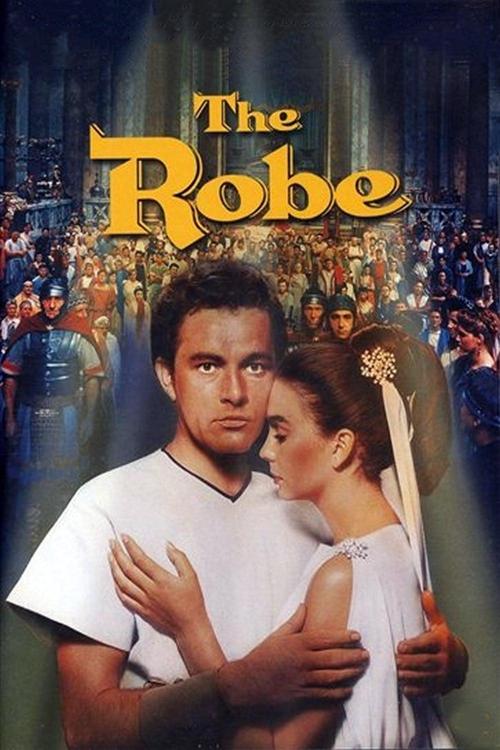
The Robe1953
The prequel that sets everything up: Richard Burton's conversion to Christianity in Rome, the robe itself, the stakes. Essential context that enriches Demetrius, and a genuinely gripping drama in its own right.
But The pacing is deliberate and the dialogue can feel theatrical. If you want action first and theology second, it's a slog.
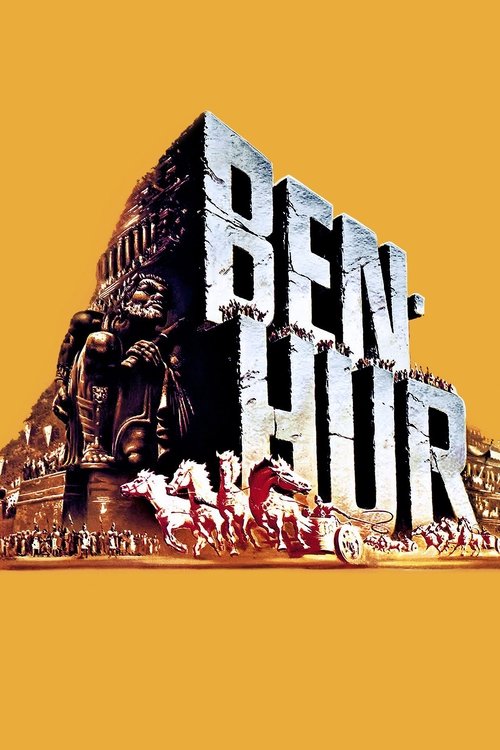
Ben-Hur1959
The template perfected: a wronged man, chariot races instead of arena fights, cosmic stakes. Bigger budget, tighter storytelling, and that sea battle is genuinely unforgettable. Everything Demetrius reaches for.
But At over three hours, it demands commitment. Also, the film is so assured it can feel cold compared to Demetrius's messier urgency.
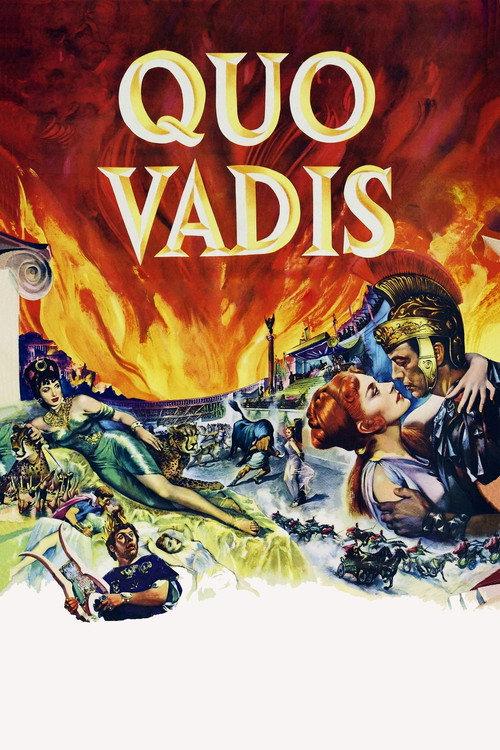
Quo Vadis1951
The other great Roman-Christian epic from this era. Robert Taylor and Ava Gardner navigate faith and desire in Nero's Rome. The scale is immense—real crowds, real locations, real spectacle—and it moves.
But Post-war Hollywood devoutness can feel heavy-handed. Some will find the moralizing stronger than the drama.
Not sure tonight? Get a pick in a minute, starting from Demetrius and the Gladiators
The wildcard
Something you would not have found on your own.
A Prophet2009
Both follow a man rising through violence while his conscience wars with his ambition. The arena is just the setting; the real fight is internal, and both films refuse easy answers.
A Corsican teenager in a French prison becomes a power broker through cunning and violence. It's a gladiator film stripped of Rome and faith, relocated to a modern cell block. Same architecture of temptation, survival, and moral compromise—just with phones instead of swords.
But It's brutal, morally ambiguous, and in French. There's no redemptive arc; the faith here is in hustle and power. Some will find it depressing.

More like this (8)
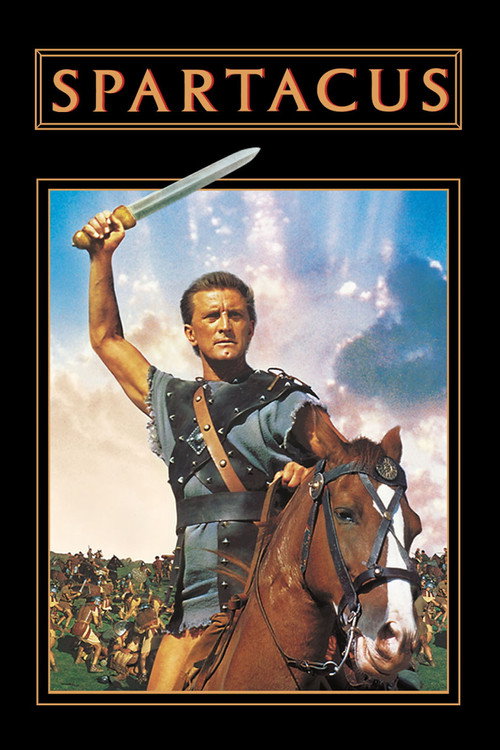
Spartacus1960
Kirk Douglas leading a slave rebellion against Rome. Faster, more political, more adult than Demetrius. It's the adult version of the same story: power, conscience, whether violence can serve faith.
But It's explicitly communist-sympathetic, which some find didactic. And if you want mysticism, this is pure materialism.
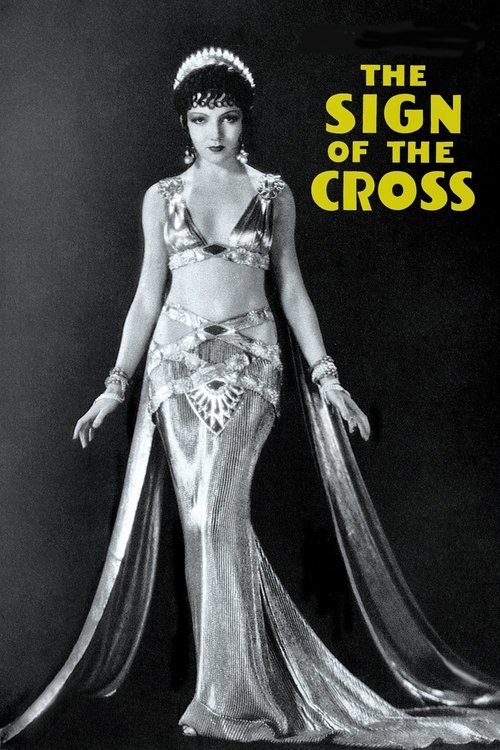
The Sign of the Cross1932
Cecil B. DeMille's original Roman-Christian epic, still magnetic eighty years on. Fredric March torn between duty and a Christian slave woman. Preaches less than you'd expect; seduces more.
But Made in 1932. The special effects don't impress, and some plot elements feel quaint or uncomfortable by modern standards.
The Last Temptation of Christ1988
Scorsese's heretical, anguished take on faith and doubt. Completely different setting and tone, but the core drama—what it costs to believe, what temptation really is—speaks directly to Demetrius's struggle.
But Genuinely blasphemous to many. Also slow, interior, and Willem Dafoe is not Victor Mature. Some will find it punishing.
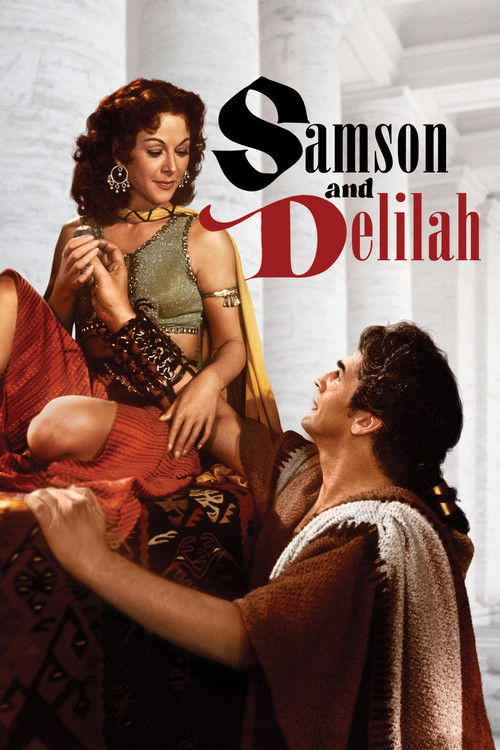
Samson and Delilah1949
Another DeMille biblical epic with Victor Mature. Pure entertainment: strength, betrayal, spectacle, and Hedy Lamarr. If you love Demetrius, the sheer craft and strangeness here will delight you.
But It's even more camp than Demetrius, and the gender politics are regrettable. Also, Mature's performance is less conflicted—more muscles, less soul.
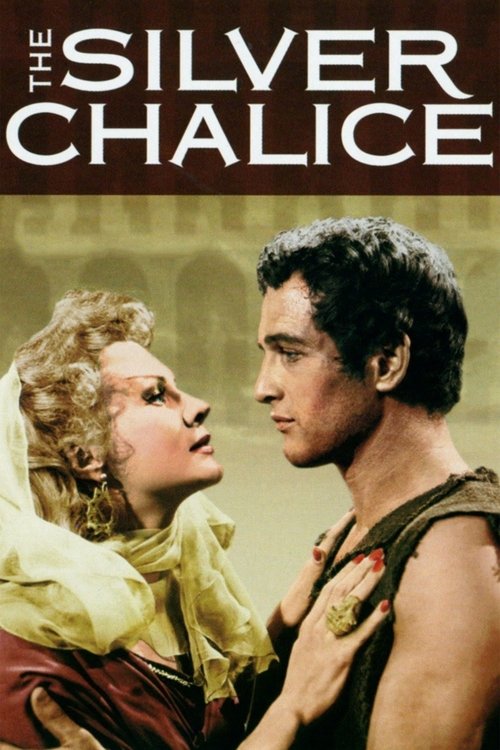
The Silver Chalice1954
Released the same year as Demetrius: another earnest, strange quest for a holy relic. Paul Newman before he was a star, traveling ancient Rome with a chalice. The cheese is real, but so is the commitment.
But Even more dated than Demetrius. The spirituality can feel mawkish, and the plot meanders. Newman fans might be disappointed by how little he gets to do.
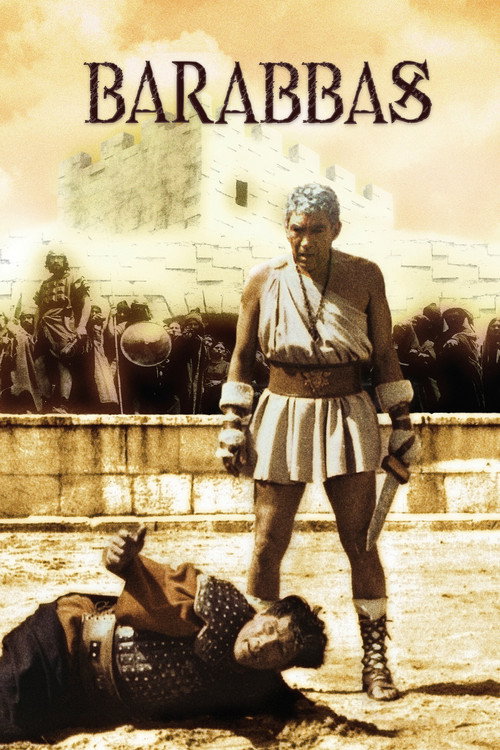
Barabbas1961
Anthony Quinn as the criminal freed instead of Jesus, haunted by substitution and guilt. A sparser, darker take on faith and redemption than Demetrius, but equally sincere. Genuinely unsettling.
But It's bleaker and less entertaining. If you want spectacle, this is existential punishment instead.
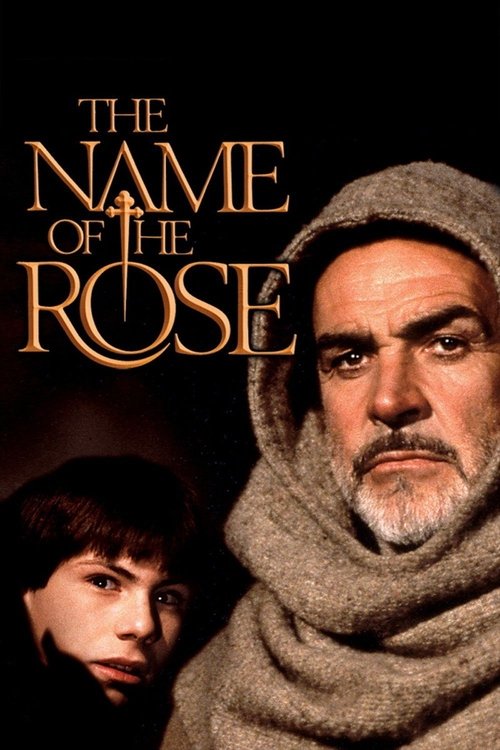
The Name of the Rose1986
Both are passionate arguments about faith and doubt, dressed in period costume and period intrigue. Both feature systems of power built on claimed access to the divine, and both believe doubt is the real faith.
A medieval monastery under siege from dogma, desire, and murder. Sean Connery investigates while wrestling faith and reason. It's Demetrius's questions—what do we do when faith conflicts with humanity?—in a different era, slower and more intellectual.
But It's verbose, European, and philosophically dense. The mystery plot is secondary to the atmosphere. If you want sword-fights and clear answers, this offers neither.
The Seventh Seal1957
Both films believe that faith is tested through temptation and suffering, not confirmed by miracle. Both end ambiguously because that's where honest faith lives.
Bergman's knight plays chess with Death during the Black Plague. It's the spiritual skeleton of what Demetrius reaches for: a man's faith tested to breaking, big questions posed without easy answers. Austere, profound, unforgettable.
But Black and white, slow, Swedish, and bleak. There's no entertainment here in the conventional sense—it's philosophy with silences. Demetrius fans may find it punishing rather than cathartic.

People
Cast
 Victor MatureDemetrius
 Susan HaywardMessalina
 Michael RenniePeter
 Debra PagetLucia
 Anne BancroftPaula
 Jay RobinsonCaligula
 Ernest BorgnineStrabo
 Richard EganDardenius
 Barry JonesClaudius
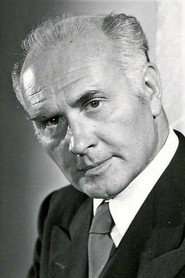 Charles EvansCassius Chaerea
 William MarshallGlycon
 Woody StrodeGladiator
Directing
- Delmer DavesDirector
Writing
- Lloyd C. DouglasCharacters
- Philip DunneScreenplay
Production
- Frank RossProducer
Recommended by
Alexander the Great, Pontius Pilate, Esther and the King, David and Bathsheba