
Film
Alexander the Great
Richard Burton's Alexander the Great is a classical epic of ambition and conquest, lavishly mounted for 1956 with the period detail and spectacle that era did best. It's philosophical as much as martial—wrestling with Alexander's vision of a unified world against the brutality required to build it. Sumptuous and deliberately paced, for those drawn to intelligent historical drama over action.
Should you watch it?
Watch it if you like stately, old-fashioned epics where the pleasure is in big tableaux of armies, court intrigue and a star giving a brooding, interior performance as a man driven by ambition.
Skip it if you want a lean, fast-cutting war film; this one takes its time, lingers on talk and pageantry, and runs well past two hours without rushing to the next battle.
What it asks of you: Settle in for a long, measured sitting at the pace of a 1950s studio epic, where scenes breathe and the spectacle arrives in large, deliberate sweeps.
Not sure? Find tonight's pick in a minute.
If you liked this
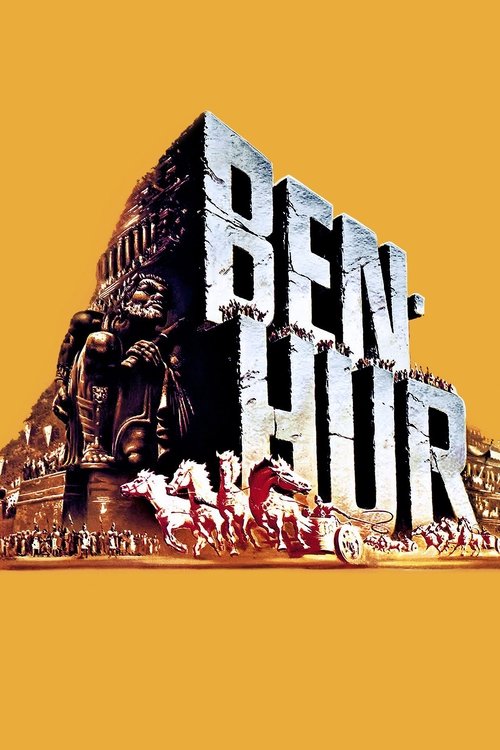
Ben-Hur1959
Another Burton-era biblical epic with the same scale and moral weight, featuring one of cinema's greatest action sequences and a deeply felt story about forgiveness beneath the pageantry.
But It's three and a half hours of deliberate pacing and dialogue-heavy sequences that some find ponderous rather than majestic.
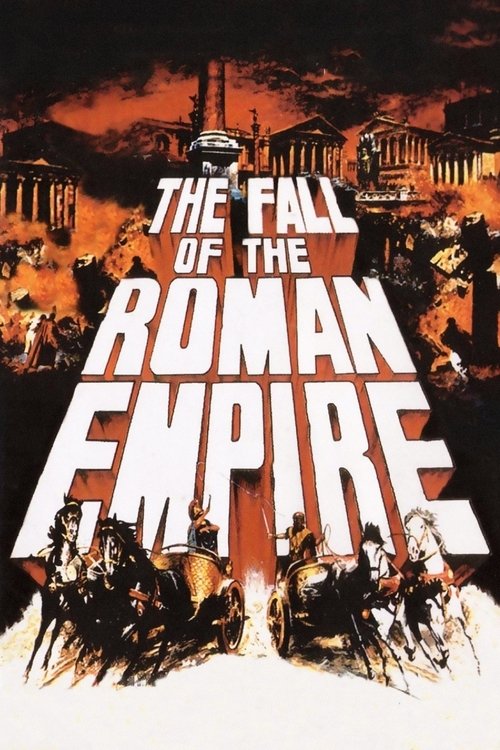
The Fall of the Roman Empire1964
Similar historical sweep and philosophical ambition, exploring how empires crumble and what ideals can survive conquest. Alec Guinness and Christopher Plummer in a film that trusts its audience.
But It can feel stiff and overly reverent about its subject matter, without quite the cinematic confidence Alexander reaches.
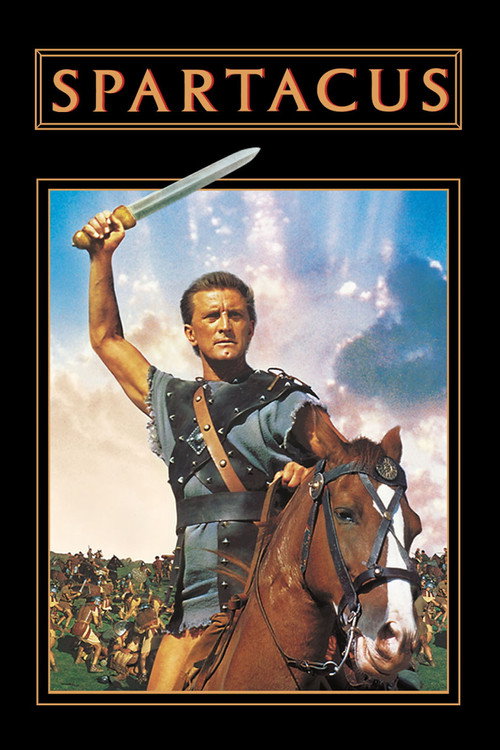
Spartacus1960
Kirk Douglas commands an equally imposing historical drama about rebellion and empire, with spectacular battle sequences and a clearer moral compass than Alexander offers.
But More straightforward in its politics and less interested in the psychological contradictions that make Alexander compelling.
Not sure tonight? Get a pick in a minute, starting from Alexander the Great
The wildcard
Something you would not have found on your own.
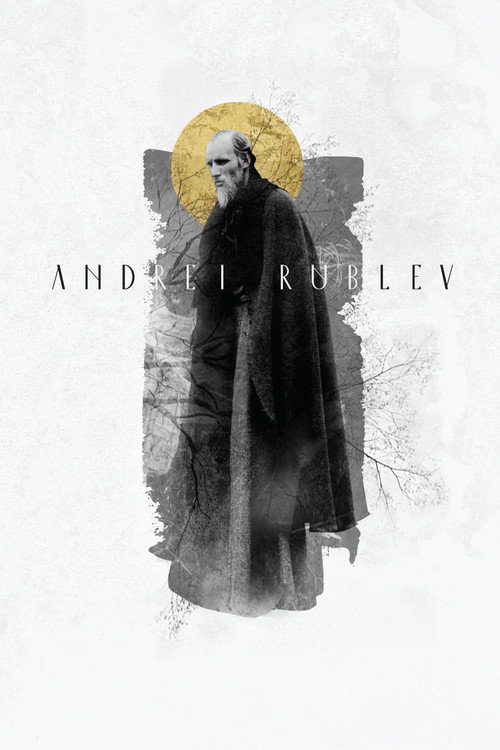
Andrei Rublev1966
Both films interrogate whether visionary leaders or artists can achieve transcendence or whether the world corrupts their vision. Both use grandeur and length as philosophical tools rather than ornaments.
Tarkovsky's film about a Russian icon painter grappling with faith and creation amid violence and empire—utterly different in surface but identical in its core question: how does an idealist survive a brutal world? Hypnotic and devastating.
But It's 205 minutes of slow cinema with minimal plot; the visual density and philosophical weight demand active attention rather than passive reception.
More like this (6)
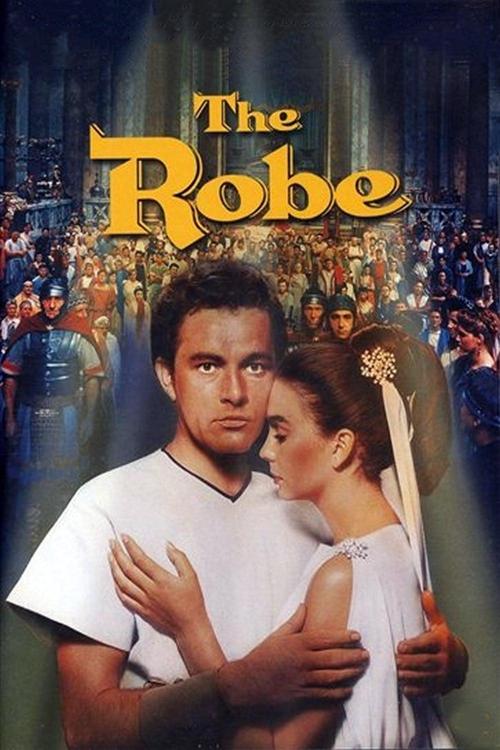
The Robe1953
A predecessor that established many of these epic tropes with genuine style: Richard Burton's co-star vehicle with similar ambitions about faith and empire, if slightly lighter on philosophy.
But The religious angle will feel dated and sometimes earnest to modern eyes, and the spectacle, though impressive, hasn't aged as gracefully.
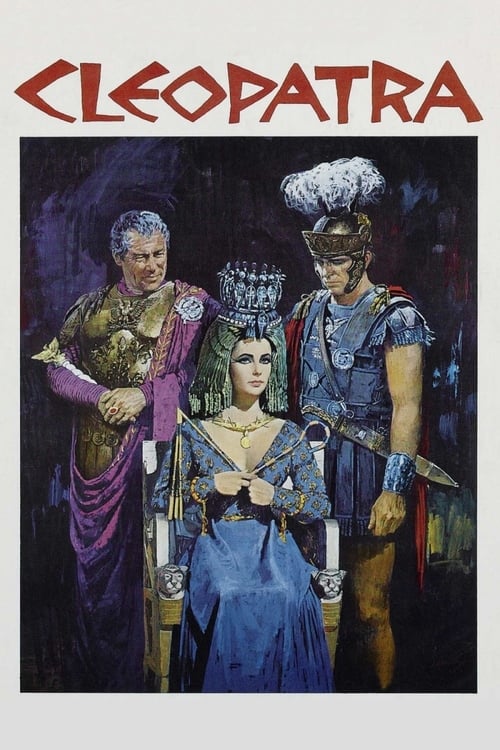
Cleopatra1963
Elizabeth Taylor and Richard Burton's legendary chemistry powers this Hellenistic epic with lavish production design and the same interest in how personal desire tangles with political destiny.
But It's bloated and much of the supporting narrative drags; the film knows its stars and works around them rather than through disciplined storytelling.
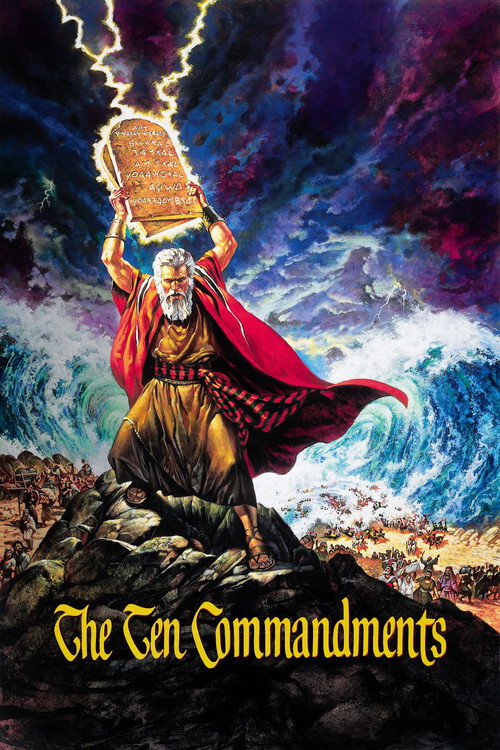
The Ten Commandments1956
Released the same year, De Mille's biblical epic shares Alexander's appetite for vast landscape cinematography, philosophical grandeur, and Charlton Heston's commanding screen presence.
But It's even longer and even more in love with itself; the religious certainty may feel oppressive where Alexander remains conflicted.
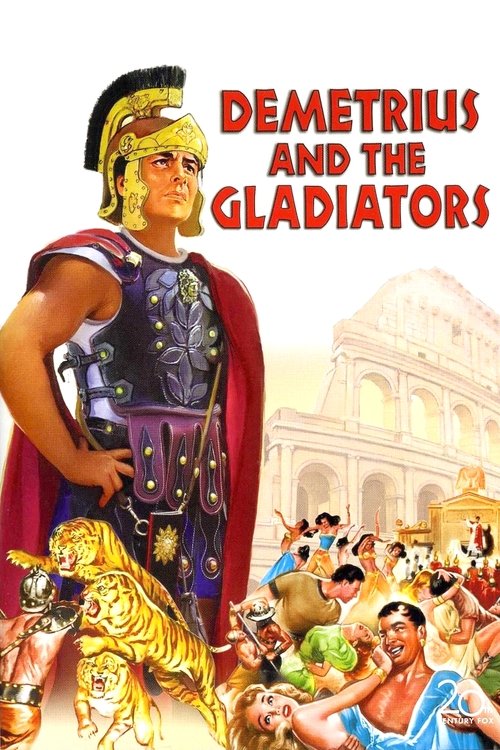
Demetrius and the Gladiators1954
A lesser-known Roman epic with genuine atmosphere and Victor Mature's underrated charisma, offering a similar era's approach to ambition and spiritual questioning.
But It's genuinely obscure for good reason; the production values don't quite justify the runtime, and the story meanders.
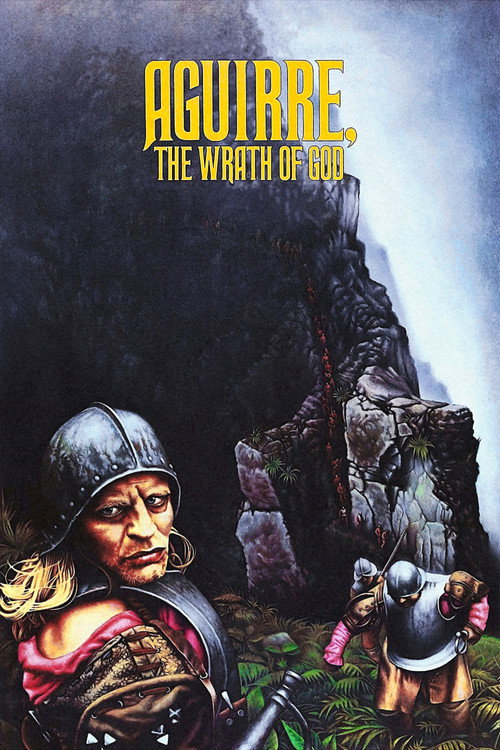
Aguirre, the Wrath of God1972
Both follow a charismatic leader convinced of a visionary destiny, but while Alexander asks whether ideals can elevate mankind, Aguirre suggests that grand ambition is indistinguishable from madness.
Herzog's fever dream of conquest and madness follows a conquistador leading men into the Amazon in search of El Dorado—Alexander rewritten as horror, ambition as delusion, philosophy replaced by obsession and mortality.
But It's deliberately disorienting, shot on location with non-professional actors and a disintegrating narrative; Herzog offers no reassurance that you'll understand what you've watched.
The Battle of Algiers1966
Both examine how empires are built and justified—Alexander through the romantic lens of the conqueror's vision, Algiers through the guerrilla fighter's determined resistance. Together they show the same event from opposite ends of history.
Shot in stark black and white, Pontecorvo's revolutionary epic deconstructs colonial conflict with documentary immediacy and moral complexity—what Alexander's conquest looked like from the conquered side, without sentiment or justification.
But It's a political film of the highest order; if you need rousing heroism rather than uncomfortable questions about the cost of empire, this will feel didactic and cold.

People
Cast
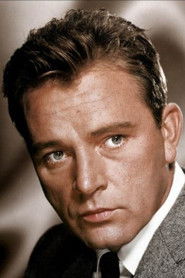 Richard BurtonAlexander
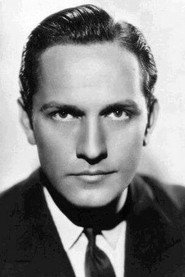 Fredric MarchPhilip of Macedonia
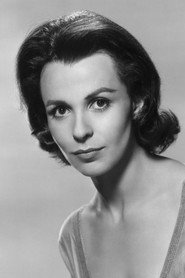 Claire BloomBarsine
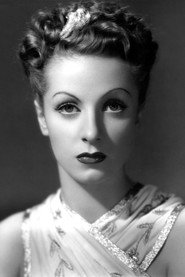 Danielle DarrieuxOlympias
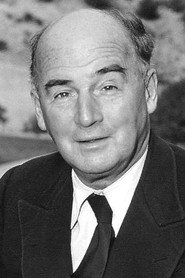 Barry JonesAristotle
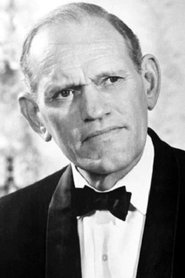 Harry AndrewsDarius
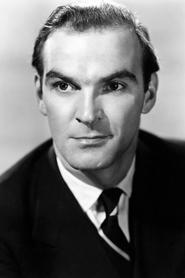 Stanley BakerAttalus
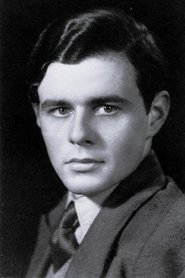 Niall MacGinnisParmenio
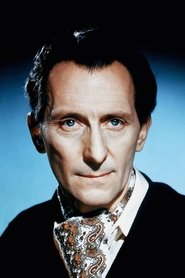 Peter CushingMemmon
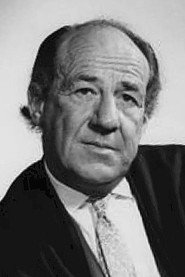 Michael HordernDemosthenes
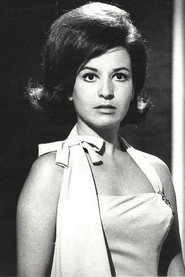 Marisa de LezaEurydice (as Marisa De Leza)
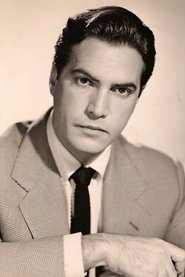 Gustavo RojoCleitus
Directing
- Robert RossenDirector
- Elaine SchreyeckScript Supervisor
Writing
- Robert RossenWriter
Production
- Robert RossenProducer