
Film
Helen of Troy
A 1956 Technicolor epic that treats the Trojan War as grand romantic melodrama. Paris and Helen's passionate affair ignites mythological conflict across gorgeously lit sets and sprawling battle sequences. It's pure escapist spectacle—less interested in classical fidelity than in star-crossed lovers caught between empires. Perfect if you want your ancient history served with movie-star glamour and no apologies.
Should you watch it?
Watch it if you love old-fashioned Hollywood spectacle, with painted skies, sweeping crowd scenes and a mythic romance played with earnest sincerity rather than irony.
Skip it if you want the Trojan War told with grit or psychological depth; this 1956 film is colourful, stately and often stagey, with a romance that leans more on gloss than on fire.
What it asks of you: Settle in for just over two hours of gradual build, with long stretches of talk and pageantry before the big set pieces arrive, and take it at its own unhurried, courtly pace.
Not sure? Find tonight's pick in a minute.
If you liked this
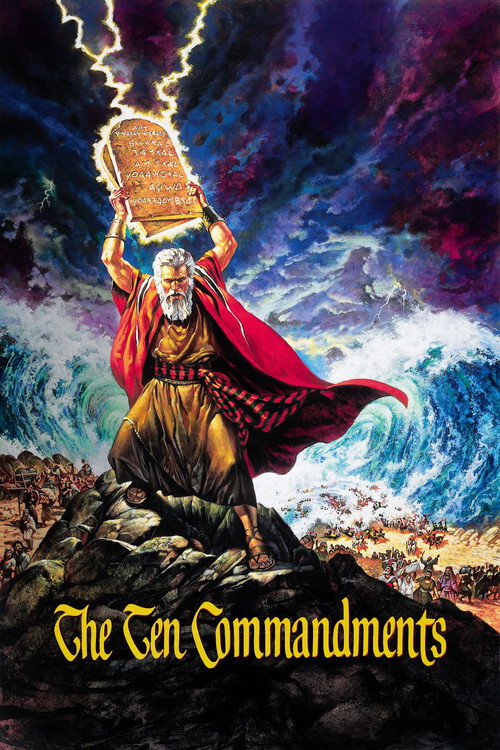
The Ten Commandments1956
Epic scale, similar Technicolor opulence, and DeMille's gift for making biblical spectacle feel genuinely momentous. Massive casts, lavish production design, and a moral weight beneath the spectacle.
But It's also 220 minutes long, and the pacing reflects a different era's tolerance for slow-building drama and theatrical performances.
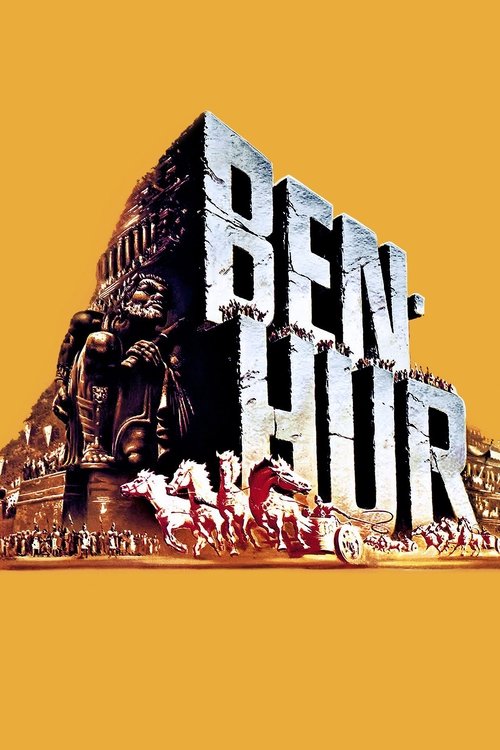
Ben-Hur1959
The apotheosis of 1950s historical epic: famous chariot sequences, enormous sets, and a story that balances intimate character drama with battlefield grandeur. Charlton Heston at peak intensity.
But The dialogue can feel stiff, and some of the acting styles now read as very mid-century theatrical rather than naturalistic.
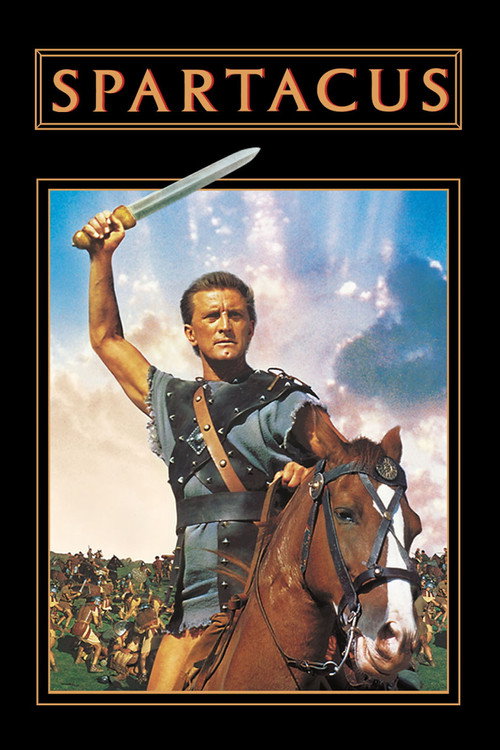
Spartacus1960
Another Kirk Douglas-led historical epic with battle scenes, romance, and political intrigue. Superior script and direction, but the same appetite for spectacle and moral seriousness within the action-adventure frame.
But Much grimmer in tone—it's about slavery and rebellion, not love and adventure, so the mood is heavier throughout.
Not sure tonight? Get a pick in a minute, starting from Helen of Troy
The wildcard
Something you would not have found on your own.
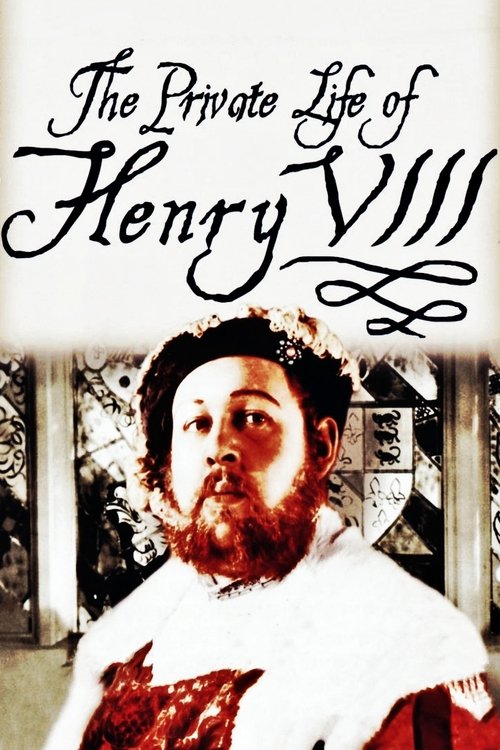
The Private Life of Henry VIII1933
Both are romantic historical narratives built around a charismatic central figure whose personal desires remake the political world. But Henry VIII approaches history with wit and psychological insight rather than spectacle.
Charles Laughton's career-defining performance in a film that *invented* the historical drama template Hollywood would follow for decades. It's surprisingly intimate and funny despite its scope, and genuinely influential—watch where Helen of Troy comes from.
But It's 97 minutes of black-and-white 1930s filmmaking with theatrical acting styles that feel alien now. The pacing is theatrical and the dialogue-heavy.
More like this (8)
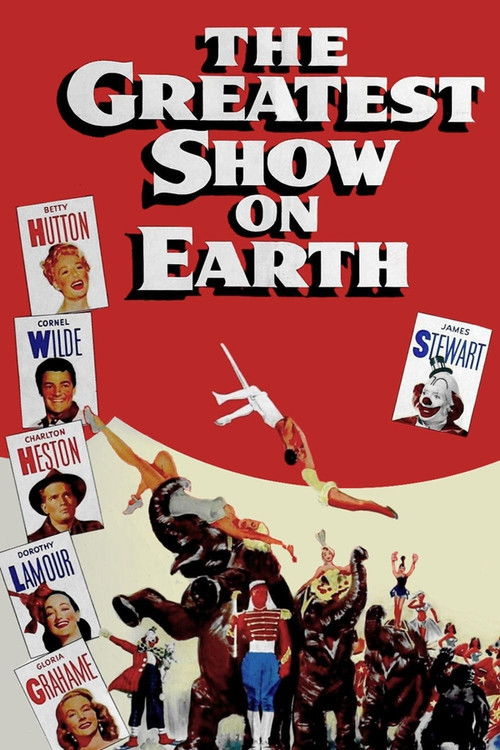
The Greatest Show on Earth1952
DeMille's earlier spectacular with similar production ambition, gorgeous Technicolor, and an ensemble cast. If you loved the sheer visual confidence of Helen of Troy, this shows where that style comes from.
But It's a circus drama, not historical, and feels dated in its approach to suspense and character. The train crash climax is famous but also genuinely chaotic.
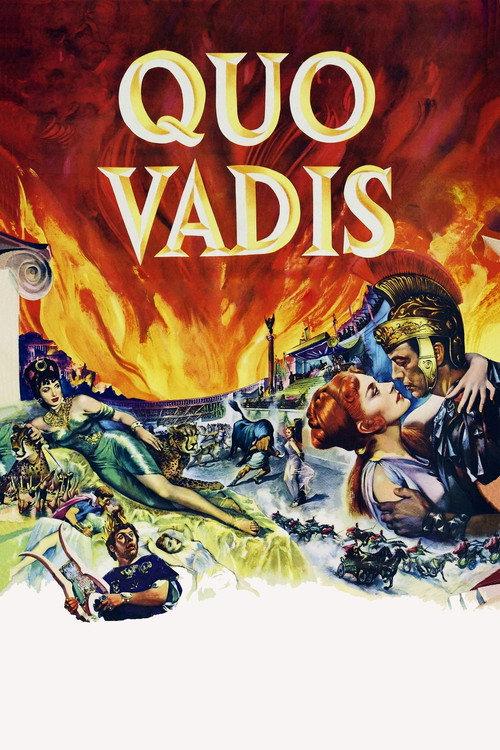
Quo Vadis1951
Another sweeping historical romance set against empire and warfare, with Robert Taylor and Ava Gardner. Epic scope, exotic locations, and that same mid-century Hollywood glamour applied to ancient Rome.
But Nearly three hours, and the pacing meanders; the love story and political drama don't always mesh cohesively.
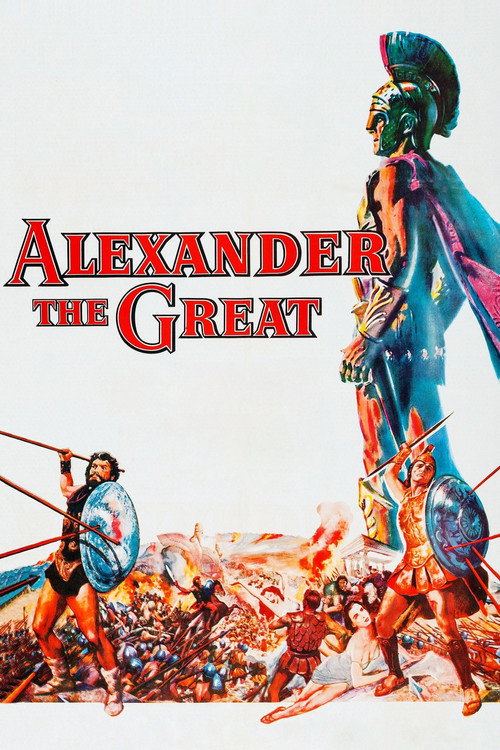
Alexander the Great1956
Released the same year, with similar production values and an ambitious attempt at historical biography. Richard Burton as Alexander, mounted battles, and the collision of personal ambition with historical destiny.
But The historical detail is thin, the script can feel generic, and Burton's performance sometimes overwhelms the narrative balance.
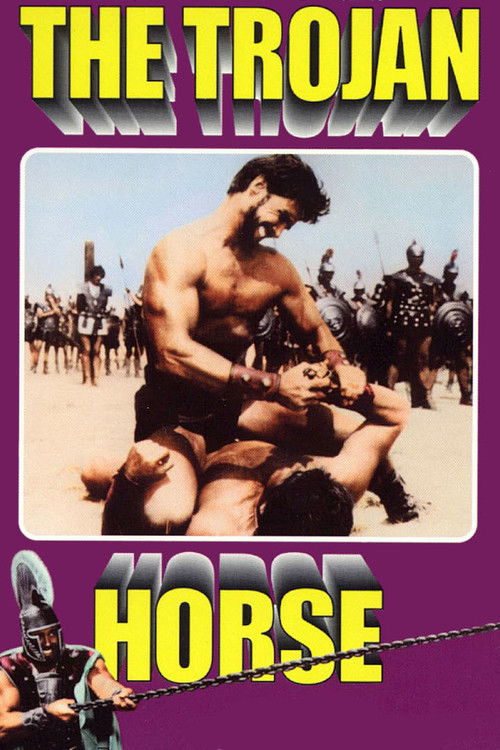
The Trojan Horse1961
Another Trojan War adaptation, made five years later with improved filmmaking technique. If you want to see how the same myth was tackled again, this offers comparison and often better directorial control.
But Less polished than Helen of Troy in some ways, and the focus shifts away from Helen and Paris to broader war logistics.
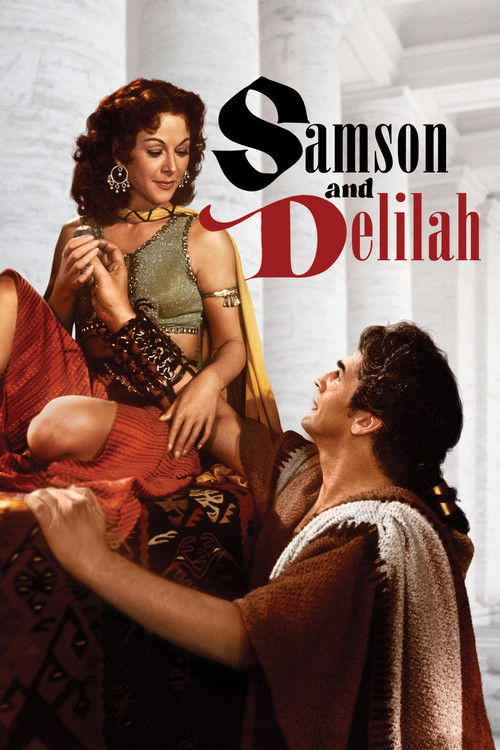
Samson and Delilah1949
DeMille again, with the same appetite for biblical spectacle, romance doomed by circumstance, and Technicolor excess. Hedy Lamarr and Victor Mature in a love story that destroys nations.
But The gender dynamics are uncomfortable by modern standards, and the pacing is leisurely to the point of draggy.
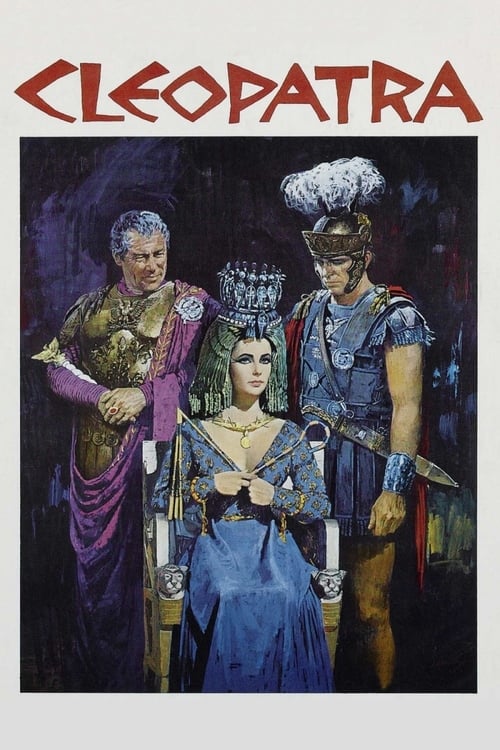
Cleopatra1963
The ultimate 1960s historical epic: Elizabeth Taylor, Richard Burton, four-hour runtime, and production budgets that bankrupted studios. If you want epic scope and star power, this is the apotheosis.
But It's nearly four hours of mixed-quality storytelling, and much of it feels overwrought rather than dramatically necessary.
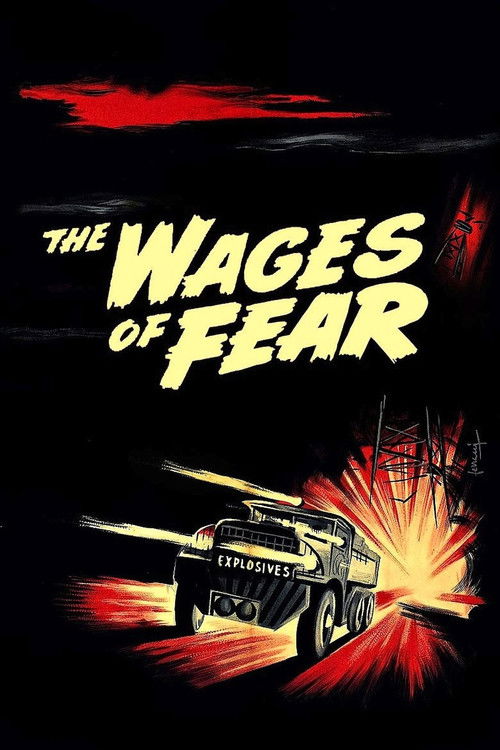
The Wages of Fear1953
Same lead actress, but exploring the emotional devastation of romantic betrayal without any of the mythological distance or grandeur that Helen of Troy uses to make passion romantic.
Rossana Podestà, your Helen, in an entirely different register: a German-Italian co-production psychological thriller about a marriage cracking under suspicion and infidelity. She's magnetic and tragic in a role that requires real dramatic depth.
But It's a chamber drama in black-and-white focused on marital deterioration and jealousy. If you want spectacle, you'll find none. If you want to see Podestà actually act, this is essential.
Night and Fog1956
Both films about ancient/historical war released simultaneously in 1956, but one treats conflict as romance and spectacle while the other insists we see what historical devastation actually costs. A pair that clarifies what each is doing.
Alain Resnais's 32-minute documentary about the Holocaust, made the same year as Helen of Troy. Its meditation on history, memorial, and how we process atrocity is the opposite of epic escapism but essential viewing about what it means to remember the past.
But It's a documentary about genocide with archival photographs of concentration camps. This is not entertainment. It requires silence and presence.
People
Cast
 Rossana PodestàHelen
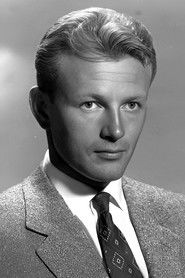 Jacques SernasParis
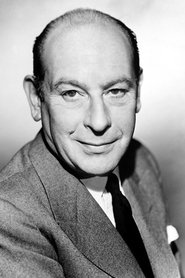 Cedric HardwickePriam
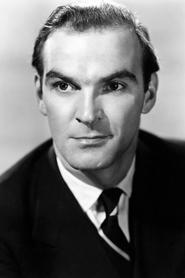 Stanley BakerAchilles
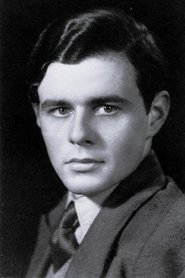 Niall MacGinnisMenelaus
 Nora SwinburneHecuba
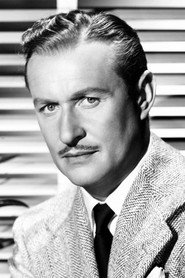 Robert DouglasAgamemnon
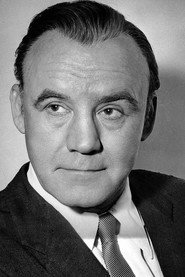 Torin ThatcherUlysses
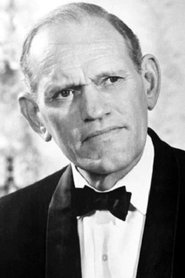 Harry AndrewsHector
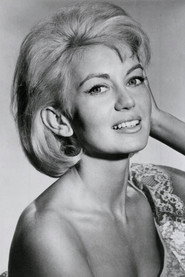 Janette ScottCassandra
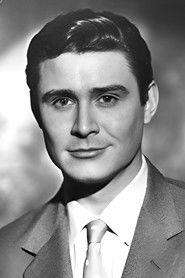 Ronald LewisAeneas
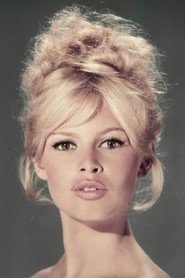 Brigitte BardotAndraste
Directing
- Robert WiseDirector
- Sergio LeoneSecond Unit Director
Writing
- Hugh GrayAdaptation
- N. Richard NashAdaptation
- HomerOriginal Story
- Hugh GrayScreenplay
- John TwistScreenplay
Production
- Robert LennardCasting
- Giuseppe De BlasioProduction Manager
- Maurizio Lodi-FèProduction Manager