
Film
The Greatest Show on Earth
Cecil B. DeMille's Best Picture winner is less a story than an event: real Ringling Bros. performers, three-ring Technicolor spectacle, a love triangle wrapped around trapeze rivalry, and a train wreck finale staged with genuine derailed cars. It's sincere, overstuffed old Hollywood showmanship — for viewers who want scale and pageantry more than subtlety, and who don't mind melodrama delivered at full volume.
If you liked this
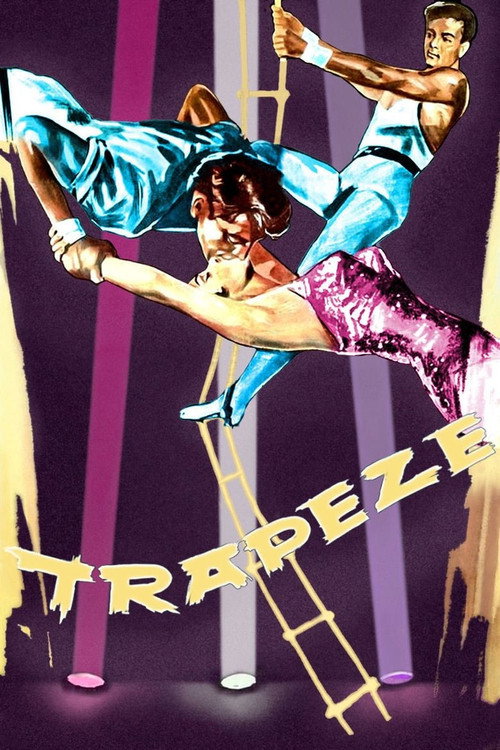
Trapeze1956
Lancaster and Curtis actually performed much of the aerial work themselves, and the mentor-student rivalry mirrors Holly and Sebastian's duel with real vertigo instead of studio back-projection.
But The romance is thinner than the acrobatics, and it never reaches for DeMille's circus-as-America pageantry.
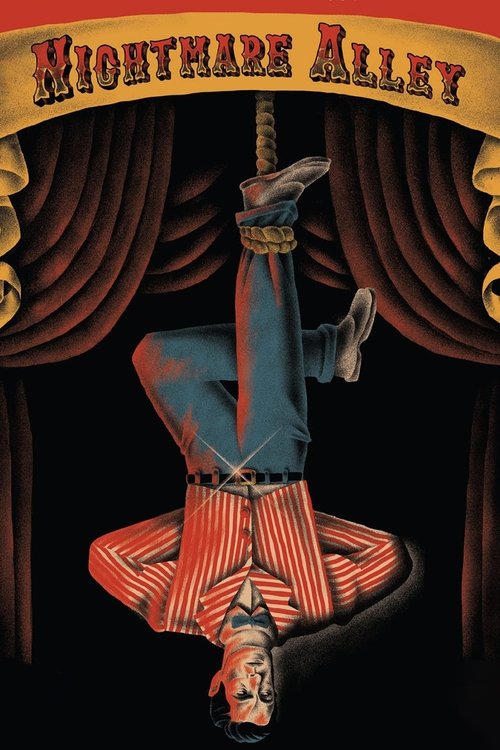
Nightmare Alley1947
Same traveling-show world stripped of Technicolor cheer — a carnival barker's rise and fall told as pure noir, with Tyrone Power cast brutally against type.
But Bleak where DeMille is buoyant; no elephants, no uplift, just moral rot under canvas.
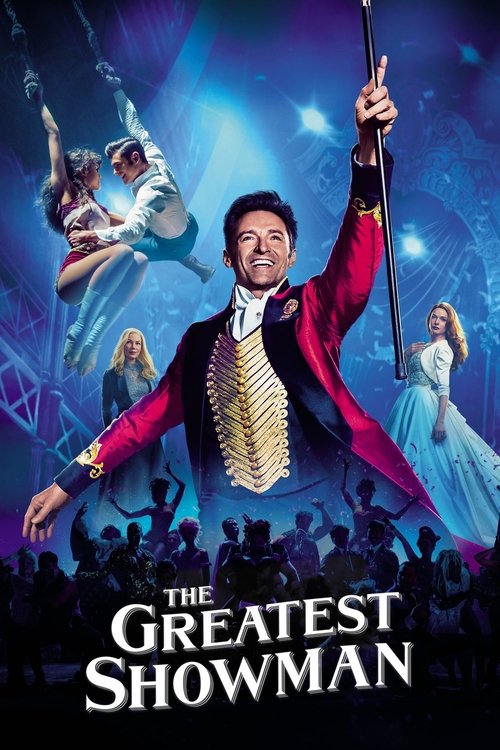
The Greatest Showman2017
If you loved the spectacle more than the plot, here's the modern musical answer — bright, brash, unapologetically sentimental about circus life as a found family.
But Historically dubious and emotionally simplistic; pure jukebox-musical sugar rather than DeMille's earnest sprawl.
The wildcard
Something you would not have found on your own.
The Circus1928no page yet
Both films use a clown's hidden grief as their emotional core — Chaplin's Tramp and Stewart's Buttons are the same wounded figure, decades and an entire medium apart.
Chaplin's silent comedy is set entirely inside a traveling circus and built on the same idea DeMille dramatizes decades later — the performer's private sorrow hidden behind the public smile, played out by Chaplin himself.
But Silent and slight where DeMille is loud and vast; no Technicolor, no elephants, just one man on a tightrope.
More like this (8)
Water for Elephants2011no page yet
A Depression-era circus romance with the same love-triangle-under-canvas structure, plus a genuinely dangerous elephant and a story about what the big top hides from the crowd.
But Glossier and more restrained; the melodrama here is quieter, closer to backdrop than spectacle.
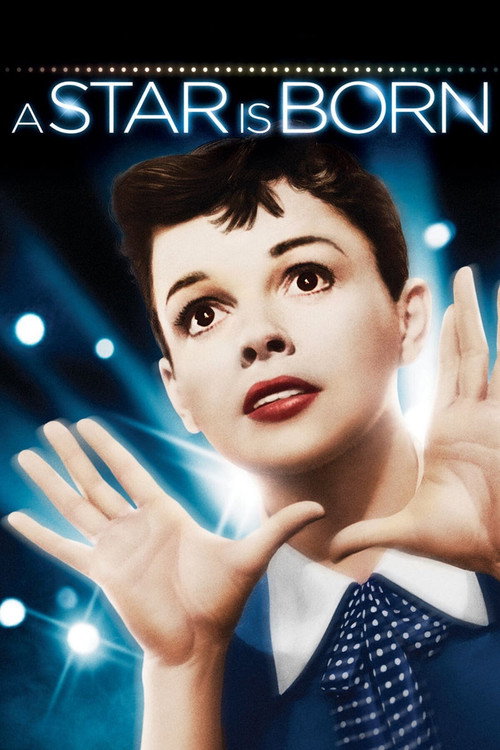
A Star Is Born1954
Another backstage epic about ambition and sacrifice under the lights, anchored by a Judy Garland performance as towering as anything DeMille staged under a big top.
But Musical showbiz tragedy rather than circus thrills; no trapeze, no lions, considerably more heartbreak.
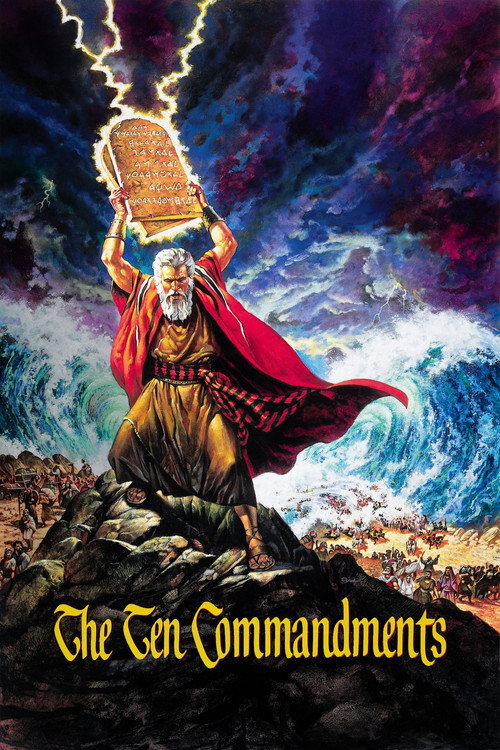
The Ten Commandments1956
DeMille's other, even bigger spectacle — the same director's conviction that sheer scale is a virtue, with the same appetite for Technicolor pageantry and moral simplicity.
But Three and a half hours of biblical spectacle; if the circus felt long, this one tests real patience.
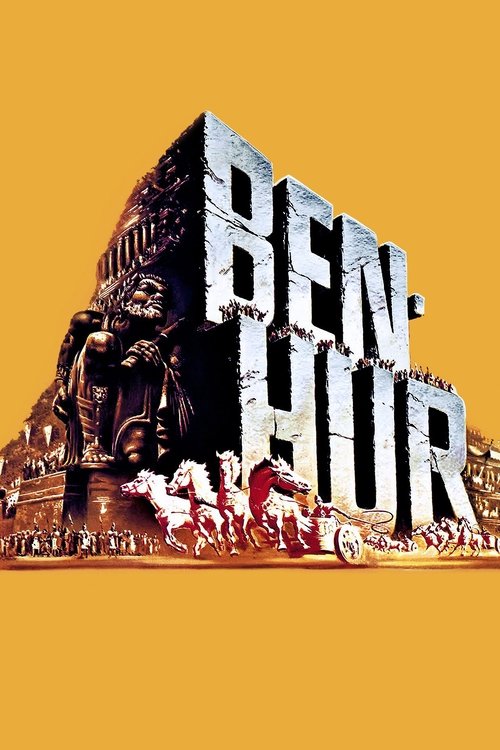
Ben-Hur1959
Charlton Heston again at the center of a colossal, star-studded, practically-staged spectacle, with the chariot race delivering the same white-knuckle showmanship as any circus act.
But Religious epic scope rather than showbiz melodrama; a very different kind of grandeur, and even longer.
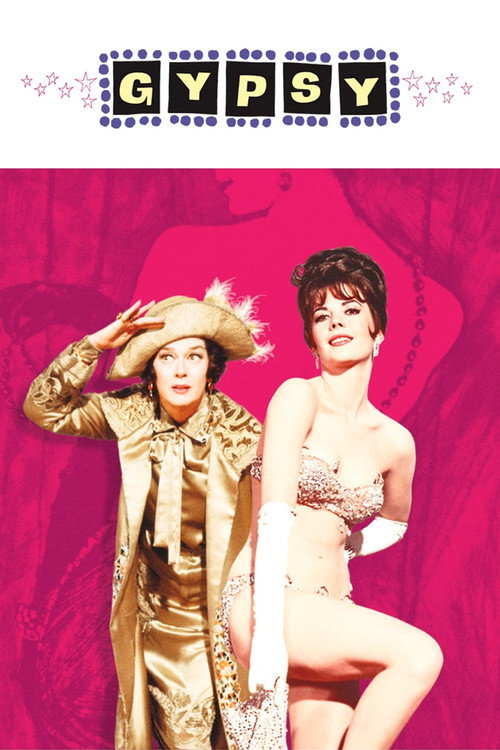
Gypsy1962
A backstage showbiz story with the same push-and-pull between ambition and love, following a mother pushing her daughters into the spotlight instead of a manager pushing his troupe.
But Broadway musical energy, not circus spectacle; more about stage mothers than lion tamers.
The Big Circus1959no page yet
A shameless, lesser-known circus disaster picture with saboteurs, star power, and every big-top cliché DeMille popularized, played completely straight and gloriously overcooked.
But Thinner script and a lower budget; the earnestness DeMille earns can look silly here.
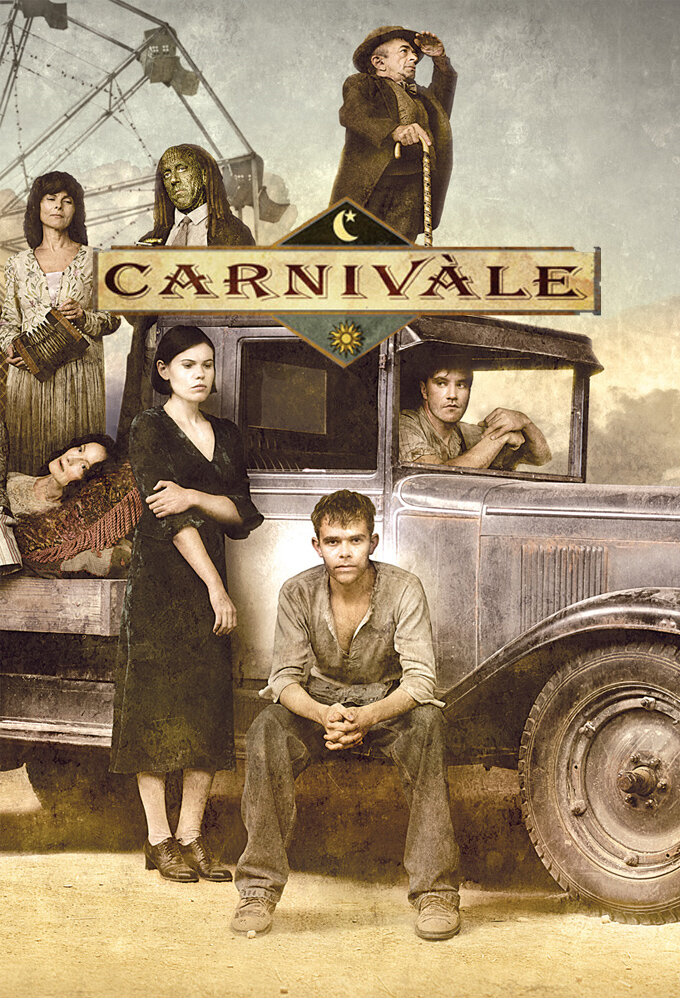
Carnivàle2003
Same American mythology of the traveling show as a self-contained world where performers conceal who they really are — DeMille plays it as melodrama, this plays it as dread.
A Depression-era traveling carnival full of freaks and grifters, stretched over two seasons into a slow-burning supernatural mystery about identity hidden under canvas.
But Cancelled mid-story on a cliffhanger, and its brooding pace is the exact opposite of DeMille's relentless momentum.
Sawdust and Tinsel1953no page yet
Nearly identical plot machinery — manager, performer, rival lover, public humiliation in the ring — used to ask the question DeMille never does: what this life actually costs the people living it.
Released the same year, Bergman's film is also a circus love triangle between a ringmaster, his mistress, and a rival — but told as bruising psychological tragedy instead of Technicolor triumph.
But Cold, humiliating, unrelentingly bleak — everything DeMille's crowd-pleasing spectacle refuses to be.
People
Cast
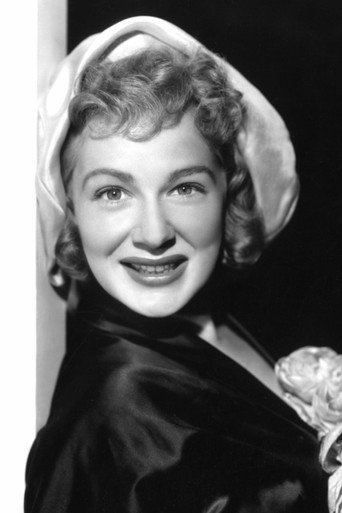 Betty HuttonHolly
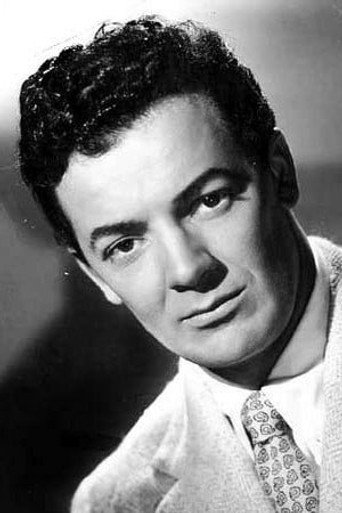 Cornel WildeThe Great Sebastian
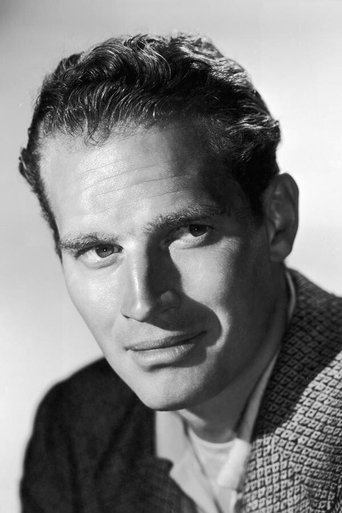 Charlton HestonBrad Braden
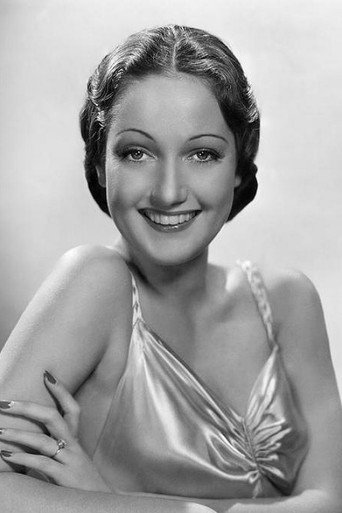 Dorothy LamourPhyllis
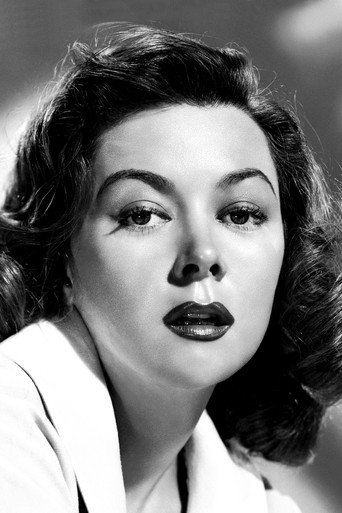 Gloria GrahameAngel
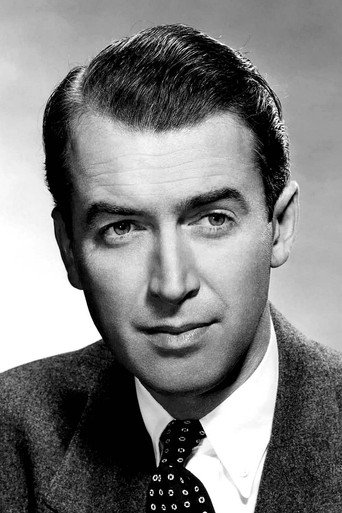 James StewartButtons
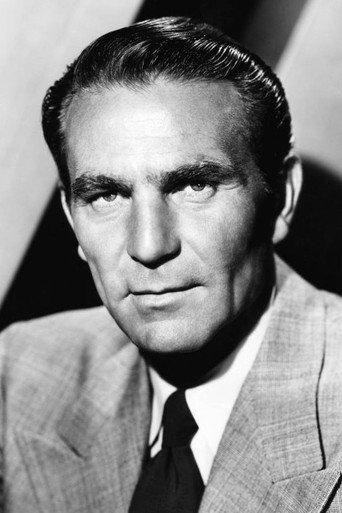 Henry WilcoxonAgent Gregory
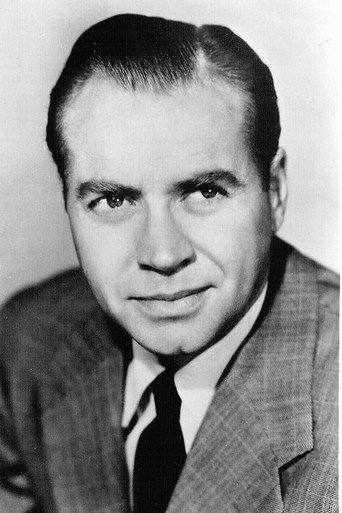 Lyle BettgerKlaus
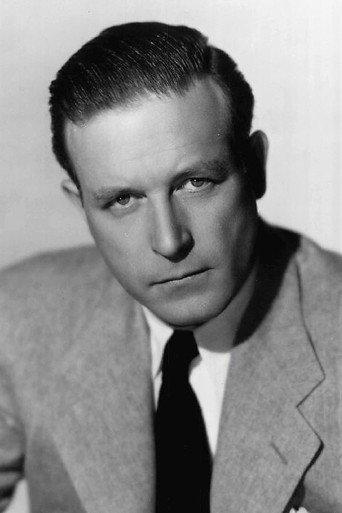 Lawrence TierneyMr. Henderson
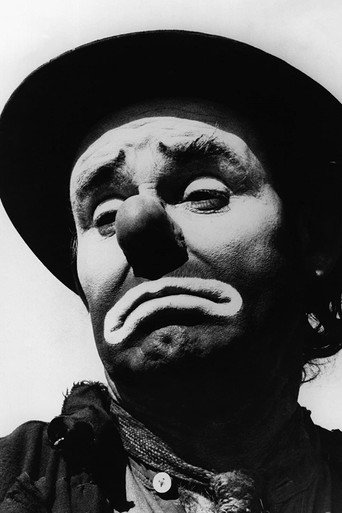 Emmett KellyEmmett Kelly
- CucciolaCucciola
- Antoinette ConcelloAntoinette Concello
Directing
- Edward SalvenAssistant Director
- Cecil B. DeMilleDirector
- Arthur RossonSecond Unit Director
Writing
- Barré LyndonScreenplay
- Fredric M. FrankScreenplay
- Theodore St. JohnScreenplay
- Frank CavettStory
- Fredric M. FrankStory
- Theodore St. JohnStory
Production
- Henry WilcoxonAssociate Producer
- Cecil B. DeMilleProducer