
Film
Vaudeville
Other titles called Vaudeville: the 1992 film.
- Light-hearted
A joyful archive-diving documentary that uses surviving footage, photographs, and performance clips to resurrect vaudeville's anarchic golden age. Ben Vereen guides you through the circuit's greatest acts—comedians, acrobats, singers, magicians—with genuine wonder. It's a love letter to a lost American art form, and watching these grainy clips feels like unearthing buried treasure.
Should you watch it?
Watch it if you love the backstage side of old performance, the sight of forgotten stage faces and routines, and don't mind a history lesson stitched together from clips and photographs.
Skip it if your interest in vintage stage entertainment is casual, since two hours of clips and talking heads can feel like a long scrapbook with little momentum.
What it asks of you: Two hours of faded footage and grainy stills, unfolding at an unhurried pace shaped by archive material rather than dramatic build.
Not sure? Find tonight's pick in a minute.
If you liked this
Singin' in the Rain1952
The greatest musical ever made, brimming with the same joy and variety that made vaudeville irresistible. Gene Kelly's exuberance captures the spirit of the performers you'll see documented here.
But It's a Hollywood fantasy, not the rough-and-tumble reality of actual touring circuits. Three hours if you watch the restored version.

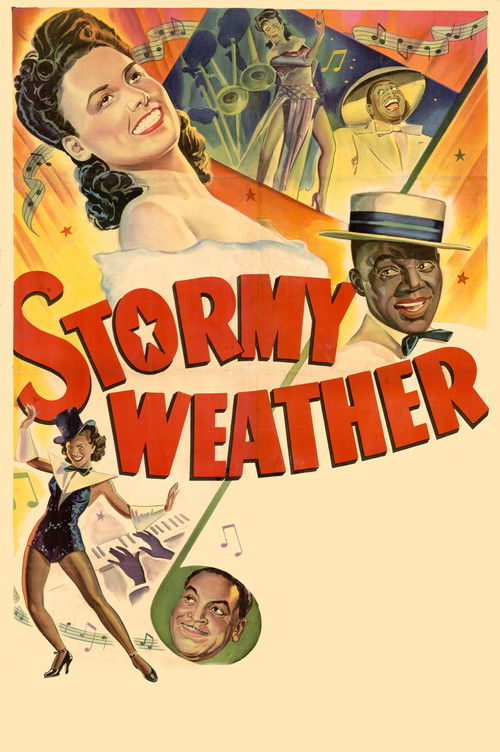
Stormy Weather1943
A nearly all-Black cast performing song, dance, and comedy with dazzling variety and style. It's vaudeville filmed, with Lena Horne, Bill 'Bojangles' Robinson, and Fats Waller at their peak.
But The plot is thin and the racial context uncomfortable. Some numbers drag. It's a revue, not a narrative.
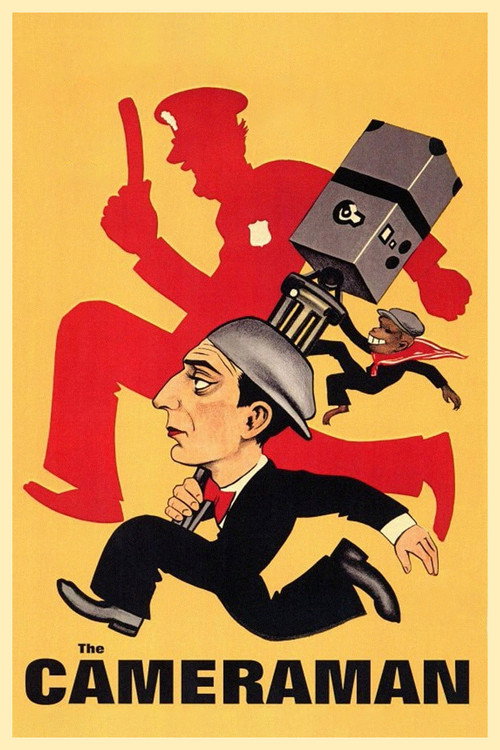
The Cameraman1928
Buster Keaton's silent masterpiece shows vaudeville's physical comedy at the highest level. Wordless, purely visual gags executed with mathematical precision. Essential viewing.
But Silent film moves slowly if you're not accustomed to it. Keaton's stone face takes adjustment.
Not sure tonight? Get a pick in a minute, starting from Vaudeville
The wildcard
Something you would not have found on your own.
La Haine1995
Both rely on the collision of different registers and tempos to create meaning. Vaudeville shuffled sketch to song to acrobatics; La Haine shuffles between comedy, dread, and brutality. Form itself as argument.
A French film shot in black-and-white about three young men in the Paris suburbs. It has nothing to do with vaudeville but everything to do with performance—these characters are performing identity, survival, bravado. The energy, the precision, the variety of rhythms mirrors vaudeville's frenetic style applied to a completely different register.
But It's bleak, violent, and angry. Utterly serious. No warmth or joy. In French with subtitles.

More like this (8)
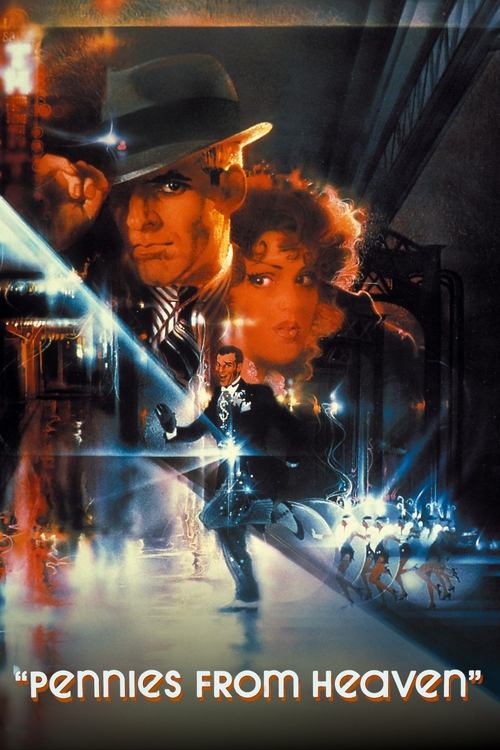
Pennies from Heaven1981
Bob Fosse's dark, gorgeous musical about Depression-era dancers and the fantasy of vaudeville as escape. It captures both the magic and the desperation of performance.
But It's bleak and sexually explicit. The fantasy sequences won't land if you're not in the mood for something uncompromising and strange.
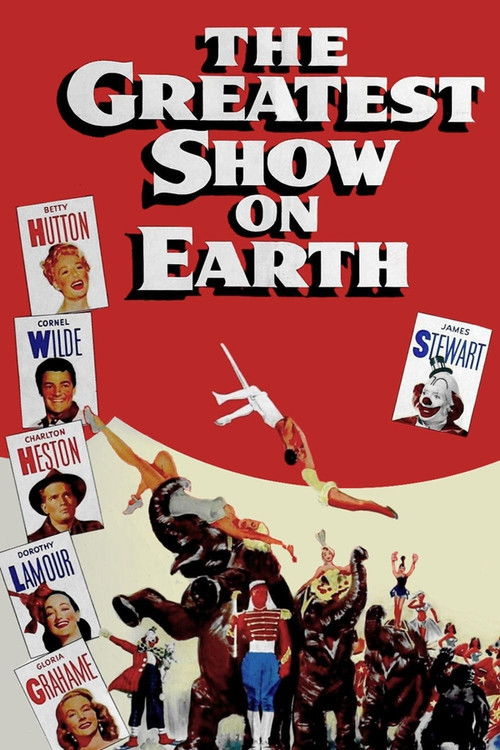
The Greatest Show on Earth1952
DeMille's sprawling circus epic has the same multi-ring variety appeal—acrobats, animal acts, danger, spectacle. It's vaudeville's spiritual cousin, just under a tent.
But It's long and melodramatic. The story is corny. Cecil B. DeMille is not subtle.
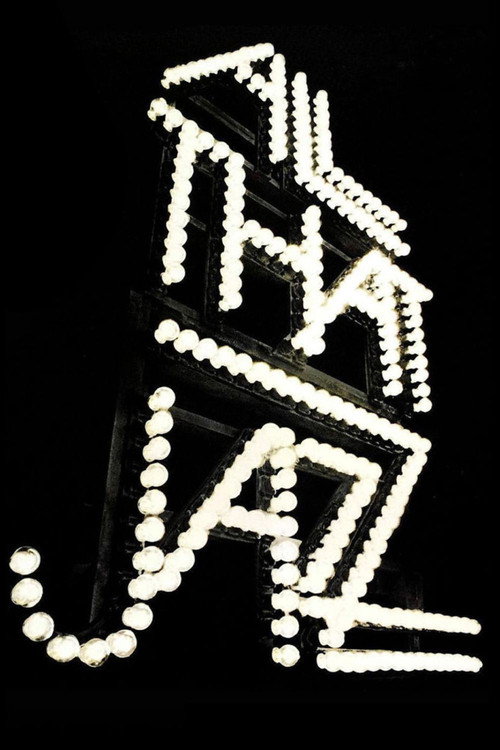
All That Jazz1979
Fosse again, but focused on the theatrical tradition itself—the obsession, the bodies breaking down, the hunger to entertain. It's vaudeville's DNA in a modern body.
But Extremely dark and self-destructive. If you want celebration, not dissection, look elsewhere.
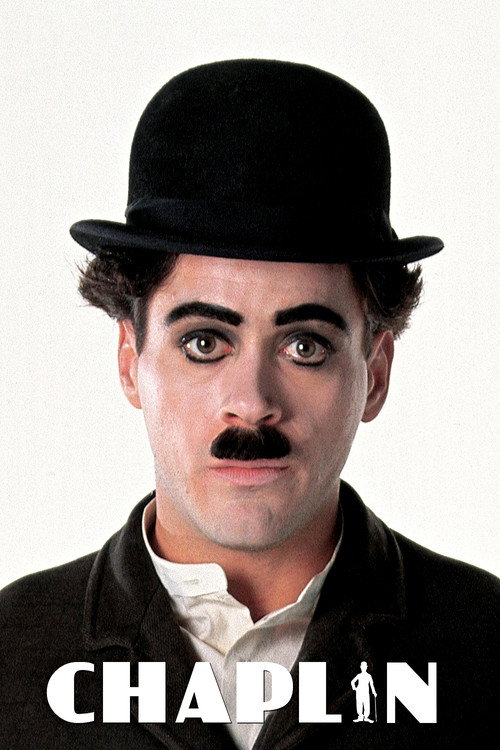
Chaplin1992
Richard Attenborough's biography of Charlie Chaplin, perhaps the greatest vaudeville performer who ever lived, and his journey from music hall to silent film.
But Biopics are formulaic, and this one is long. Doesn't capture what made Chaplin's performances magical.
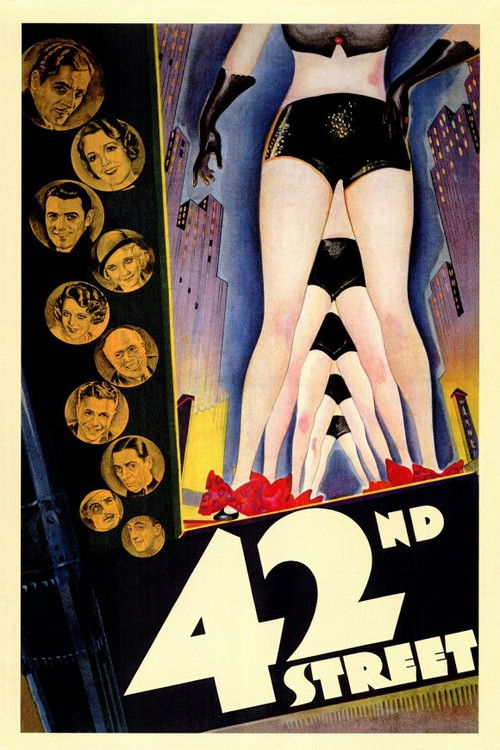
42nd Street1933
A Depression musical about putting on a show, with tap dancing that electrifies and an infectious energy about the theatre itself. Pure vaudeville spirit translated to Broadway.
But It's a backstage cliché. The plot is paper-thin. If you want substance, the musical numbers are why you're here.
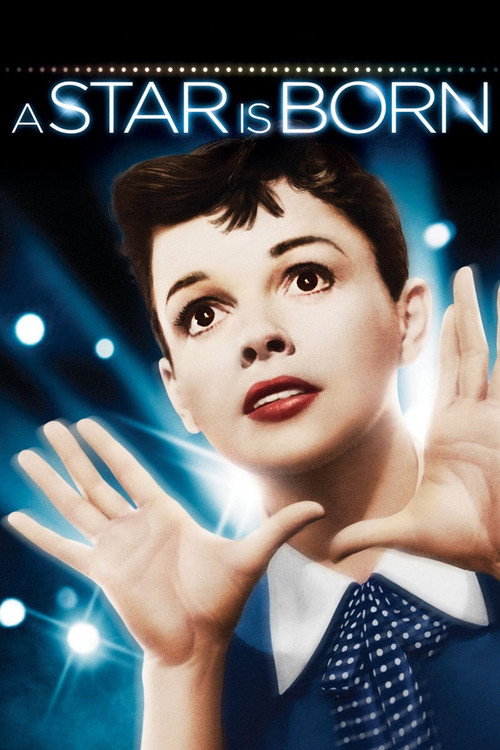
A Star Is Born1954
Judy Garland and James Mason in Cukor's masterpiece about ambition and performance. The vaudeville circuit appears as backdrop to a story about what show business does to people.
But It's three hours. Melodramatic. The musical numbers are interludes to a domestic tragedy.
The Phantom Carriage1921
Both are about trying to cram infinity into a finite frame using available tools. Vaudeville used bodies and variety; Bergman uses photographic manipulation. Same hunger to dazzle.
A Swedish silent ghost story by Ture Bergman that uses every cinematic trick available—double exposure, intercutting, visual metaphor—with the same inventive energy that drove vaudeville performers to constantly surprise and astonish.
But It's a 1921 silent film. Requires patience and adjustment. The narrative is melodramatic and the pacing glacial by modern standards.

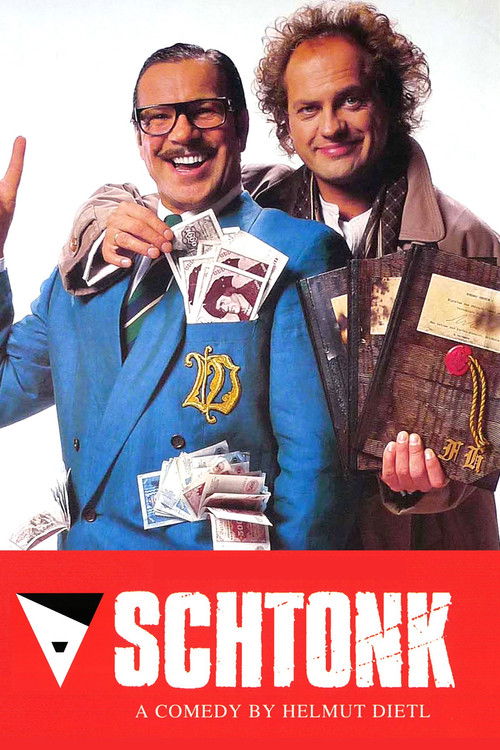
Schtonk!1992
Both are pure entertainment engines indifferent to whether the audience understands the through-line. Vaudeville didn't care if you arrived mid-show. Schtonk! doesn't care if you're lost—just laugh.
A chaotic German farce about Hitler Diaries forgery. Frenetic, absurd, full of slapstick and misdirection. It's vaudeville as feature film—a two-hour joke machine with no interest in sincerity or plot logic.
But It's deliberately silly and trivial. Structurally it's a mess. If you want substance or narrative coherence, this will infuriate you. Obscure for a reason.
People
Cast
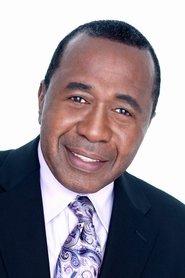 Ben VereenNarrator
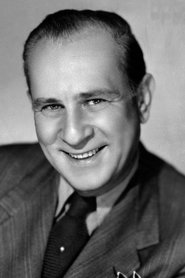 Bud AbbottSelf (archive footage) (as Abbott & Costello)
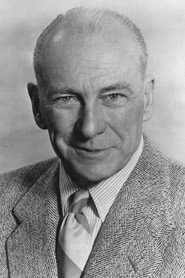 George AbbottSelf
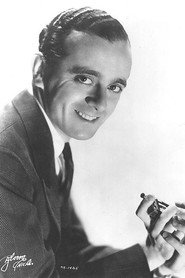 Larry AdlerSelf
- Hadji AliSelf (archive footage)
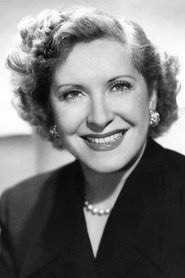 Gracie AllenSelf (archive footage)
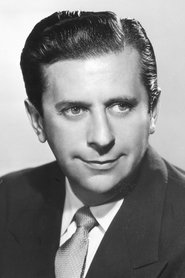 Morey AmsterdamSelf
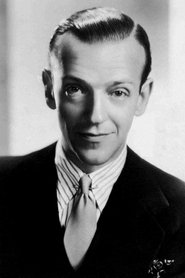 Fred AstaireSelf (archive footage)
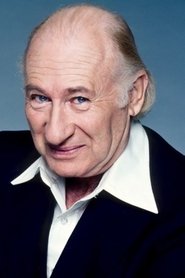 Carl BallantineSelf
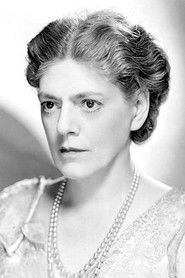 Ethel BarrymoreSelf (archive footage)
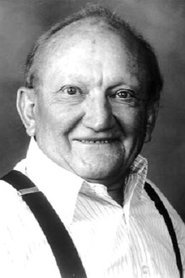 Billy BartySelf
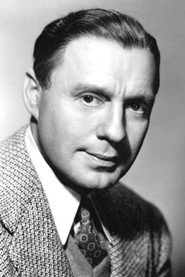 Jack BennySelf (archive footage)
Writing
- Greg PalmerWriter