
Film
Schtonk!
A rambunctious German farce about the 1983 Hitler Diaries scandal, when Stern magazine published forged volumes with enormous fanfare before the hoax unraveled. Schtonk! skewers the greed, ambition, and willful blindness that made the fraud possible, disguising real people as cartoonish characters. It's wildly funny, anarchic, and genuinely smart about how we deceive ourselves.
Should you watch it?
Watch it if you enjoy farce that treats gullible institutions and grubby opportunists as the real comedy, and you can laugh at a sore national subject without it going soft.
Skip it if you want a tight, fast plot, since this is a loose, sprawling satire that leans hard on broad performances and bitter irony.
What it asks of you: Settle in for a little under two hours of brisk, escalating scenes, where the comic mood sharpens steadily and the laughs get more uneasy as the scheme swells.
Not sure? Find tonight's pick in a minute.
If you liked this
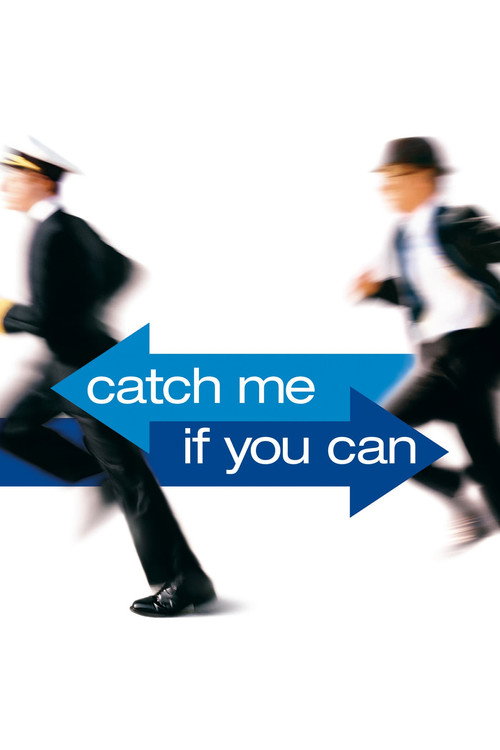
Catch Me If You Can2002
Steven Spielberg's elegant con-artist thriller about a real forger and the FBI agent pursuing him. Like Schtonk!, it finds dark comedy and tragedy in the psychology of fakery, though with more glamour and less chaos.
But Spielberg's restraint can feel distant compared to the German film's rowdy energy. The con is smoother, the stakes feel less urgent.
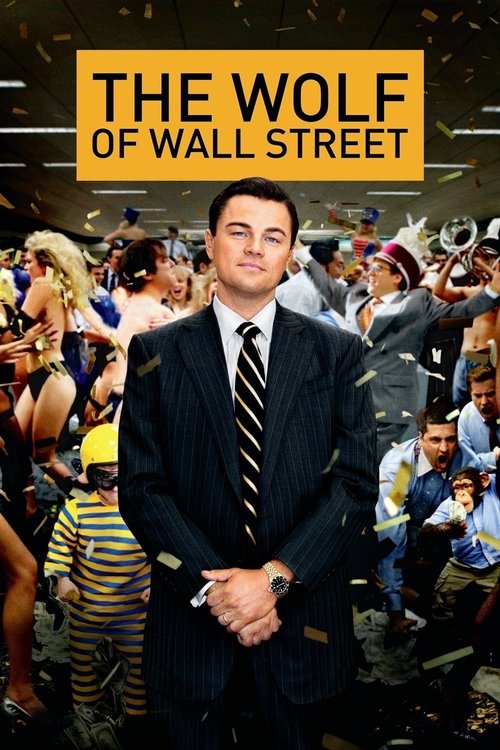
The Wolf of Wall Street2013
Scorsese's roaring satire of greed and delusion among men who lie for a living. That same infectious chaos, the same sense of watching intelligent people corrupt themselves for profit, the same dark glee in their unraveling.
But It's nearly three hours and considerably darker. The excess can start to feel thin if you don't buy into its moral argument.
Spotlight2015
An ensemble of journalists unpicking a massive institutional lie. Like Schtonk!, it shows how institutions enable fraud through carelessness and complicity—but as procedural drama rather than farce.
But The tone is grave and methodical. If you want the rollicking chaos of Schtonk!, this is the serious sibling who lectures at dinner.

Not sure tonight? Get a pick in a minute, starting from Schtonk!
The wildcard
Something you would not have found on your own.
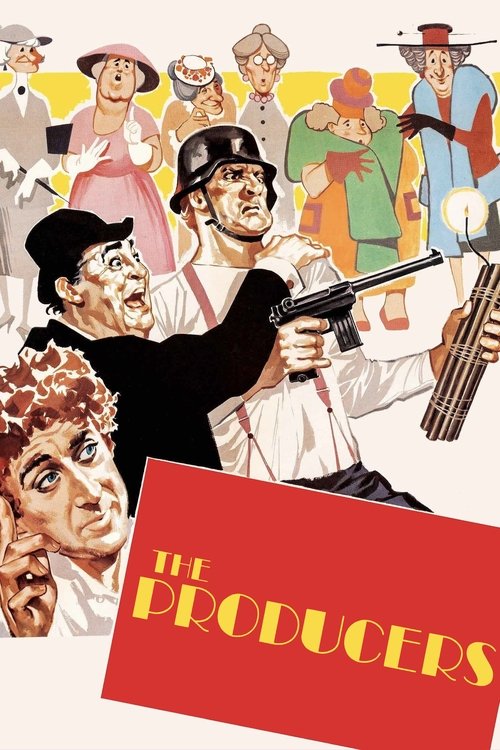
The Producers1968
Both films weaponize comedy against systems of power by showing how easily they're fooled. Both find the farce already built into bureaucratic failure.
Mel Brooks's original about two con men trying to produce a deliberately bad musical called "Springtime for Hitler." It's the ancestral text for comedies about fraud, bad faith, and institutions that fail to catch obvious lies. The same anarchic energy, the same moral ambiguity about whether the crook or the system is worse.
But It's from 1967, so the pacing is slower and some of the sexual comedy feels dated. The Hitler references, though meant satirically, are relentless in a way that can read as adolescent.
More like this (8)
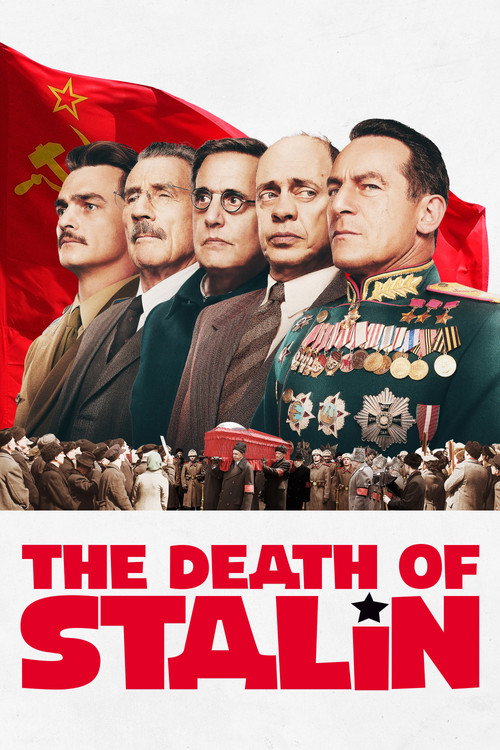
The Death of Stalin2017
Armando Iannucci's black-comedy takedown of Soviet bureaucracy and the lies men tell to seize power. Gallows humour, rapid-fire dialogue, officials destroying themselves through ambition. The DNA is similar.
But It's in black and white and demands you keep up with overlapping conversations. The satire is very sharp—which means it's not always easy.
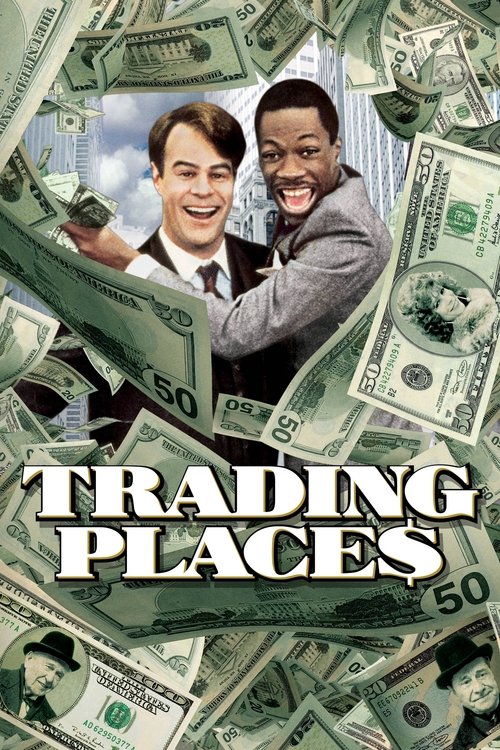
Trading Places1983
John Landis's con-artist comedy about two men switching lives as a wager. That same screwball momentum, the same pleasure in watching schemes spiral, the same affection for rogues.
But It's lighter, more frothy, less politically engaged. If you want substance with your slapstick, this might feel slight.
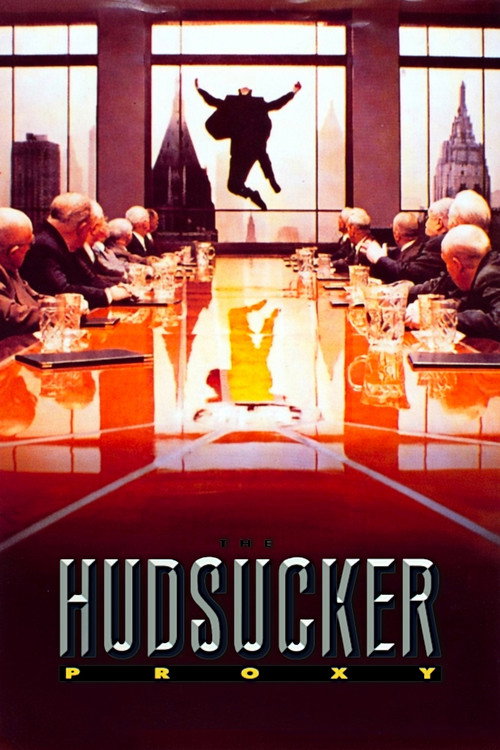
The Hudsucker Proxy1994
The Coen Brothers' dazzling farce about boardroom fraud and the ambitious nobody who gets caught in it. Gorgeously shot, verbally dense, and genuinely hilarious about institutional delusion.
But It's stylized to the point of artificiality. The plot matters less than the texture, which isn't everyone's cup of tea.
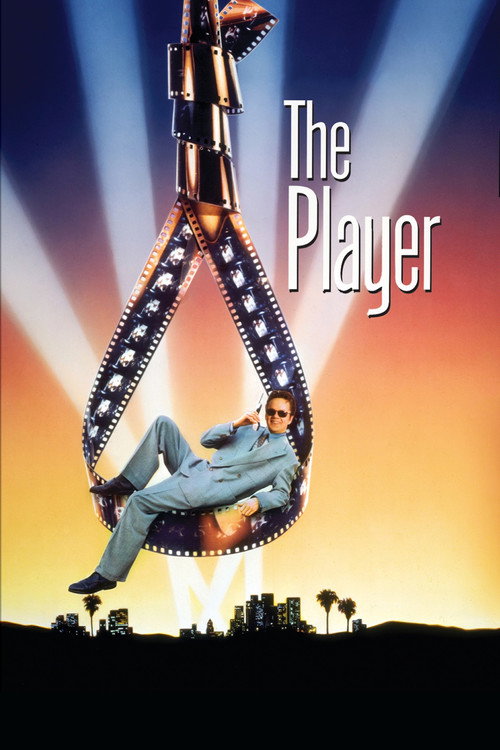
The Player1992
Robert Altman's Hollywood satire from the same year as Schtonk!. A studio executive murders a screenwriter and gets away with it. Savage about entitlement, complicity, and the way power protects itself.
But It's cynical in a way that can feel exhausting. The film doesn't offer much mercy, and some viewers find that cold.
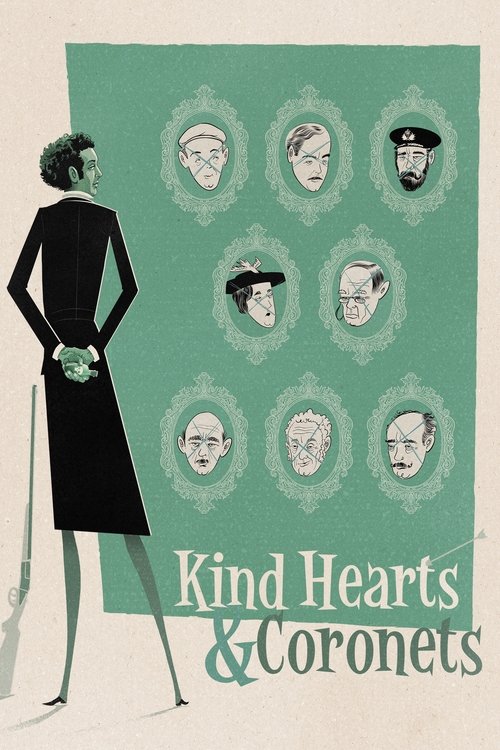
Kind Hearts and Coronets1949
Ealing's delicious comedy about a man murdering his way through an inheritance, playing multiple roles. It has that same amoral energy, the same delight in watching civilization unravel.
But It's from 1949 and moves at a different pace. The humor is drier and more restrained than modern farce.
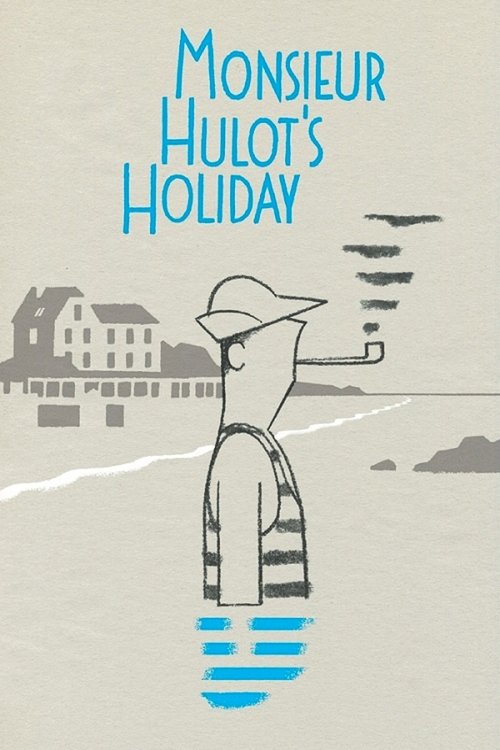
Monsieur Hulot's Holiday1953
Jacques Tati's brilliant physical comedy about a bumbler on vacation whose mere presence creates chaos everywhere. Different in tone but shares Schtonk!'s love of ensemble confusion and society's fragility.
But There's almost no dialogue and the comedy is deliberately subtle. If you want obvious jokes and plot momentum, this will feel slow and oblique.
The Seventh Seal1957
Both are German (or Scandinavian) responses to German history. One makes you laugh at the inability to face the past; the other shows what faces it seriously. They're inverse approaches to the same trauma.
Bergman's austere masterpiece about a knight playing chess with Death during the Black Plague. Completely different in tone and register from Schtonk!, but it too is about Germans confronting historical horror through art. Where Schtonk! uses chaos and laughter, Bergman uses silence and dread—but both films refuse to look away from the abyss.
But It's glacially paced, in Swedish, and philosophically dense. If you want entertainment rather than existential weight, this will feel punishing.

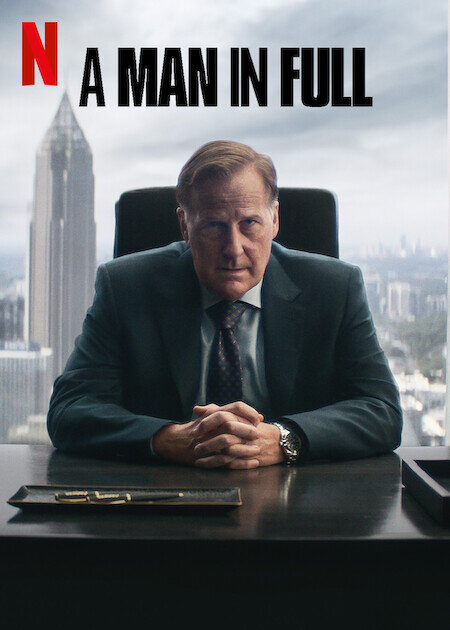
A Man in Full2024
Both films/shows treat fraud as a symptom of a diseased society. The forger or con man isn't the real problem—the system that rewards fakery is. Both ask: who's actually lying here?
Jeff Daniels in a limited series about a real-estate mogul's catastrophic con, adapted from Tom Wolfe's novel. It has Schtonk!'s ensemble chaos and its bitter comedy about powerful men who are fundamentally hollow, but it's contemporary and American. A portrait of fraud as personality disorder rather than calculated plan.
But It sprawls across six hours and the tone shifts unpredictably. Some viewers find the bleakness exhausting and the ending unsatisfying.
People
Cast
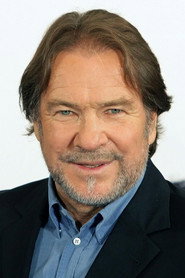 Götz GeorgeHermann Willié
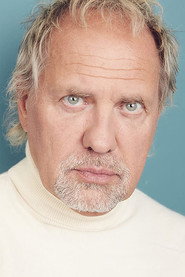 Uwe OchsenknechtFritz Knobel
 Christiane HörbigerFreya von Hepp
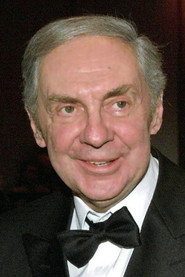 Harald JuhnkePit Kummer
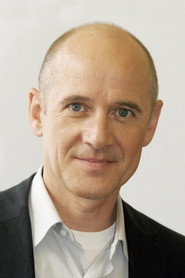 Ulrich MüheDr. Wieland
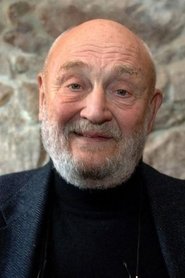 Rolf HoppeKarl Lentz
 Dagmar ManzelBiggi
 Veronica FerresMartha
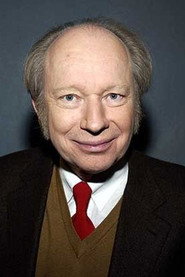 Hermann LauseKurt Glück
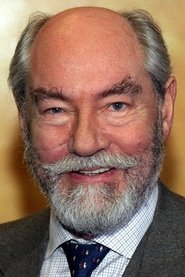 Martin BenrathUwe Esser
 Georg MarischkaVon Klantz
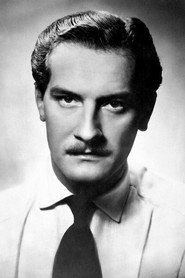 Karl SchönböckAugust Strasser
Directing
- Helmut DietlDirector
Writing
- Helmut DietlScreenplay
- Ulrich LimmerScreenplay
Production
- Günter RohrbachProducer
- Helmut DietlProducer
Recommended by
Vaudeville, The Fortunes and Misfortunes of Moll Flanders, Showboat