
Film
The Hudsucker Proxy
The Coen Brothers' audacious homage to 1930s screwball comedies and film noir. A guileless business-school dreamer is placed atop a major corporation as part of a scheme to tank its stock. Shot in monochrome and geometric shadows, it's visually operatic—part slapstick, part cynicism, wholly committed to its own heightened reality. For those who love artifice, wordplay, and Tim Robbins' physical comedy.
Should you watch it?
Watch it if you love screwball comedies that borrow the rat-a-tat dialogue and art-deco sheen of 1930s pictures, and enjoy a mischievous, slightly surreal sense of play with the machinery of old Hollywood.
Skip it if you want a tight, plot-driven comedy, since this one wanders through its fast-talk and set pieces with a deliberately stylised, cartoonish manner that some will find wearying.
What it asks of you: Quick ears and a tolerance for heightened storybook artifice, since rapid overlapping banter carries it briskly through just under two hours with little room for emotional slack.
Not sure? Find tonight's pick in a minute.
If you liked this
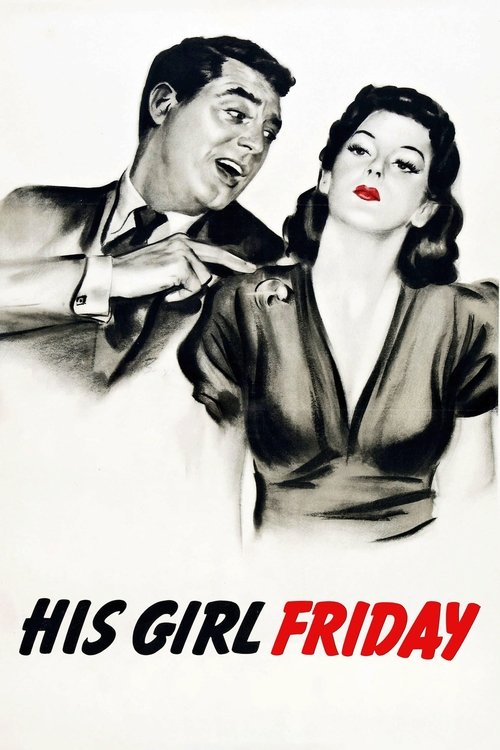
His Girl Friday1940
The spiritual ancestor: a newspaper editor and his ex-wife navigate screwball chaos, rapid-fire dialogue, and workplace scheming with the same energy and moral flexibility. If you loved Hudsucker's rhythm and ethics, this is the source.
But It moves at a breakneck pace that can feel exhausting, and the 1940 attitudes toward women—even in a screwball setting—land differently now.
Singin' in the Rain1952
Pure visual joy and theatrical excess. Like Hudsucker, it's a film that loves being a film, full of color and movement and the kind of technical audacity that makes you grin just watching the camera move.
But If you're looking for emotional realism or modern pacing, this is all style and spectacle. Some find the sweetness cloying.

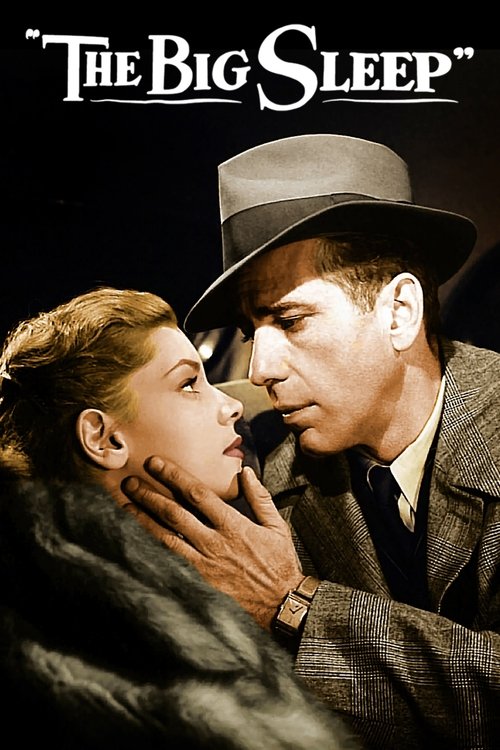
The Big Sleep1946
Humphrey Bogart and Lauren Bacall navigate a plot so tangled it barely matters—what matters is the chemistry, the banter, and the sense of style as moral content. Hudsucker has that same jazz-like willingness to prioritize mood over coherence.
But The plot is genuinely hard to follow, and Bacall's character exists partly as a romantic prize. Neither ages well.
Not sure tonight? Get a pick in a minute, starting from The Hudsucker Proxy
The wildcard
Something you would not have found on your own.
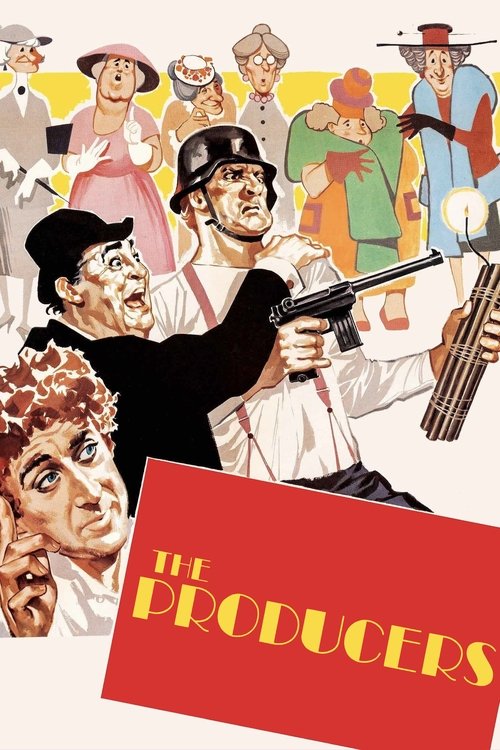
The Producers1968
Both films orbit the same central paradox: a scheme so baroque and theatrical it becomes more honest than sincerity. Both are about men who accidentally reveal something true through elaborate fakery.
Mel Brooks' debut: a hapless schemer and a mousy accountant launch a deliberately bad Broadway show to embezzle investment money. It shares Hudsucker's absurdist logic—the scheme is so ridiculous it almost works—and its giddy belief that artifice is the point.
But The humor is cruder and broader than Hudsucker, with some jokes about Nazis and gayness that land badly now. It feels like a stage play transferred to film, not a film.
More like this (8)
Ghostbusters1984
An ensemble comedy where likable underdogs are brilliant at their weird job, the dialogue crackles, and production design matters as much as the jokes. It shares Hudsucker's belief that style and substance aren't enemies.
But The comedy is very 80s—some dated references, some broad physical humor that doesn't always land. It's less formally audacious than Hudsucker.

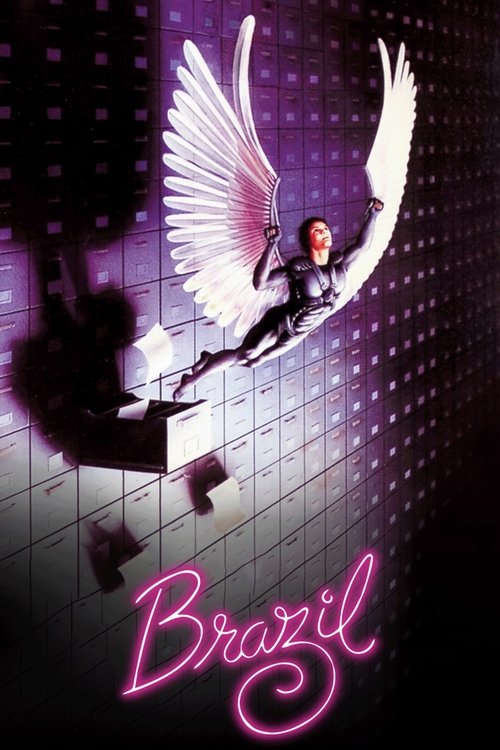
Brazil1985
Terry Gilliam's baroque dystopia: bureaucratic nightmare meets romance, all in a world where form and function are beautifully, grotesquely broken. Like Hudsucker, it's a film that trusts visual language to carry the story.
But It's darker and more bleak than Hudsucker, and significantly less funny. Some find Gilliam's excess self-indulgent rather than purposeful.
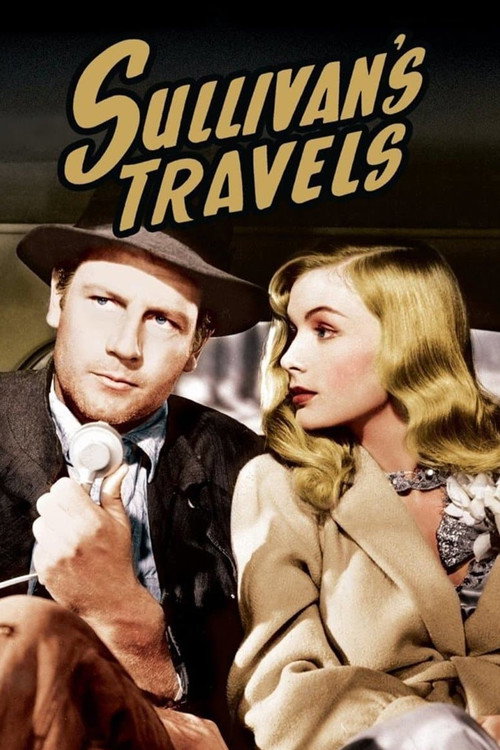
Sullivan's Travels1941
Preston Sturges' masterpiece about a comedy director who wants to make serious art, and discovers comedy *is* serious art. Hudsucker thinks about cinema this way—as a moral and emotional vehicle, not just entertainment.
But The tonal shift from comedy to genuine darkness is jarring. Some viewers resent the preachiness of the second half.
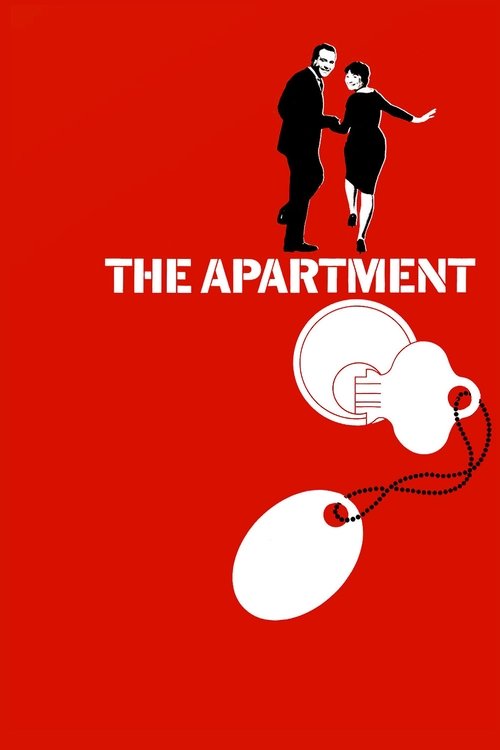
The Apartment1960
Jack Lemmon as a corporate nobody caught in office scheming and romance. It has Hudsucker's heart—the decent person out of place in an indecent system—but grounds it in real loneliness and compromise.
But It's sentimentality adjacent; the gender politics are their era's, not progressive. It can feel like it's asking for tears rather than laughter.
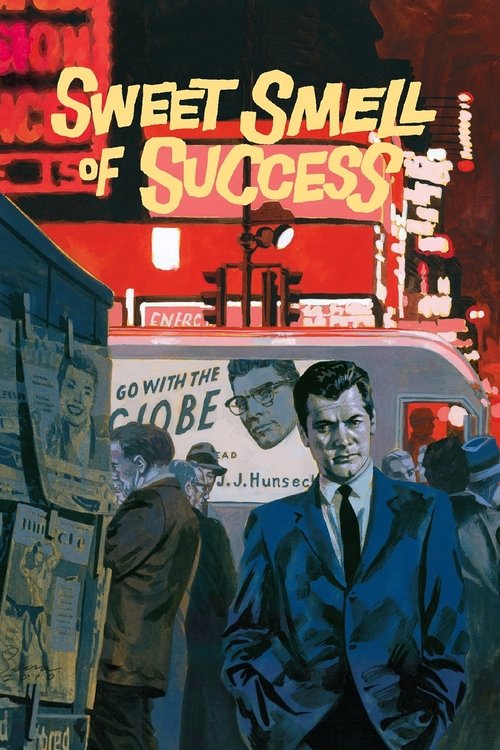
Sweet Smell of Success1957
Cynical, beautifully composed noir where every character is corrupt and the dialogue is so acidic it could burn paper. If you love Hudsucker's moral ambiguity and its faith in visual storytelling, this is the dark version.
But There are no heroes here, just degrees of villainy. It's stylish but suffocating, and some find it tedious.
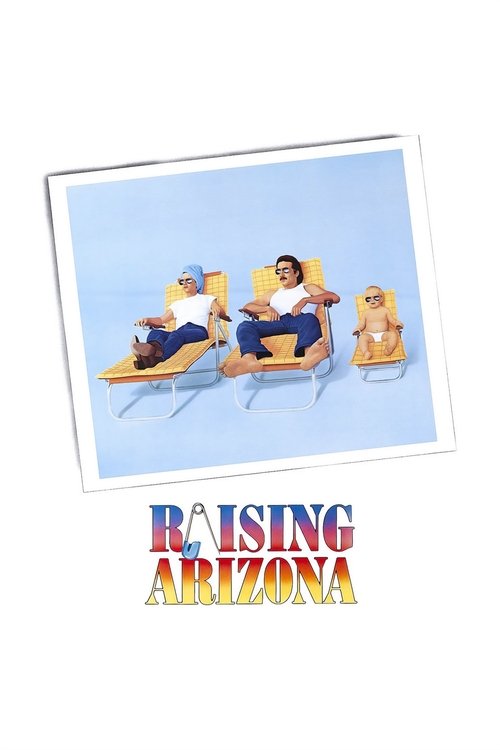
Raising Arizona1987
Early Coen Brothers: a tone that shifts between comedy and tenderness, a naive protagonist in a ridiculous situation, and a commitment to visual excess as character. It's lighter than Hudsucker but shares its DNA.
But Nicolas Cage's performance is deliberately mannered and exhausting. The plot is thin, and the humor is often very weird.
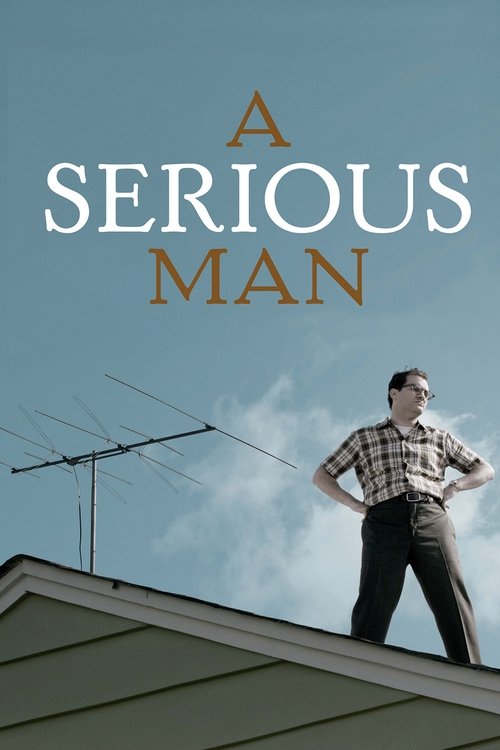
A Serious Man2009
Same filmmakers, same world—a vision of American business where sincerity is impossible and style is all that remains. Hudsucker is the comic version; this is the tragic one.
The Coen Brothers' own film about a man in a corporate job spiraling into absurdity while everyone around him speaks in riddles and corporate platitudes. It's what Hudsucker looks like when it stops being a celebration and starts being a lament.
But It's bleak and circular with no catharsis. There's no payoff, no triumph, and the tone is alienation disguised as dark comedy.
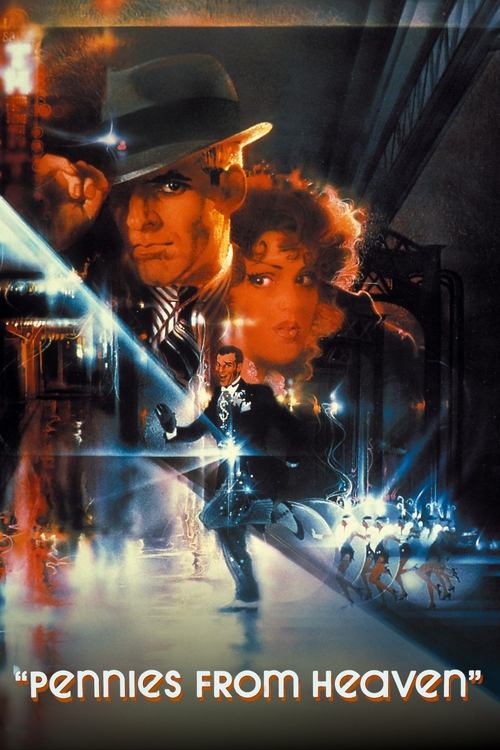
Pennies from Heaven1981
Both use the visual language of the 1930s and the musical excess of golden-age cinema to explore what happens when the system grinds regular people down. Hudsucker is the optimistic version; this is the version that breaks your heart.
Dennis Potter's television miniseries (watch the Resnais film if you must, but the miniseries is superior): a sheet-music salesman during the Depression fantasizes in song-and-dance numbers. Like Hudsucker, it uses theatrical excess to process a world of economic failure and personal humiliation.
But It's sexually explicit and unflinching about desperation in ways Hudsucker isn't. The fantasy sequences don't lighten the mood—they deepen the sadness. It can feel punitive.
People
Cast
 Tim RobbinsNorville Barnes
 Jennifer Jason LeighAmy Archer
 Paul NewmanSidney J. Mussburger
 Charles DurningWaring Hudsucker
 Jim True-FrostBuzz
 John MahoneyChief
 Bill CobbsMoses
 Bruce CampbellSmitty
 Harry BuginAloysius
 John SeitzBenny
 Joe GrifasiLou
 Roy BrocksmithBoard Member
Directing
- Ethan CoenDirector
- Joel CoenDirector
- John CameronFirst Assistant Director
- Thomas JohnstonScript Supervisor
- Sarah AddingtonSecond Assistant Director
- Vincent Palmo Jr.Second Second Assistant Director
- Sam RaimiSecond Unit Director
Writing
- Ethan CoenWriter
- Joel CoenWriter
- Sam RaimiWriter
Production
- Donna IsaacsonCasting
- John S. LyonsCasting
- Sandra DawesCasting
- Arnold MungioliCasting Assistant
- Christine SheaksCasting Assistant
- Matthew BarryCasting Assistant
- Sally TannenbaumCasting Assistant
- Tracy KilpatrickCasting Assistant
- Graham PlaceCo-Producer
- Eric FellnerExecutive Producer
- Tim BevanExecutive Producer
- Peter McManusFirst Assistant Accountant
- Heidi MehltretterLocation Coordinator
- Ethan CoenProducer
- Robert GrindrodProduction Accountant
- Holly GentProduction Coordinator
- Alma KuttruffProduction Manager
- Wendy RichardsonProduction Secretary
- Macall B. PolaySecond Assistant Accountant
Recommended by
Silicon Valley, Trading Places, State and Main, Used Cars, Barbarians at the Gate, Executive Suite, The Professor and the Madman, The Men Who Stare at Goats, The Distinguished Gentleman, The Fortune Cookie, Toys, Cradle Will Rock, Popeye, Caddyshack II, Mixed Nuts, Bananas, The Fountainhead, Holy Man, Bloodhounds of Broadway, The Bonfire of the Vanities, Crimewave, The Strongest Man in the World, Masked and Anonymous, Critical Care, Schtonk!, In the Soup, Fay Grim, Mistress, The Gong Show Movie, When in Rome, Minbo, or The Gentle Art of Japanese Extortion, Send Me No Flowers