
Film
Critical Care
A 1997 satire set in a byzantine hospital where a young resident (James Spader) gets tangled between two squabbling sisters fighting over their comatose father's fate—and his fortune. It's darkly funny about medicine as bureaucracy, where insurance matters more than healing. Sharp-edged and uneven, but genuinely angry beneath the comedy.
Should you watch it?
Watch it if you enjoy a bitter, talky satire of hospital bureaucracy where the jokes come from greed and paperwork, and you like watching a decent man squirm inside a rigged system.
Skip it if you want the comedy to stay light, since this one leans on cynicism and its talky, mostly indoor hospital setting can feel confining over 107 minutes.
What it asks of you: It runs a lean hour and three-quarters and asks you to keep track of who wants what, with the laughs arriving in dry, sharp bursts rather than steady ones.
Not sure? Find tonight's pick in a minute.
If you liked this
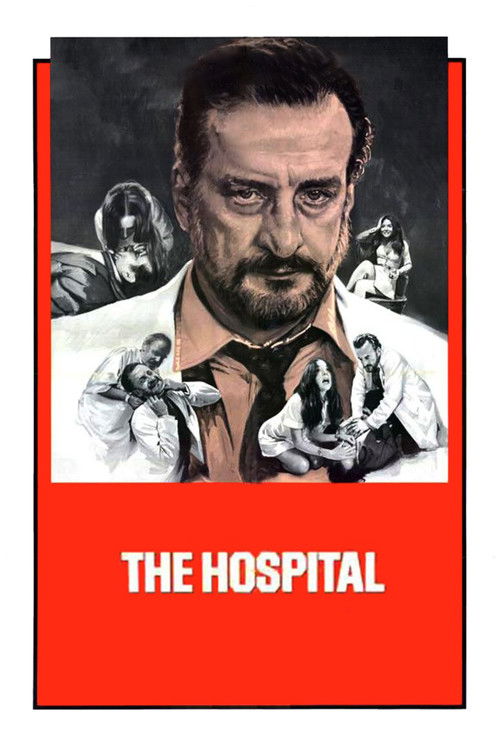
The Hospital1971
Paddy Chayefsky's earlier hospital satire that birthed the template: chaos, morality, farce, and real stakes tangled together. If you liked Critical Care's anger at the system, this is where it started.
But Slower paced and far more earnest than you might expect from its premise. The romance subplot feels dated and thrusts itself into a film that works better without sentiment.
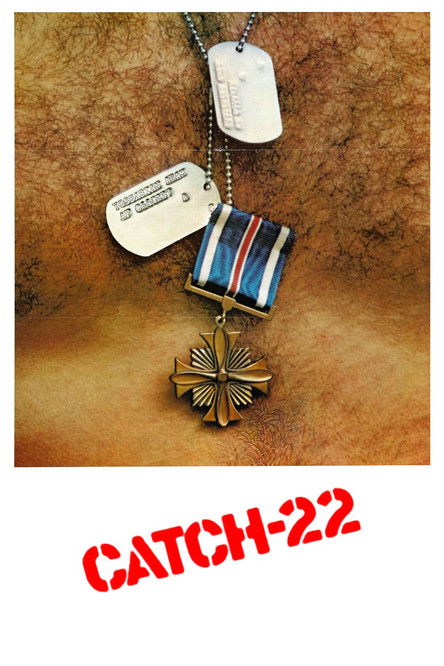
Catch-221970
Mike Nichols adapts Heller's masterpiece about bureaucratic insanity with a stacked cast and genuine rage at systems that chew people up. It has that same furious absurdism about institutions that don't serve anyone but themselves.
But Structurally loose and sometimes bewilderingly plotted. You're meant to feel dizzy; some find it exhausting rather than brilliant.
M*A*S*H1970
Altman's Korean War comedy-drama that revolutionized how you could make a film about institutions. Dark humor, overlapping dialogue, profound humanity underneath jokes about horror. The template for everything after.
But The TV series that followed it overshadows the film for many. The movie is more raunchy and less sentimental, which some find off-putting.

Not sure tonight? Get a pick in a minute, starting from Critical Care
The wildcard
Something you would not have found on your own.
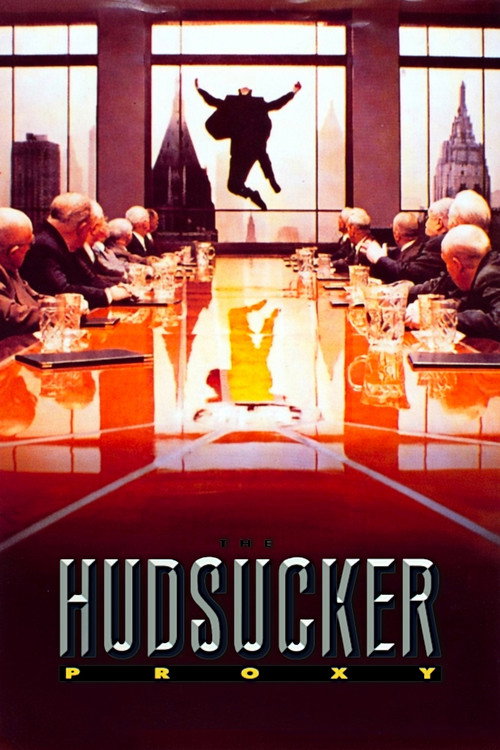
The Hudsucker Proxy1994
Both are furious satiries about institutions as meat-grinders, told through comedy that never softens the rage. Both have a protagonist caught between his morality and the system's logic.
Coen Brothers' screwball comedy about corporate stupidity and the people ground down by it. Same DNA as Critical Care—systems are ridiculous, everyone's complicit, and it's hilarious and horrible at once. Tim Robbins as a naive man inside a machine that will destroy him.
But Aggressively artificial. It's a Coens film pretending to be a 1940s cartoon, which some find precious rather than clever.
More like this (8)
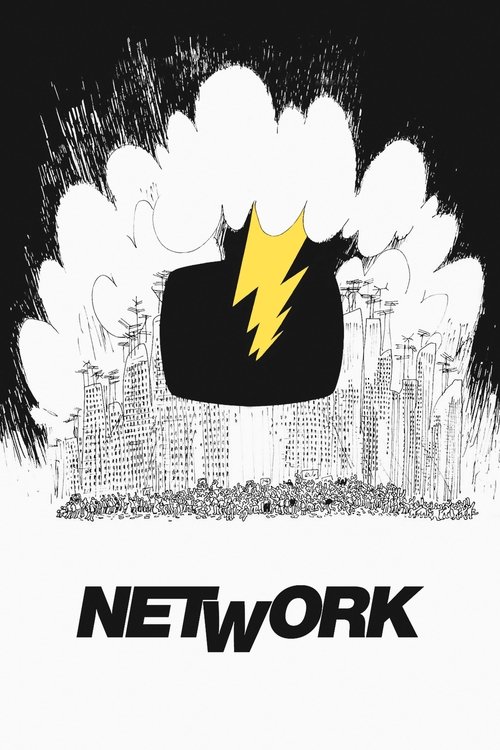
Network1976
Chayefsky again, this time eviscerizing media and capitalism with savage comedy and a cast firing on all cylinders. That same conviction that the system is grotesque and our complicity is the joke.
But Reaches for Shakespearean melodrama in its final act. Some of the satire feels less subtle than it thinks it does.
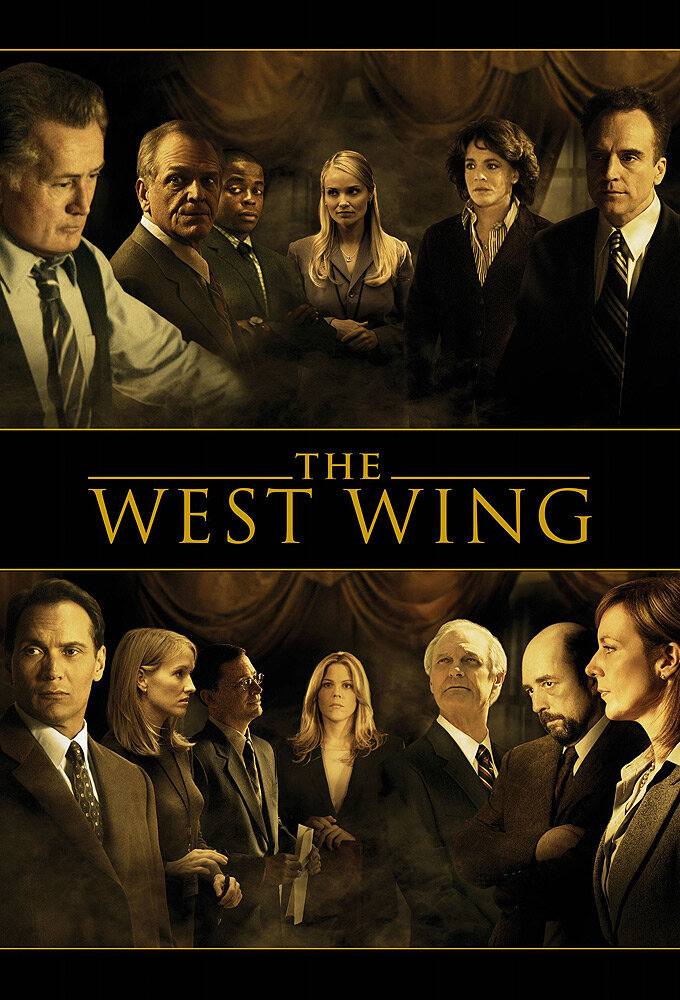
The West Wing1999
A different angle: where Critical Care is furious at systems, this admires the people trying to work within them. Spader's doctor and these characters are fighting the same battles against bureaucracy, just with opposing philosophies.
But It's earnest and idealistic in ways Critical Care mocks. If you want rage, you'll find hope instead. Also very long.
ER1994
The obvious hospital procedural comparison: both have ensemble casts dealing with patient care amid institutional chaos. ER is straighter, but the daily moral compromises are the same.
But ER takes itself seriously in the way Critical Care refuses to. It's drama; Critical Care is comedy-as-weapon.

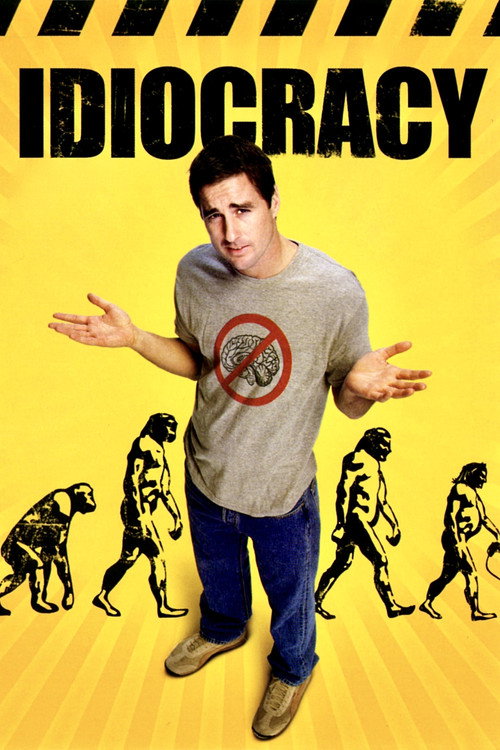
Idiocracy2006
Mike Judge's savage comedy about a system designed badly, staffed by incompetents, and defended fiercely by people invested in it. Same structural fury, different institution.
But Becomes increasingly bleak without offering counterweight. The comedy can feel like hectoring by the end.
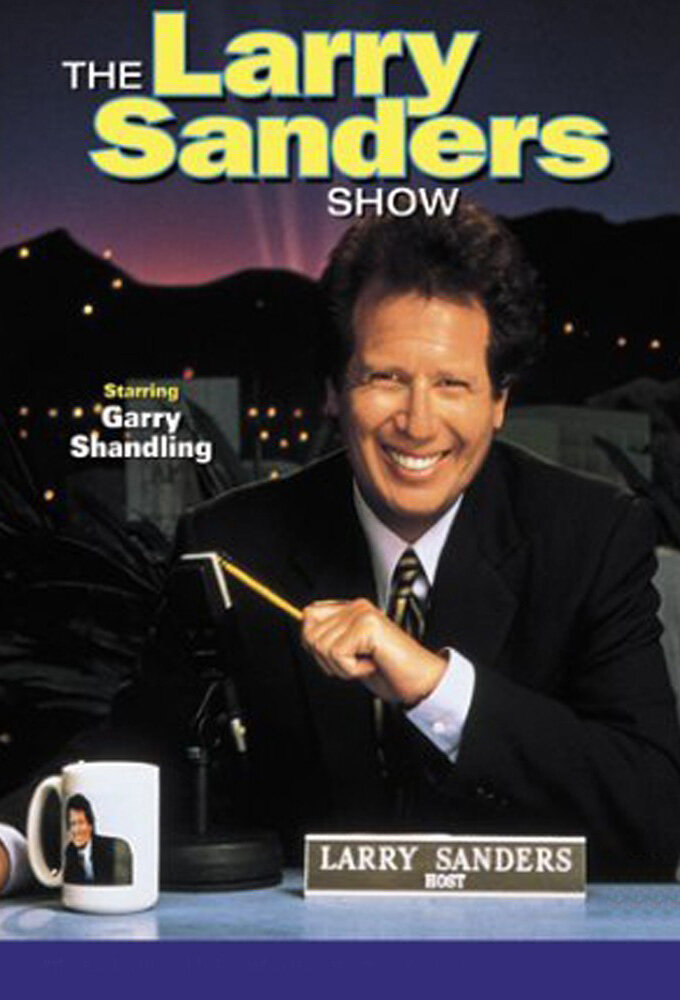
The Larry Sanders Show1992
Garry Shandling's behind-the-scenes comedy about how institutions (a talk show) function. Sharp about how personality and rules collide, and about complicity in systems you hate.
But Slower and more character-driven than Critical Care. The humor comes from recognizing the people, not from plot mechanics.
Bob Roberts1992
Tim Robbins' one directorial effort: a mockumentary about a corrupt politician. Savage satire about institutions we trust but shouldn't, made with controlled precision.
But The mockumentary format hasn't aged perfectly, and it can feel a bit obvious in its targets. Also quite bleak.

The Knack... and How to Get It1965
Both use comedy's freedom to critique systems of power and desire. Both say: the institutions you think are rational are actually ridiculous, and we can only laugh at them.
Richard Lester's anarchic 1960s sex comedy about young men and desire, but really about systems and status. It uses slapstick and breaking the fourth wall to attack social hierarchies the same way Critical Care uses hospital absurdity. Genuinely wild and funny.
But Made in 1965 and uninterested in aging gracefully. The sexual politics are very much of the era, which is uncomfortable. The style can overwhelm the point.

A Prophet2009
Critical Care and A Prophet are both about intelligent people learning that institutions don't reward integrity—they reward the ability to navigate them. One uses satire; one uses tragedy. Same lesson.
Jacques Audiard's prison drama about a young man learning to survive an institution by understanding its rules and manipulating them. Completely straight-faced, no comedy at all, but it's the same story: systems as labyrinths where morality is a luxury and adaptation is survival.
But Grim, violent, and slow. There's no relief here, no jokes. It asks you to sit with a moral nightmare for two and a half hours.

People
Cast
 James SpaderDr. Werner Ernst
 Kyra SedgwickFelicia E. Potter
 Helen MirrenStella
 Albert BrooksDr. Butz

 Wallace ShawnFurnaceman
 Jeffrey WrightRafael ("Bed Two")
 Margo MartindaleConstance 'Connie' Potter
 Philip BoscoDr. Hofstader
 Edward HerrmannRobert Payne
 Colm FeoreRichard Wilson
- James LallyPoindexter
Directing
- Sidney LumetDirector
- Blanche McDermaidScript Supervisor
Writing
- Richard DoolingNovel
- Steven SchwartzScreenplay
Production
- Avy KaufmanCasting
- Sidney LumetProducer
- Steven SchwartzProducer