
Film
The Knack... and How to Get It
A 1965 British comedy about three men competing for the affections of a charming newcomer to London. Mod-era anarchic and playful, stuffed with visual gags and the kind of dialogue that spills sideways. It's a film that wants to make you laugh at its own audacity—about desire, ego, and the gap between fantasy and reality. For fans of early '60s British New Wave cinema.
Should you watch it?
Watch it if you enjoy sixties comedies built from jump cuts, visual gags and characters who talk past each other, and you want a romance that treats its own romantic nonsense with a wink.
Skip it if you find the lessons in seduction played for laughs unbearable, since the jokes lean on cheerful sexism and the women are mostly punchlines.
What it asks of you: At eighty-five minutes it moves in quick, scrappy bursts of cuts and sudden rushes, and it rewards keeping up rather than settling into a steady story.
Not sure? Find tonight's pick in a minute.
If you liked this
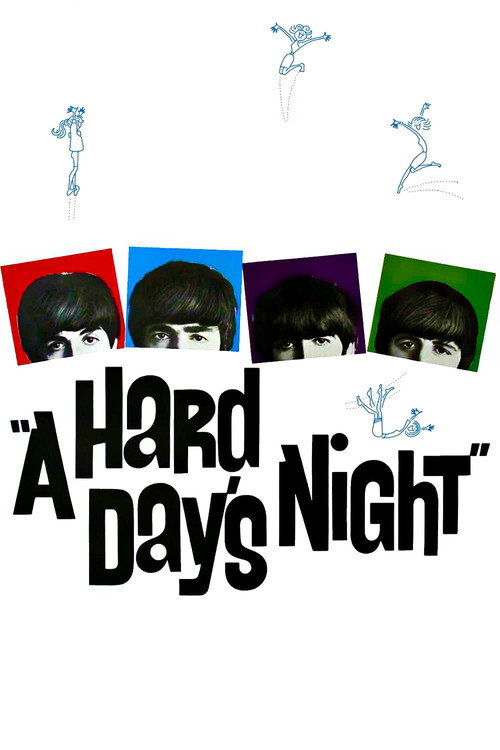
A Hard Day's Night1964
The Beatles' debut film has the same anarchic energy, playful disregard for plot, and sense that cinema itself is just another canvas to mess around on. It's joyful and inventive in exactly the same register.
But It's a relic of Beatlemania, and if you come to it expecting narrative coherence rather than a series of brilliant sketches, you'll be frustrated.
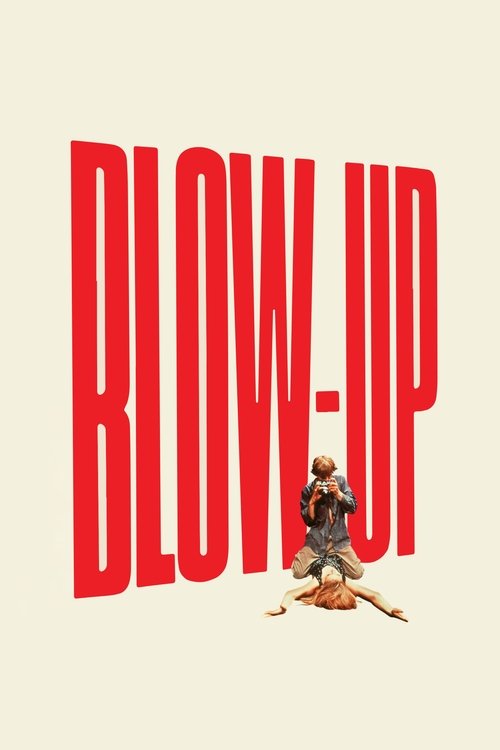
Blow-Up1966
Michelangelo Antonioni's portrait of a swinging London photographer chasing mystery and desire. It has the same fascination with surface, style, and what lies beneath male fantasy—but turned far more serious and unsettling.
But It's deliberately ambiguous and slow-burn. Some will find it pretentious; others will think it's the film The Knack is being cheeky *about*.
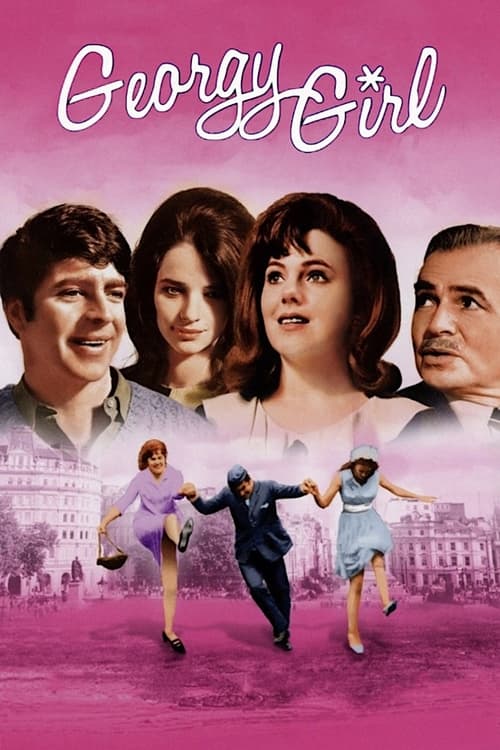
Georgy Girl1966
Another London-set comedy-romance about a young woman navigating male attention and self-discovery. It's similarly playful about gender, desire, and belonging, with a terrific lead performance and infectious musical score.
But The gender politics, while progressive for 1966, now feel dated and occasionally patronizing. The tone wobbles between slapstick and sentiment.
Not sure tonight? Get a pick in a minute, starting from The Knack... and How to Get It
The wildcard
Something you would not have found on your own.
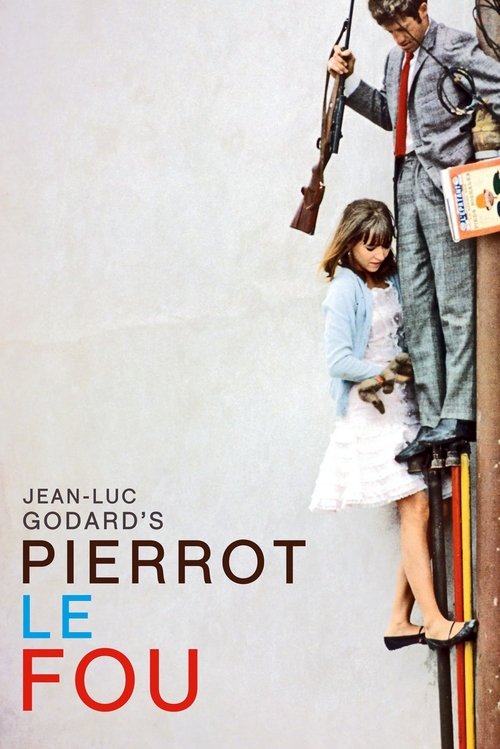
Pierrot le Fou1965
Both are 1965 films about young people and desire that refuse to play by the rules of conventional narrative, and both are fascinated by surface, style, and the gap between fantasy and reality.
Godard's film about a man and woman fleeing society—made the same year, with a similarly playful disregard for cinema rules, color used brilliantly, and constant commentary on performance and desire. It's anarchic in a completely different language and register.
But It's French New Wave formalism. If you want British slapstick, this is abstract and often opaque. It requires patience and tolerance for pretension.
More like this (8)
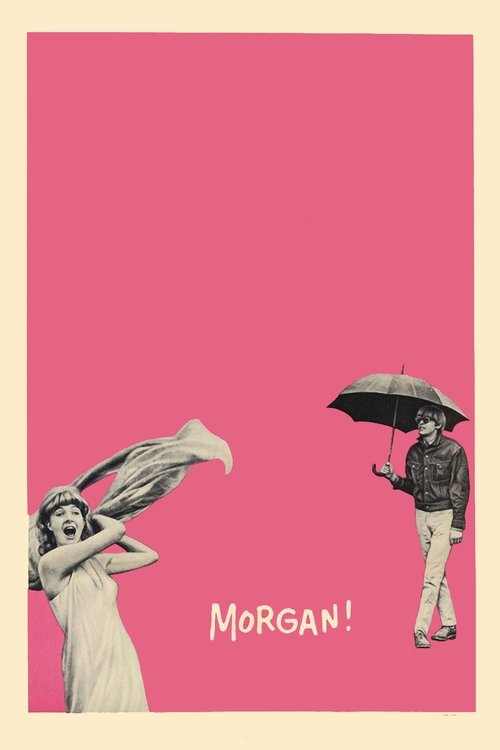
Morgan: A Suitable Case for Treatment1966
A British comedy about an eccentric, anarchic man and the woman caught between his chaos and respectable society. It's surreal, energetic, and genuinely funny in the same unpredictable way.
But The protagonist's behavior becomes increasingly ugly under the comedy. You have to enjoy satire that doesn't announce what it's satirizing.
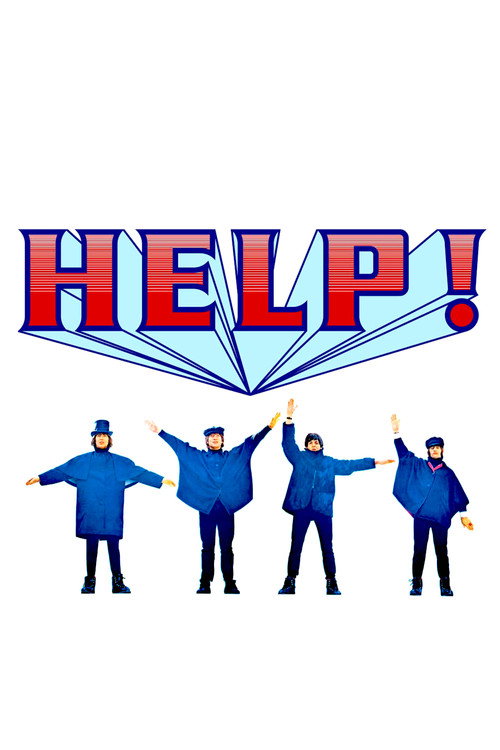
Help!1965
The Beatles' second film, even more visually inventive than their first. It abandons plot almost entirely in favor of pure cinema playfulness, color, and the anarchic joy of people having fun on set.
But Some scenes feel like sketches that went nowhere. The humor is very much of its moment, and some gags simply don't land now.
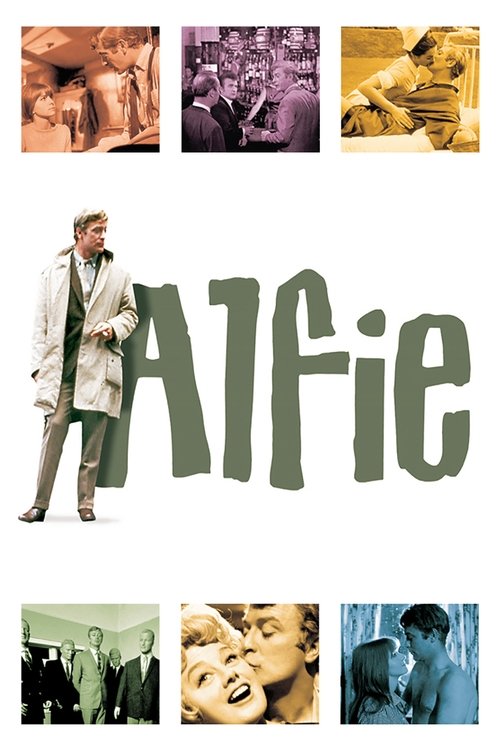
Alfie1966
Michael Caine's charming, amoral Londoner breaking the fourth wall to explain his romantic conquests. It's a critique of male vanity dressed as celebration—similar moral stakes to The Knack, but with real darkness underneath.
But It's considerably less fun. The film gradually reveals that its hero is genuinely selfish and lonely, which some will see as didactic moralizing.
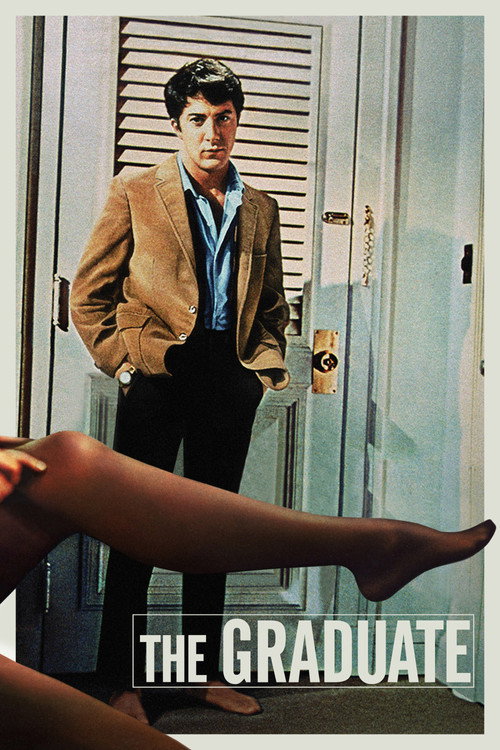
The Graduate1967
A young man seduced by older woman, then obsessed with her daughter. It shares The Knack's interest in male sexual anxiety and the comedy of desire—but American, more acerbic, with a famous soundtrack.
But It's a very different kind of film: slicker, more mainstream. If you want more 1965 anarchic British cinema, this will feel like a step toward conventional drama.
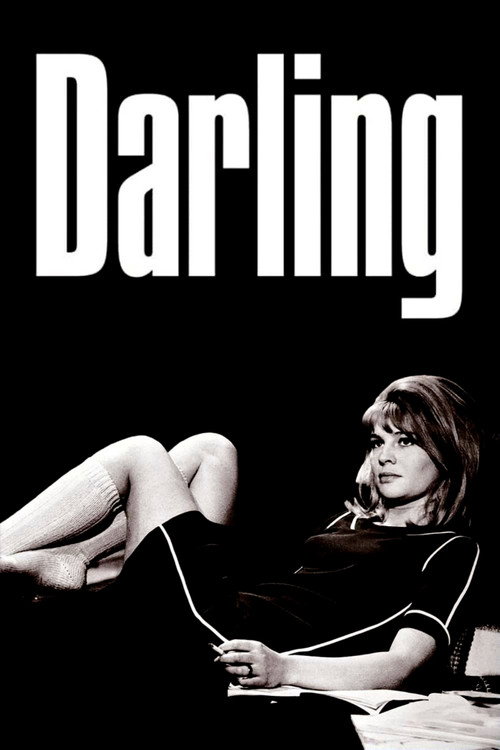
Darling1965
Julie Christie as an amoral, beautiful woman navigating swinging London. It's sophisticated satire of the same world and the same themes—beauty, desire, and the performativity of modern life.
But It's bleak where The Knack is playful. The film judges its characters sharply, and there's no warmth in the comedy.
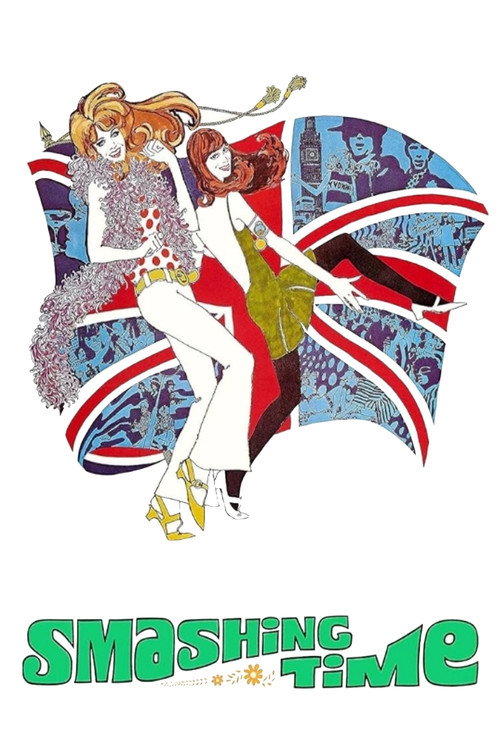
Smashing Time1967
Two young women loose in mod London, trying to become famous. It has the same loose, episodic structure and visual gags, with comparable energy and similar interest in what young people want from the city.
But It doesn't quite cohere. The sketches feel scattered, and the film seems uncertain whether it's satire or celebration.
Mulholland Drive2001
Both films are built around watching male and female characters project fantasy onto one another, and both suggest that desire is fundamentally a misreading of another person.
Lynch's film about desire, performance, and two women in Los Angeles—a meditation on fantasy versus reality that echoes The Knack's obsession with illusion and the stories men tell themselves. It's visually dazzling and genuinely mysterious.
But It's 2.5 hours, often glacial, deliberately confusing, and morally dark. The relationship between the two women is tragic and destabilizing in ways the earlier film never approaches.

Stalker1979
Both films are structured around men pursuing an object of desire, and both are finally about the unreliability of fantasy and the stories we tell ourselves about getting what we want.
Tarkovsky's science-fiction meditation on desire and the stories men tell themselves about what they want. Like The Knack, it's obsessed with the gap between fantasy and truth, but approached through metaphysics instead of slapstick.
But It's slow, philosophical, utterly serious, and nearly three hours long. Watching it requires the opposite energy from watching The Knack—but the obsession is the same.

People
Cast
 Rita TushinghamNancy Jones
 Ray BrooksTolen
 Michael CrawfordColin

 William DexterDress Shop Owner
 Charles DyerMan in Photo Booth
- Margot ThomasFemale Teacher
 John BluthalAngry Father
 Wensley PitheyTeacher
- Frank SiemanSurveyor
 Bruce LaceySurveyor's Asst.
 Peter CopleyPicture Owner
Directing
- Roy MillichipAssistant Director
- Jane BuckContinuity
- Richard LesterDirector
Writing
- Charles WoodScreenplay
- Ann JellicoeTheatre Play
Production
- Paul Lee LanderCasting
- Leigh AmanExecutive Producer
- Michael DeeleyExecutive Producer
- Oscar LewensteinProducer
Recommended by
Alfie, The Singing Detective, Young Dr. Kildare, What's New Pussycat?, The Long Firm, Rattle of a Simple Man, Murder by Decree, Critical Care, You're a Big Boy Now, The Nurses, The Kitchen