
Film
Rattle of a Simple Man
A 1964 British comedy-drama about a shy, mummy's-boy footballer who stumbles into a Soho strip club and meets a hostess who's far more complicated than he bargained for. It's tender and awkward by turns, finding genuine pathos in male vulnerability when the bluster falls away. Sweet rather than crude, despite its scandalous premise.
Should you watch it?
Watch it if you love kitchen-sink British films where a sharp, unvarnished comedy of manners slides into real sadness, and you enjoy watching a bluff young man's swagger wear thin in real time.
Skip it if you want brisk plotting or regular laughs; this one lingers on awkward silences, a mood that stays uneasy, and a very period view of class and nerves.
What it asks of you: Expect a short, slow-burning ninety-two minutes where most of the weight sits in faces and pauses rather than in events, and where the comedy keeps curdling into discomfort.
Not sure? Find tonight's pick in a minute.
If you liked this
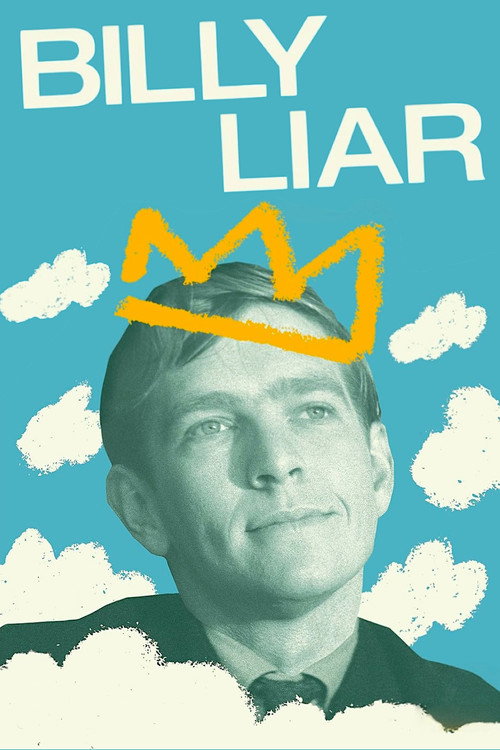
Billy Liar1963
Tom Courtenay as a dreamer stuck in provincial life, caught between fantasy and reality. Like Percy, he's a young man learning that the world won't bend to his wants. Sharp, funny, and surprisingly moving about arrested adolescence.
But The Yorkshire dialect and mid-century social attitudes feel very much of their moment. Some will find it dated; others will find that's the point.
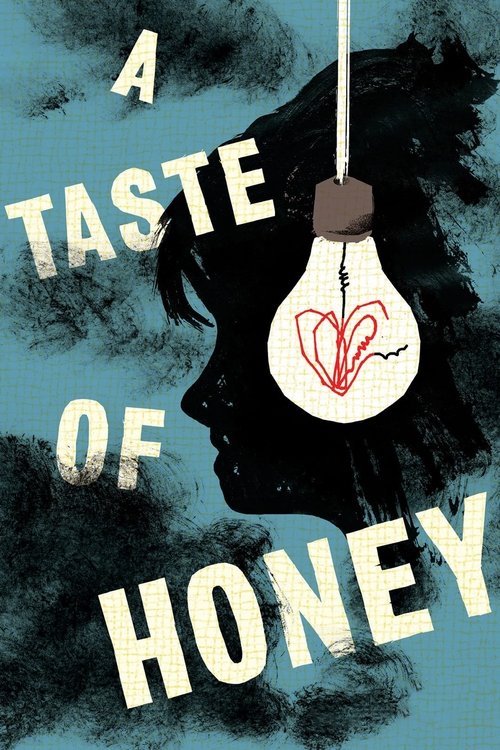
A Taste of Honey1961
Rita Tushingham as a sharp, lonely teenager navigating love and class in industrial Manchester. Similar tone—comedy laced with genuine hurt—and the same interest in how kindness survives in unglamorous places. Beautifully observed.
But The black-and-white kitchen-sink aesthetic demands patience. It's deliberately unglamorous, which is the whole point but not everyone's evening.
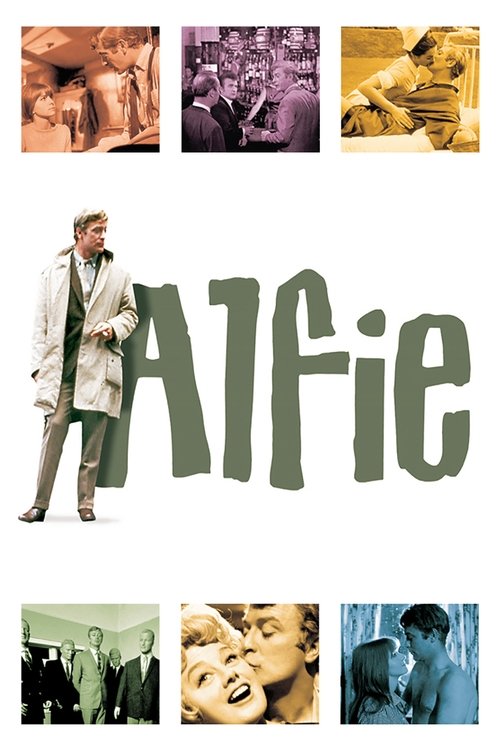
Alfie1966
Michael Caine's charming womanizer learning that seduction isn't the same as connection. It's the flipside of Percy's story—cocky instead of timid, but arriving at the same reckoning about what actually matters to another person.
But Caine's cockney charm can overwhelm the film's actual critique. If you just want to watch a cad be a cad, you'll miss what it's actually saying.
Not sure tonight? Get a pick in a minute, starting from Rattle of a Simple Man
The wildcard
Something you would not have found on your own.
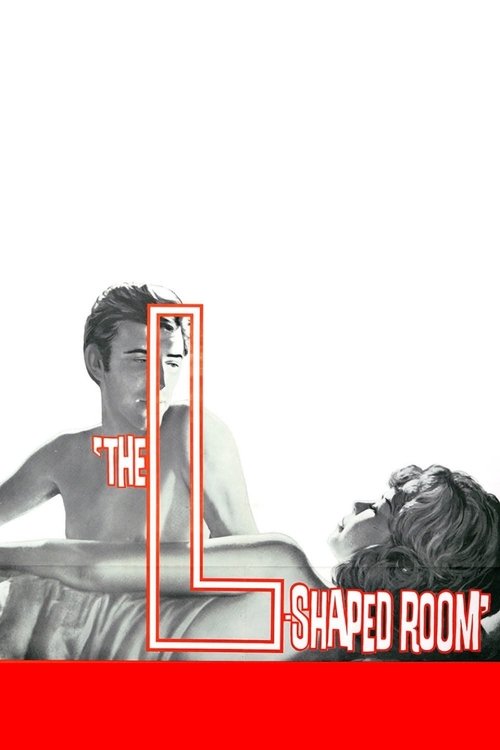
The L-Shaped Room1962
Both films use sex—or the possibility of it—as a way to examine loneliness and the question of whether another person can save you. Neither finds easy answers.
Leslie Caron as a pregnant woman in a London boarding house. Like Percy, it's about shame and vulnerability in a city that doesn't care, but told from the woman's side—she's the one with secrets, the one fumbling toward dignity. Quiet and humane.
But Deals with pregnancy and unmarried motherhood as genuine scandal. The social context is so period-specific it can feel anthropological. Slow, too, in the best way.
More like this (8)
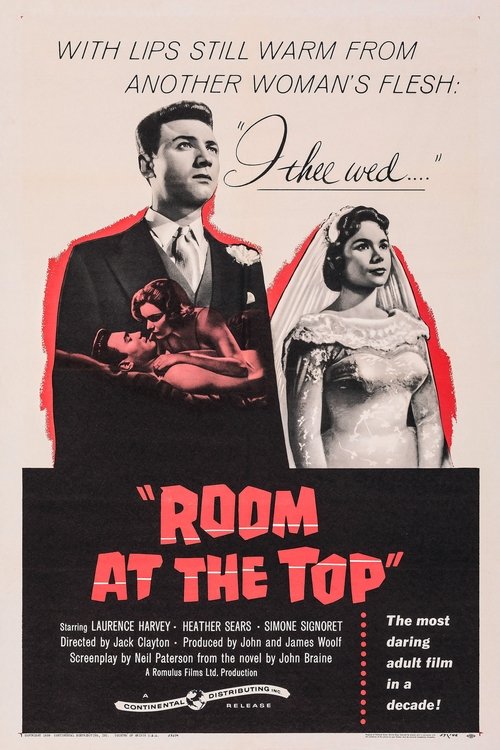
Room at the Top1958
Laurence Harvey as an ambitious young man seduced by an older woman—the gender dynamics reversed from Percy, but the same anatomy of desire meeting reality. Gritty and compelling, with real stakes and real damage.
But Darker and more acidly sexual than Rattle. If you want warmth and tenderness, you won't find them here.
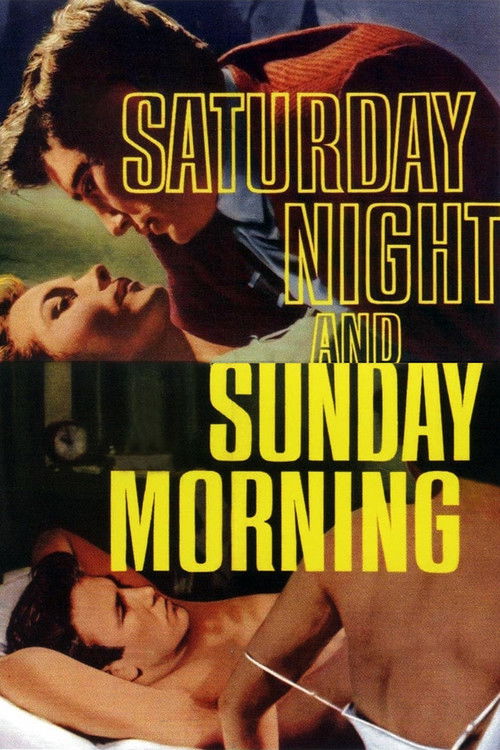
Saturday Night and Sunday Morning1960
Albert Finney as a factory worker juggling affairs and resentment. Another British working-class lad learning hard lessons. Energetic and furious where Percy is gentle, but the same world, the same struggle to grow up.
But Very much a film about masculine anxiety and anger. Its worldview is bleak, and some of its attitudes haven't aged gracefully.
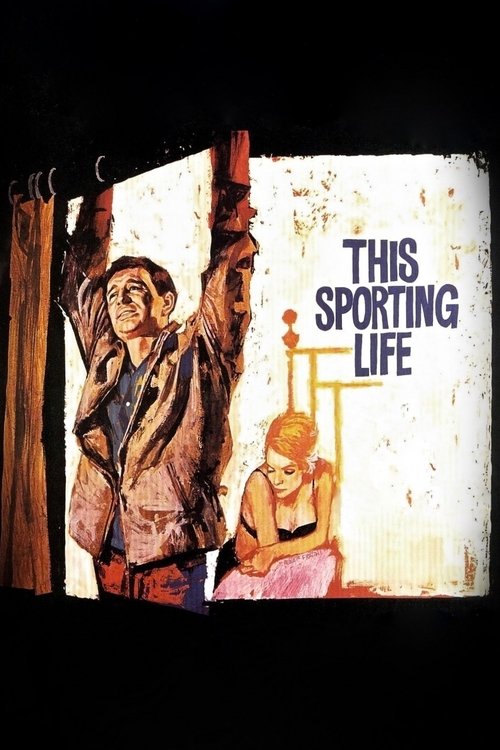
This Sporting Life1963
Richard Harris as a rugby player trying to love a widow who won't let him. Bruised, tender, and unafraid to show how badly men can hurt each other when neither knows what to do with feeling.
But It's grim. The relationship is painful to watch because it's genuinely painful, not cathartic. Some scenes are almost unbearably tense.
Kes1970
Ken Loach's portrait of a bullied boy finding dignity through a falcon. Not romantic like Percy, but equally about innocence and care in a harsh world. Authentically working-class and heartbreaking.
But Shot in a documentary style that can feel austere. Long stretches with minimal plot. The ending is devastating in a way that doesn't feel earned if you're looking for uplift.

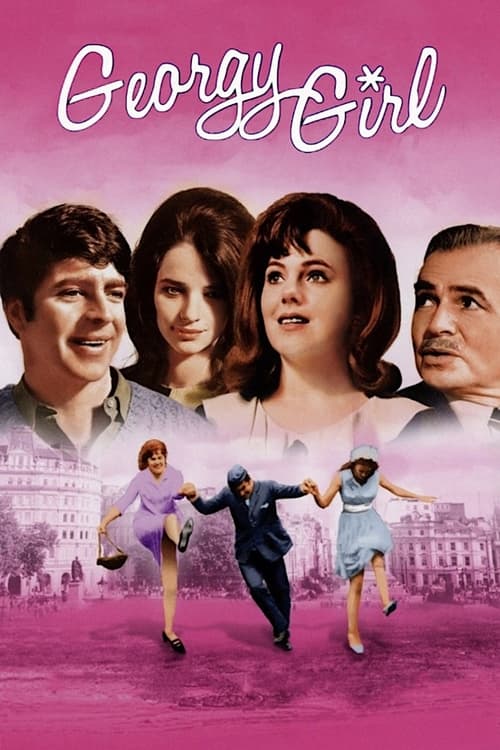
Georgy Girl1966
Lynn Redgrave as an awkward, overlooked young woman suddenly desired by a rich older man. Swaps the gender but keeps the confusion and vulnerability. Charming and sad without sentimentality.
But The musical score is relentlessly chirpy and can undercut the emotional truth. It wants to be lighter than it is.
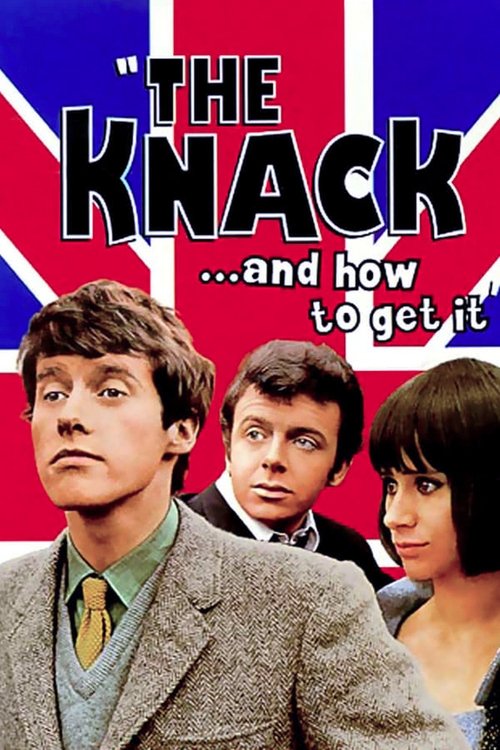
The Knack... and How to Get It1965
Richard Lester's absurdist take on seduction and masculinity among London's young. Freewheeling and playful where Percy is earnest, but obsessed with the same gap between male confidence and actual human connection.
But Visually chaotic and self-consciously clever. If you want a straightforward story, this will feel like being hectored by the film itself.
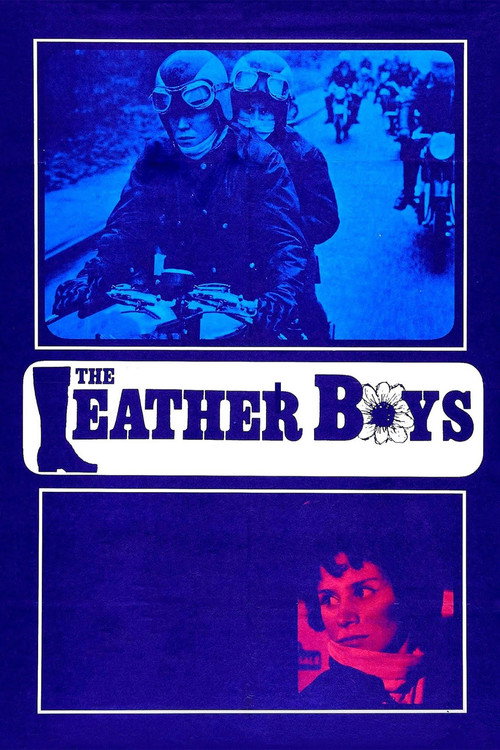
The Leather Boys1964
Both are about male vulnerability exposed in front of witnesses. Both suggest that admitting what you actually feel is more dangerous than any physical encounter.
Colin Campbell and Dudley Sutton as working-class bikers whose friendship is more intimate than either quite admits. Same year as Rattle, same awkward young men learning what desire actually means, but queer and unspoken. Radical for 1964.
But The homophobic attitudes of the characters are sometimes hard to sit with. The ending punishes tenderness in a way that feels like the film agreeing with the prejudice around it.
The Servant1963
A woman or man who sees through sexual confidence to need underneath can unmake you. Both films understand sex as a power game where innocence is a liability.
Joseph Losey's dark inversion of the master-servant relationship: James Fox as a weak aristocrat, Dirk Bogarde as a valet who slowly seduces then dominates him through sex and flattery. It's Percy's encounter with Cyrenne imagined as psychological warfare.
But Sexually explicit for 1963 and genuinely unsettling. It's not interested in tenderness or sympathy—it's about predation and the humiliation of desire. Some will find it misanthropic.

People
Cast
 Harry H. CorbettPercy Winthram
 Diane CilentoCyrenne
 Thora HirdMrs. Winthram
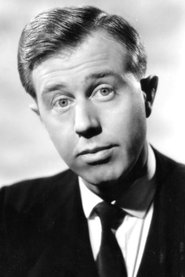 Michael MedwinGinger
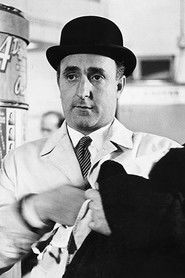 Charles DyerChalky
- Hugh FutcherOzzie
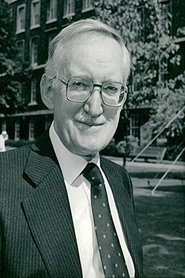 Brian WildeFred
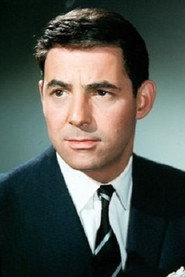 Alexander DavionRicardo
- David SaireMario
 Barbara ArcherIris
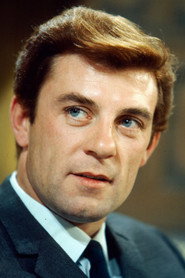 John RonaneWillie
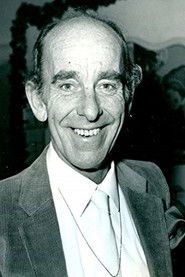 Michael RobbinsGeorge (organiser)