
Film
This Sporting Life
This Sporting Life is British kitchen-sink drama at its most physical: Richard Harris plays a Yorkshire miner turned rugby league brute, a man who only knows how to use his body to dominate, never to connect. His doomed pursuit of his repressed, grieving landlady is as brutal as anything on the pitch. Raw, exhausting and unglamorous by design — for anyone who wants class rage and wounded masculinity delivered without comfort or resolution.
If you liked this
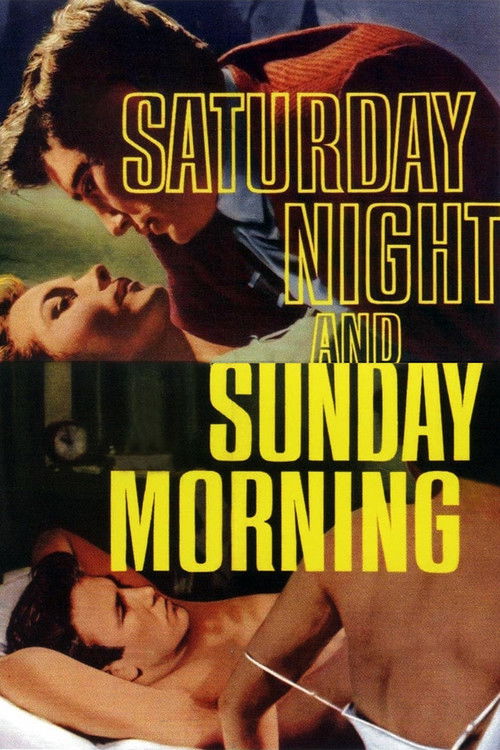
Saturday Night and Sunday Morning1960
The film that basically invented British kitchen-sink cinema's angry young men. Albert Finney is magnetic and infuriating as a factory worker who defies every rule and every woman just to feel alive.
But Its rebellion is more verbal than physical, and some of Finney's swagger toward women plays uglier now than it was meant to.
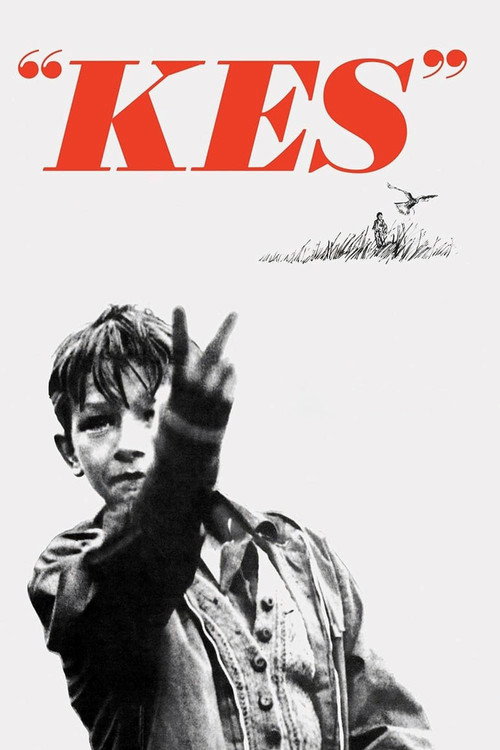
Kes1970
Ken Loach's tender, devastating study of a working-class Yorkshire boy who finds meaning training a kestrel, set against the same grinding poverty and thwarted futures that crush Frank Machin.
But There's no rage here to match Machin's, just quiet sorrow — if you want more fury, this will feel too soft.
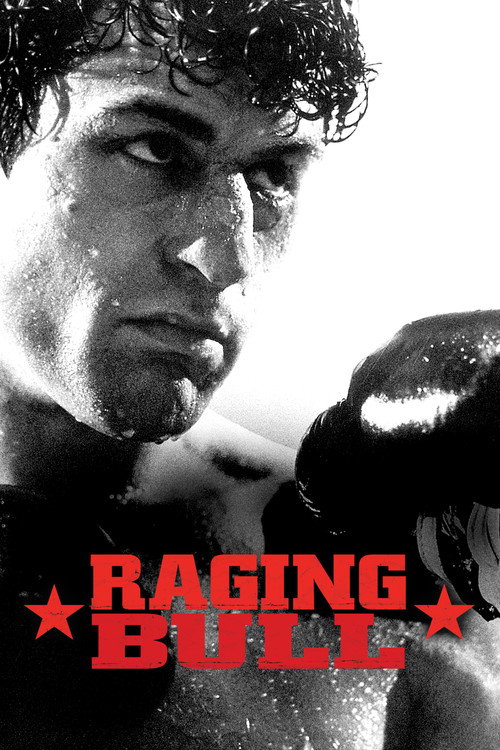
Raging Bull1980
Scorsese and De Niro's boxing masterpiece is the American cousin to this film: a man whose body is his only vocabulary, destroying every relationship he can't put into words.
But Gorgeous black-and-white photography aside, it's relentlessly bleak and jealous in a way that can wear you down over two hours.
The wildcard
Something you would not have found on your own.
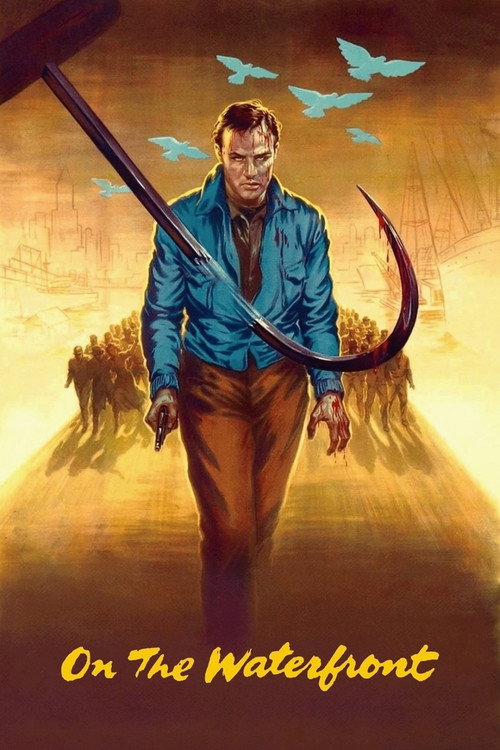
On the Waterfront1954
Nine years earlier, Brando gave the performance Harris would later echo: a physically dominant, emotionally illiterate man whose body is his only currency, trying to love a woman he has no words for.
Brando's 'I coulda been a contender' broods over every brutish-but-tender performance that followed, including Harris's. Corruption on the docks stands in for corruption in the boardroom, but the wounded masculinity is identical.
But It's more openly moralistic, and its politics — informing to a committee — land differently once you know the real-world context behind it.
More like this (8)
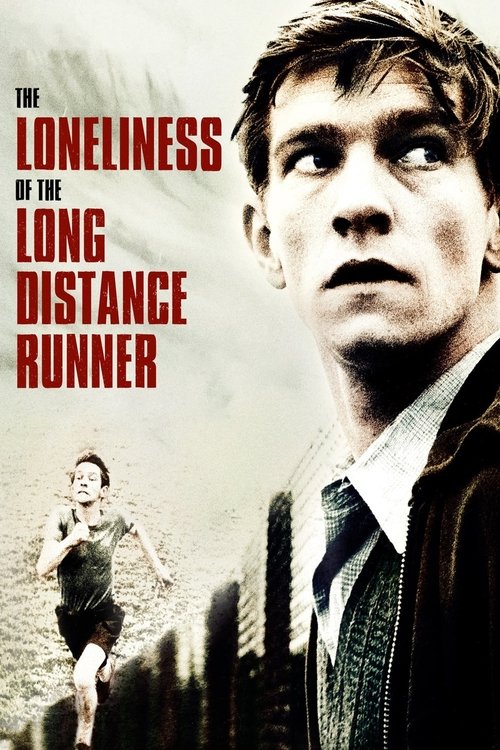
The Loneliness of the Long Distance Runner1962
Another angry young Northern man, another sport turned into a weapon against the system — a borstal boy runs not for glory but for spite, and the ending lands like a gut-punch.
But It's talkier and more overtly political than This Sporting Life; the class anger is spoken aloud rather than embodied.
A Kind of Loving1962no page yet
Same era, same industrial North, same suffocating marriages made from obligation rather than love — trading rugby brutality for the quieter violence of a life you never chose.
But It's much less physically intense, closer to domestic drama than the visceral collision Frank Machin lives through.
The Wrestler2008
Mickey Rourke gives the performance of his life as an aging wrestler who, like Frank Machin, only knows how to communicate through his broken body — and it costs him everything.
But It's American and glossier despite the grime, and its sentimentality sits differently than the colder, angrier tone of Anderson's film.

Look Back in Anger1959no page yet
The film that gave the 'angry young man' movement its name, Richard Burton spitting fury at everyone around him with the same suffocated masculine rage Frank Machin can't voice.
But It's stagier and more claustrophobic, confined mostly to one flat; the anger here is verbal rather than physical.
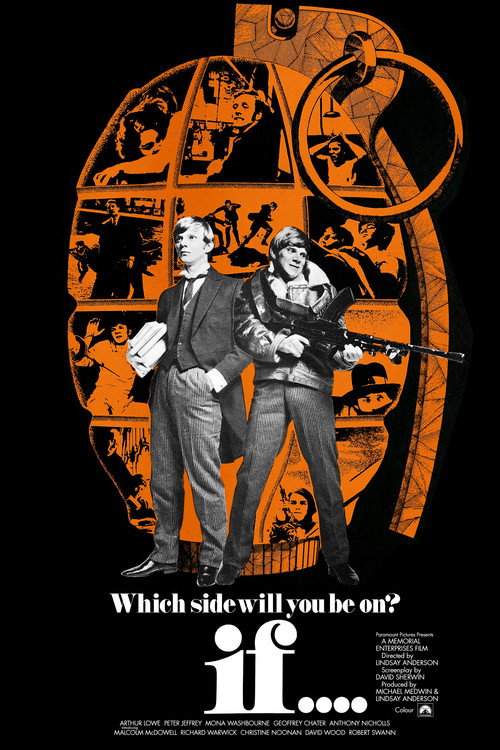
if....1968
Lindsay Anderson's own next film swaps the rugby pitch for a boarding school, keeping his interest in institutions, class and violence as inevitable outcome, before tipping into savage surrealism.
But It becomes a different beast by the end — stranger and more anarchic, further from realism than This Sporting Life ever goes.
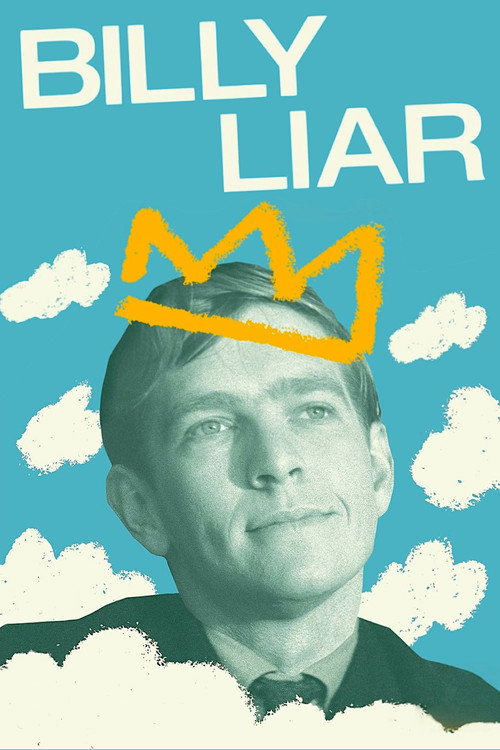
Billy Liar1963
Same year, same Northern England, but comic where Sporting Life is brutal — a fantasist dreaming his way out of a dead-end life instead of fighting his way out.
But It's a much lighter film, closer to whimsy than tragedy; go here only if you want relief rather than more weight.
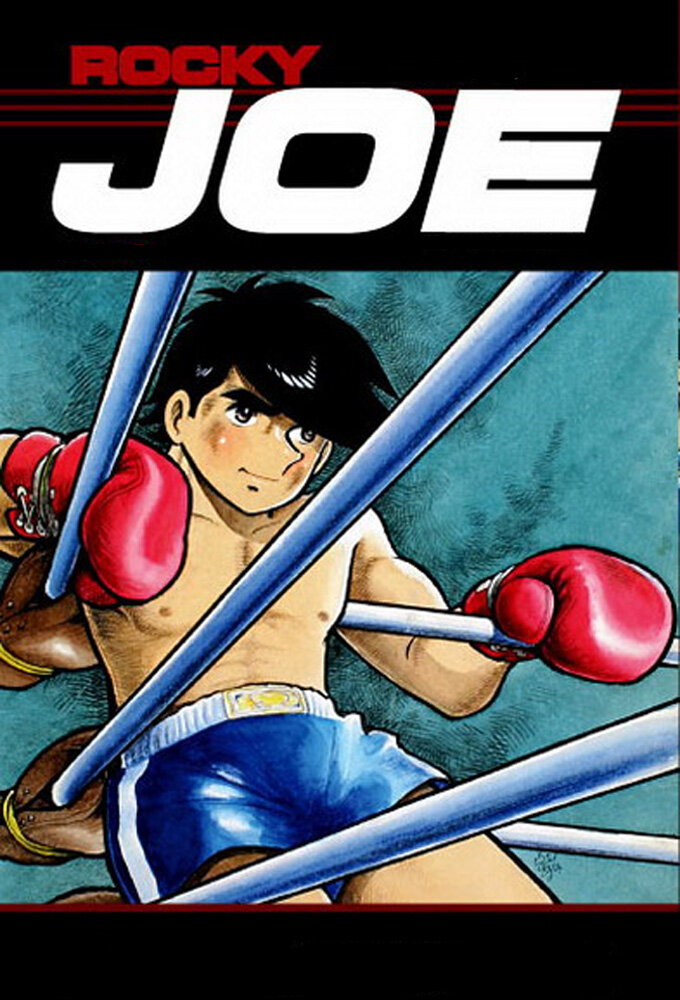
Ashita no Joe1970
Swap rugby league for boxing and Yorkshire for Tokyo's slums and you get the same story: a violent, undereducated young man discovers the one thing he's good at is destroying himself for an audience.
This anime landmark turned working-class self-destruction into legend across Japan. It's operatic where This Sporting Life is grimy, but the engine — talent as trap, not escape — is identical.
But It's a serialised '70s anime with all the pacing and visual style that implies; if you want two hours and prestige cinematography, this isn't it.
Friday Night Lights2006
Same premise — a struggling town pins its identity and its men's worth on a violent sport — stretched into a slow-burn series instead of compressed into two hours, choosing warmth where Anderson chose despair.
It takes the exact wound at the centre of This Sporting Life — men taught their only value is what their bodies can do on a field — and asks what healing might actually look like.
But It's gentler and more hopeful by design; if you came for Anderson's bleakness, five seasons of earned optimism might feel like a different film's answer to the same question.

People
Cast
 Richard HarrisFrank Machin
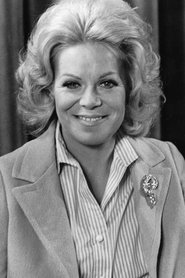 Rachel RobertsMrs. Margaret Hammond
 Alan BadelGerald Weaver
 William Hartnell'Dad' Johnson
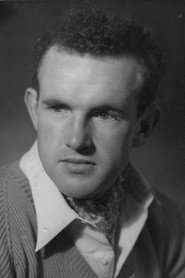 Colin BlakelyMaurice Braithwaite
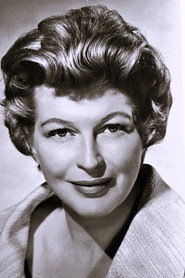 Vanda GodsellMrs Anne Weaver
- Anne CunninghamJudith
 Jack WatsonLen Miller
 Arthur LoweCharles Slomer
- Harry MarkhamWade
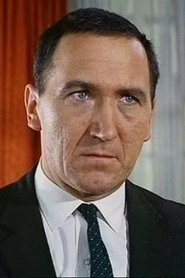 George SewellJeff
 Leonard RossiterPhillips, Sports Writer
Directing
- Ted SturgisAssistant Director
- Lindsay AndersonDirector
Writing
- David StoreyNovel
- David StoreyScreenplay
Production
- Karel ReiszProducer
Recommended by
Kes, Welcome to Wrexham, The Loneliness of the Long Distance Runner, A Taste of Honey, Saturday Night and Sunday Morning, Room at the Top, The Stars Look Down, Love on the Dole, Billy Liar