
Film
The Loneliness of the Long Distance Runner
Tom Courtenay's breakout as Colin Smith, a Nottingham tearaway whose only freedom is the solitary rhythm of his own legs. Tony Richardson's British New Wave classic uses running as metaphor and structure—flashback and race intercut until the two collapse into one long protest. Cold, sharp, deeply political without ever raising its voice. Essential viewing for anyone curious where '60s British cinema found its anger.
If you liked this
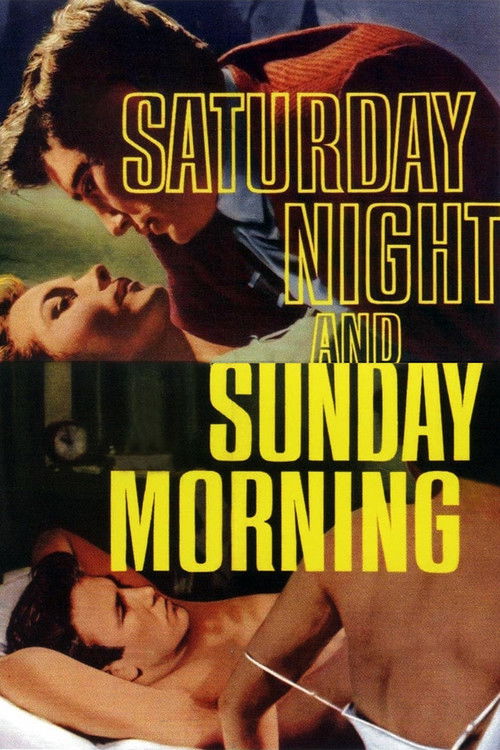
Saturday Night and Sunday Morning1960
Albert Finney's factory-floor rebel invented the template Colin Smith would refine—same fury at bosses, same appetite for Saturday nights that outrun Monday mornings. Karel Reisz's film is the movement's founding document, sharper and funnier than its reputation as 'important' cinema suggests.
But Its swagger can read as callous now, and the treatment of women in it hasn't aged well at all.
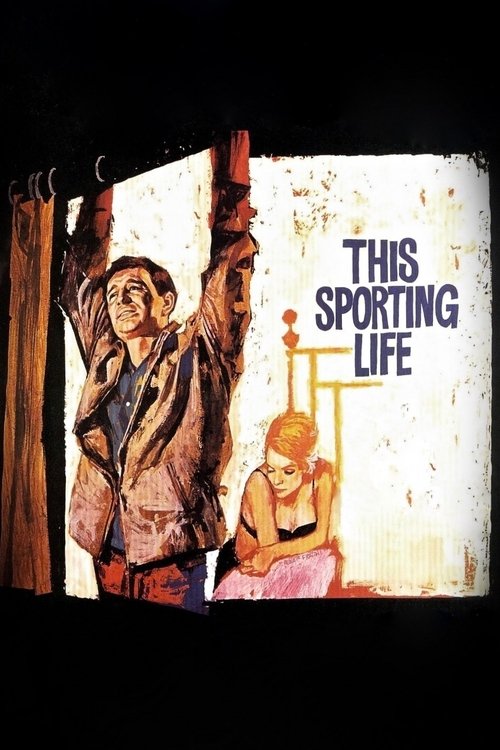
This Sporting Life1963
Richard Harris plays a rugby player whose body is the only currency he owns, chewed up by the same class machinery that grinds down Colin Smith. Lindsay Anderson's direction is brutal, tender, and unforgettable.
But It's relentlessly grim—there's little humour to leaven the wreckage, and the ending offers no comfort.
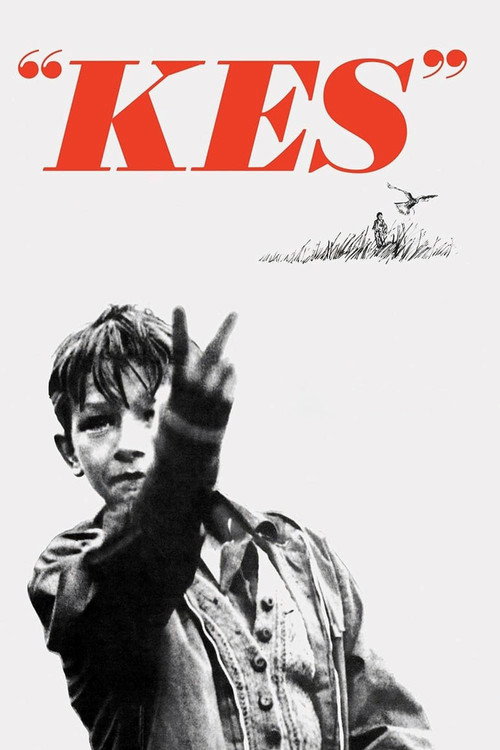
Kes1970
Ken Loach's tale of a Barnsley schoolboy and his kestrel shares Colin's need for one thing entirely his own, untouchable by teachers, family, or the system built to break him.
But The Yorkshire dialect is thick enough that some viewers reach for subtitles, and the ending is quietly devastating.
The wildcard
Something you would not have found on your own.
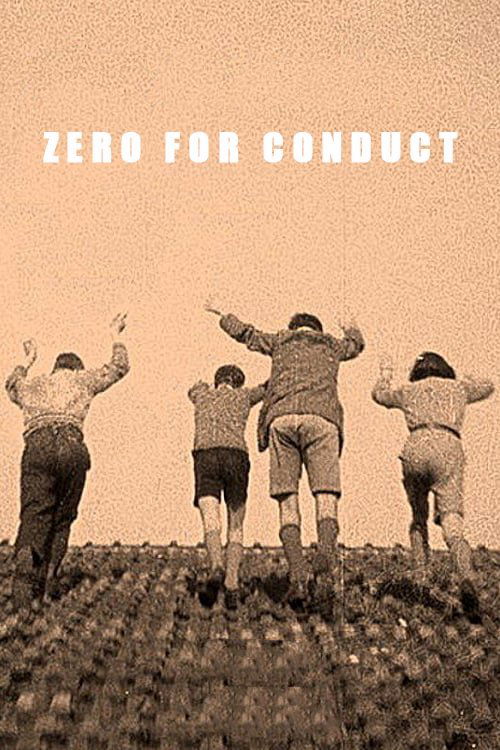
Zero for Conduct1933
Vigo's film is the ancestor of the entire British New Wave's suspicion of institutions—Truffaut cited it directly, and its final image of boys storming the rooftops is the same defiant gesture Colin makes with his legs.
Jean Vigo's 44-minute anarchic blast follows boys at a French boarding school plotting rebellion against petty authority—the same anger at institutions that shape and diminish you, thirty years before Richardson, and just as electric.
But It's short, silent-adjacent, and structurally loose by modern standards—more mood and provocation than plot.
More like this (7)
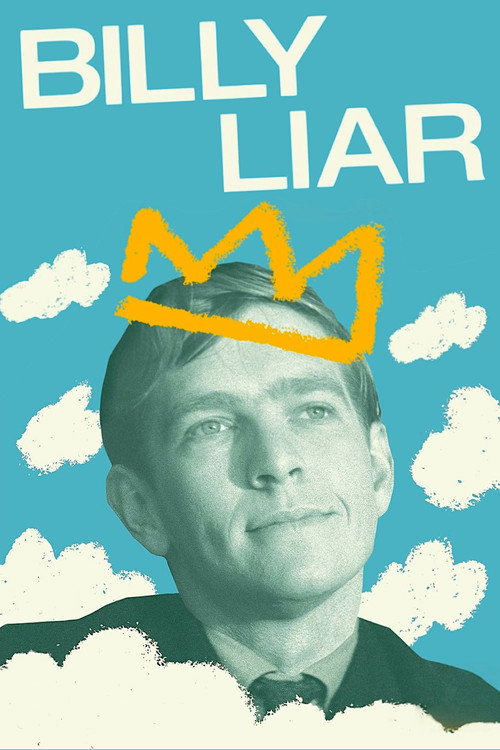
Billy Liar1963
Courtenay again, this time dreaming his way out of Yorkshire instead of running. Same actor, same decade, same hunger for escape—just funnier, sadder, and more whimsical about what freedom actually costs.
But The fantasy sequences date the film a little, and it's gentler than Loneliness—some may want more bite.
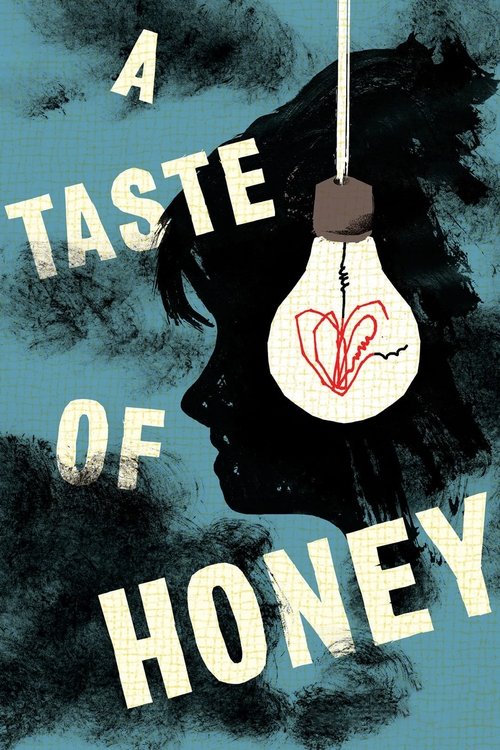
A Taste of Honey1961
Tony Richardson's other great kitchen-sink film, this one following a working-class teenage girl instead of a boy. Same eye for class and cruelty, same refusal to look away from hard lives lived cheaply.
But It's slower and more interior than Loneliness, with less obvious drama to hang onto for most of its runtime.
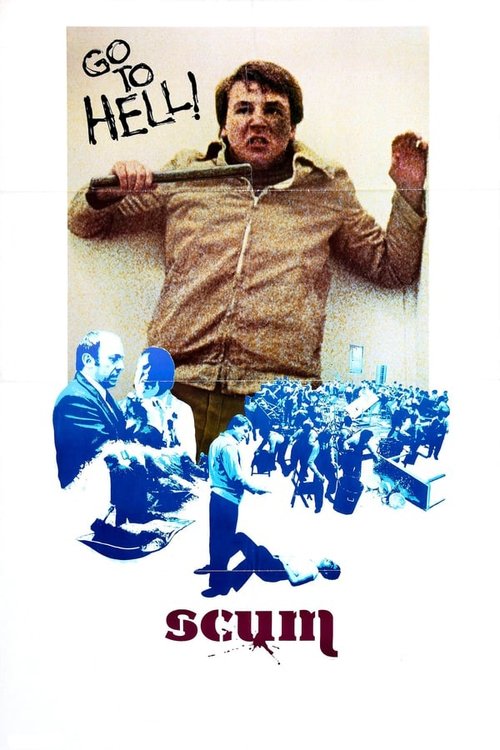
Scum1979
If you want to see where Colin's borstal might have led without a talent for running, this is it—Alan Clarke's brutal, banned-on-first-broadcast look at institutional violence in a British youth detention centre.
But It is genuinely harrowing, with violence that goes well beyond anything Richardson's film shows or implies.
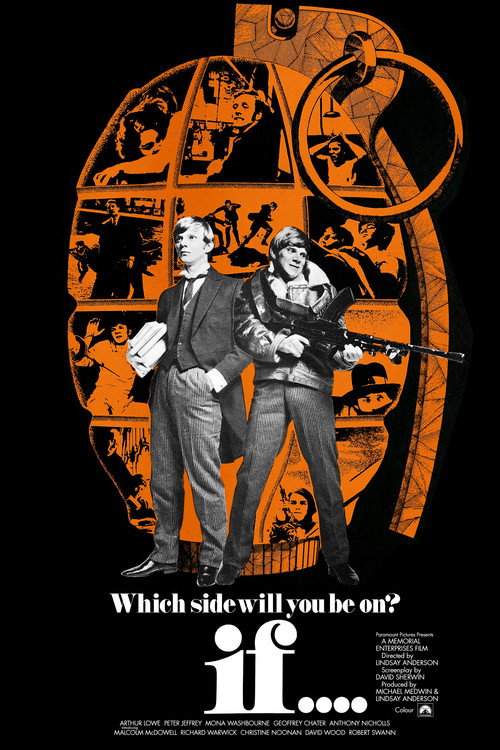
if....1968
Malcolm McDowell leads a public-school revolt against the very institution meant to shape him into an obedient man—class rebellion turned savage, surreal, and eventually literal warfare against authority.
But Its ending tips into fantasy and violence that some find a tonal shock after the realism of the first half.
The Angry Silence1960no page yet
A factory worker refuses to strike with his mates and pays for his individualism dearly—same question Loneliness asks about loyalty, conscience, and what you owe the people around you versus yourself.
But It's talkier and more plot-driven than the New Wave films it sits alongside, less interested in mood.
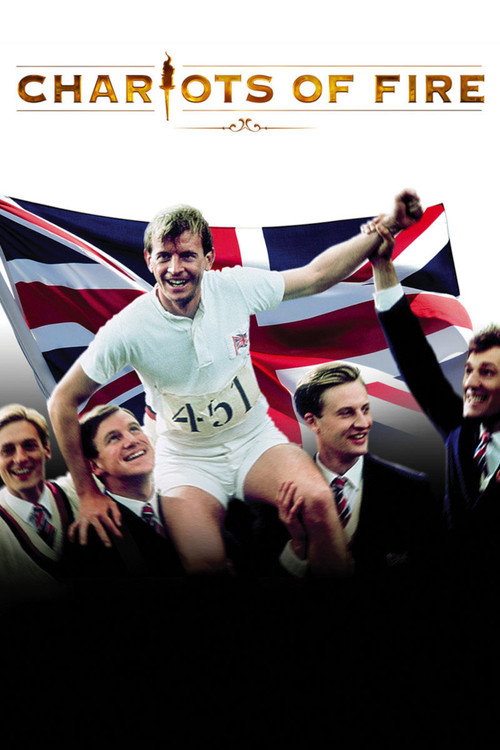
Chariots of Fire1981
Running as identity and defiance, just wrapped in Olympic gold instead of borstal grey. Two very different runners refusing to perform for the people who claim ownership of their achievement.
But It's stirring where Loneliness is bitter—Vangelis and slow motion instead of grit and anger. Tonally, they're opposites.
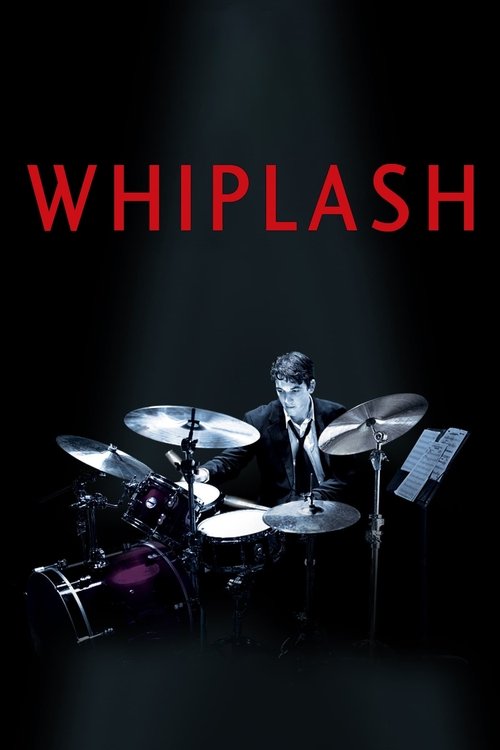
Whiplash2014
Swap the Governor's stopwatch for Fletcher's baton and you have the same story: an older man grooming a gifted kid for his own glory, and the kid's final act of rebellion using the very skill meant to enslave him.
A jazz drummer is pushed to the brink by a mentor who wants him broken and rebuilt in his own image—the same tug-of-war between a young man's talent and an authority figure's need to own it.
But It's slick, American, and glossy where Loneliness is grey and provincial—a completely different visual and emotional register.
People
Cast
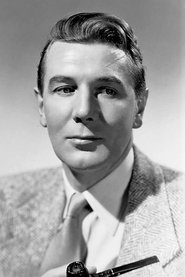 Michael RedgraveRuxton Towers Reformatory Governor
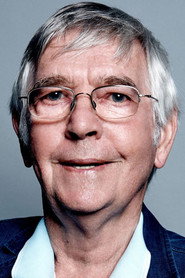 Tom CourtenayColin Smith
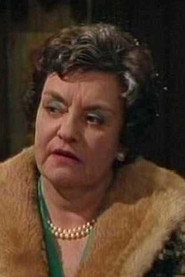 Avis BunnageMrs. Smith
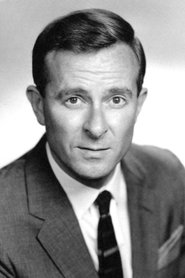 Alec McCowenBrown, House Master
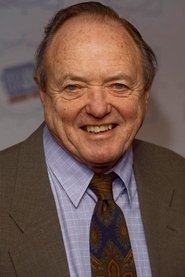 James BolamMike
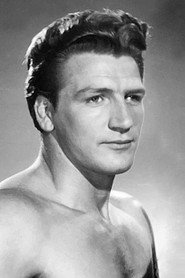 Joe RobinsonRoach
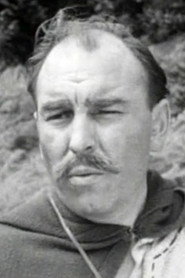 Dervis WardDetective
- Topsy JaneAudrey
 Julia FosterGladys
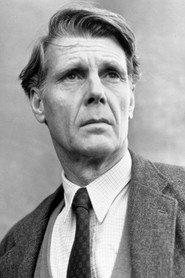 James FoxWilly Gunthorpe - Ranley School Runner (uncredited)
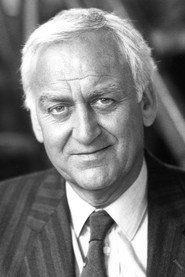 John ThawBosworth (uncredited)
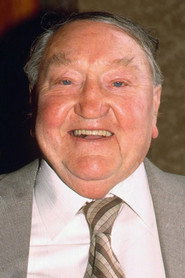 Arthur MullardChief Borstal Officer (uncredited)
Directing
- Basil RayburnAssistant Director
- Tony RichardsonDirector
- Andrew MolloSecond Assistant Director
- John DanischewskyThird Assistant Director
Writing
- Alan SillitoeScreenplay
- Alan SillitoeStory
Production
- Michael HoldenAssociate Producer
- Maude SpectorCasting
- Tony RichardsonProducer
Recommended by
Undefeated, The Barkley Marathons: The Race That Eats Its Young, Hoop Dreams, This Sporting Life, Saturday Night and Sunday Morning