
Film
The Good Time Girls
A 1981 Scottish TV drama about the wives of oil rig workers navigating isolation, desire, and the gap between affluence and fulfilment. Rooted in working-class life, it's intimate and unflinching—a study of how money and proximity can't bridge emotional distance. For those drawn to quietly devastating character studies.
If you liked this
Kes1970
Ken Loach's masterpiece about a working-class boy and his hawk captures the same unflinching eye for lives constrained by circumstance and limited options, shot through with real tenderness.
But It's bleak and offers no redemption; the ending is deliberately hard to watch. Not a comfort film.

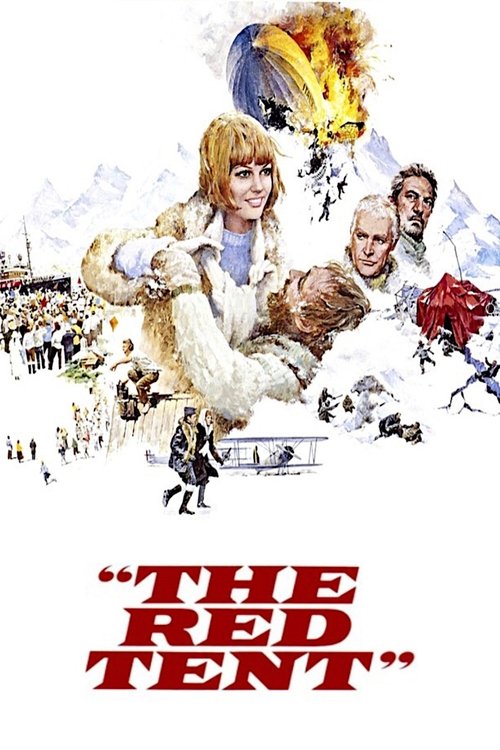
The Red Tent1969
Another study of women isolated by their husbands' ambitions and circumstances, shot in vivid colour, with strong performances from Vanessa Redgrave and Anne Heywood wrestling with desire and obligation.
But It's a period piece and somewhat formal in structure; the Arctic setting is beautiful but cold in ways that match its emotional temperature.
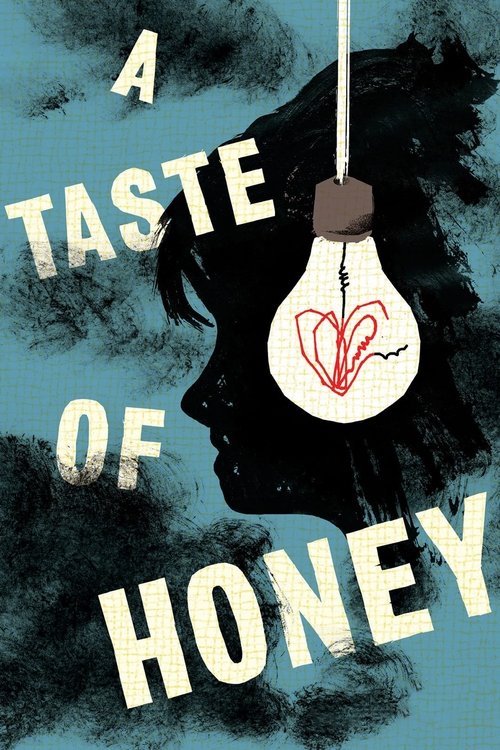
A Taste of Honey1961
Kitchen-sink realism about a young woman navigating sex, class, and belonging in working-class Manchester. Tony Richardson's film has the same sharp eye for how people really talk and the small cruelties of intimacy.
But It's now over 60 years old and some attitudes in it are now dated; the pacing is deliberate, not fast.
Not sure tonight? Get a pick in a minute, starting from The Good Time Girls
The wildcard
Something you would not have found on your own.
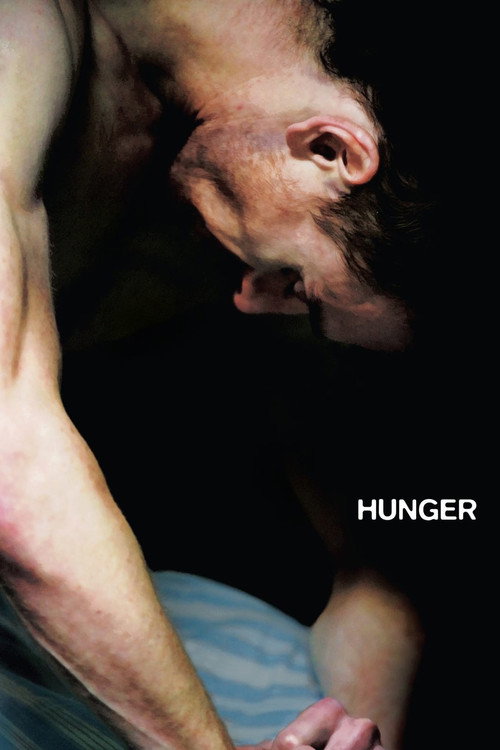
Hunger2008
Both films refuse to soften their characters' circumstances or offer false comfort. They're interested in what happens when people are trapped—physically, emotionally, or politically—and how they hold onto themselves.
Steve McQueen's stunning, almost wordless meditation on the body, resistance, and the cost of principle. It looks nothing like The Good Time Girls but shares its commitment to showing dignity and degradation without flinching.
But It's formally radical and visually spare; long sequences without dialogue. It's about political imprisonment and self-harm, and the final scene is extremely difficult to watch.
More like this (8)
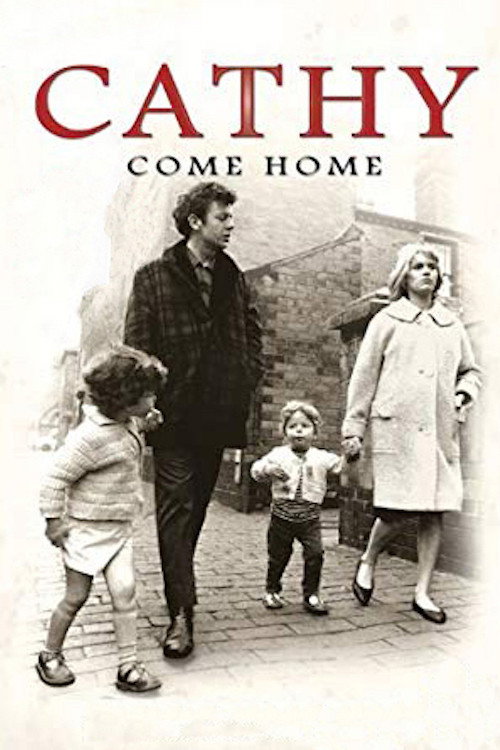
Cathy Come Home1966
Ken Loach's ground-breaking documentary-drama about homelessness and social breakdown. It has that same searing commitment to showing how systems fail ordinary people, with real urgency.
But It's about homelessness and domestic collapse; it's relentless and doesn't offer easy answers or catharsis.
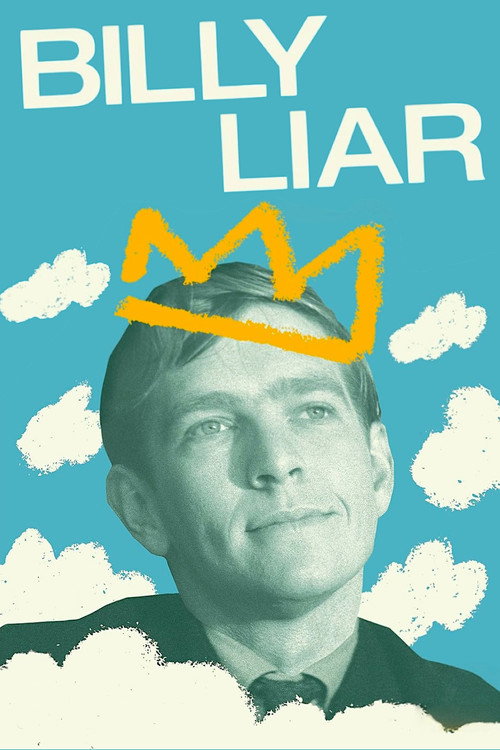
Billy Liar1963
Tom Courtenay and Julie Christie in a Yorkshire drama about escape fantasies and the gap between inner life and outer circumstance. The dialogue sparkles but the underlying sadness is real.
But It's funny in a way that can feel dated now; if you're looking for pure drama without levity, this isn't it.
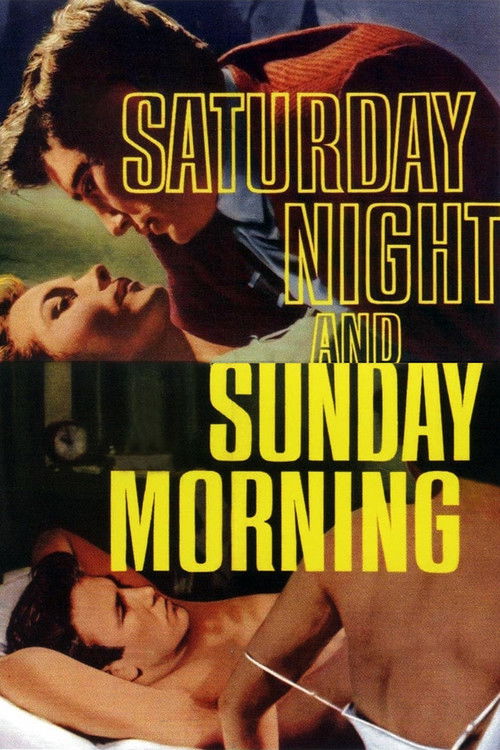
Saturday Night and Sunday Morning1960
Albert Finney in Reisz's classic of working-class rebellion and constraint. Stunning black-and-white cinematography and a visceral sense of place in industrial England.
But The protagonist is objectively not a good person; the film doesn't judge him, and some viewers will struggle with that moral neutrality.
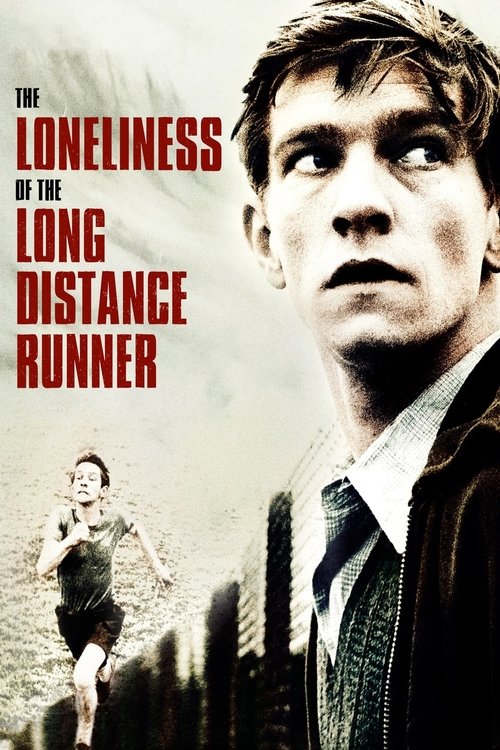
The Loneliness of the Long Distance Runner1962
Another Tony Richardson-Karel Reisz era film, this one about a young man's resistance and the systems that contain him. Formally inventive and moving in unexpected ways.
But It's fragmented in structure and some of the symbolism feels heavy-handed; the pacing is slow.
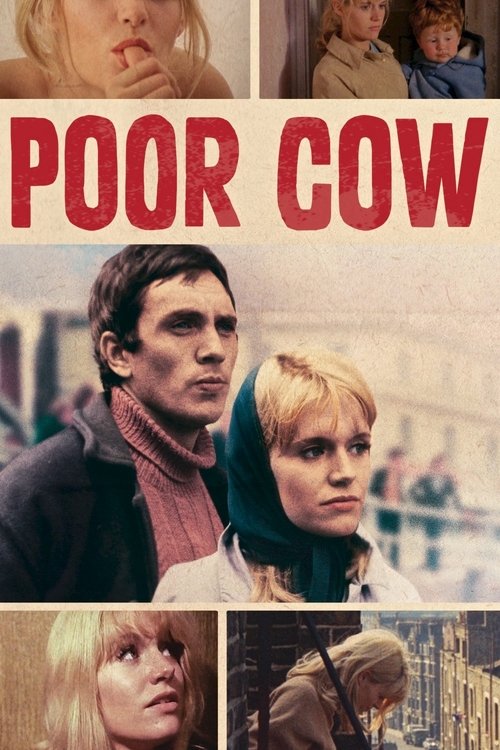
Poor Cow1967
Ken Loach's debut about a young woman adrift in London, trying to build a life with limited options. Raw and sympathetic without being sentimental.
But It's visually rougher than some of these others and the narrative doesn't resolve neatly. The handheld camera work will feel dated to modern eyes.
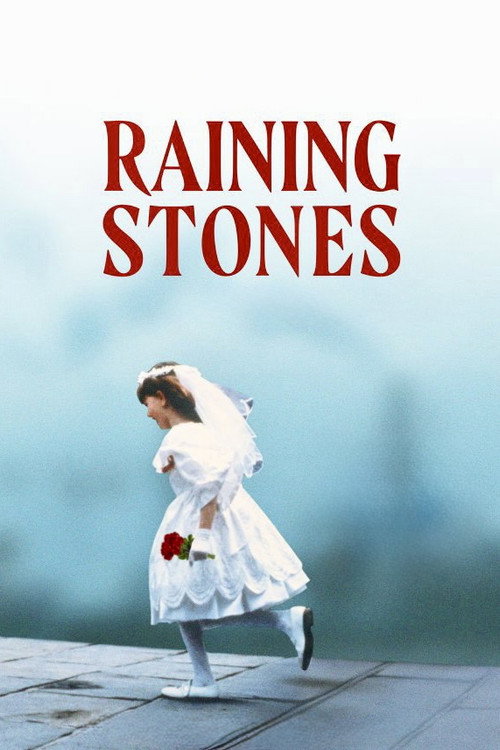
Raining Stones1993
Ken Loach again, but later—a contemporary story of a working man trying to provide for his family and the impossible contradictions he faces. Understated and heartbreaking.
But It's slow and deliberately undramatic; if you want plot momentum, this isn't the film for you.
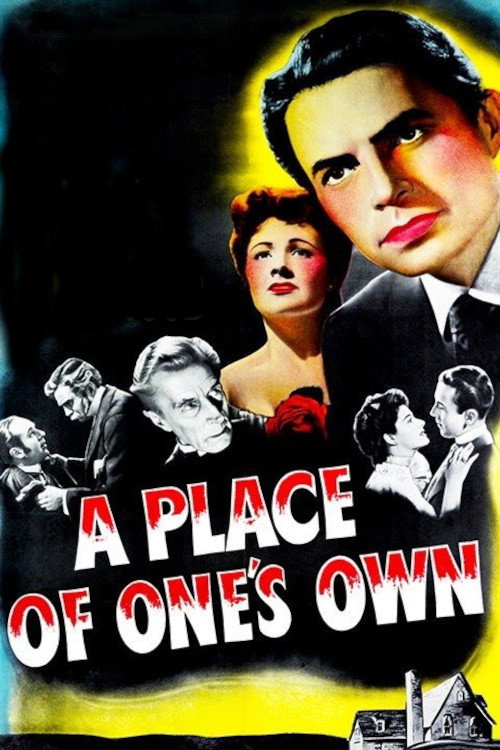
A Place of One's Own1945
Both are about women whose inner lives don't match their outer circumstances, and both use their particular form—working-class drama, gothic mystery—to explore desire and dissatisfaction with devastating precision.
Bernard Knowles' haunting ghost story with James Mason, made at the tail end of the war. It's formally beautiful and unsettling; a woman's desire and alienation expressed through the supernatural, gorgeously shot in black and white.
But It's a period ghost story, not a social drama; if you're looking for kitchen-sink realism, you won't find it here. Some viewers find it too slow.
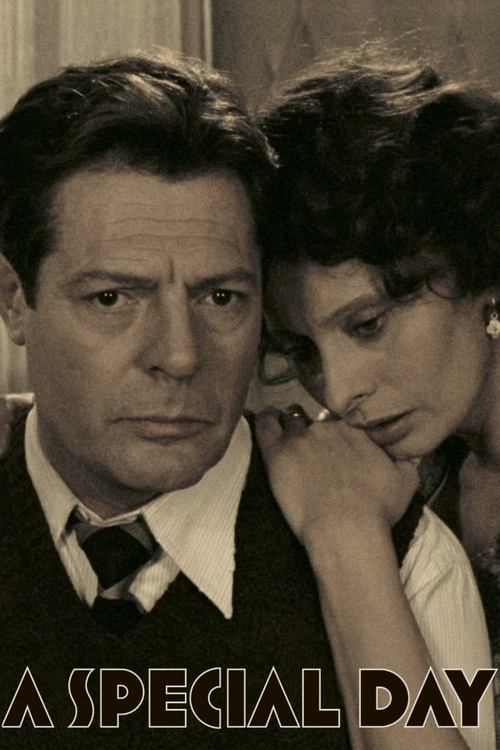
A Special Day1977
It's about connection between isolated people; about the gap between public life and private desire; about what two people can offer each other when they're both trapped in circumstances that don't fit them. The mood is entirely different from Good Time Girls, but the moral architecture is the same.
Ettore Scola's Italian masterpiece: two people—one a homosexual man, one a fascist's wife—meeting on an ordinary day when the rest of Rome is at a rally. Tender, erotic, political, beautifully acted by Sophia Loren and Marcello Mastroianni.
But It's in Italian with subtitles. The intimacy is subdued; it's more about what's unsaid. Some may find the pacing contemplative to the point of stasis.
People
Cast
 Phyllis LoganNancy Park
 Anne KristenElla Burns
 Alexander MortonAlec Park
- Derek AndersHughie Burns
 Benny YoungTony Kelly
- John McGlynnFrank McGrath
- Stewart PrestonBaldy Man
 Jimmy YuillFinlayson
- Charles KearneyDrunk
- Iain Ormsby-KnoxKilted Man
- Steven WhinneryCharlie Nichol
Directing
- Gareth DaviesDirector
Writing
- Alan ClewsWriter
Production
- Pharic MaclarenProducer
- Bob SmartProduction Designer