
Film
Poor Cow
- Social drama
- Very dark
Ken Loach's debut is a grimy, unsentimental portrait of a working-class woman cycling through abusive men and dead-end choices in swinging-sixties London. Shot with documentary urgency and performed by non-actors, it feels like watching someone's actual life come apart—not sympathetic, exactly, but piercingly alive to the texture of poverty and desperation. For anyone who wants cinema that observes rather than judges.
Should you watch it?
Watch it if you like a bruised, unsentimental look at working-class London, where the camera stays close to a woman making poor decisions without moralising at her.
Skip it if you need a plot that builds toward something, since this is episodic and loosely shaped, and its scenes can drift like a sequence of moods rather than a story that tightens.
What it asks of you: Just over an hour and forty minutes, it moves episodically and unhurriedly, with a bleak undertow, and wants patience more than close attention to clever plotting.
Not sure? Find tonight's pick in a minute.
If you liked this
Kes1970
Another Loach film with the same unflinching eye for working-class life, but through a boy's relationship with a hawk. It's tender without being sentimental, and has moments of genuine lightness that Poor Cow lacks entirely.
But The climax is devastating in a way that some find punitive rather than illuminating. Also requires patience with loose narrative structure.

56 Up2012
Michael Apted's longitudinal documentary follows real people from childhood onward. Like Poor Cow, it refuses easy answers and lets life's grinding unfairness speak for itself, but across decades and with even more intimacy.
But At 49 hours across seven films, it's a commitment. Some find the observational style tedious rather than revelatory.
Nil by Mouth1997
Gary Oldman's directorial debut captures the same suffocating domestic violence and poverty as Poor Cow, but with rawer language and even less distance. Absolutely uncompromising portrait of a family in freefall.
But It's bleak and profane in ways that can feel gratuitous. The hand-held camera work is deliberately ugly, which some find unwatchable rather than honest.
Not sure tonight? Get a pick in a minute, starting from Poor Cow
The wildcard
Something you would not have found on your own.
The Death of Mr. Lazarescu2005
Where Poor Cow shows how individual choices and circumstance compound to trap someone, Lazarescu shows how institutions do the same thing. Both refuse the comfort of blame—neither protagonist is bad, they're just caught.
Cristi Puiu's Romanian film follows an old man through a hospital system that neither helps nor actively harms—just bureaucratically grinds on. It's a slower film than Poor Cow, but with the same pitiless observation of how systems fail individuals. Quietly devastating.
But It's 154 minutes of watching someone navigate hospitals. If you need plot momentum or emotional climaxes, this will feel punitive rather than illuminating.
More like this (7)
Cathy Come Home1966
A BBC play that sparked national outrage about homelessness. It has Poor Cow's documentary feel and its focus on a woman trapped by circumstances, but with even greater social anger simmering underneath.
But Shot on videotape in the studio style of the era, it looks dated in a way that can distance you from the material. The earnestness can feel heavy-handed to modern viewers.
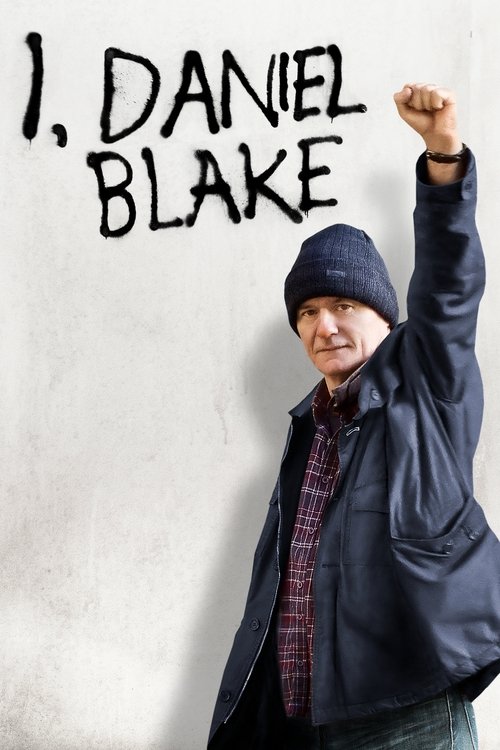
I, Daniel Blake2016
Loach's own late-career masterpiece returns to his Poor Cow territory—ordinary people ground down by systems that don't care. If you want to see what Loach learned in fifty years, this is it: angrier, clearer, and still heartbreaking.
But It's a deliberate polemic about welfare bureaucracy. If you find the politics obvious or preachy, the film won't change your mind.
Mona Lisa1986
Bob Hoskins as a petty criminal drawn into the world of a sex worker (Cathy Tyson). Like Poor Cow, it's a portrait of desperation and bad choices, but with a strange tenderness that creeps up on you.
But The film swerves tonally between crime thriller and character study, which some find uneven. It also trades in some uncomfortable sexual material.

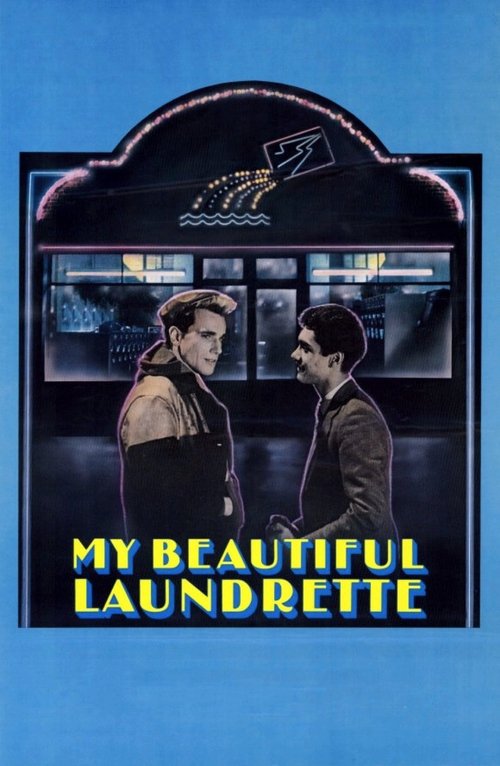
My Beautiful Laundrette1985
Stephen Frears directing a Stephen Poliakoff script about class and sexuality in Thatcher's London. It has the same gritty immediacy and refusal to make things easy for its characters, but with more energy and darkly funny dialogue.
But It's a film about gay desire that some viewers find morally objectionable. The low-budget video aesthetic takes adjustment.
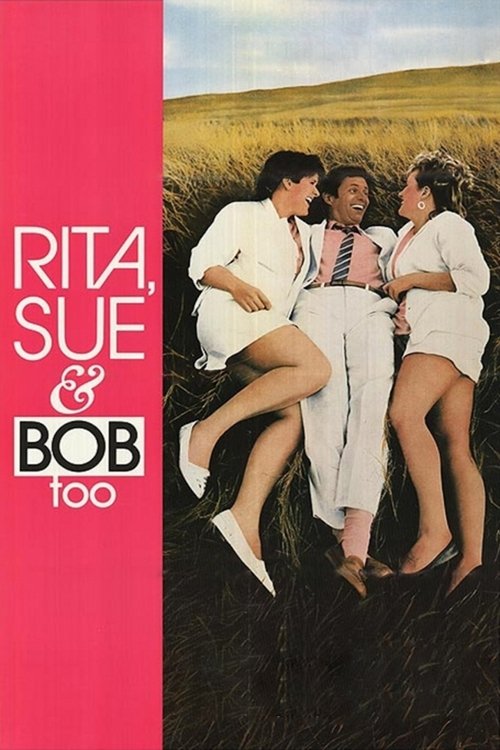
Rita, Sue and Bob Too1987
Another unflinching look at young women with few options, trapped between a negligent system and their own bad judgment. Shot with the same observational realism as Poor Cow, and surprisingly funny about tragedy.
But It contains sexual material involving teenagers that's presented without condemnation, which makes some uncomfortable. The ending offers no resolution or comfort.
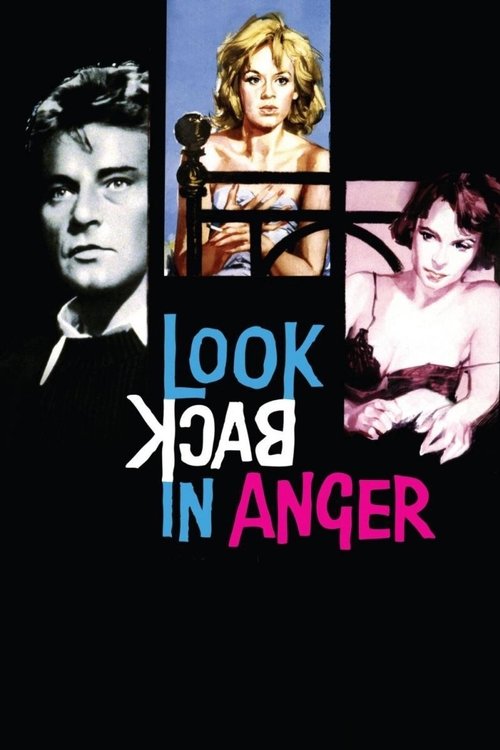
Look Back in Anger1959
An earlier portrait of working-class rage and disappointment, adapted from Osborne's play. It shares Poor Cow's sense that life offers no redemption for ordinary people, just different flavors of resentment.
But The protagonist is actively contemptible in ways that make the film hard to sit with. It also feels more theatrical than cinematic.
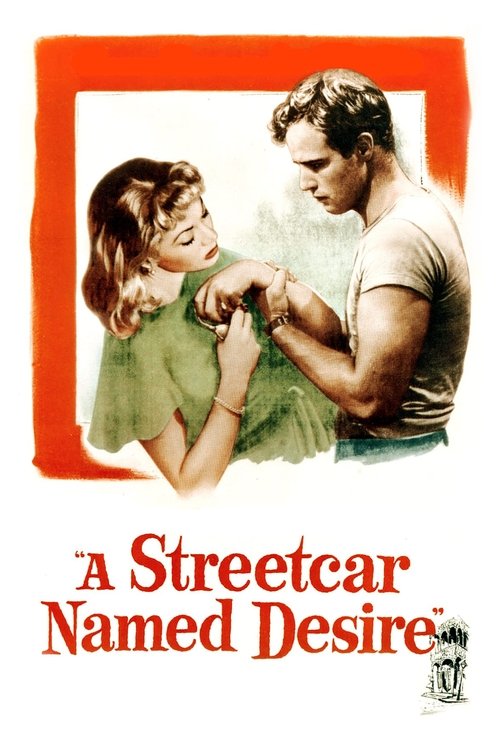
A Streetcar Named Desire1951
Both feature women reduced to dependency on men, cycling through relationships born of desperation rather than choice. But where Loach documents this with a camera, Tennessee Williams makes it tragic and operatic. The structure is inverted—one's a play adapted for film, the other film pretending to be a documentary.
Vivien Leigh and Marlon Brando in a film about a woman with nowhere to go and a man who exploits that fact. It's melodrama to Poor Cow's naturalism, but underneath both is the same truth: women without resources are vulnerable to predation, and society calls it fate.
But It's theatrical and mannered in ways that feel very 1951. Brando's Method acting can read as self-indulgent. The sexual violence is presented in a way that modern viewers might find complicit rather than critical.
People
Cast
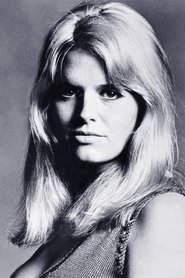 Carol WhiteJoy
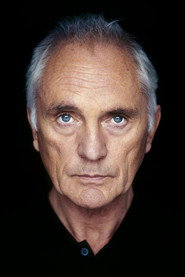 Terence StampDave Fuller
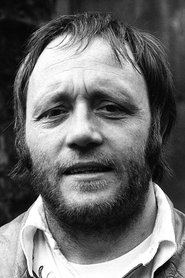 John BindonTom
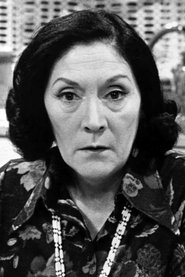 Queenie WattsAunt Emm
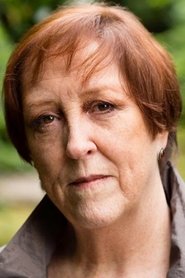 Kate WilliamsBeryl
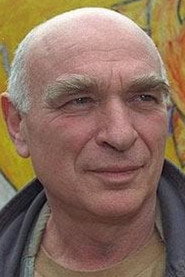 Ken CampbellMr. Jacks
 Paddy JoycePhoto Studio Guvnor
 George ToveyPhotographer
 Billy MurrayTom's Mate
 Ron PemberPetal
 Anna KarenNeighbour
Directing
- Andrew GrieveAssistant Director
- Penny EylesContinuity
- Ken LoachDirector
Production
- Edward JosephAssociate Producer
- Miriam BrickmanCasting
- Joseph JanniProducer
Recommended by
The Limey, A Kind of Loving, The L-Shaped Room, Up the Junction, Up the Junction, Pressure, Chelsea Girls, The Reckoning, The Good Time Girls, The Cheviot, the Stag and the Black, Black Oil