
Film
Rita, Sue and Bob Too
A 1987 British comedy-drama about two working-class teenage girls on a Bradford estate whose babysitting gig turns into a sexual relationship with their employer. It's brash, funny, uncomfortable, and unafraid to let its characters be messy and complicit rather than simply victimized. A film that still stings because it refuses easy moral positioning.
Should you watch it?
Watch it if you want unsparing British kitchen-sink realism, where the bleakness is observed rather than sensationalised, and the girls' sharp, unsentimental voices carry the scenes even when the situation curdles.
Skip it if you cannot sit comfortably with an adult man exploiting teenagers as a central thread; the film keeps that unease in the room and offers little relief from it.
What it asks of you: Ninety-four minutes of patient, grey estate life, long stretches of flat talk and small humiliations; it wants full attention and a strong stomach for its tone.
Not sure? Find tonight's pick in a minute.
If you liked this
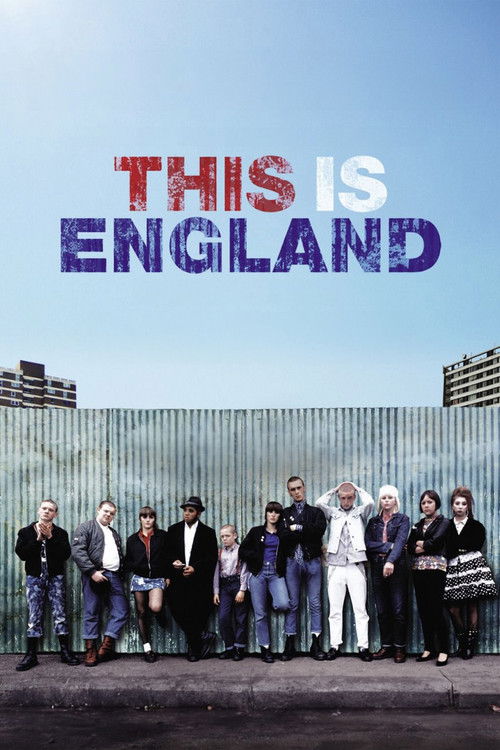
This Is England2007
Follows young working-class characters through a specific British landscape with the same unflinching eye for class, community, and how people actually talk. Shane Meadows captures the texture of lives that mainstream cinema ignores.
But Slower and more deliberately melancholic than Rita, Sue and Bob Too. The violence, when it comes, is genuinely disturbing rather than darkly comic.
Kes1970
Ken Loach's classic about a working-class Yorkshire boy and his hawk. It has the same unsentimental warmth and eye for how institutions fail ordinary people. Loach invented this register.
But Made nearly twenty years before Rita, Sue and Bob Too. The pacing is deliberate. Some may find it more depressing than entertaining.

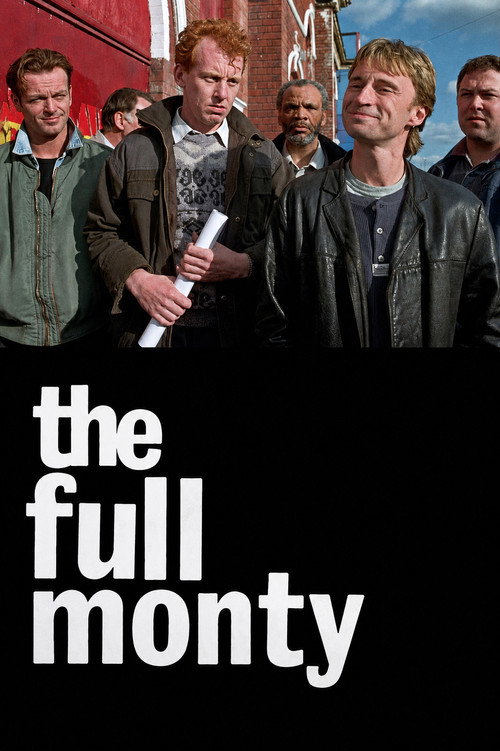
The Full Monty1997
Also set in the north of England, also about working-class people making their own way through economic collapse. Warmer in tone but with the same specificity about place and community and the small humiliations of being poor.
But It's a feel-good film. If you're looking for the moral complexity and edge of Rita, Sue and Bob Too, you won't find it here.
Not sure tonight? Get a pick in a minute, starting from Rita, Sue and Bob Too
The wildcard
Something you would not have found on your own.
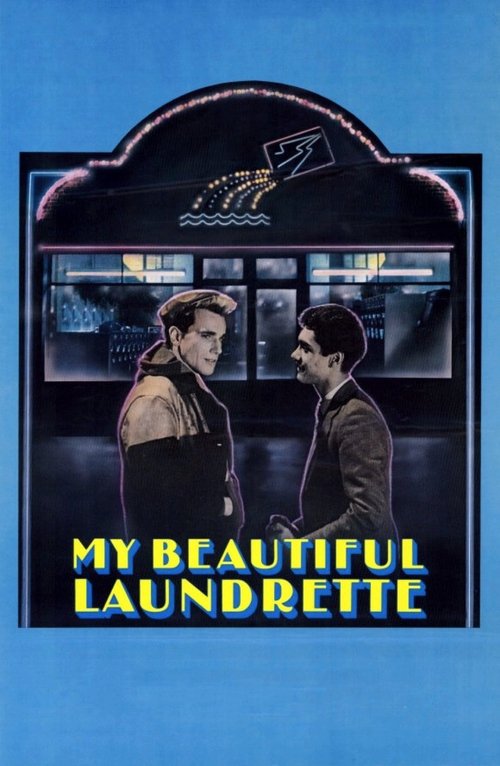
My Beautiful Laundrette1985
Both are British films from the mid-1980s that use sexual relationships as a way to explore power, class, and what survival looks like under Thatcherism. Both refuse to condemn their characters even when they're behaving badly. Both were controversial and both still hold up.
Stephen Frears directed this two years before Rita, Sue and Bob Too. It's also about power and sex and survival on the margins of Thatcher's Britain, but it's a love story. Also shocking, also funny, also uninterested in moral judgment. Hanif Kureishi wrote it and it crackles.
But It's about a gay relationship between a Pakistani-British man and a white working-class man. If you came to Rita, Sue for the heterosexual domestic comedy, the focus is very different. It's also more formally experimental—less naturalistic than more stylized.
More like this (7)
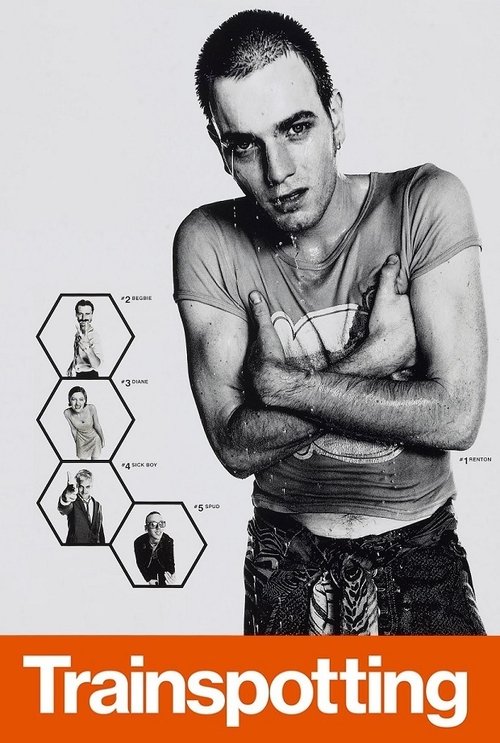
Trainspotting1996
Refuses to prettify its characters or their choices. Young people in poverty making awful decisions, treated with dark humour and complete lack of judgment. Same era, same willingness to show complicity.
But Scottish, urban, focused on addiction rather than sex. The style is much more stylized and theatrical. Tonally very different despite the overlap.
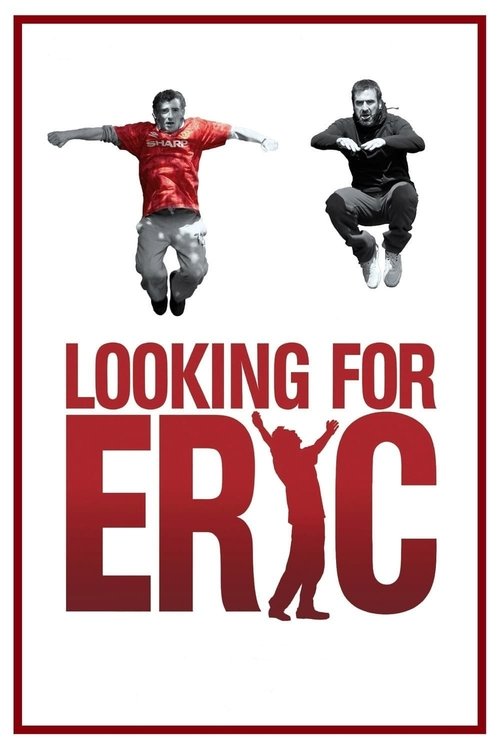
Looking for Eric2009
Ken Loach again, this time a comedy about a postman in Manchester dealing with his blended family. Shows his lighter side while maintaining the same commitment to working-class specificity and emotional honesty.
But It's gentler and more openly sentimental. The stakes are smaller. If you want bite rather than warmth, this softens the approach.
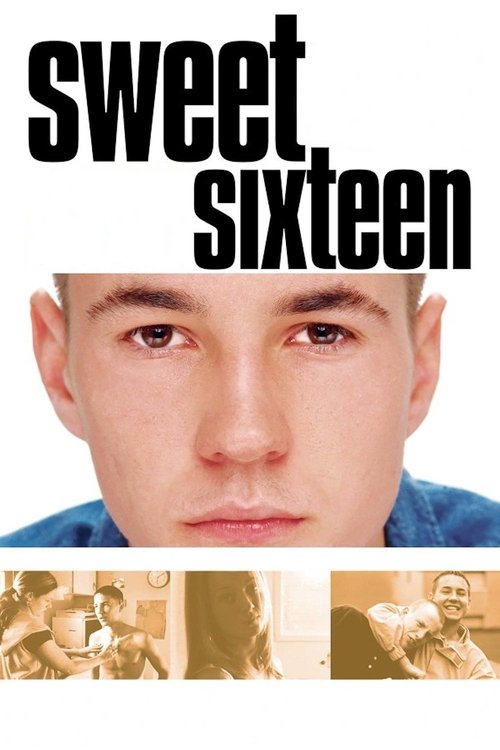
Sweet Sixteen2002
A Scottish teenager trying to survive on his own with the same unflinching camera and documentary realism. Loach again, proving his consistency. Raw and uncompromising about what poverty actually costs young people.
But Very dark and sometimes brutal. The ending is not redemptive. It's closer to tragedy than to comedy, which may not be what you're after.
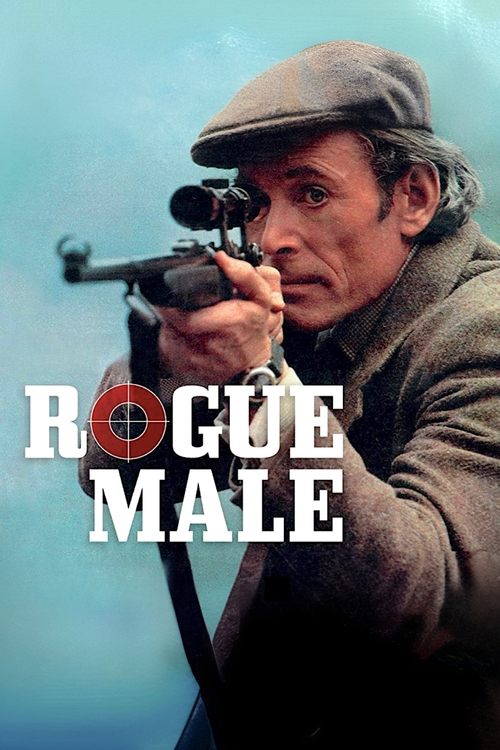
Rogue Male1976
A British thriller with an experimental edge, made for television when TV could take real risks. It has that 1970s-80s willingness to make audiences uncomfortable rather than reassure them.
But It's a spy thriller, completely different genre. The connection is temperament rather than subject matter. Some will find it too dated.
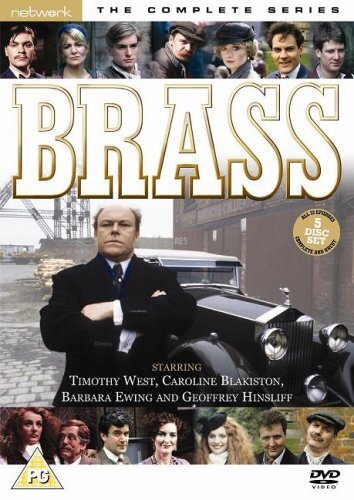
Brass1983
A comedy-drama set in a northern English town, written by John Godber who also wrote Rita, Sue and Bob Too. Same dark humour about working-class life, institutions, and how power gets abused.
But It's about local politicians rather than teenagers. The humour is more situational. Harder to find now, and the TV production values feel very dated.
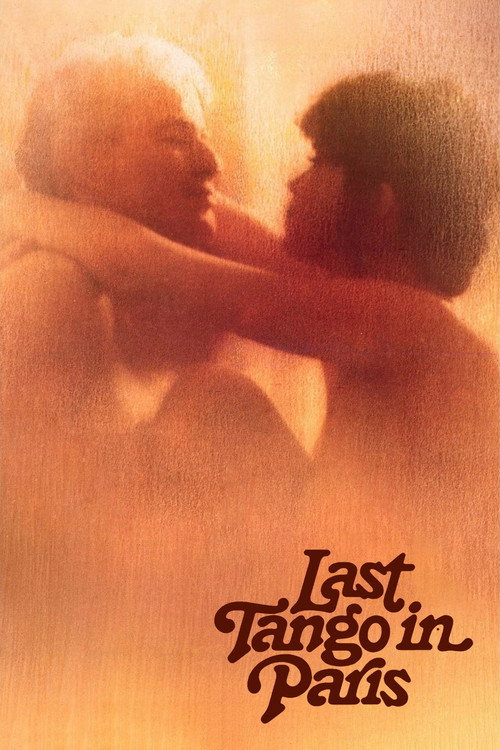
Last Tango in Paris1972
Both films center a recurring sexual arrangement between people of different power and status. Both ask the audience to sit with discomfort rather than resolve it neatly. Both refuse to make one party simply the villain and the other the victim. Both are morally unsettling in interesting ways.
Bernardo Bertolucci's film about two strangers who meet in an empty Parisian apartment and begin an intensely sexual, emotionally blank relationship. It's explicit, it's uncomfortable, it's about what happens when desire and power meet with no social framework. Nothing like Rita, Sue in tone—it's austere and artful—but the engine is identical.
But It's in Italian and French. It's much more formally demanding and much slower. The sex is graphic in a way that was shocking even for 1972. It's melancholy and occasionally pretentious. Very different register entirely.
In the Mood for Love2000
Both films are structured around a recurring encounter, a geography of where people meet, and the tension between what characters actually say and what they're feeling. Both use location—council estate or cramped apartment—as a character in itself. Both are about desire as something that structures daily life and social reality, not as background to a bigger story.
Wong Kar-wai's film about two neighbours in 1960s Hong Kong who begin to fall in love after discovering their spouses are having an affair with each other. It's achingly beautiful and completely controlled—every frame composed like a painting. About desire and proximity and the unbridgeable gap between people.
But It's the opposite of Rita, Sue in almost every way: it's visual rather than verbal, restrained rather than brash, about suppression rather than expression. The pacing is glacial. There's barely a plot. If you want social realism and working-class specificity, this is decorative and mannered and set among the middle classes.

People
Cast

 Siobhan FinneranRita

 Lesley SharpMichelle
 Kulvinder GhirAslam
 Willie RossSue's Father
- Danny O'DeaPaddy
- Maureen LongRita's Mother
- Patti NichollsSue's Mother
- Joyce PembrokeLawnmower Lil
 Bernard WrigleyTeacher
- Jane AtkinsonHelen
Directing
- Mike GowansAssistant Director
- Alan ClarkeDirector
Writing
- Andrea DunbarWriter
Production
- Beverley KeoghCasting
- Patsy PollockCo-Producer
- Oscar LewensteinExecutive Producer
- Sanford LiebersonProducer
Recommended by
Kes, The Arbor, A Taste of Honey, Billy Liar, Poor Cow, Wish You Were Here