
Film
Pressure
Other titles called Pressure: the 2015 film.
Pressure is a 1976 British drama about a young Black man caught between his immigrant parents' expectations and the reality of 1970s London's racial hostility. It's a quietly urgent film about identity, belonging, and the slow crush of systemic exclusion. For anyone interested in how British cinema addressed race in its moment, or seeking a portrait of cultural displacement that refuses easy answers.
Should you watch it?
Watch it if you care more about a restless young man's inner tug-of-war than about plot, and you like character-led drama that watches ordinary family life with patience and a clear eye.
Skip it if you need brisk momentum, because it lingers on talk and mood, and stretches its scenes until the quiet starts to feel like a test.
What it asks of you: Settle in for a little over two hours of unhurried scenes, with much of the tension carried by silences, glances and domestic exchanges rather than by plot turns.
Not sure? Find tonight's pick in a minute.
If you liked this
Moonlight2016
A lyrical, intimate portrait of a young Black man's life across three periods, exploring identity and desire with the same emotional precision and refusal to simplify that Pressure brings.
But It moves slowly and asks patience; the narrative is deliberately fragmented rather than propulsive. Some find the abstraction frustrating.

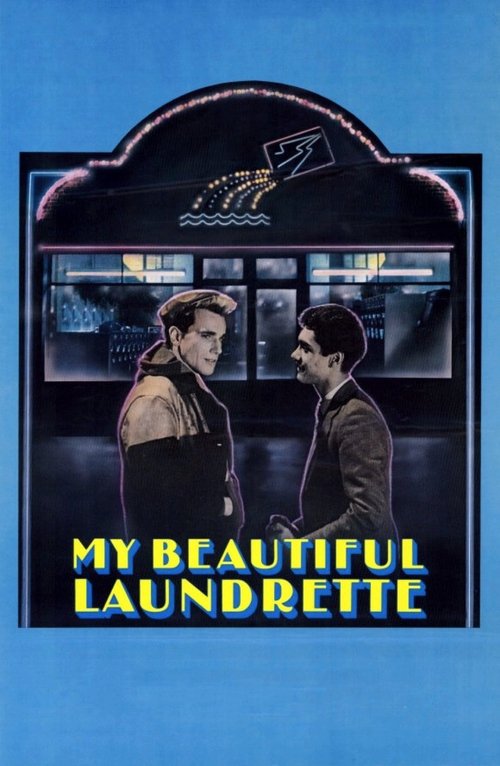
My Beautiful Laundrette1985
Another British film about young men navigating race, class, and belonging in London, mixing social realism with unexpected tenderness. Hanif Abdulghani's script has similar bite.
But The sexual politics may challenge some viewers; it's also formally rougher than you might expect from a mainstream recommendation.
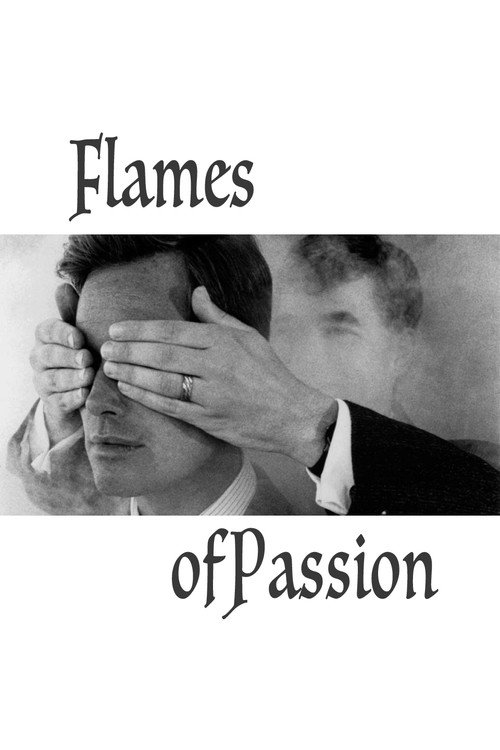
Flames of Passion1989
A later British-Caribbean drama that builds on the groundwork Pressure laid, exploring similar tensions between heritage and assimilation in the Black British experience.
But It's less well-distributed than the above; harder to find and less polished, though that rawness is part of its appeal.
Not sure tonight? Get a pick in a minute, starting from Pressure
The wildcard
Something you would not have found on your own.
The Battle of Algiers1966
Both refuse to let viewers off the hook by offering personal triumph as substitute for systemic change. The formal and geographical distance makes the thematic alignment more powerful, not less.
A Pontecorvo masterpiece about colonial occupation and resistance. It shares Pressure's unflinching clarity about systemic violence, but shifts register entirely—from personal to political, from psychological to tactical. A companion piece on how power and identity collide.
But It's explicitly about armed revolutionary struggle in Algeria. The formal distance from British domestic drama is vast. Some viewers find the propagandistic clarity uncomfortable.

More like this (7)
Stalker1979
Both films use a measured, observational style to examine alienation and the search for meaning within constrained lives. Tarkovsky's metaphysical approach and Pressure's social realism reach surprisingly similar emotional ground.
But Stalker is glacially paced and abstract; it demands surrender rather than engagement. Entirely different in tone, though thematically aligned.

Kes1970
Ken Loach's portrait of a young working-class boy in Northern England shares Pressure's documentary eye and refusal to sentimentalize poverty or limitation. Both are about young men squeezed by circumstance.
But It's grim and offers no redemption arc. The working-class British setting might feel geographically narrow if you're seeking broader representation.

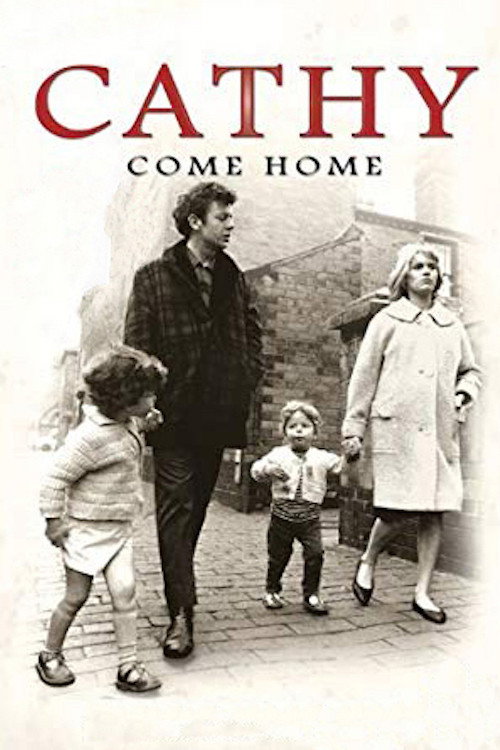
Cathy Come Home1966
A BBC television film that helped define socially conscious British cinema. Like Pressure, it documents systemic failure and personal devastation with urgent clarity and no false comfort.
But Made for television in the 1960s; the technical quality shows its age. The pacing reflects its era—deliberate in ways that can feel slow today.
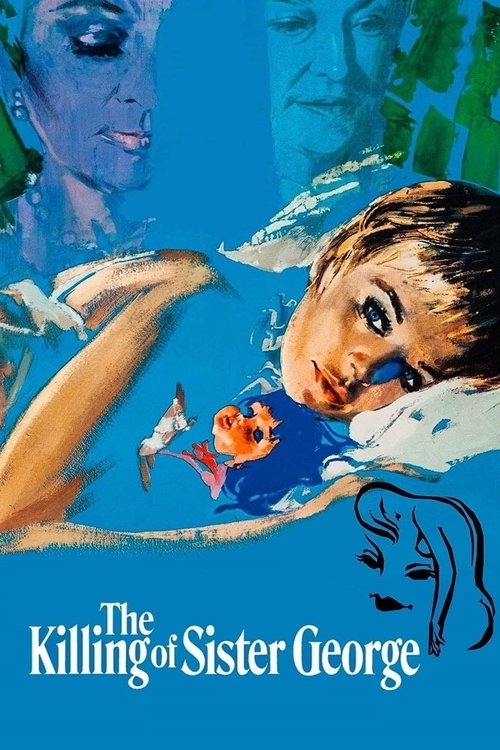
The Killing of Sister George1968
A 1960s British drama about marginalization and the precariousness of belonging within society's structures. Shares Pressure's unflinching view of how systems exclude and diminish.
But The focus is on lesbian experience in mainstream society; the particular resonances won't align with every viewer's entry point into the film's themes.
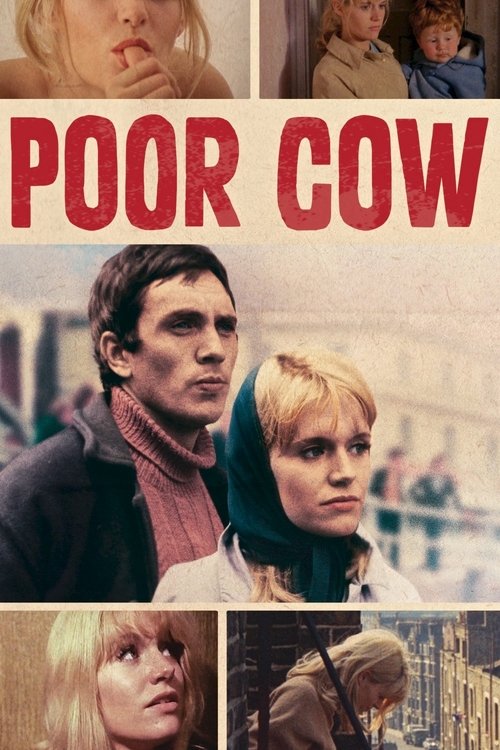
Poor Cow1967
Ken Loach's debut is another portrait of economic and social constraint, following a young woman through precarity with the same observational gentleness that Pressure brings to its protagonist.
But It's explicitly about poverty and desperation; deliberately anti-romantic in ways that can feel relentless. Some may find the accumulated hopelessness exhausting.
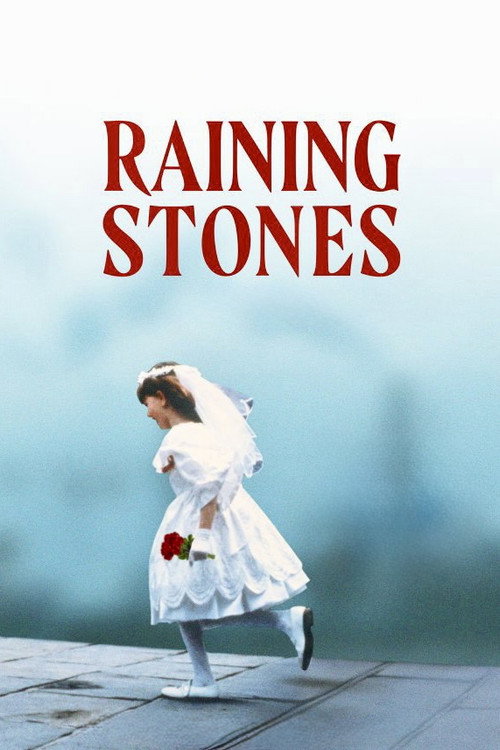
Raining Stones1993
Loach returns to themes of belonging and social pressure, this time through a working-class father's struggle to maintain dignity. The spiritual and temporal distance from Pressure actually underscores their shared moral vision.
But It's a Loach film set in 1990s Manchester, so if his style doesn't work for you, this won't change your mind. Some find his approach didactic rather than moving.
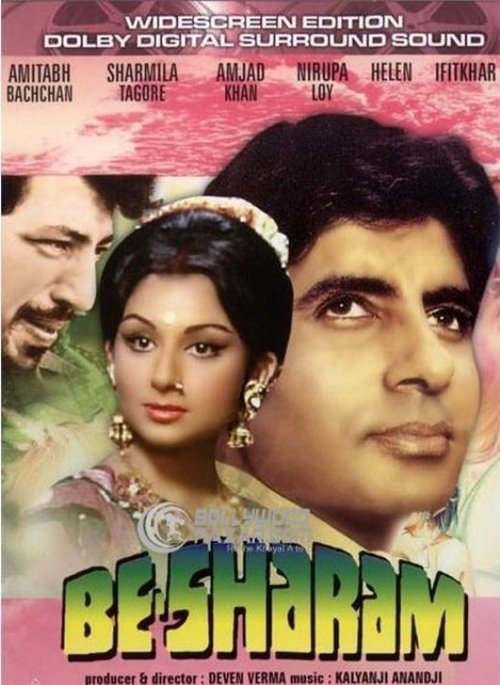
Besharam1978
Both are 1970s films about young men caught between immigrant parents' honor and host country's indifference, but they spoke to different audiences in different languages. Together they argue that Pressure's story was happening everywhere, and being told everywhere, usually to those communities only.
A Bollywood drama that grapples with similar themes of intergenerational conflict, shame, and belonging—but through the grammar of Indian popular cinema's melodrama and music. It's proof that the tension Pressure captures isn't unique to Britain, but universal to diaspora.
But It's in Hindi with English subtitles, and built on Bollywood conventions Pressure never touches. If you're seeking narrative familiarity, the emotional register will feel foreign. The length and pacing are very different.
People
Cast
 Herbert NorvilleTony
 Oscar JamesColin
- Corinne Skinner-CarterTony's Aunt
- Frank SinguineauLucas
- Lucita LijertwoodBopsie
- Sheila Scott-WilkensonSister Lousie
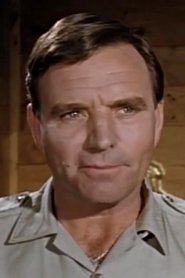 Ed DevereauxPolice Inspector
- T-Bone WilsonJunior
 Ram John HolderBrother John
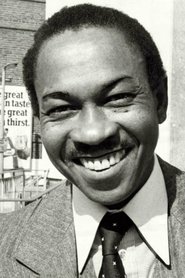 Norman BeatonPreacher
- John F. LandryMr Crapson
 Archie PoolOscar
Directing
- Horace OvéDirector
Writing
- Horace OvéScreenplay
- Samuel SelvonScreenplay
Production
- Robert BucklerProducer
Recommended by
Skinhead Attitude, Desmond's, The Caretaker, Babylon, Burning an Illusion, Gangsters, Flame in the Streets