
Film
Flame in the Streets
A 1961 British kitchen-sink drama about a white working-class family convulsed when their daughter falls for a Black Jamaican man. It's an unflinching portrait of everyday racism in post-war London, where good people grapple with prejudice they can't quite shake. Uncomfortable, honest, and surprisingly modern in its refusal to let anyone off easy.
If you liked this
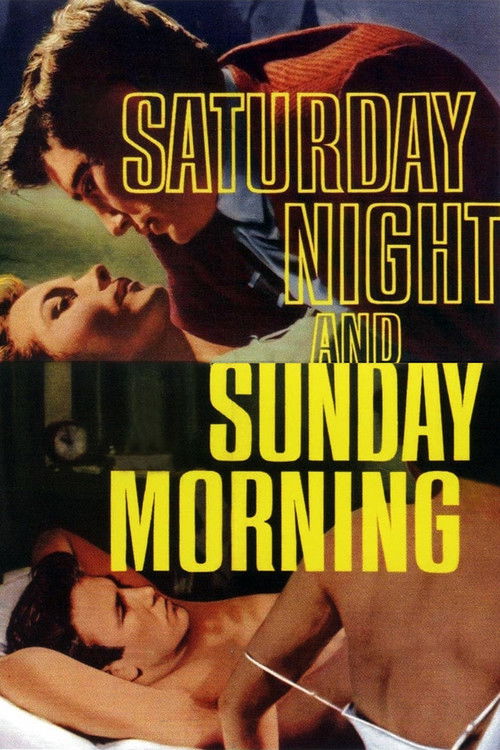
Saturday Night and Sunday Morning1960
Albert Finney's raw turn as a factory worker navigating desire, class resentment and moral compromise. Like Flame in the Streets, it finds dignity and contradiction in working-class life without condescension.
But The relentless grimness can feel exhausting. It's shot in grainy black-and-white and offers no redemptive arc, just survival.
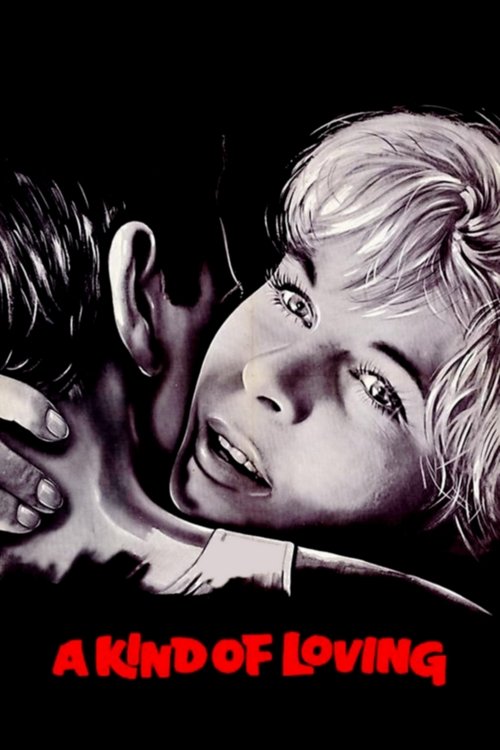
A Kind of Loving1962
Another kitchen-sink masterpiece about a young couple forced into marriage, dealing with in-laws and social expectation. Same era, same unflinching eye for how ordinary people trap themselves.
But The gender politics, though honest to the period, will make modern viewers wince. It's bleak and slow-moving.
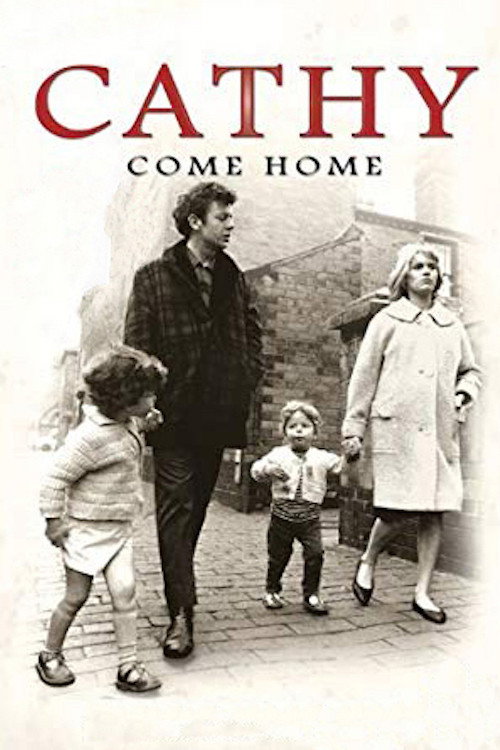
Cathy Come Home1966
A Play for Today that shattered British television by showing homelessness as structural, not moral failure. Angry, compassionate, and socially urgent in exactly the way Flame in the Streets is.
But It's a TV play from 1966, so the production values are minimal. The ending leaves you angry rather than satisfied.
Not sure tonight? Get a pick in a minute, starting from Flame in the Streets
The wildcard
Something you would not have found on your own.
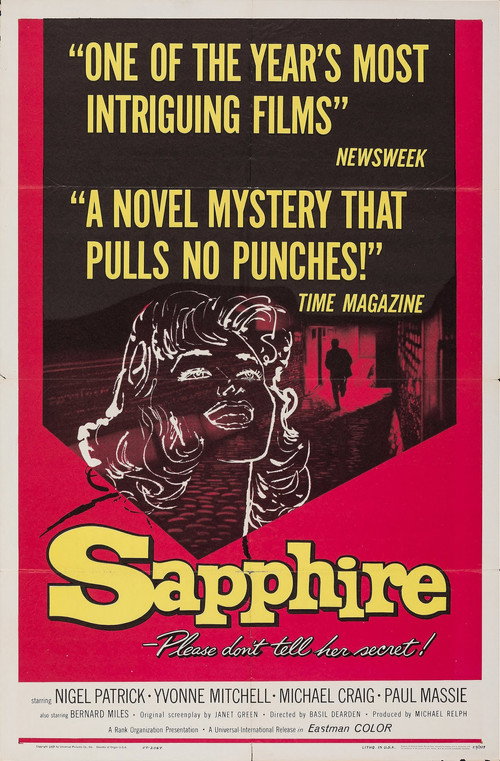
Sapphire1959
Both British films from the same moment grappling with racism in everyday spaces, but Sapphire approaches it as a mystery to solve while Flame in the Streets treats it as an insoluble domestic catastrophe.
A police procedural about a murdered Black woman, which forces white detectives (and us) to confront their own racism. It reaches for the same moral reckoning as Flame in the Streets but through genre.
But It's a whodunit first, so the racial examination sits within a conventional detective framework. Less intimate than Flame in the Streets, more plot-driven.
More like this (8)
Kes1970
Ken Loach's masterpiece about a working-class boy and his hawk. Tender where Flame in the Streets is tense, but the same documentary eye for how class shapes destiny.
But The school scenes are harsh. It's slow, and the ending devastates rather than resolves.

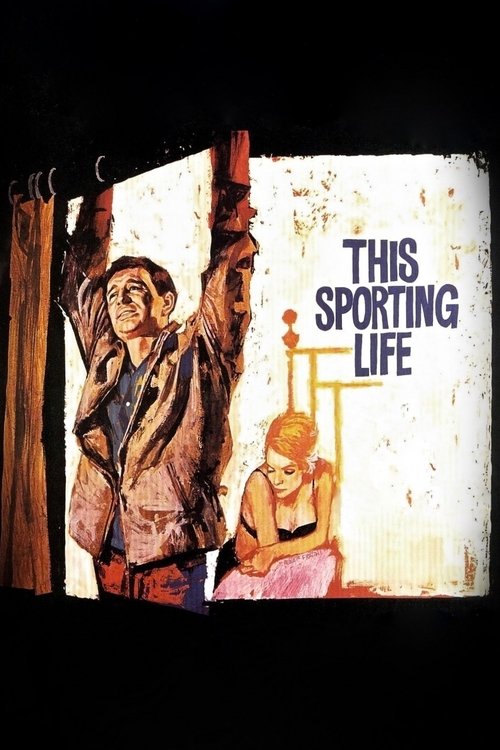
This Sporting Life1963
Richard Harris as a rugby player trying to claw his way up while loving a widow who won't let him in. Class, masculinity, desire—all the tensions that animate Flame in the Streets.
But It's blunt about sex and violence. The protagonist is difficult and the film doesn't soften him for comfort.
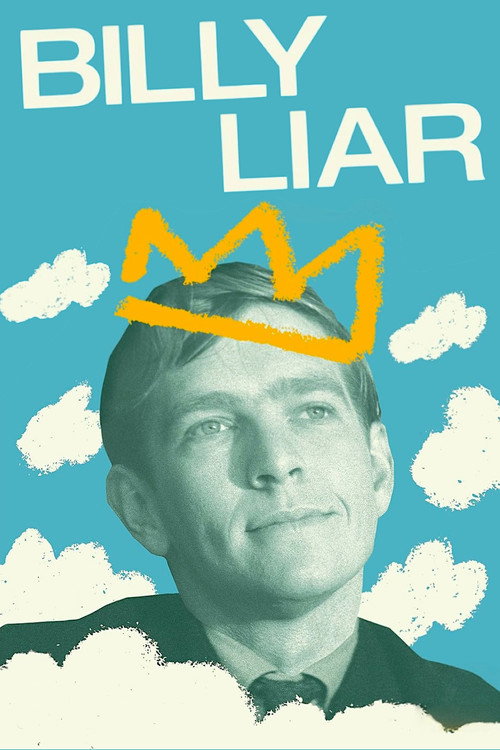
Billy Liar1963
Tom Courtenay escaping provincial life through fantasy and lies. It has the social observation and dark comedy of the kitchen-sink movement, just lighter on its feet.
But The whimsy doesn't land for everyone. Some find it mannered where Flame in the Streets is raw.
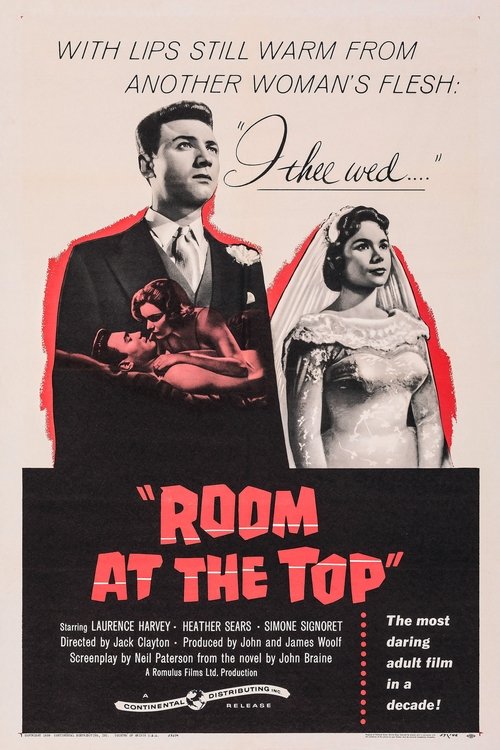
Room at the Top1958
Laurence Harvey's social climber seducing his way out of the working class. It shares Flame in the Streets' interest in how desire and class collide, and how good people do bad things.
But It's structured around the male gaze in ways that feel dated. The woman's perspective gets short shrift.
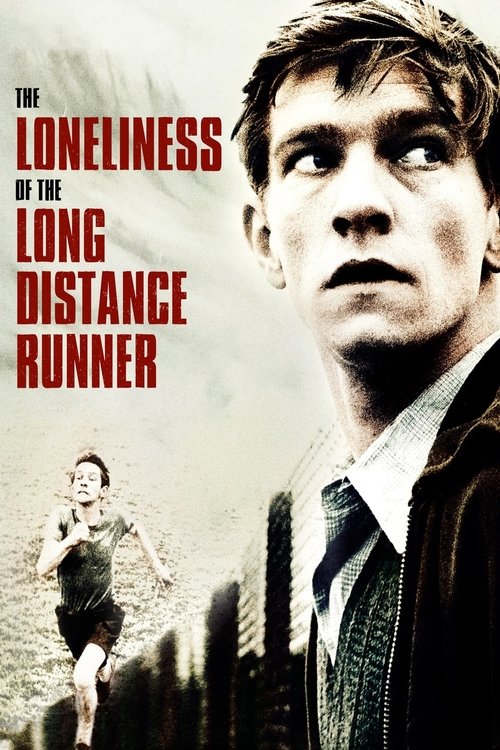
The Loneliness of the Long Distance Runner1962
Tom Courtenay again, as a young offender at a borstal. Simmering anger at authority and class, shot with the same social precision as Flame in the Streets.
But It's bleak and digressive. The structure mirrors the protagonist's resistance, which some find frustrating rather than clever.
Bend It Like Beckham2002
A later film that revisits Flame in the Streets' central question—family, prejudice, and love across boundaries—but with warmth and comedy instead of dread.
But The tone is fundamentally lighter and more optimistic. If you're drawn to Flame in the Streets for its refusal to comfort, this might feel like a cop-out.

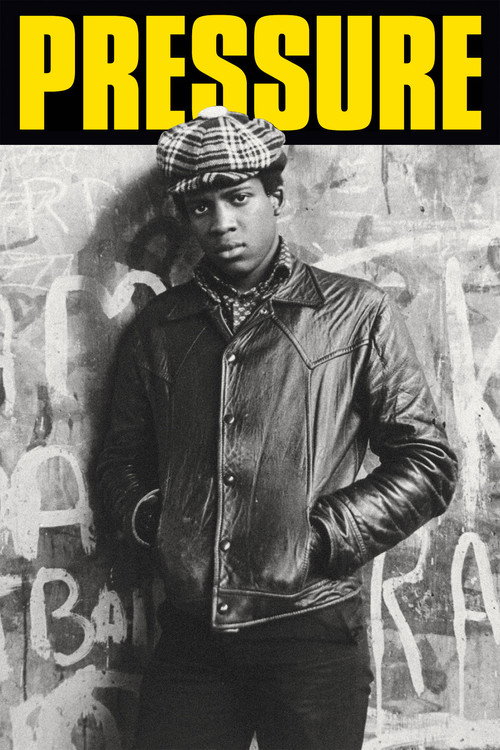
Pressure1976
A direct spiritual sequel, reversing the perspective: where Flame in the Streets shows racism through the white family's struggle, Pressure shows it through the Black protagonist's eyes and his family's fear.
Horace Ové's film about a young Black British man caught between his family's expectations and a white girlfriend, made by and centred on the Black experience. It's the answer Flame in the Streets never got to give.
But It's a low-budget independent film from the '70s with limited distribution. You'll need to seek it deliberately, and the production is rough.
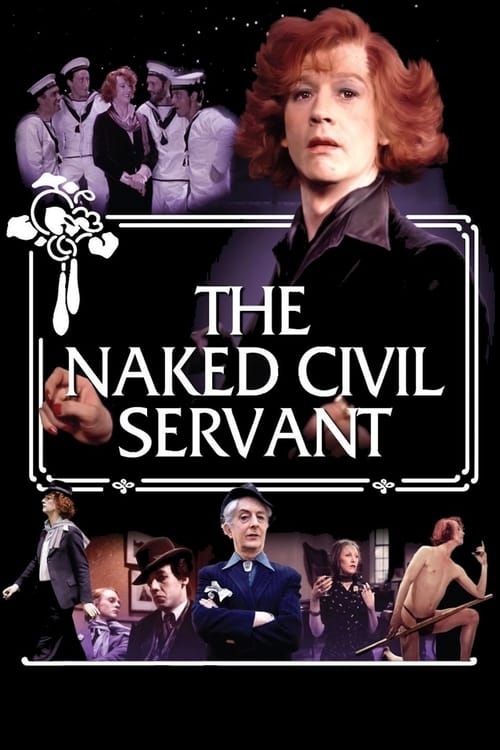
The Naked Civil Servant1975
Both are portraits of post-war British intolerance, but where Flame in the Streets shows prejudice as familial tragedy, Crisp's story shows it as a backdrop to an extraordinary life. Different registers on the same injustice.
John Hurt as the real Quentin Crisp, a man whose very existence was transgressive in mid-century London. Like Flame in the Streets, it's about surviving in a society that despises what you are, but it finds defiance and humour in the despair.
But It's a TV play with theatrical production values. The focus is on individual courage rather than family dynamics, so it sidesteps the intimate claustrophobia of Flame in the Streets.
People
Cast
 John MillsJacko Palmer
 Sylvia SymsKathie Palmer
 Brenda De BanzieNell Palmer
 Earl CameronGabriel Gomez
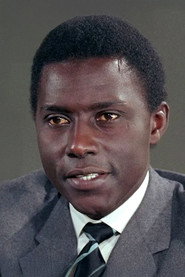 Johnny SekkaPeter Lincoln
 Meredith EdwardsHarry Mitchell
 Ann LynnJudy Gomez
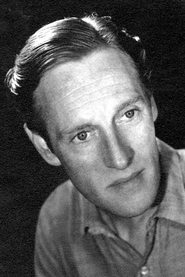 Wilfrid BrambellMr. Palmer senior
- Corinne Skinner-CarterMrs. Jackson
- Newton BlickVisser
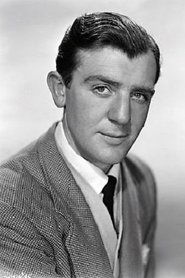 Glyn HoustonHugh Davies
Directing
- Stanley HosgoodAssistant Director
- Penny DanielsContinuity
- Roy Ward BakerDirector
Writing
- Ted WillisScreenplay
- Ted WillisStory
Production
- Jack HanburyAssociate Producer
- Earl St. JohnExecutive Producer
- Roy Ward BakerProducer
- Charles OrmeProduction Manager