
Film
Saturday Night and Sunday Morning
The film that switched on British cinema's angsty realism: Albert Finney tears through factory floors and pub Saturdays with a swagger that still crackles. It's blunt, funny, sexually frank for its time, and shot with a documentary rawness that makes post-war Nottingham feel immediate rather than nostalgic. Essential viewing for anyone curious where the 'angry young man' era began — vital, restless, and never quite settled.
If you liked this
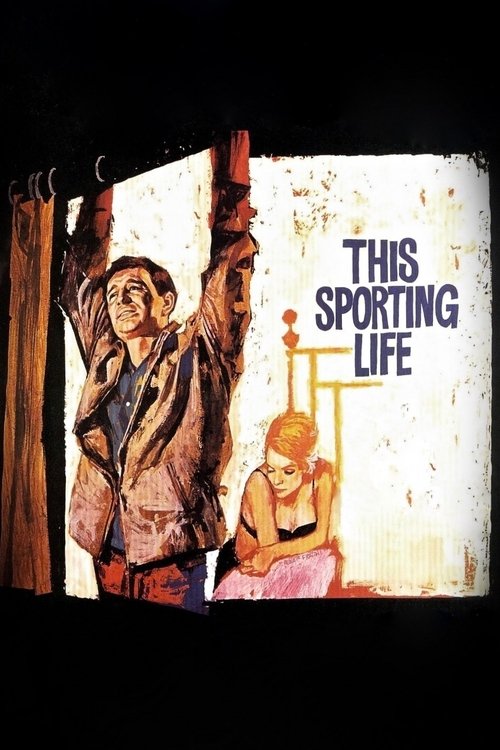
This Sporting Life1963
Richard Harris's explosive performance as a rugby player trapped by class and rage matches Finney's fury beat for beat, and Rachel Roberts returns to this world, this time devastating rather than merely trapped.
But More punishing and less playful than Finney's film — this one goes for the throat, not the laugh.
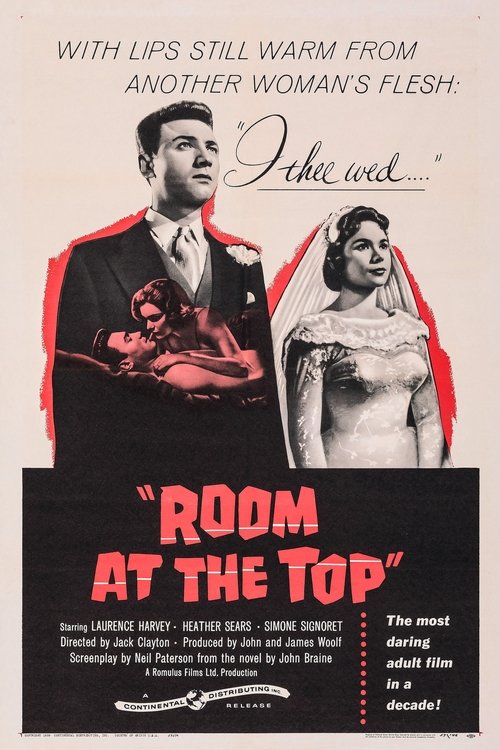
Room at the Top1958
The film that really started the cycle — Laurence Harvey's ambitious clerk sleeps and schemes his way up, with the same class fury but a colder, more calculating ambition.
But Less charm, more calculation; if you liked Arthur's warmth, Joe Lampton's ruthlessness may put you off.
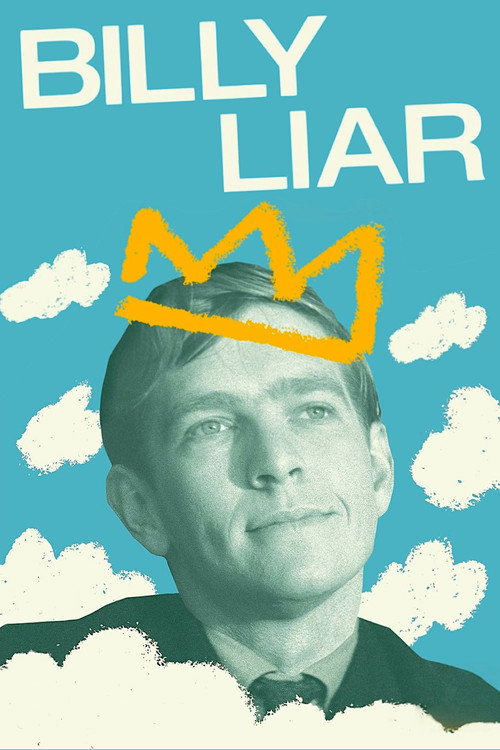
Billy Liar1963
Tom Courtenay's fantasist office boy is Arthur Seaton's softer, funnier cousin — same northern boredom, same restlessness, turned into comic daydream rather than brawling.
But Gentler and more whimsical; if you wanted grit and consequence, this drifts toward fantasy instead.
The wildcard
Something you would not have found on your own.
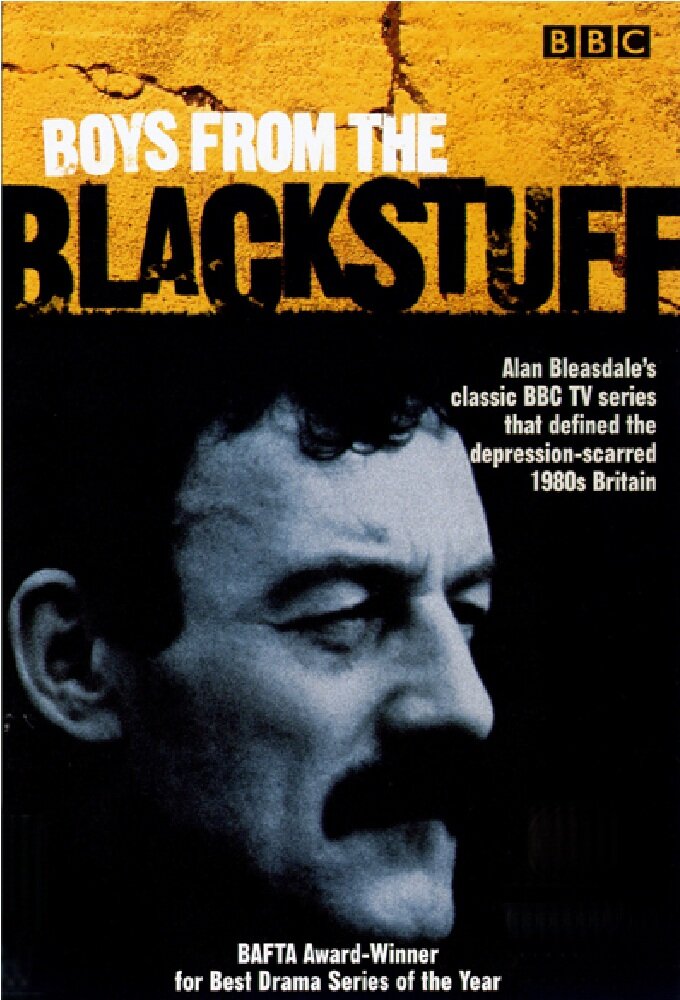
Boys from the Blackstuff1982
Same industrial-Britain masculinity in crisis, just moved from the factory floor to the dole queue — Bleasdale wrote directly in the kitchen-sink tradition Reisz helped invent, but stripped the rebellion of its swagger and left only the rage.
Alan Bleasdale's five-part BBC series follows Liverpool tarmac-layers through Thatcher-era unemployment — same working-class male fury, twenty years on, with nowhere left to spend it.
But There's no weekend release valve here; the anger has nowhere to go, and it is far bleaker than anything in Arthur's story.
More like this (8)
Look Back in Anger1959no page yet
Richard Burton originates the archetype on screen — the stall-holder husband raging against everything and everyone, the source text for the whole angry-young-man wave.
But Stagier and more theatrical, adapted straight from Osborne's play; the domestic cruelty is harder to sit with than Arthur's mischief.
A Taste of Honey1961
Shelagh Delaney's script flips the lens onto a working-class teenage girl instead — same Salford grit, but tender and aching where Arthur's story is brash and cocky.
But Quieter and more melancholic throughout; don't expect the pub fights or Finney's swaggering energy.

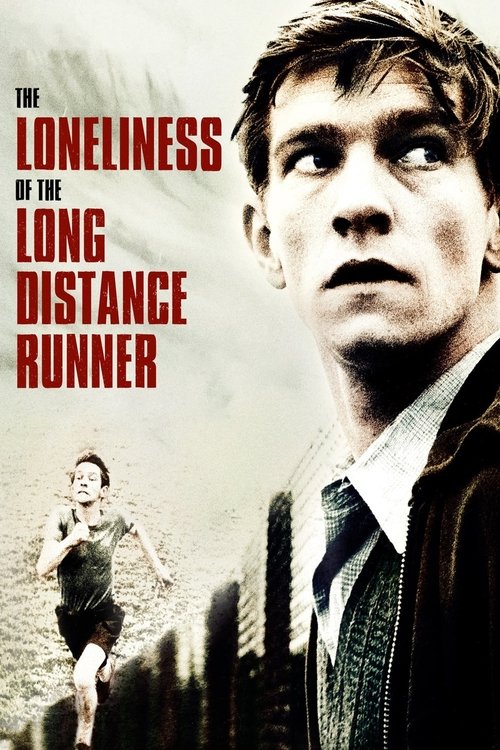
The Loneliness of the Long Distance Runner1962
Tom Courtenay again, this time a reform-school runner using stubborn defiance as his only weapon against class and authority — bracing, bitter, and quietly heroic.
But More austere and political in its anger; less romance, less fun, more institutional despair.
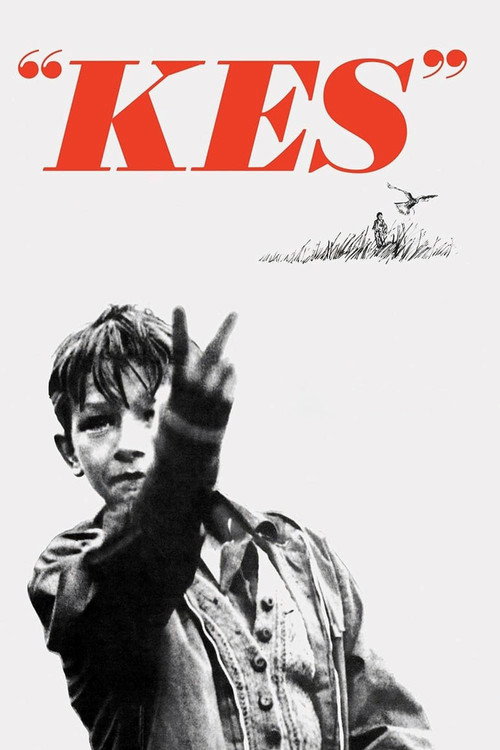
Kes1970
Ken Loach's move into pure social realism — a Barnsley boy and a kestrel, working-class life shown with unsentimental tenderness rather than swagger or seduction.
But No romance or rebellion here, just a quieter, sadder register; expect heartbreak, not high spirits.
A Kind of Loving1962no page yet
Alan Bates plays a young draughtsman trapped by an unplanned marriage — the hangover after Arthur's kind of weekend, told with the same regional honesty and detail.
But Slower and more domestic; the stakes are quieter, marriage and duty rather than brawling and seduction.
The L-Shaped Room1962no page yet
Leslie Caron plays a pregnant, unmarried woman in a shabby London boarding house — the era's social realism turned toward women's lives, stigma, and quiet resilience.
But London-set and more melodramatic in places; less of the industrial Midlands texture that defines Arthur's world.
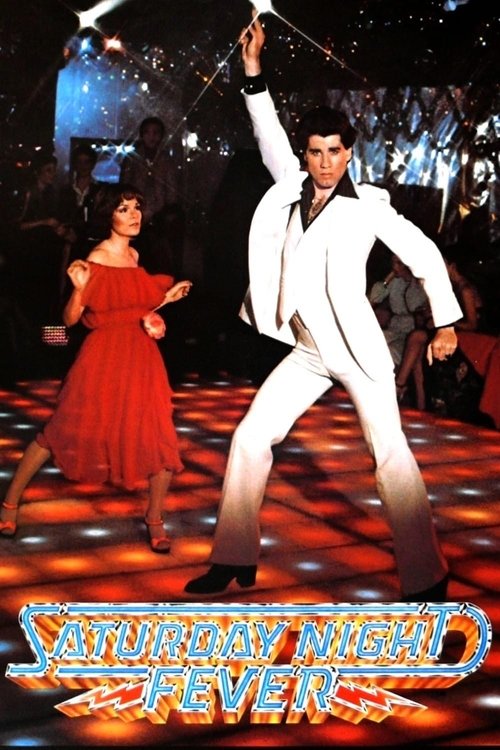
Saturday Night Fever1977
Same structure of escape — a young working man using one wild night to outrun a week of drudgery — translated from British kitchen-sink grit into American disco fantasy.
John Travolta's Brooklyn paint-store clerk lives for Saturday night exactly like Arthur does — dead-end job all week, transformation and desire on the dance floor after dark.
But Disco spectacle and American gloss replace Nottingham's grey terraces; the mood is glitter and ambition, not brawling cynicism.
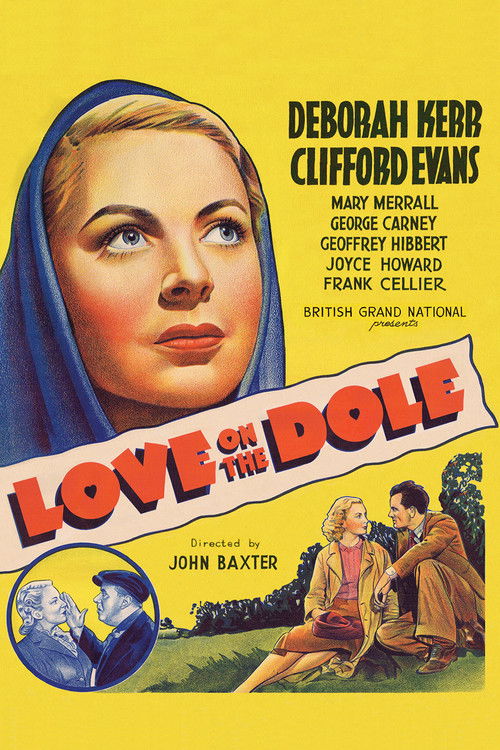
Love on the Dole1941
The direct ancestor of Reisz's film — same industrial-North setting and working-class dignity under pressure, made when British cinema still softened such stories, before the New Wave let them be angry and blunt.
A Depression-era Lancashire family scrapes by on dwindling wages and battered pride — the unvarnished social realism that the British New Wave grew out of, two decades early.
But Older, more theatrical style, and grimmer in tone — no youthful swagger here, just hardship without much relief.
People
Cast
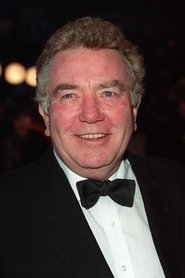 Albert FinneyArthur Seaton
 Shirley Anne FieldDoreen
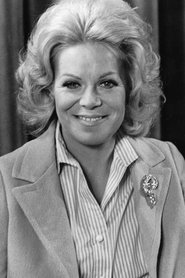 Rachel RobertsBrenda
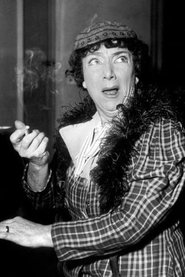 Hylda BakerAunt Ada
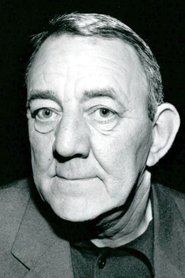 Bryan PringleJack
- Robert CawdronRobboe
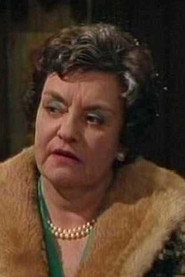 Avis BunnageBlousy Woman
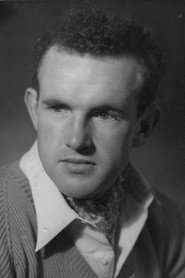 Colin BlakelyLoudmouth
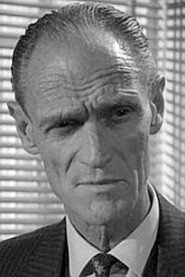 Peter MaddenDrunken Man
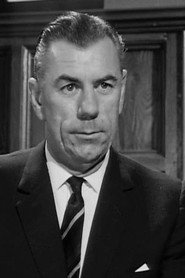 Alister WilliamsonPoliceman
 Elsie WagstaffMrs. Seaton
Directing
- Tom PevsnerAssistant Director
- Pamela MannContinuity
- Karel ReiszDirector
Writing
- Alan SillitoeNovel
- Alan SillitoeScreenplay
Production
- Harry SaltzmanExecutive Producer
- Tony RichardsonProducer
- Jack RixProduction Manager
Recommended by
Kes, The Full Monty, This Sporting Life, Withnail & I, The Loneliness of the Long Distance Runner, A Taste of Honey, Room at the Top, The Likely Lads, Billy Liar