
Film
Sparrows Can't Sing
A sharp-eyed comedy-drama about a sailor returning to his demolished East End neighbourhood to find his wife gone and his life upended. It's a film that finds genuine tenderness and humour in post-war working-class struggle, with an ensemble cast who make chaos feel lived-in and real. For anyone who loves period pieces that aren't precious about their settings.
Should you watch it?
Watch it if you enjoy rough-edged British comedy where the humour comes from crowded streets, loud families and characters who are a bit too pleased with their own mischief, with a sly sense of working-class life underneath.
Skip it if you want a tight plot or a steady throughline, since this drifts from one scrape to the next and leans on its ensemble's noise more than on story momentum.
What it asks of you: Settle in for a brisk ninety-four minutes of episodes that tumble over each other, with shouting matches and sudden tender pauses, and little interest in tidying up the mess.
Not sure? Find tonight's pick in a minute.
If you liked this
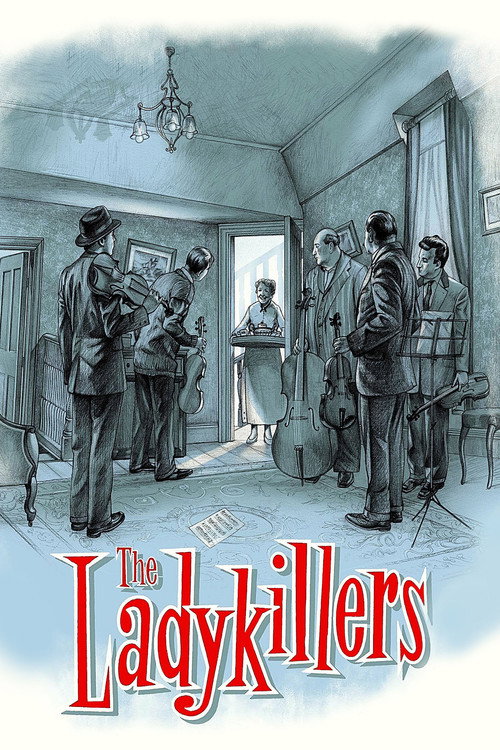
The Ladykillers1955
A criminal gang posing as musicians rents a room from a sweet old landlady. Like Sparrows, it balances dark comedy with real affection for its characters, and finds humour in the gap between people's lives and how they present themselves.
But The film's pacing feels deliberate rather than snappy by modern standards, and some of the comedy sits in reaction shots rather than punchlines.
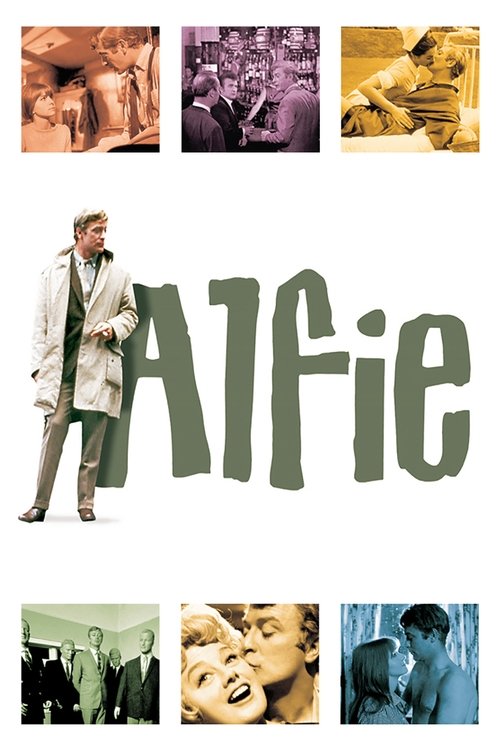
Alfie1966
A charming rogue navigates London's class divides and romantic entanglements, speaking directly to camera. It captures the same East End energy and treats its working-class milieu as neither quaint nor tragic, but simply life.
But The gender politics are dated and uncomfortable—the film doesn't quite interrogate what it shows us.
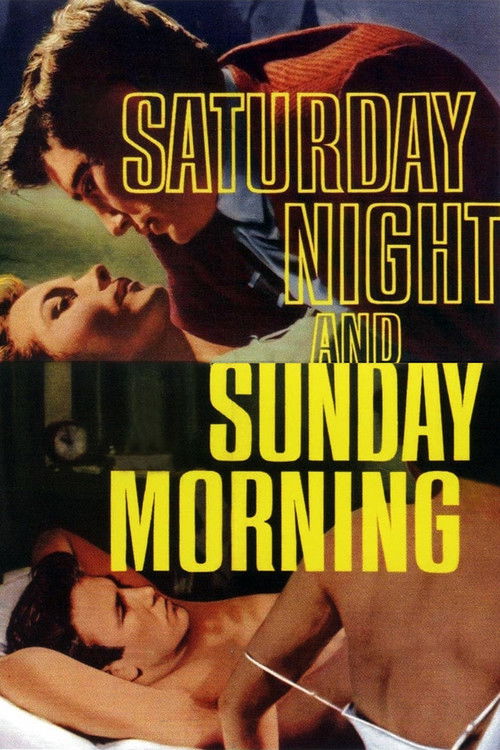
Saturday Night and Sunday Morning1960
A young factory worker rebels against the constraints of his life through drinking, affairs, and sheer restlessness. Kitchen-sink realism at its most vital, with real tenderness beneath the surface anger.
But It's unrelentingly bleak in stretches, and the protagonist's behaviour toward women is difficult without being framed as problematic.
Not sure tonight? Get a pick in a minute, starting from Sparrows Can't Sing
The wildcard
Something you would not have found on your own.
Kes1970
Both are rooted in specific British working-class communities filmed with unflinching affection, treating ordinary lives as worthy of serious attention and genuine emotion.
A boy in a grim Yorkshire mining town finds dignity and purpose through training a hawk. Brutally honest about poverty and systems that crush potential, but the relationship between boy and bird carries real hope.
But The ending is punishing—this isn't a redemption story. Some viewers find the social realism unrelenting rather than moving.

More like this (6)
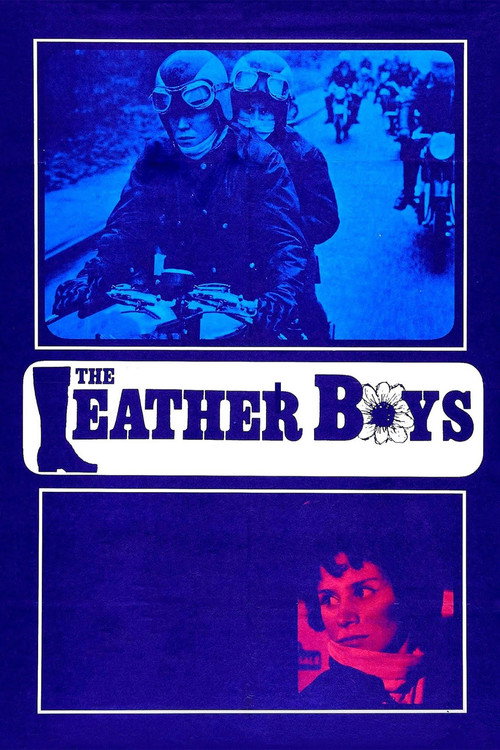
The Leather Boys1964
Two working-class lads navigate friendship, masculinity, and unexpected depths of feeling against the backdrop of motorbike culture. Tenderhearted and observant about how people actually live, with genuine warmth for its characters.
But The social attitudes it depicts (including homophobia) are presented without modern framing, which can feel uncomfortable to watch.
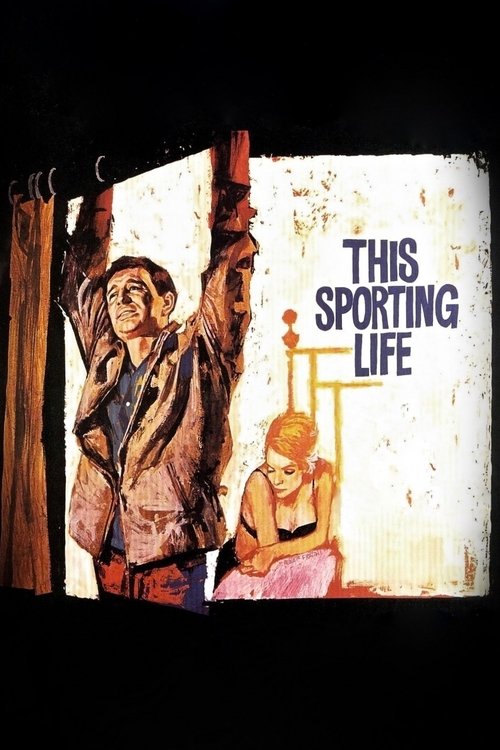
This Sporting Life1963
A rugby player's raw ambition and emotional violence collide with genuine hunger for connection. Fierce and uncompromising, treating working-class life with seriousness and emotional intelligence.
But It's bleak and often punishing, with a protagonist whose aggression is never softened or excused.
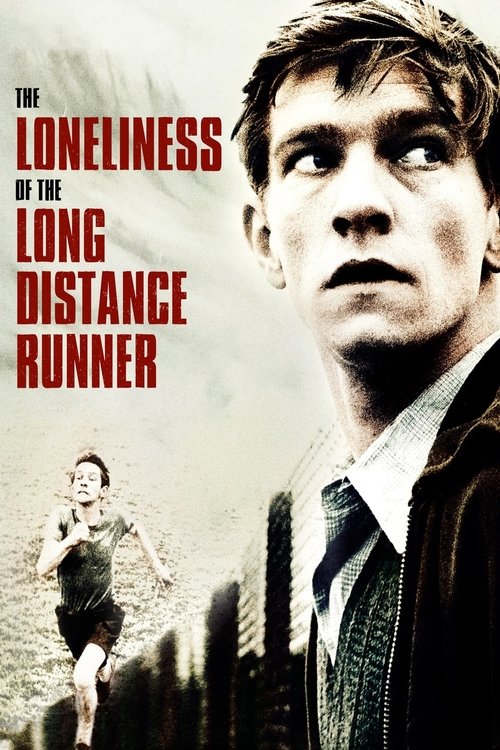
The Loneliness of the Long Distance Runner1962
A rebellious young man in a reform school finds freedom in running, and defiance in the act of choosing his own defeat. A masterpiece of working-class alienation told with style and genuine insight.
But The pacing is deliberate, and the film asks more of the viewer than it offers in conventional satisfaction.
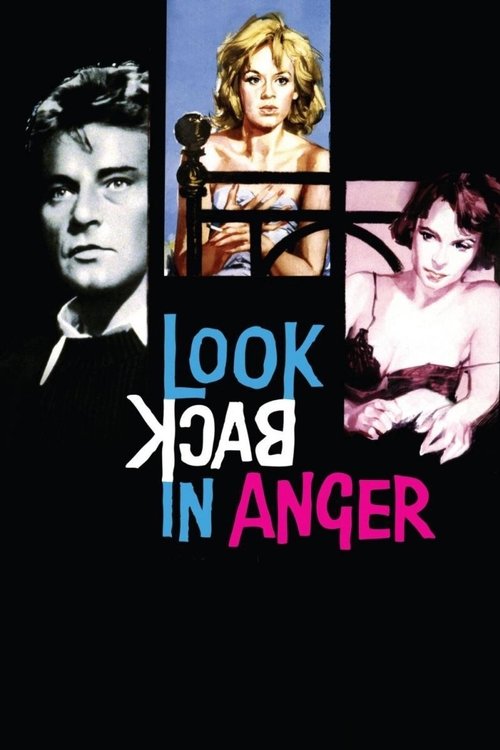
Look Back in Anger1959
An educated, furious young man rails against a world that won't give him what he believes he deserves. Captures the same post-war malaise and class anxiety, grounded in real relationships and real resentment.
But The central character is deeply unpleasant, and the film offers no redemption or resolution, only endurance.
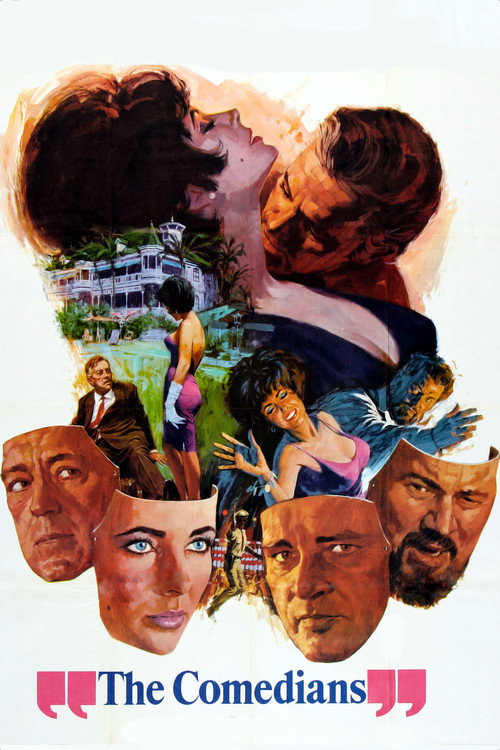
The Comedians1967
Both use ensemble comedy to explore displacement and desperation—men without stable homes trying to make sense of a world that doesn't want them.
Three men trying to make ends meet in Port-au-Prince find their dreams and schemes colliding with colonial violence and moral decay. A darker, more politically engaged take on the same ensemble chaos—men adrift in circumstances beyond their control.
But It's cynical and sometimes didactic about politics, and the tonal shifts between comedy and brutality can feel jarring.
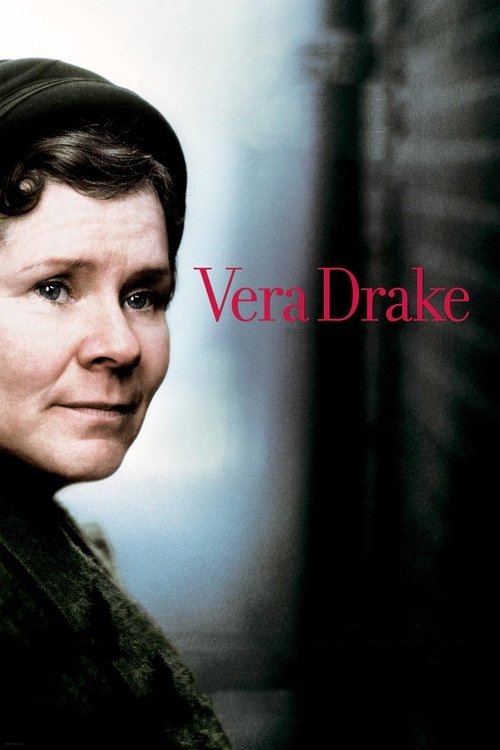
Vera Drake2004
Both find profound humanity in East End working-class characters, using particular dialects, streets, and social networks to ground their stories in a real, specific world.
A seemingly ordinary East End woman's quiet decency masks a hidden life of dangerous work. Mike Leigh's film shares Sparrows' specificity about place and community, but inverts it—exploring what happens when the ordinary becomes criminal.
But It's a slow-burn character study rather than a comedy, and the subject matter (backstreet abortion) is heavy and potentially triggering.
People
Cast
 James BoothCharlie Gooding
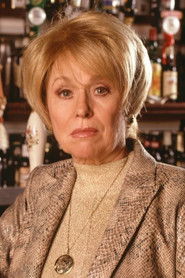 Barbara WindsorMaggie Gooding
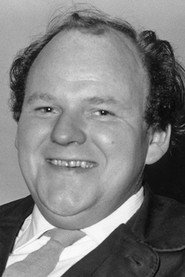 Roy KinnearFred Gooding
 Avis BunnageBridgie Gooding
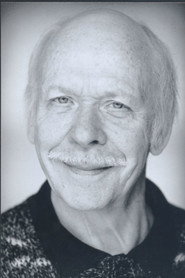 Brian MurphyJack
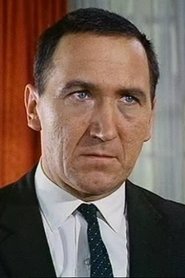 George SewellBert
 Barbara FerrisNellie Gooding
- Griffith DaviesChunky
 Murray MelvinGeorgie
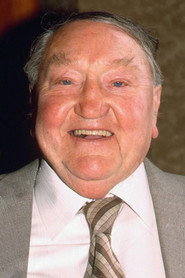
- Peggy Ann CliffordTed's Wife
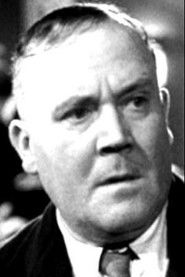 Wally PatchWatchman
Directing
- Peter MedakAssistant Director
- Barbara RowlandContinuity
- Estelle StewartContinuity
- Joan LittlewoodDirector
Writing
- Joan LittlewoodScreenplay
- Stephen LewisScreenplay
- Stephen LewisWriter
Production
- Donald TaylorProducer
- Clifford ParkesProduction Manager